Best outdoor sunscreen for rockhounding trips

SPF that survives desert sun and all-day field work

Rockhounding means hours of exposed skin on open slopes, dry washes, and alpine ridges. Mineral sunscreens with zinc oxide or titanium dioxide block UV without stinging eyes when you sweat, and skip the chemical filters flagged for aquatic ecosystems. We compared the best mineral formulas that hold up to hammer work, dust, and long hikes back to the car.

Outdoor Sunscreen comparison chart

ProductPriceSPFActiveWater resistanceBest forBuy
Best overallSport Mineral SunscreenThinkSport$13 approx.50Zinc oxide 20%80 minActive field daysView on
Cleanest formulaMineral Sunscreen CreamBadger$16 approx.30 / 40Zinc oxide 22%40 minMinimal ingredientsView on
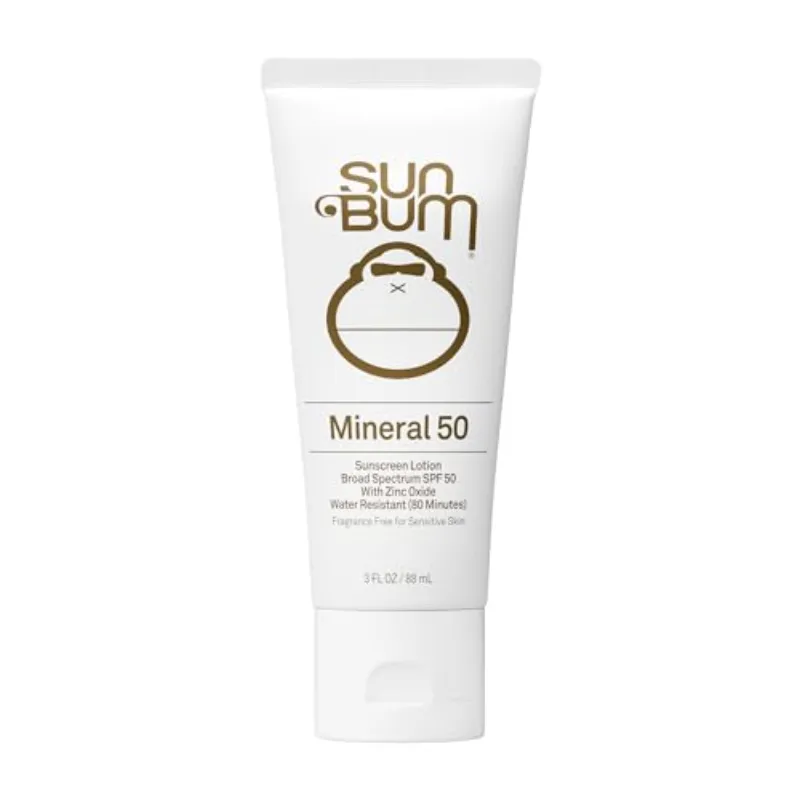
Mineral Sunscreen Lotion SPF 50Sun Bum$16 approx.50Zinc + titanium dioxide80 minEasy applicationView on
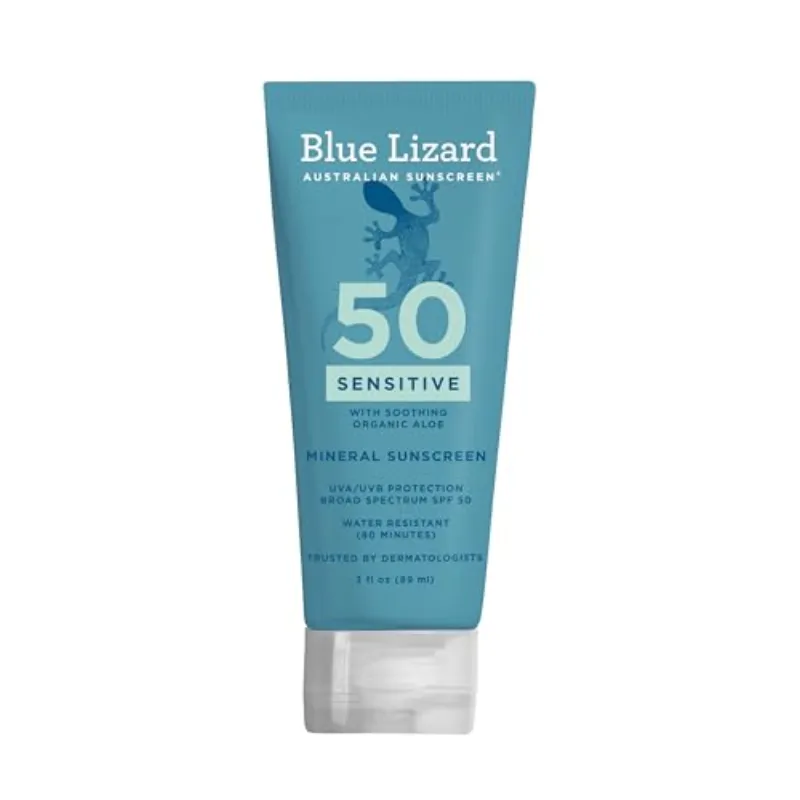
Sensitive Mineral Sunscreen SPF 50+Blue Lizard$15 approx.50+Zinc + titanium dioxide40 minFamily useView on
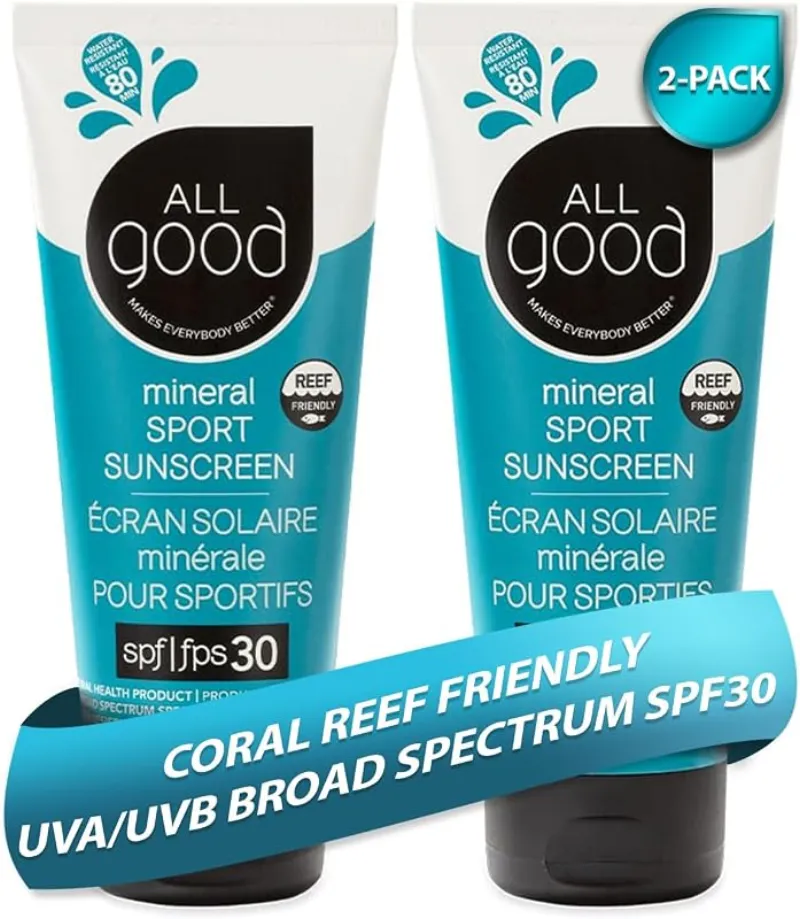
Sport Mineral Sunscreen LotionAll Good$15 approx.30Zinc oxide80 minEco valueView on

Product details

Best overall

ThinkSport Sport Mineral Sunscreen
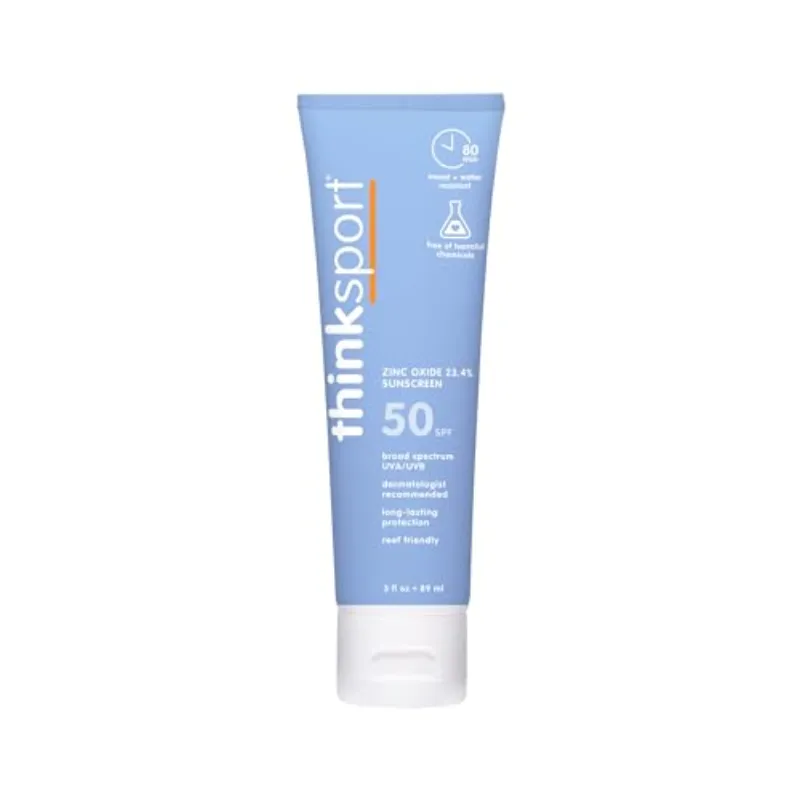
ThinkSport consistently tops independent safety rankings and, unlike many mineral sunscreens, actually rubs in without leaving you ghost-white. It is the easy all-around pick.

Features

  • 20% non-nano zinc oxide, free of oxybenzone and avobenzone
  • 80-minute sweat and water resistance
  • Goes on smoother than most mineral formulas
  • Top safety scores from independent reviewers

Pros and cons

ProsCons
Reef-safe and high SPFThicker than chemical sunscreen
Less white-cast than rivalsNeeds thorough rubbing in
Strong water resistance

Activities and environments best for

  • Long desert collecting days
  • Sensitive skin
  • Kids (Thinkbaby version)

Overall

The best blend of mineral protection and wearability for field work — start here.
Customer reviews

4.4 out of 5

8,991 global ratings

5 star72%
4 star14%
3 star6%
2 star3%
1 star5%
Cleanest formula

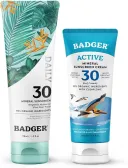
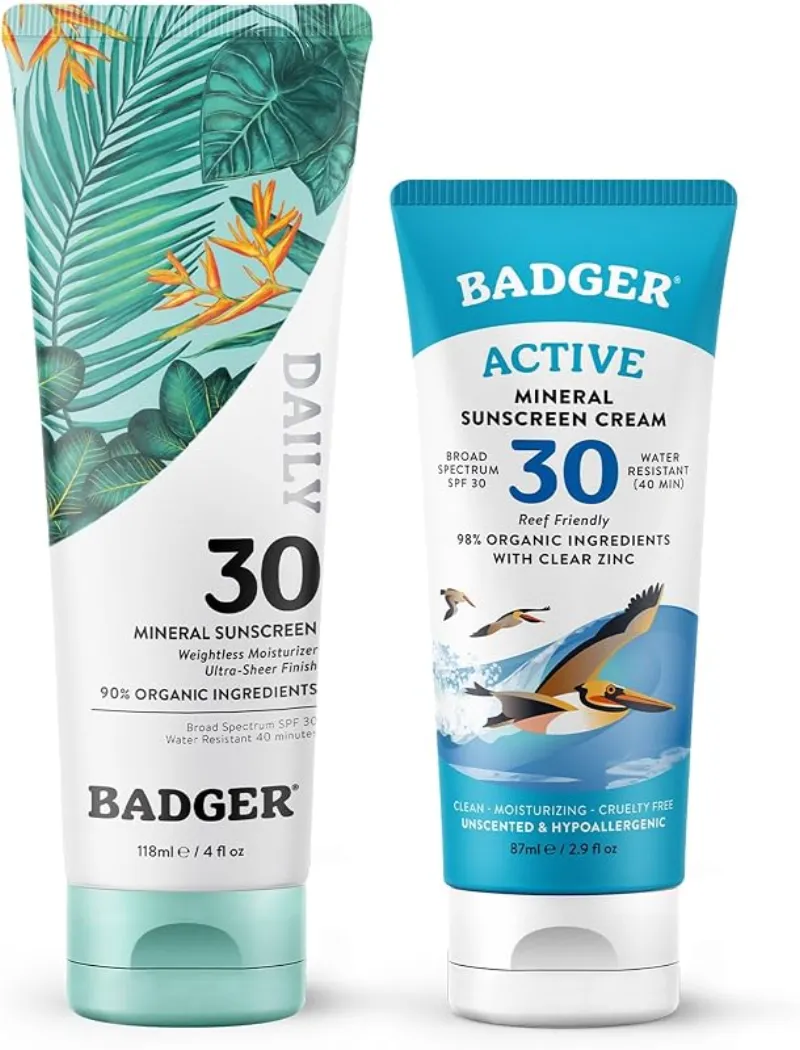
Badger Mineral Sunscreen Cream

Badger uses a tiny, certified-organic ingredient list — basically zinc and oils — making it a favorite for the chemically sensitive and the eco-minded.

Features

  • Only a handful of certified-organic ingredients
  • 22% non-nano zinc oxide
  • Biodegradable, reef-safe formula
  • Recyclable packaging

Pros and cons

ProsCons
Extremely clean ingredient listNoticeable white cast
Great for sensitive skinThick and needs warming to spread
Eco-conscious brand

Activities and environments best for

  • Sensitive or allergy-prone skin
  • Eco-purists

Overall

If you want the shortest, cleanest ingredient list, Badger is hard to beat — just expect to rub it in.

Customer reviews

4.8 out of 5

6 global ratings

5 star78%
4 star22%
3 star0%
2 star0%
1 star0%

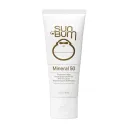
Sun Bum Mineral Sunscreen Lotion SPF 50

Sun Bum’s mineral SPF 50 spreads more easily than many zinc formulas while still avoiding reef-harming chemicals — a friendly option for everyday field-day sun protection.

Features

  • Mineral zinc and titanium dioxide filters
  • SPF 50 with 80-minute water resistance
  • Moisturizing lotion base
  • Free of oxybenzone and octinoxate

Pros and cons

ProsCons
Easier to apply than thick zinc creamsCan leave a light white cast
Pleasant scentPremium price for drugstore brands
Strong SPF

Activities and environments best for

  • Long desert field days
  • Sensitive skin
  • Regular field collectors

Overall

A good middle ground between strict eco formulas and easy-to-wear lotion.

Customer reviews

4.5 out of 5

6,927 global ratings

5 star74%
4 star13%
3 star7%
2 star2%
1 star4%

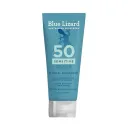
Blue Lizard Sensitive Mineral Sunscreen SPF 50+

Blue Lizard Sensitive uses mineral filters in a gentle formula designed for kids and sensitive skin — a reliable family sunscreen for long days at springs and lakes.

Features

  • 100% mineral zinc oxide and titanium dioxide
  • SPF 50+ broad-spectrum protection
  • Paraben-free and fragrance-free option
  • Smart bottle turns blue in UV light as a reminder

Pros and cons

ProsCons
Gentle on sensitive skinNoticeable white cast
High SPFThicker texture
Trusted by pediatricians

Activities and environments best for

  • Kids and babies
  • Sensitive skin
  • Family rockhounding trips

Overall

The family-safe mineral sunscreen we reach for on kid-heavy trips.

Customer reviews

4.5 out of 5

15,249 global ratings

5 star78%
4 star11%
3 star5%
2 star2%
1 star4%

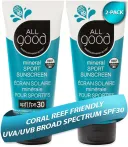
All Good Sport Mineral Sunscreen Lotion

All Good’s sport mineral sunscreen pairs mineral zinc with plant-based ingredients at a fair price — solid protection for active collectors who spend hours in direct sun.

Features

  • Non-nano zinc oxide active ingredient
  • 80-minute water resistance
  • Organic botanical ingredients
  • Reef-friendly formula

Pros and cons

ProsCons
Clean, eco-conscious brandSPF 30 only
Good water resistanceCan be thick to spread
Fair price

Activities and environments best for

  • Eco-minded collectors
  • Active field days
  • BLM and desert sites

Overall

A responsible pick that does not sacrifice performance for the price.

Customer reviews

4.5 out of 5

1,554 global ratings

5 star72%
4 star15%
3 star8%
2 star1%
1 star4%

Outdoor Sunscreen FAQ

What makes a sunscreen good for rockhounding?

Look for SPF 30–50 mineral formulas with zinc oxide or titanium dioxide, sweat resistance, and no eye-stinging chemical filters. Broad-spectrum protection matters at high elevation where UV is stronger.

Is mineral sunscreen better than chemical sunscreen?

Mineral (physical) sunscreens sit on the skin and reflect UV rays; chemical sunscreens absorb UV and convert it to heat. Mineral formulas are the default for long field days because they skip filters that sting eyes when sweat runs.

Why does mineral sunscreen leave a white cast?

Zinc and titanium sit on top of the skin and reflect light, which can look white. Tinted versions and well-formulated brands like ThinkSport minimize this — warm the lotion in your hands and rub thoroughly before heading out.

Do I need sunscreen in winter collecting?

Yes at elevation and on snow — UV reflects off snow and rock faces. Winter sunburns are common on sunny quartz digs and alpine localities when collectors skip SPF because the air feels cold.

How often should I reapply sunscreen in the field?

Reapply every two hours and after heavy sweating or wiping your face. Sun-resistant UPF shirts reduce how much skin needs lotion but exposed hands, neck, and face still need regular reapplication.