Best rockhounding gloves for digging and sharp rock

Cut and abrasion protection for sharp rock and tools

Rockhounding gloves protect against rock edges, wire brushes, and hammer vibration. We compared cut-resistant work gloves, flexible grip gloves for wet field work, and rugged cuff options for spoil piles and cool-weather collecting.

Field Gloves comparison chart

Disclosure: Gear links may earn a commission as an Amazon Associate — at no extra cost to you. Learn more.

ProductPriceMaterialCut ratingGripBest forBuy
Best overallWork Gloves with GripMechanix$22 approx.Synthetic leather + TrekDryGeneral workExcellentAll-around collectingCheck price on Amazon
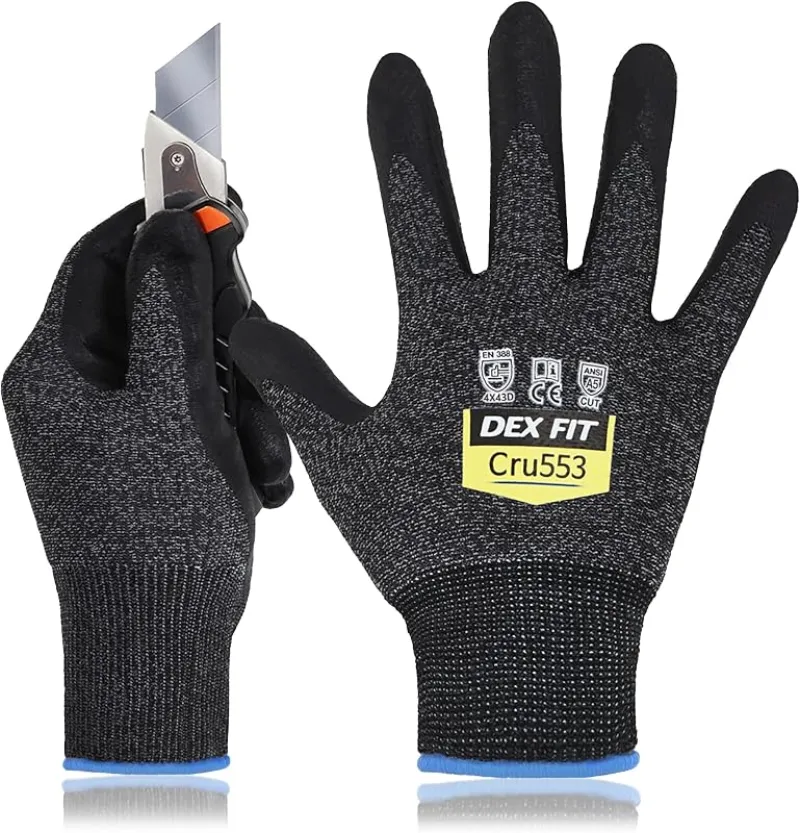
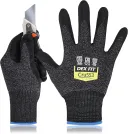
Best cut protectionCut Resistant Work GlovesDEX FIT$18 approx.HPPE + nitrile coatLevel 5Nitrile palmSharp rock edgesCheck price on Amazon
Budget pickNitrile Coated Work Gloves 12-PairG & F$20 approx.Polyester + nitrileBasicNitrile dotsDisposable-style bulk useCheck price on Amazon
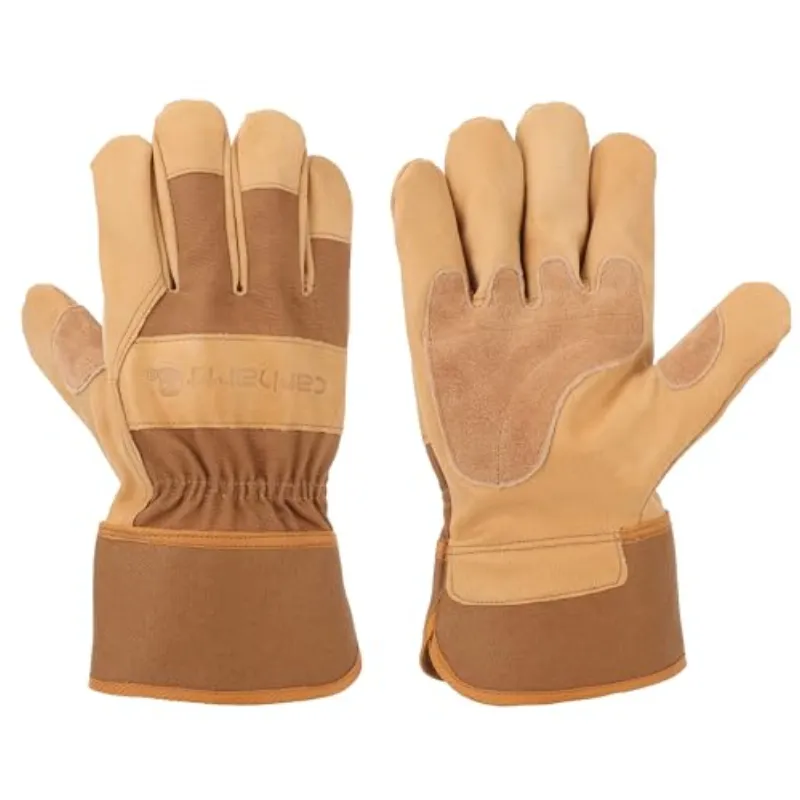
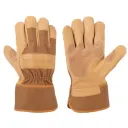
Best rugged cuffA518 System 5 Safety Cuff Work GlovesCarhartt$28 approx.Cotton duck + synthetic palmWork gradeReinforced palmDebris + cold daysCheck price on Amazon

Product details

Best overall

Mechanix Work Gloves with Grip
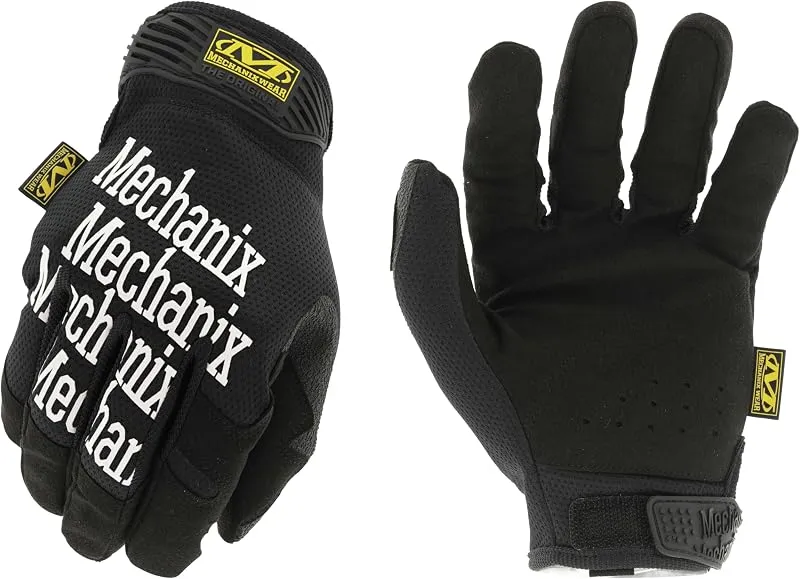
Mechanix Original gloves balance dexterity and protection — you can handle small crystals and tools without feeling like you are wearing oven mitts.

Features

  • TrekDry back vents heat
  • Synthetic leather palm resists abrasion
  • Hook-and-loop wrist closure
  • Machine washable

Pros and cons

ProsCons
Great dexterityNot fully waterproof
Durable palmLess cut protection than dedicated cut gloves
Comfortable in warm weather

Activities and environments best for

  • General rockhounding
  • Tool handling
  • Warm climates

Overall

The default glove for collectors who need feel and protection.
Customer reviews

4.6 out of 5

14,000 global ratings

5 star73%
4 star18%
3 star6%
2 star2%
1 star1%
Best cut protection

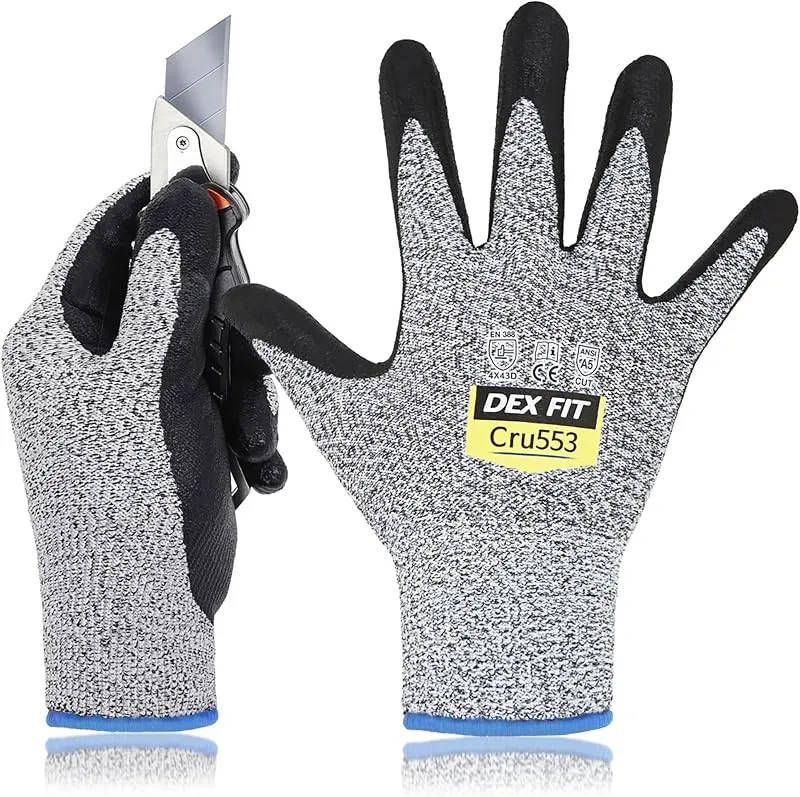
DEX FIT Cut Resistant Work Gloves

Level 5 cut-resistant gloves protect against sharp slate, broken quartz, and wire brush slips — worth wearing whenever you handle freshly broken rock.

Features

  • ANSI cut level 5 protection
  • Nitrile-coated palm for wet grip
  • Breathable knit back
  • Touchscreen compatible fingertips

Pros and cons

ProsCons
Strong cut protectionLess padding from hammer vibration
Good wet gripCoating wears with heavy abrasion
Still flexible

Activities and environments best for

  • Sharp matrix handling
  • Wire brush work
  • Quarry edges

Overall

When sharp rock is the main hazard — not hammer shock.

Customer reviews

4.5 out of 5

8,500 global ratings

5 star70%
4 star20%
3 star7%
2 star2%
1 star1%
Budget pick

G & F Nitrile Coated Work Gloves 12-Pair

A twelve-pair pack of nitrile-dotted gloves is cheap insurance — wear them on muddy dig days and do not worry about ruining an expensive pair.

Features

  • Nitrile palm dots for grip
  • Breathable polyester shell
  • Knit wrist keeps dirt out
  • Bulk pack for spares

Pros and cons

ProsCons
Very low cost per pairWear out faster than premium gloves
Good enough grip for most workMinimal cut protection
Always have a spare

Activities and environments best for

  • Muddy sites
  • Group trips
  • Backup pairs

Overall

Stock the car with these and save premium gloves for serious trips.

Customer reviews

4.4 out of 5

22,000 global ratings

5 star67%
4 star22%
3 star8%
2 star2%
1 star1%
Best rugged cuff

Carhartt A518 System 5 Safety Cuff Work Gloves

Carhartt A518 safety-cuff gloves keep grit out of your wrists on spoil piles and brushy approaches — a dig-day staple when Mechanix feel too light.

Features

  • Durable cotton duck shell
  • Reinforced palm and knuckle
  • Safety cuff sheds rock chips
  • Built for farm, ranch, and outdoor work

Pros and cons

ProsCons
Carhartt durabilityLess dexterity than thin Mechanix
Cuff keeps debris outToo warm for summer desert work
Good dry grip

Activities and environments best for

  • Spoil piles
  • Brushy sites
  • Cool-weather collecting

Overall

The rugged glove when you want wrist protection and longevity.

Customer reviews

4.7 out of 5

2,410 global ratings

5 star76%
4 star16%
3 star5%
2 star2%
1 star1%

Field Gloves FAQ

Do I need gloves for rockhounding?

Yes, whenever handling broken rock, wire brushes, or hammering. Sharp edges cause cuts faster than most beginners expect, and gloves reduce vibration fatigue too.

Thin gloves or heavy work gloves?

Thin dexterity gloves for crystal and fossil handling; cut-resistant or padded gloves when breaking rock and using wire brushes. Many collectors carry both.

Will gloves reduce hammer control?

Quality work gloves like Mechanix maintain enough feel for tool use. Avoid bulky winter gloves for precise chisel work — save those for cold exposure days.