Best rockhounding hammer & geological pick (2026)

The one tool every rockhound needs in the field

A rockhounding hammer (geological pick) is the backbone of field collecting — pick point for prying, flat face for trimming, forged steel that will not chip like a claw hammer. We compared Estwing classics, lighter alpine picks, and heavier crack hammers for geodes and fee-dig matrix.

Rock Picks & Hammers comparison chart

Disclosure: Gear links may earn a commission as an Amazon Associate — at no extra cost to you. Learn more.

ProductPriceWeightHead typeHandleBest forBuy
Best overall22 oz Geological PickEstwing$45 approx.22 ozPick + chiselShock-reduction gripAll-around collectingCheck price on Amazon
Best for hiking14 oz Rock PickEstwing$40 approx.14 ozPick + chiselShock-reduction gripLong hikes to dig sitesCheck price on Amazon
Best for geodes3 lb Crack HammerEstwing$35 approx.3 lbSquare face + chiselShock-reduction gripGeodes and hard nodulesCheck price on Amazon
Best for paleo digsGeo/Paleo Rock Pick GP100Estwing$90 approx.2.5 lb headPick + chisel (25 in)Vinyl cushion gripFossils and overburdenCheck price on Amazon
Premium pickRock Pick E30 Leather GripEstwing$45 approx.22 ozPointed pick + square faceGenuine leather gripTraditionalistsCheck price on Amazon
GP-18 Gad Pry BarEstwing$35 approx.20 ozPoint + wedge pryBlue UV coatingPrying and leveringCheck price on Amazon
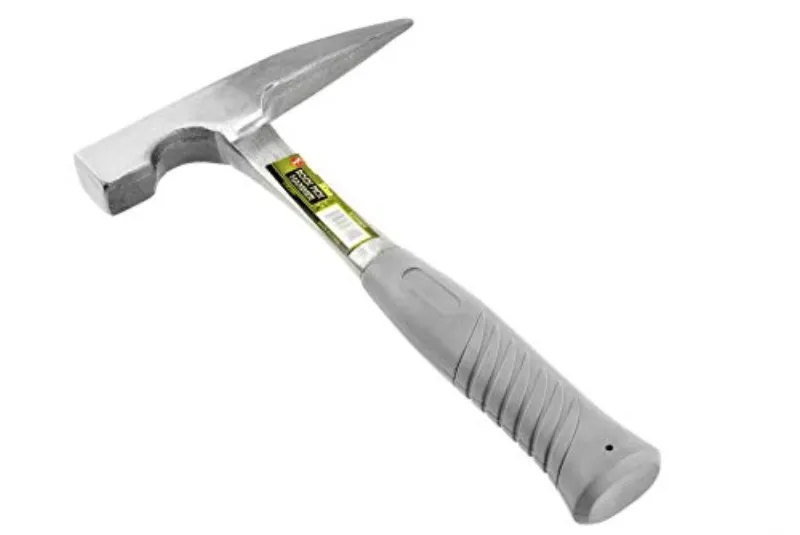
Budget pickRock Pick HammerSE$20 approx.20 ozPick + chiselRubber gripBeginnersCheck price on Amazon

Product details

Best overall

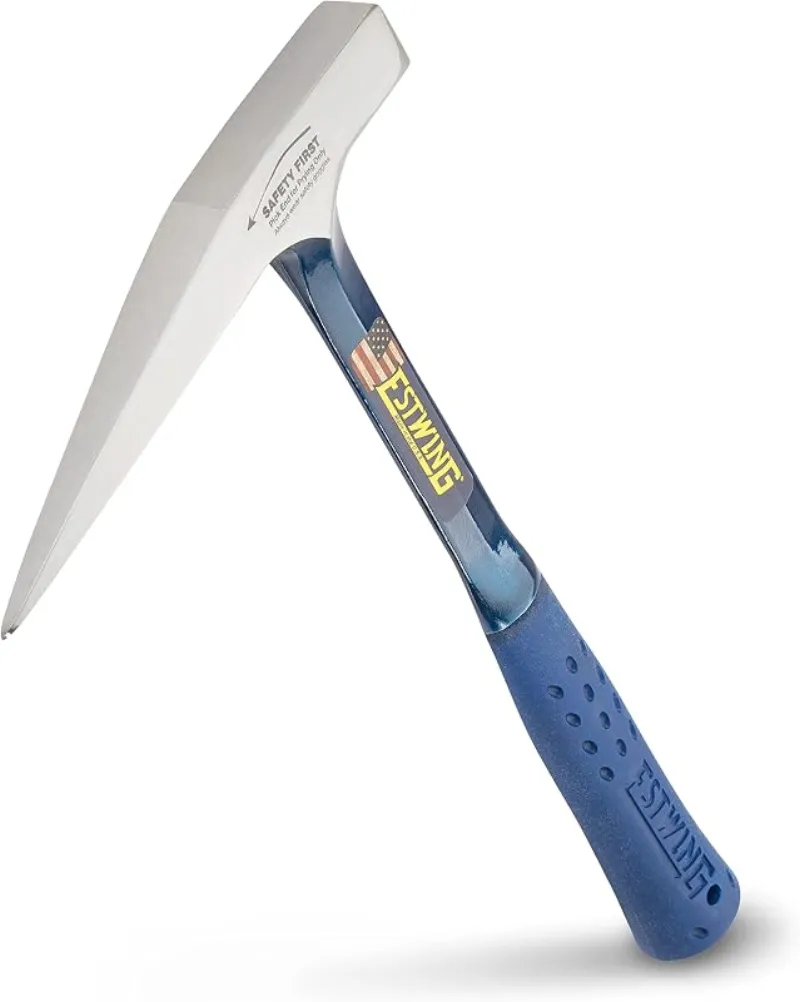
Estwing 22 oz Geological Pick
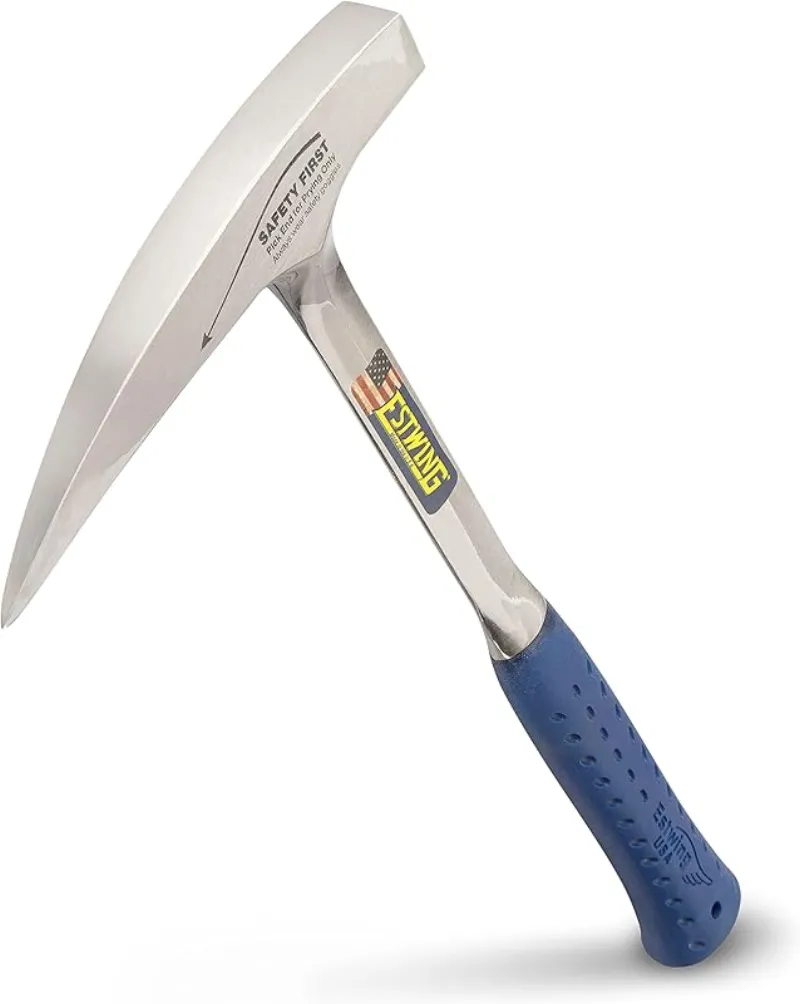
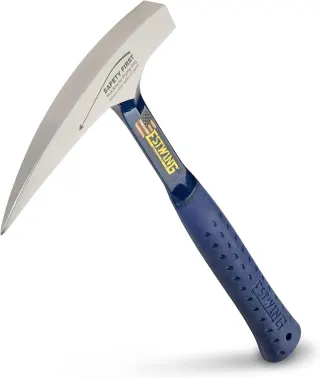
Estwing’s 22 oz geological pick is the industry standard — forged one-piece steel with a pointed pick on one end and a flat chisel on the other, plus the iconic blue shock-reduction grip.

Features

  • Single-piece forged steel — no loose head
  • Pick point for prying; chisel edge for splitting
  • Shock-reduction grip reduces sting on hard blows
  • Made in the USA

Pros and cons

ProsCons
Balanced weight for all-day useHeavier than ultralight alternatives
Extremely durableNot ideal for very delicate fossils
Trusted by professionals

Activities and environments best for

  • General rockhounding
  • Crystal pockets
  • Hard rock exposures

Overall

If you buy one hammer, make it this one.
Customer reviews

4.8 out of 5

4,200 global ratings

5 star82%
4 star12%
3 star4%
2 star1%
1 star1%
Best for hiking

Estwing 14 oz Rock Pick

The lighter 14 oz Estwing pick trades some breaking power for less arm fatigue on long approaches to remote BLM sites and mountain localities.

Features

  • Same one-piece forged construction as the 22 oz
  • Lighter swing weight for extended field days
  • Pick and chisel ends for versatile work

Pros and cons

ProsCons
Easier to carry on long hikesLess momentum on stubborn geodes
Still plenty of power for most matrixShorter handle reach
Same Estwing durability

Activities and environments best for

  • Alpine localities
  • Backpack trips
  • Younger collectors

Overall

The pick to clip on your pack when miles matter as much as breaking power.

Customer reviews

4.7 out of 5

2,100 global ratings

5 star78%
4 star14%
3 star5%
2 star2%
1 star1%
Best for geodes

Estwing 3 lb Crack Hammer

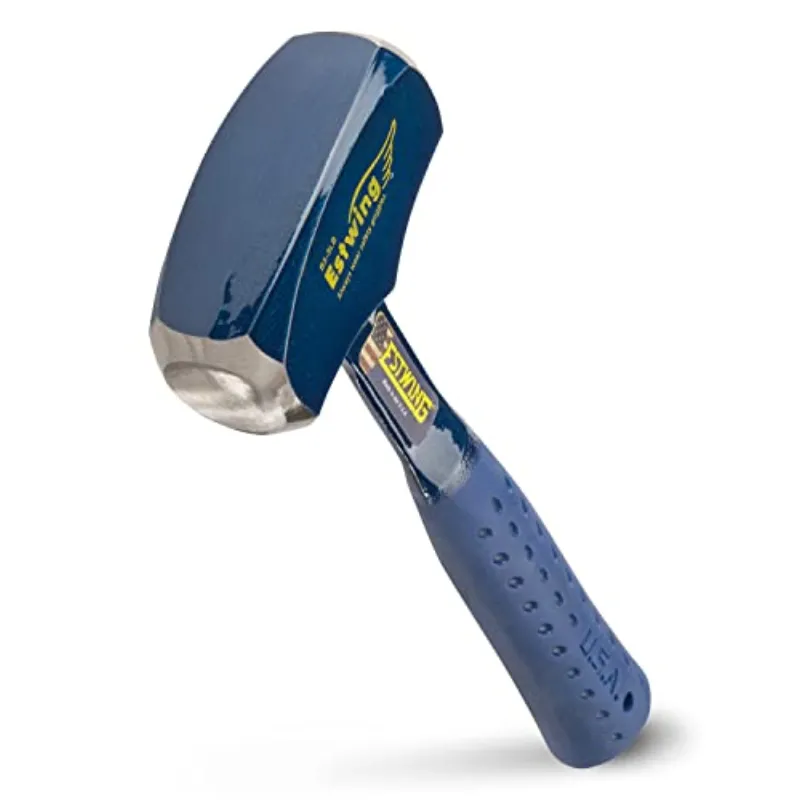
A crack hammer delivers focused blunt force for opening geodes and breaking stubborn nodules — pair it with a cold chisel for controlled splits.

Features

  • Square striking face for controlled blows
  • Chisel end for wedging splits
  • Heavier head drives force through hard rind

Pros and cons

ProsCons
Excellent for geode bedsToo heavy for all-day carry alone
One-piece forged steelOverkill for soft shale fossils
Pairs well with chisels

Activities and environments best for

  • Dugway-style geodes
  • Thundereggs
  • Hard nodules

Overall

Bring this when the rock fights back.

Customer reviews

4.8 out of 5

3,800 global ratings

5 star84%
4 star11%
3 star3%
2 star1%
1 star1%
Best for paleo digs

Estwing Geo/Paleo Rock Pick GP100

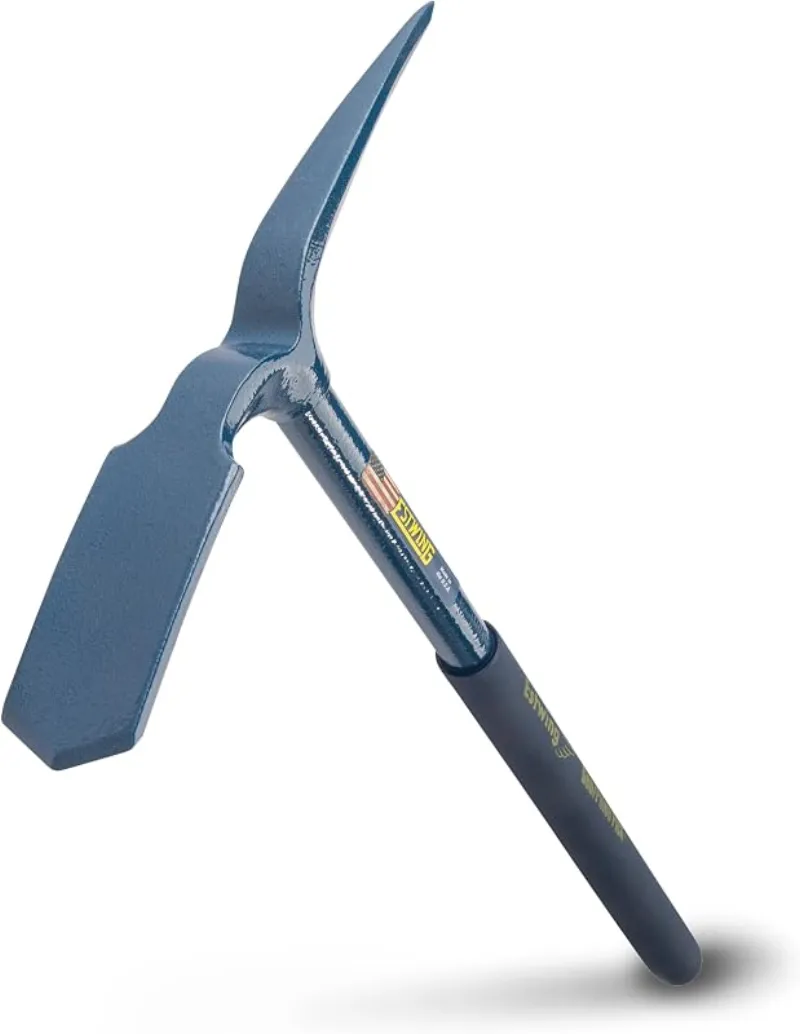
Estwing’s 25-inch GP100 geo/paleo pick is a long-handled geological tool for reaching into trenches, breaking overburden, and prying matrix — forged one-piece steel with a pointed pick and chisel end.

Features

  • 25-inch overall length for extra reach in digs
  • One-piece forged American steel construction
  • Pointed pick and chisel ends for prying and splitting
  • Vinyl cushion grip reduces shock on hard strikes

Pros and cons

ProsCons
Essential for paleontology and serious excavationToo long and heavy for casual hiking
Made in the USAOverkill for surface collecting only
Extremely durable

Activities and environments best for

  • Fossil digs
  • Paleo field schools
  • Deep matrix exposure

Overall

The professional’s choice when you need reach and leverage, not a pack hammer.

Customer reviews

4.8 out of 5

1,100 global ratings

5 star83%
4 star12%
3 star3%
2 star1%
1 star1%
Premium pick

Estwing Rock Pick E30 Leather Grip

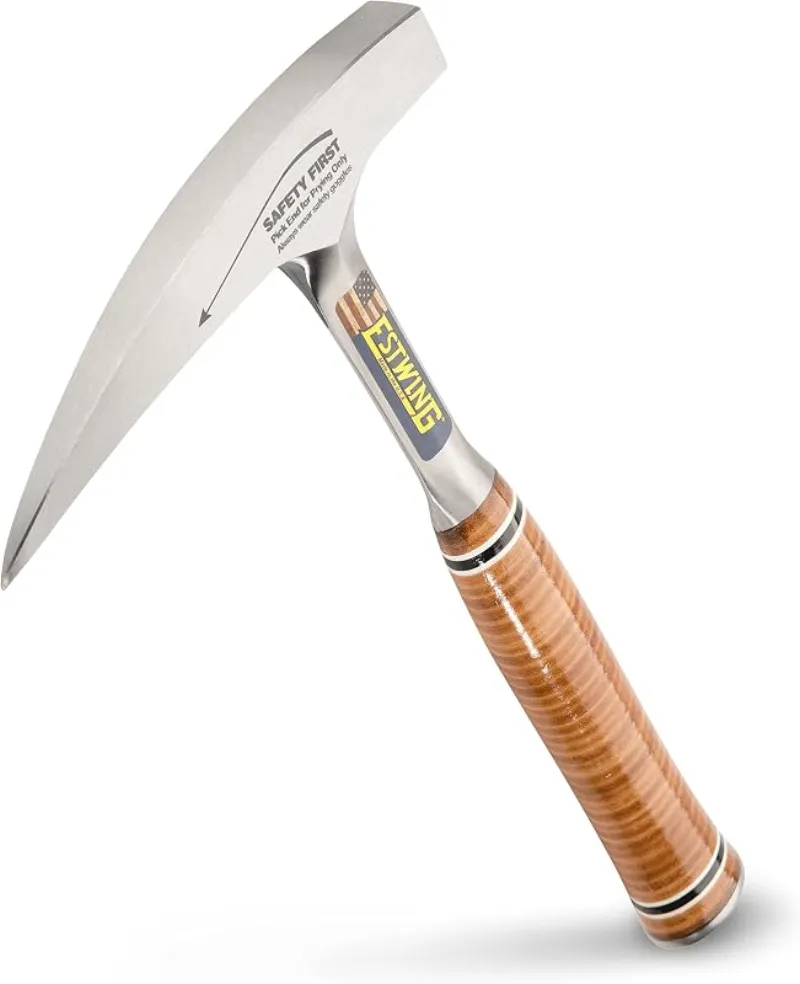
The Estwing E30 is the leather-handled sibling of the E3-22P — same 22 oz forged head with a pointed tip and square face, but wrapped in Estwing’s laminated leather grip for a classic look and feel.

Features

  • Laminated leather rings pressed and lacquered on the handle
  • Same 22 oz one-piece forged head as the vinyl E3-22P
  • Pointed tip for prying; smooth face for striking
  • Made in Rockford, Illinois

Pros and cons

ProsCons
Highest-rated Estwing pick on AmazonLeather can blend into ground if set down
Beautiful traditional gripNo shock-reduction grip like E3-22P
Same breaking power as E3-22P

Activities and environments best for

  • Serious hobbyists
  • Gift for geology graduates
  • Hard rock and crystal work

Overall

Choose E30 when you want Estwing durability with a leather grip you will keep for decades.

Customer reviews

4.9 out of 5

902 global ratings

5 star88%
4 star9%
3 star2%
2 star1%
1 star0%

Estwing GP-18 Gad Pry Bar

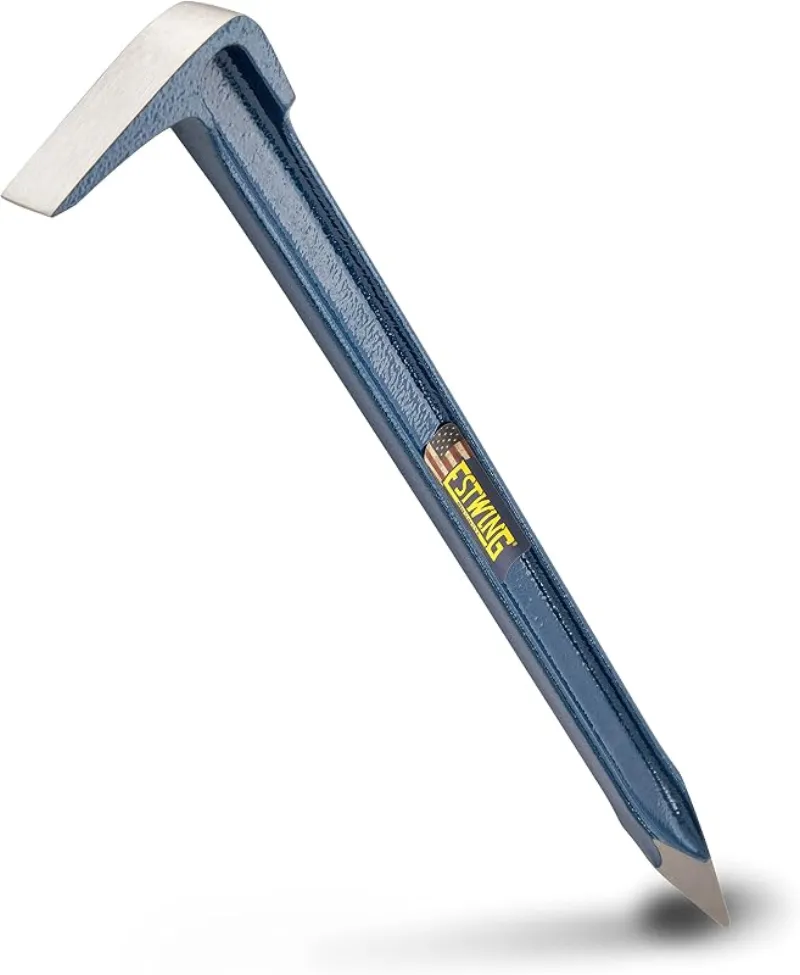
Estwing’s 18-inch gad pry bar combines a pointed tip with a wedge pry end — purpose-built for levering specimens out of tight exposures without the swing arc of a full pick.

Features

  • 18-inch forged steel I-beam construction
  • Pointed tip on one end, chiseled pry wedge on the other
  • Blue UV-resistant coating
  • Made in the USA

Pros and cons

ProsCons
Excellent for prying fossils and crystals from matrixNot a striking hammer — needs a separate pick for blows
Compact leverage toolLimited review count
Pairs well with any rock pick

Activities and environments best for

  • Tight crystal vugs
  • Fossil plates
  • Levering without shattering specimens

Overall

Add this to your kit when prying matters more than pounding.

Customer reviews

5.0 out of 5

1 global ratings

5 star100%
4 star0%
3 star0%
2 star0%
1 star0%
Budget pick

SE Rock Pick Hammer

SE’s rock pick is an affordable entry point for new collectors who want pick-and-chisel versatility without investing in a premium hammer right away.

Features

  • Pointed pick and flat chisel ends
  • Rubberized grip for basic shock absorption
  • Light enough for casual field trips

Pros and cons

ProsCons
Low costNot as durable as forged Estwing
Good starter toolHead can loosen over heavy use
Decent for soft to medium rock

Activities and environments best for

  • First field trips
  • Kids and teens
  • Occasional collecting

Overall

Fine for learning the ropes — upgrade once you are hooked.

Customer reviews

4.4 out of 5

5,600 global ratings

5 star68%
4 star18%
3 star9%
2 star3%
1 star2%

Rock Picks & Hammers FAQ

What is the best rockhounding hammer for beginners?

A 22 oz forged geological pick (pick point + flat face) covers most first trips. Pair it with wraparound safety glasses before you swing.

Rock pick or crack hammer — which do I need first?

Start with a geological pick. Add a 3–4 lb crack hammer later for geodes, thundereggs, or fee-dig matrix that needs blunt force plus a cold chisel.

What weight pick is best for rockhounding?

22 oz is the sweet spot for most collectors. Choose 14 oz for long hikes and alpine terrain; step up to a crack hammer for dedicated geode hunting.

Can I use a regular claw hammer for rockhounding?

No. Claw hammers can chip dangerously on hard rock. Geological picks and crack hammers are forged for repeated rock impact.

Do I need a sheath for my rock pick?

Yes for hiking — a belt holster or pack strap keeps the pick from punching through fabric or injuring you if you fall.