
Yellowstone River Sapphire Bars
Rockhounding site in Missoula, Montana · Gemstones
Yellowstone River Sapphire Bars is a sapphire rockhounding site near Missoula, MT. Fee required. Best season: May through September.
Typical season: May through September
About Yellowstone River Sapphire Bars
This listing needs a correction before anything else. The coordinates place it near Helena, and the Montana placer sapphire bars in that area are on the Missouri River, not the Yellowstone. Sapphires occur in terrace gravels along a 22-mile stretch of the Missouri northeast of Helena, and the named bars, Eldorado Bar, Spokane Bar, French Bar and others, are the ones collectors mean when they talk about digging Montana sapphires near the capital.
The deposit is alluvial. Sapphires eroded out of igneous source rock, travelled, and were concentrated by the river along with gold in the same terrace gravels. That co-occurrence is how they were found: gold miners working the bars in the 1860s kept screening out hard, heavy pebbles that turned out to be corundum.
Colours here run pale blue, green and steely grey, and heat treatment is commonly used to bring them up, as it is at Rock Creek. Montana's three sapphire areas are distinct deposits: the Missouri River bars, Rock Creek near Philipsburg, and Yogo Gulch in Judith Basin County, whose naturally cornflower blue stones are the most celebrated and whose ground is not open to public digging.
Key facts
Structured details for trip planning — verify access and fees with the land manager before you visit.
- Specimen type
- Sapphire
- Primary specimens
- Sapphire, Garnet, Gold, Corundum
- Fee status
- Fee required
- Nearest town
- Missoula
- State
- Montana
- Coordinates
- 46.58900, -111.92000
- Best season
- May through September. Spring runoff makes the river bars unworkable and winter closes the access roads
- Access difficulty
- Moderate. Screening and washing gravel is physical work, and river bar terrain is uneven. Fee operations remove the land-status problem
- Collecting hazards
- Access restrictions
- Camping
- Campgrounds operate around Canyon Ferry Lake and Hauser Lake, close to the sapphire bars
- Land manager
- Bureau of Land Management
- Activities
- Screening and washing terrace gravel for sapphires at fee operations along the Missouri River bars
- Facilities
- Facilities depend entirely on which operation you visit. Helena, a short drive west, has full services
- Last updated
- 2026-09-15
What to pack for Yellowstone River Sapphire Bars
Gear we compare for gemstones trips like this one — tools, safety, and the hike in.



Disclosure: Gear links may earn a commission as an Amazon Associate — at no extra cost to you. Learn more.
The experience
- Best time to visitMay through September. Spring runoff makes the river bars unworkable and winter closes the access roads
- AccessModerate. Screening and washing gravel is physical work, and river bar terrain is uneven. Fee operations remove the land-status problem
- FacilitiesFacilities depend entirely on which operation you visit. Helena, a short drive west, has full services
- Camping nearbyCampgrounds operate around Canyon Ferry Lake and Hauser Lake, close to the sapphire bars
Highlights & features
- Sapphires occur in terrace gravels along a 22-mile stretch of the Missouri River northeast of Helena
- Eldorado Bar and Spokane Bar are the best known of the named bars
- Sapphires were first noticed here in the 1860s by gold miners who kept screening out hard pebbles
- One of Montana's three major sapphire areas, alongside Rock Creek near Philipsburg and Yogo Gulch
- Several fee operations near Helena make the district accessible without solving land status yourself
- Missouri River sapphires occur with gold in the same terrace deposits, which is how they were discovered
- Colours run pale blue, green and steely grey, with heat treatment commonly used to improve them
- The deposits are alluvial: sapphires eroded from igneous source rock and were concentrated by the river
How to get there
The Missouri River sapphire bars lie northeast of Helena, Montana, reached from US Highway 12 and 287 and the county roads that run toward Hauser Lake and Canyon Ferry. Helena is on Interstate 15 and is the practical base, with fuel, food and lodging, roughly 15 to 30 minutes from the bars depending on which one you are heading for. Access roads to individual bars are gravel and vary in condition. Because the district mixes private, state and federal ground, the simplest approach for a visitor is to book at one of the fee operations that work the bars and follow their directions in. Attempting to find open ground on your own without a current land status map is how people end up trespassing on a claim.
The Missouri River sapphire bars lie northeast of Helena, Montana, reached from US Highway 12 and 287 and the county roads that run toward Hauser Lake and Canyon Ferry.
Helena is on Interstate 15 and is the practical base, with fuel, food and lodging, roughly 15 to 30 minutes from the bars depending on which one you are heading for. Access roads to individual bars are gravel and vary in condition.
Because the district mixes private, state and federal ground, the simplest approach for a visitor is to book at one of the fee operations that work the bars and follow their directions in. Attempting to find open ground on your own without a current land status map is how people end up trespassing on a claim.
Plan your visit
Plan around a fee operation unless you have specifically established that a parcel is open. That decision does most of the work of planning this trip.
Season is May through September. Spring runoff makes the bars unworkable and the river dangerous, and winter closes the gravel access roads.
Bring clothes you can soak, a change of clothes, waterproof boots, gloves, sun protection, water and a container for finds. Most fee operations provide screens and washing setups, but confirm when you book, and ask whether the gravel is from the bar itself.
Timing: May through September. Facilities: entirely dependent on the operation; full services in Helena.
Canyon Ferry and Hauser Lake campgrounds put you close to the bars. Combine the trip with other Montana collecting areas, including Gem Mountain near Philipsburg for the Rock Creek deposit, which is a genuinely different sapphire.
Things you need to take to Yellowstone River Sapphire Bars

DEWALT DPG82 Concealer Safety Glasses
Buy two pairs — one lives in your pack permanently.
Check price on Amazon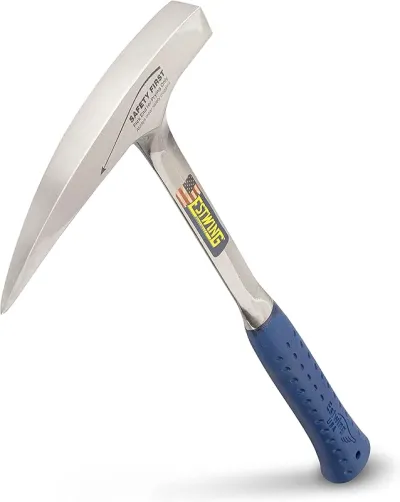
Estwing 22 oz Geological Pick
If you buy one hammer, make it this one.
Check price on Amazon
NoCry Professional Construction Knee Pads
Buy once — your knees will notice by lunch.
Check price on Amazon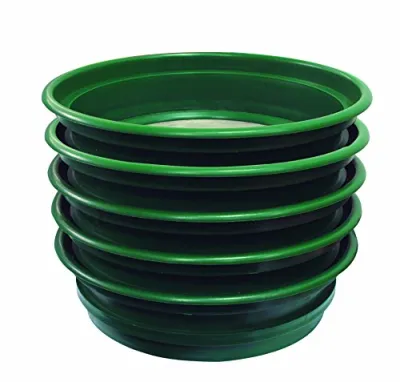
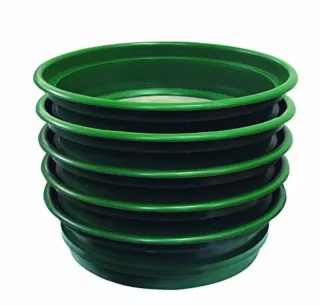
SE 5-Pack Stackable Classifier Set
If you buy one classifying kit, buy this set.
Check price on AmazonDisclosure: Gear links may earn a commission as an Amazon Associate — at no extra cost to you. Learn more.
Access & fees
Land status on the Missouri River bars is complicated and is the main practical obstacle. The 22-mile bar system crosses private property, state land and Bureau of Land Management ground, with historic and active mining claims layered on top, and boundaries are not obvious from the riverbank. The straightforward route is a fee operation. Several exist near Helena and sell gravel, bucket digging or screening access, which removes the land question entirely and usually provides equipment. Outside those, verify before you dig. Check Bureau of Land Management claim records, identify the landowner of any private parcel and get permission, and do not assume an unfenced gravel bar is public. Collecting on an active claim without permission is trespass and potentially theft of minerals. The river itself is a working fishery and recreation corridor. Disturbing the streambed can run into Montana water-quality and streambed-alteration rules, so keep any digging to dry terrace gravel above the waterline rather than in the river.
Land status on the Missouri River bars is complicated and is the main practical obstacle. The 22-mile bar system crosses private property, state land and Bureau of Land Management ground, with historic and active mining claims layered on top, and boundaries are not obvious from the riverbank.
The straightforward route is a fee operation. Several exist near Helena and sell gravel, bucket digging or screening access, which removes the land question entirely and usually provides equipment.
Outside those, verify before you dig. Check Bureau of Land Management claim records, identify the landowner of any private parcel and get permission, and do not assume an unfenced gravel bar is public. Collecting on an active claim without permission is trespass and potentially theft of minerals.
The river itself is a working fishery and recreation corridor. Disturbing the streambed can run into Montana water-quality and streambed-alteration rules, so keep any digging to dry terrace gravel above the waterline rather than in the river.
Frequently asked questions
Are Montana's sapphire bars on the Yellowstone or the Missouri River?
The Missouri. Sapphires occur in terrace gravels along a 22-mile stretch of the Missouri River northeast of Helena, including Eldorado Bar, Spokane Bar and French Bar. The Yellowstone River is a separate drainage in south-central and eastern Montana and is not the placer sapphire district.
Can you dig sapphires on the Missouri River bars yourself?
Only where you have established that the ground is open. The bar system crosses private, state and Bureau of Land Management land with historic and active claims, and boundaries are not obvious on the ground. Most visitors use one of the fee operations near Helena, which removes the land status problem and usually supplies equipment.
What do Missouri River sapphires look like?
Small, waterworn and pale, in blues, greens and steely greys, which is why heat treatment is commonly used to bring the colour up. They occur alongside gold in the same terrace gravels, which is exactly how they were discovered by placer miners in the 1860s who kept screening out hard, heavy pebbles.
When can you work the Missouri River sapphire bars?
May through September. Spring runoff makes the bars unworkable and the river genuinely dangerous, and winter closes the gravel access roads. Summer low water exposes the most terrace gravel and is when the fee operations run.
How do Missouri River sapphires compare with Yogo sapphires?
They are distinct deposits. Yogo sapphires from Judith Basin County are naturally cornflower blue and need no heat treatment, which makes them the most celebrated American sapphires; that ground is not open to public digging. Missouri River stones are pale alluvial sapphires that are usually heat treated, and they can be dug at fee operations.
Where are the sapphire mines near Helena, Montana?
On the Missouri River terrace gravels northeast of the city, along the 22-mile bar system that includes Eldorado Bar and Spokane Bar, reached on county roads toward Hauser Lake and Canyon Ferry. Several private fee operations work this ground and sell gravel or screening access, which is how most visitors dig there.
How were Montana sapphires discovered?
By accident, during the Montana gold rush. Placer miners working the Missouri River bars in the 1860s kept screening out hard, heavy coloured pebbles that fouled their gold recovery. Those pebbles were corundum. Sapphires occur with gold in the same terrace deposits, so the two were always going to be found together.
Do Montana sapphires need heat treatment?
Most do. Missouri River and Rock Creek sapphires generally come out of the gravel pale, and heat treatment brings up the colour. This is standard, disclosed practice in the Montana sapphire trade rather than a concealed treatment. Yogo sapphires are the exception: their cornflower blue is natural and requires no treatment.
What are Montana's three sapphire districts?
The Missouri River bars northeast of Helena, Rock Creek near Philipsburg in the west, and Yogo Gulch in Judith Basin County. The first two are alluvial or gravel deposits with public fee digging available. Yogo is a primary dike deposit, produces the finest colour, and is not open to public collecting.
Is there gold in the Missouri River sapphire gravels?
Yes, and it is the reason the sapphires were found. Sapphires occur with gold in the same terrace deposits along the Missouri above Helena, which is why nineteenth-century placer operations encountered them. Anyone screening sapphire gravel there should expect fine gold in the concentrate as well.
Which Montana sapphire location do collectors suggest for a first trip?
The comparison that comes up repeatedly is Rock Creek near Philipsburg against the Missouri River bars near Helena, and the answer usually turns on what you want from the day. Buying gravel at a Philipsburg operation is the simplest and most predictable introduction. The Missouri bars appeal to people who also want to pan gold, since both occur in the same terrace gravel, and to those staying near Helena. Nobody recommends trying to find open ground independently on either district without checking claim status first.
How do Spokane Bar and Eldorado Bar material compare?
Collectors who have worked both describe differences in size distribution and colour mix rather than a clear winner, and note that results vary far more between individual gravel loads than between the bars themselves. The broader point made in these discussions is that all Missouri River sapphire is alluvial and pale by nature, so comparisons between bars matter much less than the quality of the specific gravel you are screening and how carefully you sort the concentrate.
Explore related hubs
Report an access change
Field conditions change. If this site is closed, claimed, flooded, or the fee has changed, tell us — we update listings with community tips and desk verification.
Include the date you visited and any land-manager contact. Do not share private gate codes.
Map & location
Culture & history
Placer gold drew miners to the Missouri bars above Helena in the 1860s, and Last Chance Gulch, the gully that became the city's main street, was one of the richest strikes in the territory. Sapphires were a byproduct, at first an irritation in the sluice and later a resource in their own right. Commercial sapphire ventures worked the bars intermittently from the late nineteenth century, including British-backed operations that supplied industrial corundum. The fee digs that operate today sit on that same history, and Helena's identity as a gold-rush capital is inseparable from the gravel the sapphires come from.
Conservation
The Missouri here is a heavily used fishery and recreation river, and sediment from careless digging is a real problem. Keep work to dry terrace gravel above the waterline, do not dig in the streambed, and fill any hole you open. Respect land status absolutely, since claim jumping and trespass are what close bars to collectors. Keep vehicles on established access roads, pack out everything, and avoid disturbing riparian vegetation on the banks. If you are working with a fee operation, follow its direction on where to dig and where to dump tailings.
Sources & updates
Official land managers cited on this page
Always confirm current rules, closures, and fees on the agency site before visiting.
Spotted outdated access, fees, or safety info? Use Report an access change on this page or send a correction with the page URL — we review every submission.