Best field backpacks for rockhounding trips

Carry tools, water, and specimens on remote dig days

Rockhounding packs need tough fabric, tool loops, and enough volume for hammers, water, and wrapped specimens on long BLM hikes. We compared daypacks with tool carry, internal-frame packs for overnight trips, and modular hiking packs rockhounds actually use.

Field Backpacks comparison chart

ProductPriceCapacityFrameTool carryBest forBuy
Best overallTalon 22 BackpackOsprey$170 approx.22 LLight internalSide compression + loopsDay trips with toolsCheck price on Amazon
Best capacityRecon 30 BackpackThe North Face$100 approx.30 LFlexVentExternal bungeeLarger loadsCheck price on Amazon
Budget pickTETON Sports Oasis 18LTETON Sports$35 approx.18 LBasic paddedSide strapsCasual collectingCheck price on Amazon
Best durabilityRuck 25L Pack5.11 Tactical$120 approx.25 LRigid back panelMOLLE webbingRough terrainCheck price on Amazon

Product details

Best overall

Osprey Talon 22 Backpack
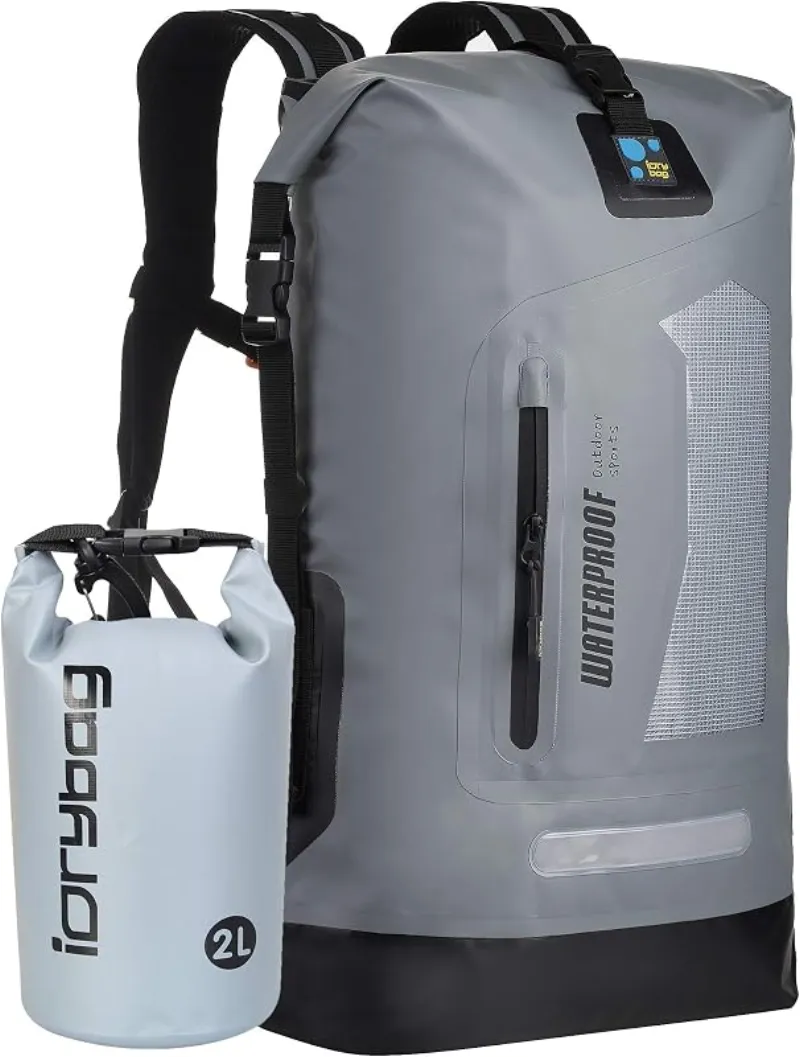
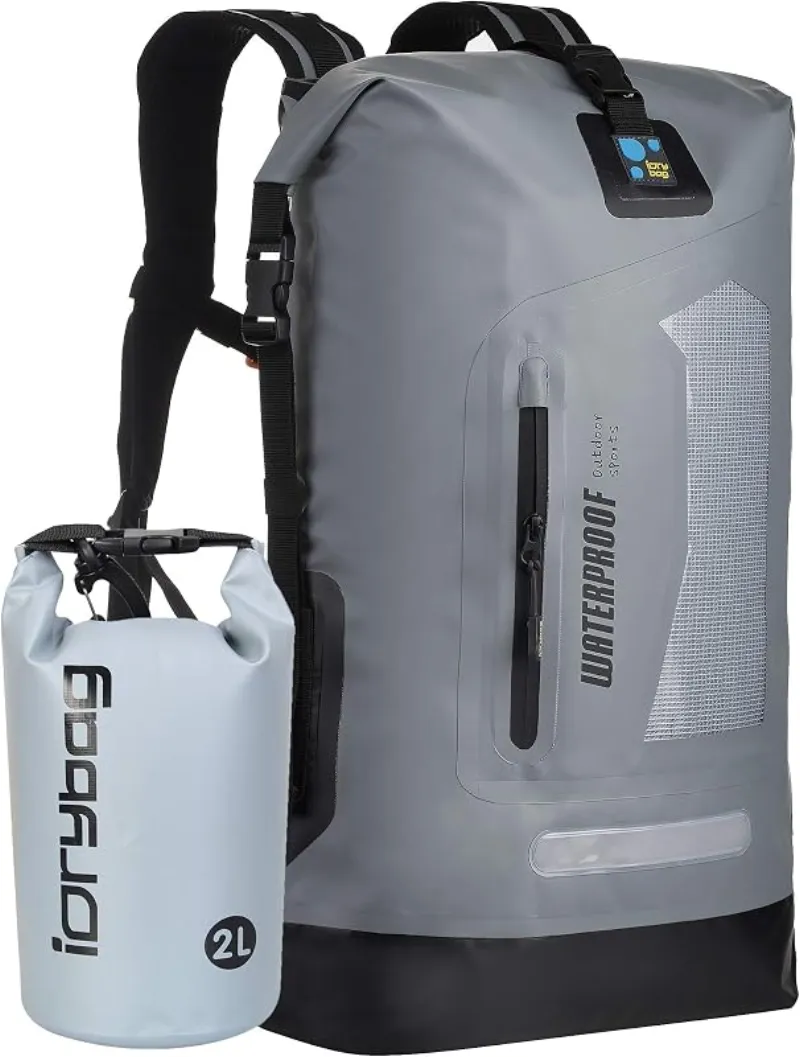
The Osprey Talon 22 is a gold-standard daypack — comfortable suspension, daisy chains for strapping a pick, and enough room for water, lunch, and wrapped finds.

Features

  • AirScape back panel ventilation
  • Dual ice axe / tool attachment loops
  • Stretch side pockets for bottles
  • Lid pocket for small essentials

Pros and cons

ProsCons
Excellent carry comfortPremium price
Durable construction22 L may be tight for big specimens
Tool attachment options

Activities and environments best for

  • BLM day hikes
  • Mountain localities
  • Serious day trips

Overall

The pack to save for if you collect more than a few times a year.
Customer reviews

4.7 out of 5

980 global ratings

5 star78%
4 star15%
3 star5%
2 star1%
1 star1%
Best capacity

The North Face Recon 30 Backpack

The Recon 30 adds volume for bigger wrapped specimens, extra water, and a full tool kit — without jumping to a multi-day pack.

Features

  • 30 L main compartment
  • FlexVent injection-molded shoulder straps
  • Front bungee for helmet or jacket
  • Multiple organizer pockets

Pros and cons

ProsCons
More room for specimensHeavier empty weight
Comfortable strapsTool carry less specialized than climbing packs
Good organization

Activities and environments best for

  • Full-day desert trips
  • Multiple tools
  • Group leaders

Overall

When 22 liters is not enough for your field kit.

Customer reviews

4.6 out of 5

2,100 global ratings

5 star74%
4 star18%
3 star6%
2 star1%
1 star1%
Budget pick

TETON Sports TETON Sports Oasis 18L

TETON’s Oasis hydration pack doubles as a light rockhounding daypack — enough room for a small hammer, water bladder, and basic supplies on easy-access sites.

Features

  • Included 2 L hydration bladder
  • Padded back and straps
  • Lightweight for short hikes
  • Reflective accents

Pros and cons

ProsCons
Very affordableLimited tool carry
Hydration includedLess durable than premium packs
Fine for easy sitesSmall for big finds

Activities and environments best for

  • Roadside localities
  • Beginners
  • Short hikes

Overall

Start here if you are not sure how often you will collect.

Customer reviews

4.5 out of 5

4,500 global ratings

5 star70%
4 star20%
3 star7%
2 star2%
1 star1%
Best durability

5.11 Tactical Ruck 25L Pack

5.11’s Ruck line uses tough 1050D nylon and MOLLE webbing — built for abuse on rocky terrain and repeated tool strapping.

Features

  • 1050D nylon construction
  • MOLLE-compatible exterior
  • Hydration compatible
  • Reinforced grab handle

Pros and cons

ProsCons
Extremely tough fabricHeavier than ultralight hiking packs
Modular attachment pointsTactical aesthetic
Structured load carry

Activities and environments best for

  • Desert washes
  • Repeated tool carry
  • Hard-use collectors

Overall

When your pack takes as much abuse as your hammer.

Customer reviews

4.6 out of 5

1,300 global ratings

5 star73%
4 star18%
3 star7%
2 star1%
1 star1%

Field Backpacks FAQ

What size backpack do I need for rockhounding?

18–22 L works for day trips with one hammer and modest finds. Choose 25–30 L if you carry multiple tools, extra water, and larger wrapped specimens.

How do I carry a rock pick on a backpack?

Use side compression straps, tool loops, or external lash points. Always sheath or wrap the pick head so it does not poke through fabric or injure you if you fall.

Do I need a separate pack for specimens?

Wrap specimens in newspaper or bubble wrap in the main compartment, or use a dedicated padded specimen bag inside your pack. Hard finds should not rattle against tools.