
Antelope Island
Rockhounding site in Utah, Utah · Gemstones
Antelope Island is a garnet rockhounding site near Utah, UT. Fee required. Best season: Spring and fall for hiking and wildlife with milder temperatures.
Typical season: Spring and fall for hiking and wildlife with milder temperatures
About Antelope Island
Antelope Island State Park sits in Great Salt Lake west of Syracuse and Layton in Davis County, Utah. Visitors cross a causeway to an island of Precambrian metamorphic rock, salt flats, beaches, and open range that supports a famous bison herd. The park is a premier wildlife, hiking, and photography destination, and it is emphatically not a rockhounding dig.
Geologically, the island exposes Farmington Canyon Complex gneiss and related rocks that can contain garnet and accessory metamorphic minerals. Older mineral lists therefore mention garnet, epidote, magnetite, and similar species. That geologic presence does not create collecting rights. Utah Administrative Code R651-620-2 protects everything in the park: removing minerals, rocks, plants, or cultural resources is prohibited.
Plan the trip for bison at roadside pullouts, Frary Peak views, Bridger Bay floating, and Fielding Garr Ranch history. Leave every stone where it is. Collectors looking for legal Utah material need Bureau of Land Management, national forest, or fee sites elsewhere in the state, not Antelope Island.
Key facts
Structured details for trip planning — verify access and fees with the land manager before you visit.
- Specimen type
- Garnet
- Primary specimens
- Garnet, Azurite, Biotite, Chlorite, Chrysocolla, Epidote, Limonite, Magnetite, Malachite, Quartz, Sulfur, Zoisite
- Fee status
- Fee required
- Nearest town
- Utah
- State
- Utah
- Coordinates
- 40.98315, -112.19767
- Best season
- Spring and fall for hiking and wildlife with milder temperatures. Summer is popular for Bridger Bay swimming but insects are heavier. Winter is quieter with cold wind off the lake
- Access difficulty
- Easy scenic driving and beach access. Frary Peak and longer trails are moderate to strenuous with exposure, heat, and limited shade
- Parking
- Roadside / pull-off
- Collecting hazards
- See safety tips
- Dogs allowed
- Yes
- Camping
- Bridger Bay, White Rock Bay, Ladyfinger, Lakeside group site, and Split Rock Bay backcountry sites. Reservations recommended at 1-800-322-3770. Dispersed camping is not allowed
- Land manager
- U.S. Forest Service
- Activities
- Wildlife viewing (bison, pronghorn, birds), hiking, biking, horseback trails, swimming at Bridger Bay, ranch museum visits, and photography. Rock and mineral collecting are prohibited
- Facilities
- Visitor center, Fielding Garr Ranch, Bridger Bay Beach with restrooms and showers, Island Buffalo Grill, campgrounds, picnic areas, and trailheads
- Last updated
- 2026-09-15
What to pack for Antelope Island
Gear we compare for gemstones trips like this one — tools, safety, and the hike in.



Disclosure: Gear links may earn a commission as an Amazon Associate — at no extra cost to you. Learn more.
The experience
- Best time to visitSpring and fall for hiking and wildlife with milder temperatures. Summer is popular for Bridger Bay swimming but insects are heavier. Winter is quieter with cold wind off the lake
- AccessEasy scenic driving and beach access. Frary Peak and longer trails are moderate to strenuous with exposure, heat, and limited shade
- FacilitiesVisitor center, Fielding Garr Ranch, Bridger Bay Beach with restrooms and showers, Island Buffalo Grill, campgrounds, picnic areas, and trailheads
- Camping nearbyBridger Bay, White Rock Bay, Ladyfinger, Lakeside group site, and Split Rock Bay backcountry sites. Reservations recommended at 1-800-322-3770. Dispersed camping is not allowed
Highlights & features
- Largest island in Great Salt Lake, reached by causeway from Syracuse in Davis County
- Utah State Park with bison herd, Frary Peak views, Bridger Bay Beach, and Fielding Garr Ranch
- Garnet and related minerals occur geologically in Farmington Canyon Complex gneiss, but removal is illegal
- Entrance fee is $15 per vehicle and includes the causeway charge
- Utah Admin Code R651-620-2 prohibits removing any natural or cultural resource from the park
- The island's backbone is Precambrian Farmington Canyon Complex gneiss and related metamorphic rock, among the oldest exposures visitors commonly see in northern Utah
- Great Salt Lake salinity and oolitic sand create a shoreline geology experience distinct from typical mountain collecting ground
- A free-ranging bison herd and other wildlife make the island a premier viewing destination rather than a dig site
How to get there
The park entrance is at 4528 West 1700 South, Syracuse, Utah, reached from Interstate 15 via local Davis County roads to the Antelope Island causeway. Layton and Syracuse are the usual service towns on the mainland side. Pay the entrance fee at the booth or online before arrival. The $15 vehicle fee includes the causeway charge. The park is open daily 6:00 am to 10:00 pm, with the visitor center typically 9:00 am to 5:00 pm. Facilities close on Thanksgiving and Christmas. Call the visitor center at 801-725-9263 for current conditions, insect reports, and trail status before a long drive from Salt Lake City or Ogden.
The park entrance is at 4528 West 1700 South, Syracuse, Utah, reached from Interstate 15 via local Davis County roads to the Antelope Island causeway. Layton and Syracuse are the usual service towns on the mainland side.
Pay the entrance fee at the booth or online before arrival. The $15 vehicle fee includes the causeway charge. The park is open daily 6:00 am to 10:00 pm, with the visitor center typically 9:00 am to 5:00 pm. Facilities close on Thanksgiving and Christmas.
Call the visitor center at 801-725-9263 for current conditions, insect reports, and trail status before a long drive from Salt Lake City or Ogden.
Plan your visit
Budget for the entrance fee and a full day of wildlife and trails rather than collecting. Start at the visitor center for maps, then choose Bridger Bay for beach time or Frary Peak for a strenuous ridge hike.
Bring binoculars, sun protection, sturdy shoes, and more drinking water than a short city walk would suggest on exposed summer trails. In spring, pack a head net for biting gnats.
Camping is available in designated campgrounds only; reserve through the state parks system when possible. Photography of wildlife and lake light is encouraged, but commercial shoots may need permits.
For legal mineral collecting in Utah, research BLM and national forest rules outside state park boundaries. See other Utah collecting areas where removal is actually allowed.
Things you need to take to Antelope Island

DEWALT DPG82 Concealer Safety Glasses
Buy two pairs — one lives in your pack permanently.
Check price on Amazon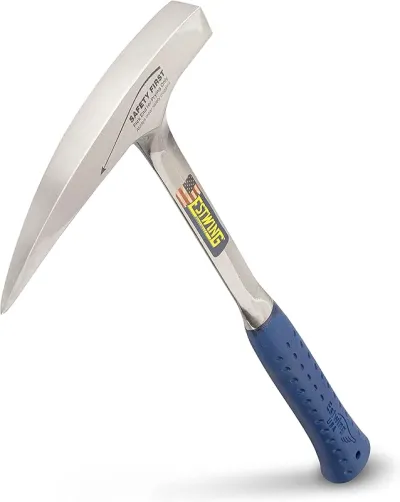
Estwing 22 oz Geological Pick
If you buy one hammer, make it this one.
Check price on Amazon
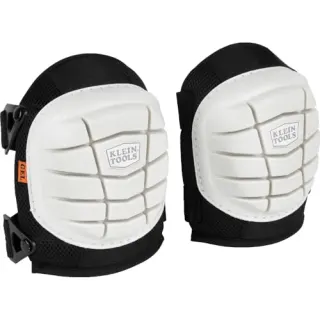
NoCry Professional Construction Knee Pads
Buy once — your knees will notice by lunch.
Check price on Amazon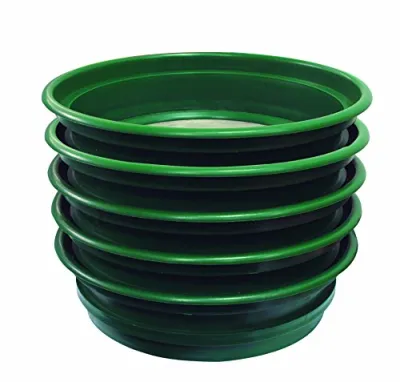
SE 5-Pack Stackable Classifier Set
If you buy one classifying kit, buy this set.
Check price on AmazonDisclosure: Gear links may earn a commission as an Amazon Associate — at no extra cost to you. Learn more.
Access & fees
Antelope Island is a Utah State Park. Under R651-620-2, removal of any natural or cultural resource is prohibited. That ban covers rocks, minerals (including garnet in place or as float), plants, artifacts, and similar materials. Metal detecting requires a separate permit. Drones are banned March through November and restricted by permit in winter. Off-highway vehicles are not allowed on park roads or trails. Entrance fees apply to day use. Camping is limited to designated sites. There is no hobby collecting program, no dump pile, and no exception for personal-use mineral samples. Treat the island as view-only geology.
Antelope Island is a Utah State Park. Under R651-620-2, removal of any natural or cultural resource is prohibited. That ban covers rocks, minerals (including garnet in place or as float), plants, artifacts, and similar materials.
Metal detecting requires a separate permit. Drones are banned March through November and restricted by permit in winter. Off-highway vehicles are not allowed on park roads or trails.
Entrance fees apply to day use. Camping is limited to designated sites. There is no hobby collecting program, no dump pile, and no exception for personal-use mineral samples. Treat the island as view-only geology.
Frequently asked questions
Can you collect garnet on Antelope Island?
No. Garnet may occur in the island's Precambrian metamorphic rocks, but Utah Admin Code R651-620-2 prohibits removing any natural resource from the state park. Garnet here is a geologic presence for viewing and education only, not a collecting opportunity.
How much does it cost to enter Antelope Island State Park?
The standard entrance fee is $15 per vehicle for up to eight people and includes the causeway fee. Seniors 65 and over pay $10 per vehicle, motorcycles pay $5, and bicycles or pedestrians pay $3 per person. An Antelope Island annual pass costs $65.
Where is Antelope Island State Park?
The park occupies the largest island in Great Salt Lake in Davis County, Utah. The entrance and causeway begin near Syracuse, with Layton as another nearby mainland city. The visitor address is 4528 West 1700 South, Syracuse, Utah 84075.
What is there to do if collecting is banned?
Visitors come for bison and bird watching, Frary Peak and other hiking trails, Bridger Bay Beach swimming in highly saline water, Fielding Garr Ranch history, camping, biking, and horseback riding on designated routes. The park is built around wildlife and scenery rather than rockhounding.
Why do mineral lists mention Antelope Island?
Because the Farmington Canyon Complex gneiss and related metamorphic rocks on the island can contain garnet and accessory minerals. Older occurrence lists recorded that geology without always stating that the modern state park bans removal. Presence in rock is not the same as permission to collect.
Can you camp on Antelope Island?
Yes, in designated campgrounds such as Bridger Bay, White Rock Bay, Ladyfinger, and limited backcountry sites at Split Rock Bay. Reservations are recommended through the state parks system at 1-800-322-3770. Dispersed camping outside designated sites is not allowed.
What phone number should visitors call?
Call the visitor center at 801-725-9263 for park information, conditions, and general questions. The entrance booth number is often listed as 801-773-2941. Campground reservations use 1-800-322-3770 through the Utah State Parks reservation system.
Are dogs allowed at Antelope Island?
Dogs are allowed in most outdoor areas if kept on a six-foot leash and under control, and owners must pick up waste. Pets are restricted from some buildings and beach rules can be specific, so confirm current pet regulations at the visitor center before you rely on beach access with a dog.
Is metal detecting allowed on Antelope Island?
Metal detecting is allowed only with a park permit under R651-620-6, and it is not a back door to mineral collecting. Removing rocks, minerals, or other natural resources remains prohibited even if you have detecting authorization for specific allowed purposes.
When is the best time to visit Antelope Island?
Spring and fall usually offer the best mix of hiking weather and wildlife viewing. Summer brings beach use at Bridger Bay but also heat and heavier insects, including biting gnats in spring. Winter is quieter and cold, with strong lake winds on exposed ridges.
Explore related hubs
Report an access change
Field conditions change. If this site is closed, claimed, flooded, or the fee has changed, tell us — we update listings with community tips and desk verification.
Include the date you visited and any land-manager contact. Do not share private gate codes.
Map & location
Culture & history
John C. Fremont named the island after pronghorn taken during an 1845 mapping expedition. Fielding Garr Ranch, dating to the mid-1800s, is among the oldest Anglo ranch operations in Utah and is open to visitors as a historic site within the park. The island later supported ranching and small mining interest, but its modern identity is conservation and recreation under Utah State Parks. The annual bison roundup each fall continues a management tradition that keeps the herd within the island's carrying capacity while letting the public watch working livestock practices on open range.
Conservation
Leaving rocks and minerals in place preserves both the letter of R651-620-2 and the scientific context of Farmington Canyon Complex exposures. Pocketing garnet from trail outcrops is still illegal collecting. Stay on trails where signed, pack out trash, and give wildlife wide berth. Report illegal collecting or wildlife harassment to park staff. Responsible visits keep Antelope Island focused on habitat, bison management, and public recreation rather than resource loss.
Sources & updates
Official land managers cited on this page
Always confirm current rules, closures, and fees on the agency site before visiting.
Spotted outdated access, fees, or safety info? Use Report an access change on this page or send a correction with the page URL — we review every submission.