Rockhounding safety requires safety glasses, sturdy boots, hydration, weather awareness, and avoiding abandoned mines—plus ethical collecting that respects land rules and minimizes surface damage.
Safety Glasses comparison chart
| Product | Price | Rating | Lens | Anti-fog | Best for | Buy |
|---|---|---|---|---|---|---|
| Best overallDPG82 Concealer Safety GlassesDEWALT | $12 approx. | ANSI Z87.1+ | Clear polycarbonate | Dual mold | All-day field work | Check price on Amazon |
| Best valueClear Safety Glasses 6-PackNoCry | $15 approx. | ANSI Z87.1 | Polycarbonate | Basic | Groups and spares | Check price on Amazon |
| Best over prescriptionOver-Glasses Safety GlassesNoCry | $14 approx. | ANSI Z87.1+ | Clear polycarbonate | Yes | Glasses wearers | Check price on Amazon |
| Best lightweightV30 Virtua Safety Glasses3M | $8 approx. | ANSI Z87.1+ | Polycarbonate | Optional coating | Minimal bulk | Check price on Amazon |
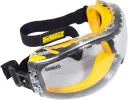

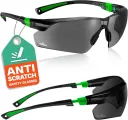
Rockhounding safety starts before you swing a hammer. Most field injuries come from predictable causes—flying rock chips, dehydration, falls on loose talus, and entering unsafe abandoned mines. A few basic habits protect you and keep collecting areas open for everyone.
Personal protective equipment
Every rockhound should carry and actually wear:
- Safety glasses or goggles — non-negotiable when hammering or chiseling
- Sturdy closed-toe boots with ankle support for uneven terrain
- Gloves to prevent cuts and abrasions from sharp rock
- Sun protection — hat, sunscreen, and lightweight long sleeves in desert sun
- First-aid kit with bandages, antiseptic, tweezers, and any personal medications
Add a hard hat when working below cliffs or overhangs. High-visibility clothing helps on roads with limited sight lines near popular dig areas.
Desert and remote site hazards
Many premier collecting areas sit in harsh environments. Dugway Geode Beds in Utah’s west desert has no water, fuel, or cell service. Summer temperatures exceed 100°F; winter storms can strand vehicles on muddy roads.
For desert trips:
- Carry more water than you think you need—at least one gallon per person per half day
- Tell someone your route and expected return time
- Download offline maps; do not rely on cell coverage
- Start early and quit before midday heat
- Bring a shovel, traction aids, and emergency blanket if roads are rough
Remote BLM sites reward preparation. Check our Utah listings for access notes before heading out.
Mountain and alpine collecting
High-elevation sites like Mount Antero in Colorado add altitude, lightning, and sudden weather changes. Afternoon thunderstorms are common in summer; start early and descend before storms build.
Watch for unstable scree slopes, hypothermia at elevation, and narrow shelf roads. Four-wheel drive and high clearance are often necessary—not optional—for Colorado’s pegmatite localities listed in our gemstone type guide.
Abandoned mines and excavations
Never enter abandoned mine tunnels, shafts, or adits. Collapsing ceilings, lack of oxygen, and hidden vertical drops kill casual explorers every year. Collect at surface exposures only. Report open shafts to the managing land agency if they pose a public hazard.
Open-pit fee digs and BLM surface collecting are different—they are managed for visitor access. Still watch for unmarked holes, unstable berms, and heavy equipment on active claims.
Wildlife and environmental awareness
Desert sites may harbor rattlesnakes, scorpions, and biting insects. Check boots and gloves before putting them on. In bear country, use standard wildlife safety practices for food storage and noise.
Arizona collecting areas like the Four Peaks amethyst region involve rugged backcountry travel—carry extra supplies and avoid traveling alone on unfamiliar roads.
Ethical collecting keeps sites open
Safety and ethics overlap. Land managers close sites when visitors over-dig, leave trash, trespass on claims, or damage cultural resources. Follow these principles:
- Take only what rules allow for personal use
- Fill test holes and do not undercut banks
- Stay on established roads and respect closed gates
- Do not collect in National Parks or protected archaeological sites
- Avoid geotagging fragile locations on social media
Browse our directory for each site’s access notes and conservation guidance. For geode splitting safety, see geodes near me and rock hammers guide. Sustainable collecting today means the next generation can still find specimens tomorrow.
Spots from our directory
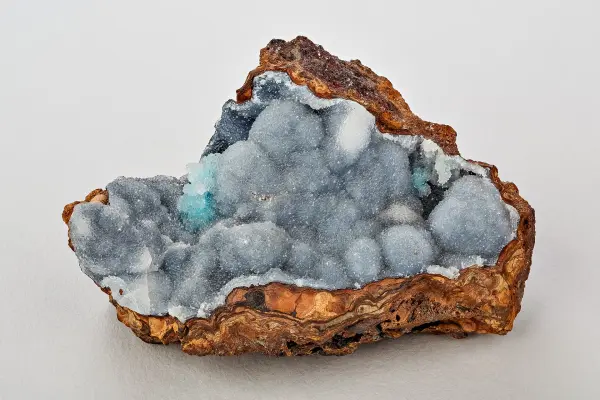
Dugway Geode Beds
Public BLM geode locality in western Juab County, Utah, where Miocene rhyolite cavities were eroded by ancient Lake Bonneville and redeposited as quartz-lined geodes in soft lakebed sediment along the Pony Express Road.
View details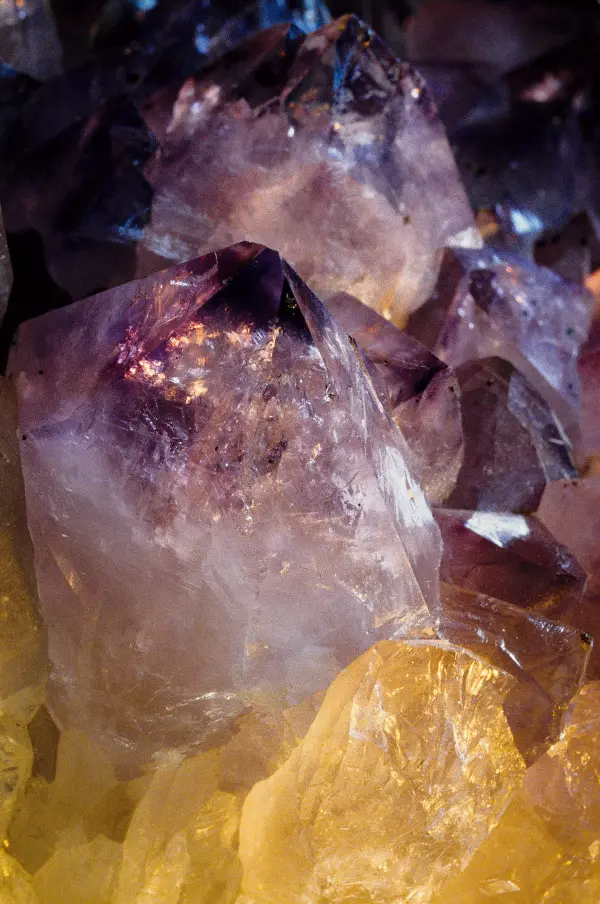
Mount Antero
Mount Antero and Mount White in the Sawatch Range are legendary for aquamarine beryl crystals in granite pegmatites above 12,000 feet.
View detailsFour Peaks Amethyst Mine Area
The rugged Four Peaks range east of Phoenix hosts Arizona's famed deep-purple amethyst veins in remote cliff faces above the Salt River.
View detailsFrequently asked questions
What safety gear do I need for rockhounding?
At minimum, wear safety glasses, sturdy closed-toe boots, gloves, and sun protection. Add a hard hat near cliffs, a first-aid kit, and plenty of water for remote or desert sites.
Is rockhounding dangerous?
Most trips are safe when you prepare for terrain, weather, and tool use. Risks include flying rock chips, dehydration, unstable slopes, abandoned mines, and wildlife encounters.
Can I enter abandoned mines while rockhounding?
No. Never enter abandoned mine tunnels or shafts. Collapse, bad air, and hidden drops kill visitors every year. Collect at surface exposures only.
What are the ethics of rockhounding?
Collect modestly, fill holes, obey posted rules, respect private property and Indigenous cultural sites, and avoid sharing fragile locations in ways that cause over-collection.
How much water should I bring to desert collecting sites?
Plan at least one gallon per person per half day in hot desert terrain, plus extra for emergencies. Sites like Dugway Geode Beds have no services for miles.