
Blackbird Creek Garnet Area
Rockhounding site in Salmon, Idaho · Gemstones
Blackbird Creek Garnet Area is a garnet rockhounding site near Salmon, ID. Fee varies. Best season: Not recommended as a collecting destination.
Typical season: Not recommended as a collecting destination
About Blackbird Creek Garnet Area
Blackbird Creek is often listed in rockhounding compilations as a garnet area, and the underlying geology is real: the Salmon River Mountains of Lemhi County contain garnet-bearing mica schist, and almandine does weather out of these metamorphic rocks. But the specific corridor named here needs to be described accurately, because the headline fact is not the garnets.
Blackbird Creek drains the Blackbird Mine, a large inactive cobalt and copper mine roughly 21 miles east of Salmon. Mining for gold started here in 1893 and shifted to cobalt and copper, and the site now covers about 830 acres of private ground. It is listed on the EPA National Priorities List, the federal Superfund register, because acid mine drainage carried metals into Blackbird Creek and Big Deer Creek and damaged chinook salmon and steelhead habitat in the Panther Creek system downstream.
That makes this a place to understand rather than a place to dig. The mine property is private and part of an active cleanup, the creek sediments are contaminated, and collecting here is neither legal nor safe. Collectors looking for Idaho garnet should go to the Emerald Creek Garnet Area in the Panhandle, which is the state's managed public star garnet dig.
Key facts
Structured details for trip planning — verify access and fees with the land manager before you visit.
- Specimen type
- Garnet
- Primary specimens
- Almandine Garnet, Biotite Schist, Quartz
- Fee status
- Fee varies
- Nearest town
- Salmon
- State
- Idaho
- Coordinates
- 45.12000, -114.08000
- Best season
- Not recommended as a collecting destination. If you are travelling the Panther Creek road corridor, July through September is the reliable window
- Access difficulty
- Remote and hazardous. Long unpaved forest roads, active cleanup infrastructure, and contaminated water and sediment along Blackbird and Big Deer creeks
- Collecting hazards
- Access restrictions
- Camping
- Dispersed and developed camping exists on the surrounding Salmon-Challis National Forest, but not within the mine site or its drainages
- Land manager
- U.S. Forest Service
- Activities
- Scenic driving and general forest recreation on the surrounding Salmon-Challis National Forest. Mineral collecting at the mine site is not permitted
- Facilities
- None. Salmon, roughly 21 miles west, is the nearest source of fuel, food and services
- Last updated
- 2026-09-15
What to pack for Blackbird Creek Garnet Area
Gear we compare for gemstones trips like this one — tools, safety, and the hike in.


Disclosure: Gear links may earn a commission as an Amazon Associate — at no extra cost to you. Learn more.
The experience
- Best time to visitNot recommended as a collecting destination. If you are travelling the Panther Creek road corridor, July through September is the reliable window
- AccessRemote and hazardous. Long unpaved forest roads, active cleanup infrastructure, and contaminated water and sediment along Blackbird and Big Deer creeks
- FacilitiesNone. Salmon, roughly 21 miles west, is the nearest source of fuel, food and services
- Camping nearbyDispersed and developed camping exists on the surrounding Salmon-Challis National Forest, but not within the mine site or its drainages
Highlights & features
- Blackbird Mine is one of the most significant cobalt deposits in the United States
- Listed on the EPA National Priorities List as a Superfund cleanup site
- Garnet-bearing metamorphic rock does occur more broadly in the Salmon River Mountains
- Surrounding public land is administered by the Salmon-Challis National Forest
- Emerald Creek, roughly 250 miles northwest, is Idaho's legitimate public garnet dig
- Mining at Blackbird began with gold in 1893 and later focused on cobalt and copper
- The mine sits on the surface water divide between Big Deer Creek and Blackbird Creek, both Panther Creek tributaries
- Acid mine drainage from the site damaged chinook salmon and steelhead habitat downstream, which is why cleanup has run for decades
How to get there
Blackbird Mine lies about 21 miles east of Salmon, Idaho, in Lemhi County, reached from US Highway 93 by the Panther Creek road system through the Salmon-Challis National Forest. These are long, remote, unpaved forest roads, often single lane with limited turnouts and no cell service. High clearance is advisable and recovery gear is sensible. Winter and shoulder-season snow closes much of the network. The mine site itself is private and gated, with cleanup infrastructure on the property. There is no public access to the workings, and the roads that serve it are not a route to a collecting area. Contact the Salmon-Challis National Forest at 208-756-5100 for current road status if you are travelling the wider Panther Creek drainage for general recreation.
Blackbird Mine lies about 21 miles east of Salmon, Idaho, in Lemhi County, reached from US Highway 93 by the Panther Creek road system through the Salmon-Challis National Forest.
These are long, remote, unpaved forest roads, often single lane with limited turnouts and no cell service. High clearance is advisable and recovery gear is sensible. Winter and shoulder-season snow closes much of the network.
The mine site itself is private and gated, with cleanup infrastructure on the property. There is no public access to the workings, and the roads that serve it are not a route to a collecting area. Contact the Salmon-Challis National Forest at 208-756-5100 for current road status if you are travelling the wider Panther Creek drainage for general recreation.
Plan your visit
If your goal is Idaho garnet, plan a different trip. The Emerald Creek Garnet Area near Clarkia is the only public star garnet dig in the world, it is managed by the Forest Service, and tickets are booked through Recreation.gov.
If you are travelling the Salmon River country for other reasons, July through September is the reliable window for the high forest roads. Salmon is the practical base, with fuel, food, lodging and the Salmon-Challis National Forest office.
Timing: July through September for road access. Facilities: none in the drainage.
Treat the Blackbird corridor as scenery and history rather than as a collecting stop, and confirm any collecting plans elsewhere in the district against current claim status and forest rules before you go.
Things you need to take to Blackbird Creek Garnet Area

DEWALT DPG82 Concealer Safety Glasses
Buy two pairs — one lives in your pack permanently.
Check price on Amazon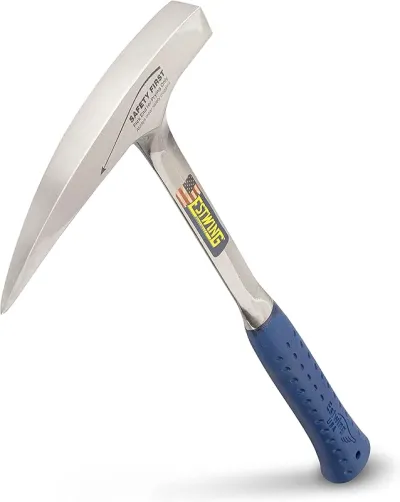
Estwing 22 oz Geological Pick
If you buy one hammer, make it this one.
Check price on Amazon
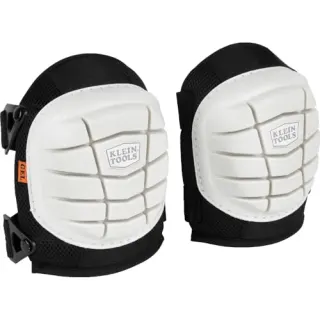
NoCry Professional Construction Knee Pads
Buy once — your knees will notice by lunch.
Check price on Amazon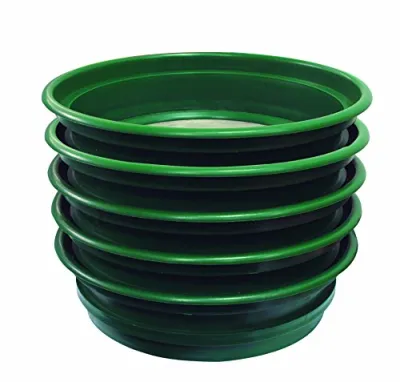
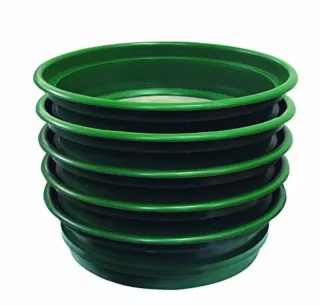
SE 5-Pack Stackable Classifier Set
If you buy one classifying kit, buy this set.
Check price on AmazonDisclosure: Gear links may earn a commission as an Amazon Associate — at no extra cost to you. Learn more.
Access & fees
This is the section that matters most here. The Blackbird Mine site is private land, roughly 830 acres, and is an EPA National Priorities List Superfund site with an ongoing cleanup managed with the responsible parties. Entering the property is trespassing. Collecting rock, sediment or water from Blackbird Creek or Big Deer Creek is not appropriate regardless of land status, because mine drainage has carried cobalt, copper and other metals into those drainages and remediation work is ongoing. Surrounding land is Salmon-Challis National Forest, where casual mineral collecting for personal use is generally allowed, but active and historic mining claims are common throughout the Lemhi County districts and claim boundaries are not always obvious on the ground. Check claim status and current forest rules with the Salmon-Challis National Forest at 208-756-5100 before collecting anywhere in this area.
This is the section that matters most here. The Blackbird Mine site is private land, roughly 830 acres, and is an EPA National Priorities List Superfund site with an ongoing cleanup managed with the responsible parties. Entering the property is trespassing.
Collecting rock, sediment or water from Blackbird Creek or Big Deer Creek is not appropriate regardless of land status, because mine drainage has carried cobalt, copper and other metals into those drainages and remediation work is ongoing.
Surrounding land is Salmon-Challis National Forest, where casual mineral collecting for personal use is generally allowed, but active and historic mining claims are common throughout the Lemhi County districts and claim boundaries are not always obvious on the ground. Check claim status and current forest rules with the Salmon-Challis National Forest at 208-756-5100 before collecting anywhere in this area.
Frequently asked questions
Can you collect garnets at Blackbird Creek in Idaho?
No. Blackbird Creek drains the Blackbird Mine, an inactive cobalt and copper mine on the EPA National Priorities List. The mine site is roughly 830 acres of private land within an active Superfund cleanup, and creek sediments are contaminated by historic mine drainage. It is not a recreational collecting destination.
Where can you legally collect garnets in Idaho?
The Emerald Creek Garnet Area near Clarkia, managed by the St. Joe Ranger District of the Idaho Panhandle National Forests. It is the only public star garnet dig in the world, tickets are booked through Recreation.gov, and the limit is 2 pounds per person with one permit per individual per year.
Why is Blackbird Mine a Superfund site?
Uncontrolled acid mine drainage from the workings carried metals including cobalt and copper into Blackbird Creek and Big Deer Creek, tributaries of Panther Creek, damaging chinook salmon, steelhead and resident fish habitat. That led to federal listing on the National Priorities List and a long-running cleanup.
Is the area around Blackbird Creek open to the public?
The mine property itself is private and gated. Surrounding land is Salmon-Challis National Forest, where general recreation is allowed and casual mineral collecting for personal use is generally permitted, but active and historic claims are widespread. Verify claim status and forest rules at 208-756-5100 before collecting.
How remote is the Blackbird area?
Very. The site is about 21 miles east of Salmon via the Panther Creek road system, on long unpaved forest roads that are often single lane with no cell service and are snow-closed outside roughly July through September. Carry extra fuel, water and recovery gear if you travel the drainage.
What is the EPA National Priorities List?
The federal register of the most contaminated hazardous waste sites in the United States, commonly called Superfund. Listing triggers federal oversight of investigation and cleanup. Blackbird Mine is on it because acid mine drainage carried metals into Blackbird and Big Deer creeks and damaged salmon and steelhead habitat downstream.
Is it safe to be near a Superfund mine site?
Travelling public roads in the wider area is normal, but the mine property itself is private, gated and part of an active cleanup, and creek sediments in the affected drainages carry mine-derived metals. Do not collect rock, sediment or water there, and do not enter workings, which are unstable as well as contaminated.
Where is Blackbird Mine?
In Lemhi County, Idaho, about 21 miles east of Salmon, on a surface water divide between Big Deer Creek and Blackbird Creek, both tributaries of Panther Creek. The mine site covers roughly 830 acres of private land reached by remote forest roads through the Salmon-Challis National Forest.
Why was Blackbird Mine important?
It was one of the most significant cobalt resources in the United States. Mining began with gold in 1893 and shifted to cobalt and copper through the twentieth century. Cobalt's strategic importance kept interest in the deposit alive long after the environmental problems became apparent.
Can you collect garnets elsewhere near Salmon, Idaho?
Casual mineral collecting for personal use is generally allowed on Salmon-Challis National Forest land, but active and historic mining claims are widespread throughout the Lemhi County districts and boundaries are often unmarked. Verify claim status with the forest at 208-756-5100 before collecting anywhere in the area.
Why does this site keep appearing in rockhounding lists?
Collectors who notice the discrepancy point to how site lists get built: a mineral occurrence record showing garnet in the Salmon River Mountains gets copied into guide after guide without anyone checking what else is at that coordinate. The result is that a Superfund cleanup area with contaminated creek sediments circulates as a collecting destination. The general advice people draw from cases like this is to check EPA and land-status records, not just mineral databases, before driving to a remote coordinate.
What should collectors do about contaminated historic mine sites generally?
The consistent position is to stay out and stay off. People note that mine waste can carry arsenic, lead, cobalt and copper in forms that are not obvious by eye, that dust and sediment are the main exposure routes, and that many such sites are also legally closed. The recommendation is to treat any site with visible acid drainage, coloured seeps or remediation infrastructure as off limits regardless of what minerals are reported from it.
Explore related hubs
Report an access change
Field conditions change. If this site is closed, claimed, flooded, or the fee has changed, tell us — we update listings with community tips and desk verification.
Include the date you visited and any land-manager contact. Do not share private gate codes.
Map & location
Culture & history
Prospectors found gold in this part of Lemhi County in 1893, and the Blackbird district went on to become one of the most significant cobalt resources in the United States, worked intermittently through the twentieth century for cobalt and copper. The environmental legacy is equally part of the history. Uncontrolled drainage from the workings affected chinook salmon, steelhead and resident fish in Panther Creek, prompting federal listing and a long remediation effort involving the EPA, the State of Idaho and the mine's corporate successors. The district is now better known as a case study in mine cleanup than as a producer.
Conservation
Blackbird is an object lesson in why collecting ethics and land status matter. Decades of drainage from these workings degraded salmon and steelhead habitat in Panther Creek, and public money and corporate liability have gone into reversing it. Stay out of the remediation area entirely, do not disturb sediment in Blackbird or Big Deer creeks, and do not remove material from contaminated ground. Elsewhere in the Salmon-Challis National Forest, keep collecting to hand tools and personal quantities, verify claim status before you dig, and leave streambanks intact in a watershed where fish recovery is still the priority.
Sources & updates
Official land managers cited on this page
Always confirm current rules, closures, and fees on the agency site before visiting.
Spotted outdated access, fees, or safety info? Use Report an access change on this page or send a correction with the page URL — we review every submission.