Brown County State Park
Rockhounding site in Indiana, Indiana · Geodes
Brown County State Park is a geode rockhounding site near Indiana, IN. Fee required. Best season: October for fall color on the park's scenic drives.
Typical season: October for fall color on the park's scenic drives
About Brown County State Park
Brown County State Park covers nearly 16,000 acres of steep forested hills near Nashville, Indiana, in the heart of a region nicknamed the Little Smokies. Indiana's largest state park draws visitors for fall color, scenic drives, Abe Martin Lodge, and more than twenty miles of hiking trails through fog shrouded ravines that glaciers never reached.
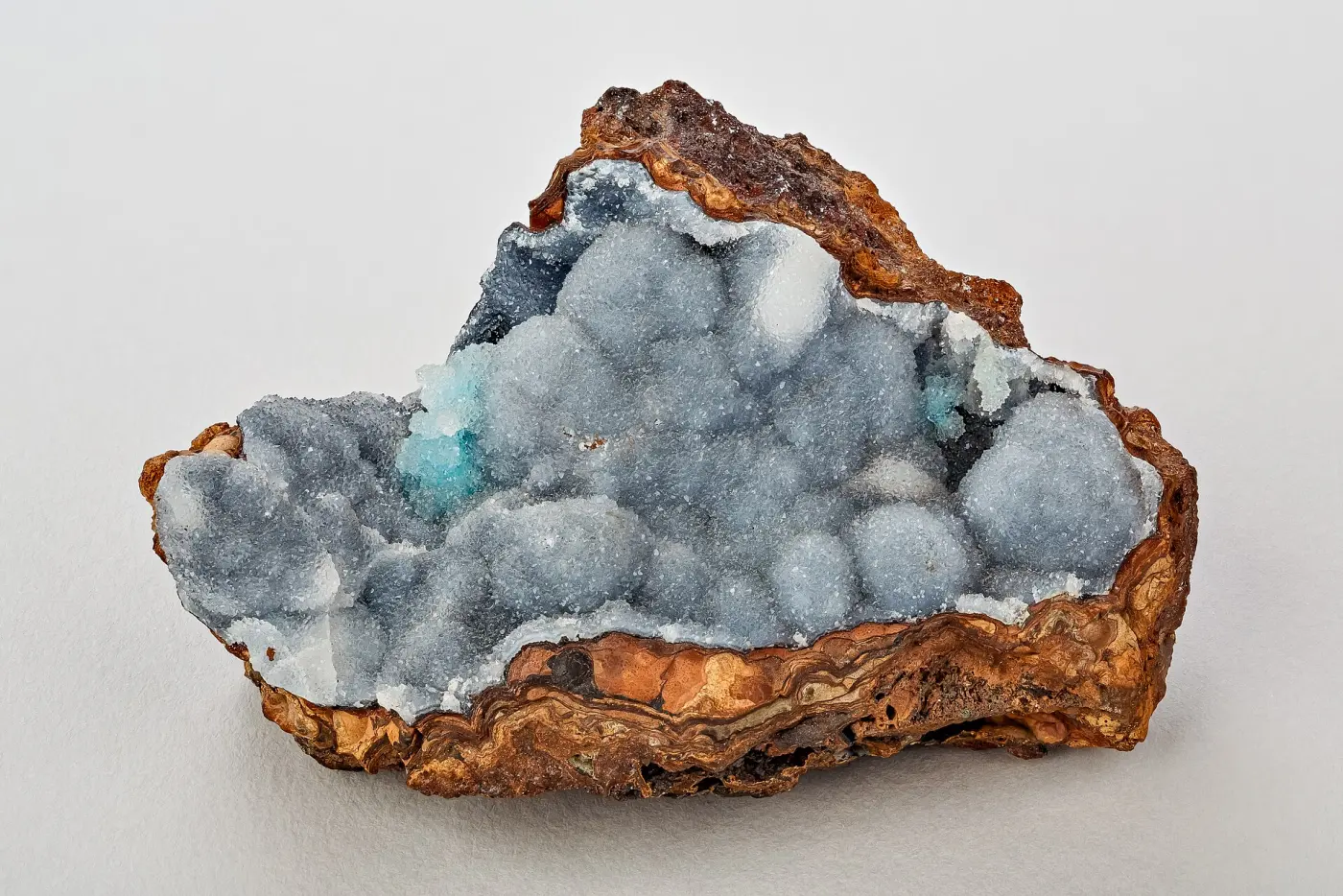
Southern Indiana sits on a Mississippian limestone belt that produces the state's famous geodes. The Indiana Geological Survey documents geodes in Harrodsburg Limestone and Ramp Creek Formation exposures across Brown, Monroe, Morgan, Lawrence, and Washington counties. Geodes weather from dolostone and limestone, concentrate in stream gravels, and line cavity walls with quartz, calcite, and occasionally barite or other minerals. Brown County is part of that belt, and Bear Creek northwest of Nashville is a well known regional geode locality on private and forest land outside the park.
Indiana DNR administrative rules prohibit damaging, interfering with, or removing rocks, minerals, fossils, artifacts, or other natural features on any DNR property unless specifically authorized. Brown County State Park is not an exception. You may hike past limestone and dolostone in trail cuts and study geode geology in the nature center, but you may not collect specimens inside the park gates.
Key facts
Structured details for trip planning — verify access and fees with the land manager before you visit.
- Specimen type
- Geode
- Primary specimens
- Geodes, marcasite, aragonite, Quartz
- Fee status
- Fee required
- Nearest town
- Indiana
- State
- Indiana
- Coordinates
- 39.17797, -86.26978
- Best season
- October for fall color on the park's scenic drives. Spring wildflowers along ravine trails. Summer pool at Abe Martin Lodge
- Access difficulty
- Easy to rugged depending on trail. Most visitors drive between vistas and hike selected loops
- Collecting hazards
- Access restrictions
- Camping
- More than 500 electric and non electric campsites plus a large horsemen's campground with 70 miles of bridle trails. Reserve through camp.IN.gov
- Land manager
- U.S. Forest Service
- Activities
- Hiking, mountain biking, horseback riding, fishing, scenic driving, and interpretive programs. Mineral collecting is not allowed in the park
- Facilities
- Abe Martin Lodge with motel rooms, cabins, restaurant, and indoor water park. Nature center, campgrounds, saddle barn, picnic shelters, fire tower
- Last updated
- 2026-09-15
What to pack for Brown County State Park
Gear we compare for geodes trips like this one — tools, safety, and the hike in.



Disclosure: Gear links may earn a commission as an Amazon Associate — at no extra cost to you. Learn more.
The experience
- Best time to visitOctober for fall color on the park's scenic drives. Spring wildflowers along ravine trails. Summer pool at Abe Martin Lodge
- AccessEasy to rugged depending on trail. Most visitors drive between vistas and hike selected loops
- FacilitiesAbe Martin Lodge with motel rooms, cabins, restaurant, and indoor water park. Nature center, campgrounds, saddle barn, picnic shelters, fire tower
- Camping nearbyMore than 500 electric and non electric campsites plus a large horsemen's campground with 70 miles of bridle trails. Reserve through camp.IN.gov
Highlights & features
- Indiana's largest state park at nearly 16,000 acres of rugged forested hills
- Nicknamed the Little Smokies for fog filled ravines reminiscent of the Great Smoky Mountains
- A 90 foot historic fire tower with panoramic views over unbroken forest
- Sits in southern Indiana's geode belt, though collecting is prohibited on park land
- Nashville, Indiana arts town and Brown County shops are minutes from the gates
- Glacial meltwater helped carve the narrow ridges and steep slopes the park protects
- Ogle Hollow Nature Preserve shelters rare yellowwood trees inside the park boundary
- Geodes in this region form in Mississippian Harrodsburg Limestone and Ramp Creek Formation dolostone
How to get there
Brown County State Park has multiple entrances. RVs and vehicles towing trailers must use the west gate at 1405 State Road 46 West, two miles west of Nashville, Indiana. GPS coordinates for the west gate are 39.17648, -86.26579. The north gate at 1801 State Road 46 East passes through a historic covered bridge with a 9 foot height clearance and 3 ton weight limit. Oversized rigs cannot use it. The horsemen's campground entrance is on State Road 135 south of State Road 46. Nashville, Indiana provides restaurants, galleries, and lodging. Bloomington is about 35 minutes northwest. Columbus and Indianapolis are within a reasonable day trip. Call 812-988-6406 if GPS sends you to the wrong gate.
Brown County State Park has multiple entrances. RVs and vehicles towing trailers must use the west gate at 1405 State Road 46 West, two miles west of Nashville, Indiana. GPS coordinates for the west gate are 39.17648, -86.26579.
The north gate at 1801 State Road 46 East passes through a historic covered bridge with a 9 foot height clearance and 3 ton weight limit. Oversized rigs cannot use it. The horsemen's campground entrance is on State Road 135 south of State Road 46.
Nashville, Indiana provides restaurants, galleries, and lodging. Bloomington is about 35 minutes northwest. Columbus and Indianapolis are within a reasonable day trip. Call 812-988-6406 if GPS sends you to the wrong gate.
Plan your visit
Come for fall color, trails, and the nature center, not for geode digging inside the park. Pay the gate fee at entry: $7 for Indiana plated vehicles, $15 for out of state plates.
Climb the 90 foot fire tower for the classic Brown County vista. Walk the CCC Trail for stonework bridges and retaining walls. Visit the nature center to see a state endangered timber rattlesnake on exhibit and learn about local geology.
If geodes are your goal, research creek access on Hoosier National Forest land or private property with landowner permission in Monroe and Brown counties. Greenhorn Creek and Beanblossom are nearby listings on this site. Always confirm land ownership and agency rules before collecting outside the park.
See other Indiana collecting areas where removal is permitted.
Things you need to take to Brown County State Park

NoCry Professional Construction Knee Pads
Buy once — your knees will notice by lunch.
Check price on Amazon
DEWALT DPG82 Concealer Safety Glasses
Buy two pairs — one lives in your pack permanently.
Check price on Amazon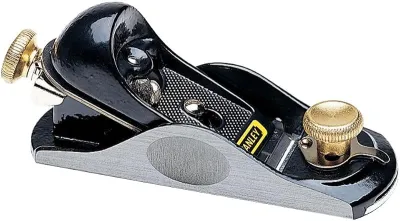
Osborn 8-Piece Wire & Nylon Brush Set
The standard field brush kit — keep one in every pack.
Check price on Amazon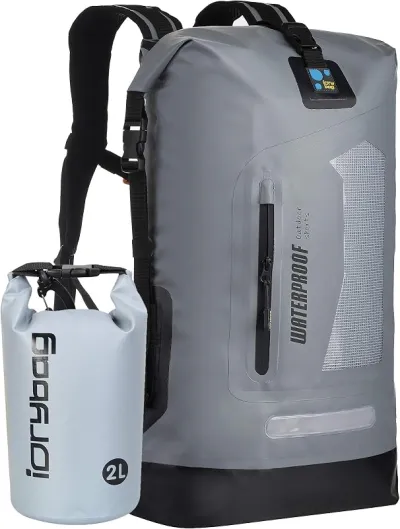
Osprey Talon 22 Backpack
The pack to save for if you collect more than a few times a year.
Check price on AmazonDisclosure: Gear links may earn a commission as an Amazon Associate — at no extra cost to you. Learn more.
Access & fees
Brown County State Park is Indiana DNR property. Rule 312 IAC 8-2-10 prohibits damaging, interfering with, or removing rocks, minerals, fossils, shipwrecks, archaeological sites, or historic structures on DNR land without authorization. Metal detectors are restricted to approved sand beaches only. Unlike Falls of the Ohio State Park, which maintains separate quarry piles where fossils may be removed, Brown County offers no collecting exception. Trail cuts, stream beds inside the park, and lake shorelines are all protected. Gate fees apply daily. Camping, lodge rooms, and horseback rides carry separate charges. None of these fees grant collecting rights. Violations are subject to citation and removal from the property.
Brown County State Park is Indiana DNR property. Rule 312 IAC 8-2-10 prohibits damaging, interfering with, or removing rocks, minerals, fossils, shipwrecks, archaeological sites, or historic structures on DNR land without authorization. Metal detectors are restricted to approved sand beaches only.
Unlike Falls of the Ohio State Park, which maintains separate quarry piles where fossils may be removed, Brown County offers no collecting exception. Trail cuts, stream beds inside the park, and lake shorelines are all protected.
Gate fees apply daily. Camping, lodge rooms, and horseback rides carry separate charges. None of these fees grant collecting rights. Violations are subject to citation and removal from the property.
Frequently asked questions
Can you collect geodes at Brown County State Park?
No. Indiana DNR rules prohibit removing rocks, minerals, or fossils from all state park property unless a specific exception applies. Brown County State Park has no collecting piles or permitted dig areas. Geodes may be studied in trail exposures but must remain in place.
Why is Brown County State Park listed as a geode site?
The park sits inside southern Indiana's Mississippian geode belt, where Harrodsburg Limestone and Ramp Creek Formation rocks produce geodes in surrounding counties and streams. Database records reflect regional mineralogy, not a legal collecting opportunity inside the park gates.
Where can you find geodes near Brown County, Indiana?
Regional streams including Bear Creek in northwestern Brown County and Salt Creek on Hoosier National Forest land carry weathered geodes in gravel bars. Monroe County creeks south of Bloomington are also productive. You must confirm land ownership and agency rules. State park land is closed to collecting.
How much is the entrance fee for Brown County State Park?
The daily gate fee is $7 per vehicle with Indiana license plates and $15 for out of state plates, admitting the driver and all passengers. Pedestrians and bicyclists pay $2 per person age five and older. The fee does not include collecting rights.
Which entrance should RVs use at Brown County State Park?
All RVs and vehicles towing trailers must use the west gate on State Road 46 two miles west of Nashville. The north gate covered bridge has only 9 feet of clearance and a 3 ton weight limit. GPS sometimes routes visitors incorrectly, so confirm the west gate address before traveling.
What minerals form inside Indiana geodes?
Quartz druzy lining the cavity is most common. Calcite crystals, marcasite, aragonite, dolomite, and barite also occur. At least twenty minerals have been identified in Indiana geodes. Solid geodes filled with chalcedony rather than hollow cavities are common in the belt.
Does Hoosier National Forest allow geode collecting near Brown County?
Hoosier National Forest generally permits limited personal use collecting of common rocks and minerals on open forest land, subject to district rules and seasonal closures. Salt Creek and other Brown County forest streams are often discussed by collectors. Always verify with the Brownstown Ranger District before digging.
What is the best time to visit Brown County State Park?
October draws the largest crowds for fall foliage on scenic drives and overlooks. Late April and May bring wildflowers on ravine trails with fewer visitors than peak leaf season. Summer offers the Abe Martin Lodge pool and campground programs. Winter is quiet with possible icy trail conditions.
Are metal detectors allowed at Brown County State Park?
Indiana DNR rules restrict metal detectors on state park property to approved sand swimming beaches with authorization. General detecting on trails, campgrounds, or wooded areas is not permitted. Rock and mineral collecting of any kind is prohibited throughout the park.
Explore related hubs
Report an access change
Field conditions change. If this site is closed, claimed, flooded, or the fee has changed, tell us — we update listings with community tips and desk verification.
Include the date you visited and any land-manager contact. Do not share private gate codes.
Map & location
Culture & history
Brown County State Park was developed with Civilian Conservation Corps labor, and the CCC Trail still showcases stone bridges, stairways, and retaining walls from that era. Abe Martin Lodge, named for a fictional Brown County character created by humorist Kin Hubbard, anchors the park's hospitality tradition. Nashville, Indiana grew into a nationally known arts and crafts town adjacent to the park. The covered bridge at the north entrance is itself a historic structure with strict size limits that still shape how visitors enter the property today.
Conservation
Brown County's steep slopes erode quickly when vegetation is disturbed. Stay on marked trails and do not dig in road cuts, stream banks, or lake shores inside the park. Removing geodes from protected land removes context that future visitors and researchers cannot recover. The nature center and trail geology displays exist so people can learn without taking specimens. Report digging or mineral theft to park staff or call 812-988-6406. Responsible visitation keeps the park focused on recreation and education rather than enforcement.
Sources & updates
Official land managers cited on this page
Always confirm current rules, closures, and fees on the agency site before visiting.
Spotted outdated access, fees, or safety info? Use Report an access change on this page or send a correction with the page URL — we review every submission.