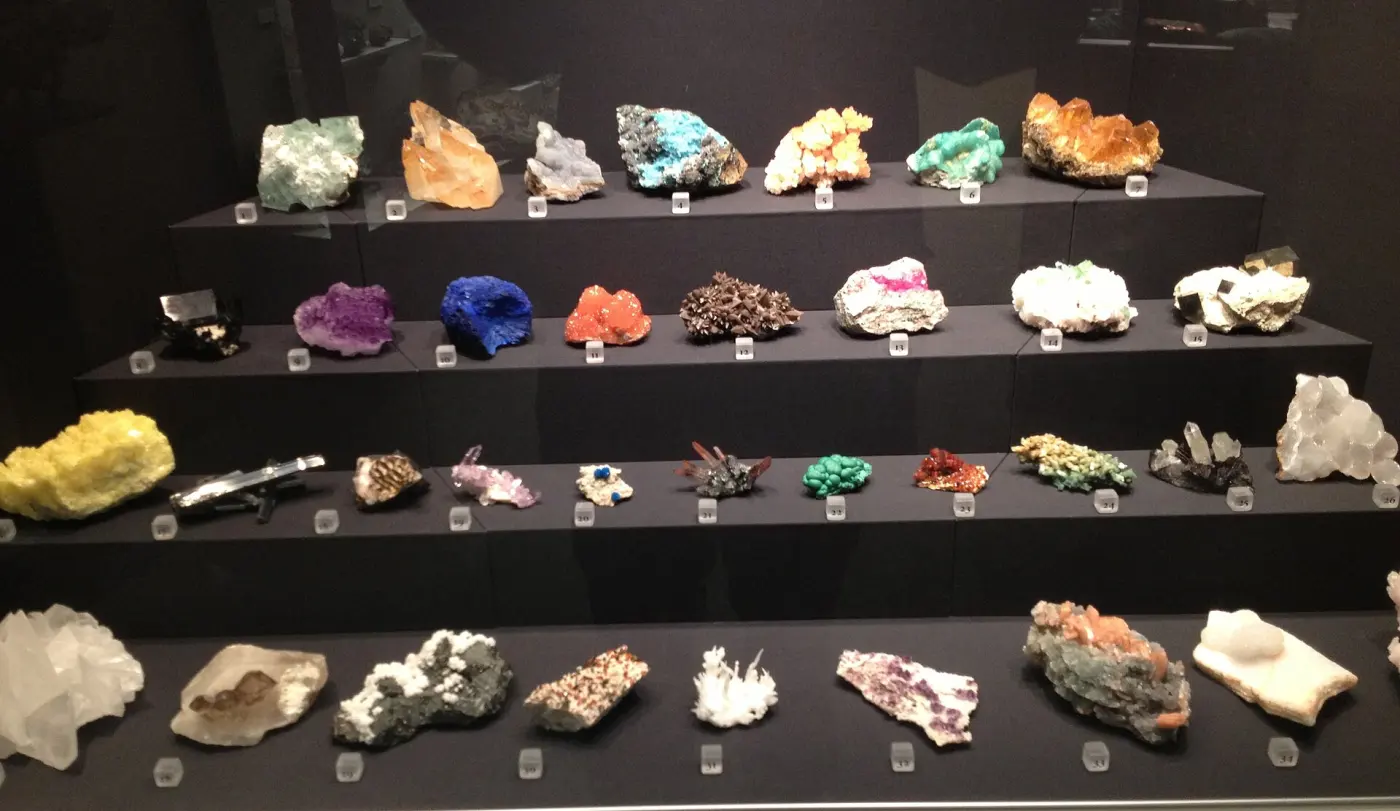
Cowee Valley Ruby Sapphire
Rockhounding site in Franklin, North Carolina · Other
Cowee Valley Ruby Sapphire is a corundum rockhounding site near Franklin, NC. Fee required. Best season: Late spring through autumn for comfortable flume work, though the Cherokee mine operates year round.
Typical season: Late spring through autumn for comfortable flume work, though the Cherokee mine operates year round
About Cowee Valley Ruby Sapphire
Cowee Valley runs north from Franklin in Macon County, North Carolina, and it is the reason Franklin has spent a century calling itself a gem capital. Corundum, the mineral that is ruby when red and sapphire in every other colour, occurs here in stream gravels and in saprolite, the deeply weathered rock that blankets so much of the southern Appalachians. Garnet and rutile come out of the same gravels.
The practical way to collect is at one of the commercial mines in the valley, and there is an important distinction between them. Some operations salt their ore with imported material so that every bucket produces something, which is fine as a family activity but means a find tells you nothing about the local geology. Others work native, unsalted dirt. The Cherokee Ruby and Sapphire Mine advertises itself as Macon County's only 100 percent unsalted gem mine, which means anything you pull off the flume genuinely came out of the Cowee Valley ground.
Expect physical work. Visitors receive buckets of gem ore and wash them through a covered flume line, sorting by hand. It involves sustained bending, lifting and grasping, and it is wet and muddy throughout.
Key facts
Structured details for trip planning — verify access and fees with the land manager before you visit.
- Specimen type
- Corundum
- Primary specimens
- Ruby, Sapphire, Garnet, Rutile, Corundum
- Fee status
- Fee required
- Nearest town
- Franklin
- State
- North Carolina
- Coordinates
- 35.18000, -83.38000
- Best season
- Late spring through autumn for comfortable flume work, though the Cherokee mine operates year round. Operations are weather dependent
- Access difficulty
- Moderate and physical. Flume-line work involves bending, twisting, lifting, grasping, balance and stamina over several hours
- Parking
- Roadside / pull-off
- On-site staff
- Present (seasonal)
- Collecting hazards
- Access restrictions
- Camping
- Campgrounds operate throughout Macon County and the Nantahala National Forest around Franklin
- Activities
- Washing buckets of gem ore through a covered flume line and sorting for corundum
- Facilities
- Covered flume lines, restrooms and staff instruction at the commercial mines. Franklin has full services and several gem museums
- Last updated
- 2026-09-15
What to pack for Cowee Valley Ruby Sapphire
Gear we compare for other trips like this one — tools, safety, and the hike in.



Disclosure: Gear links may earn a commission as an Amazon Associate — at no extra cost to you. Learn more.
The experience
- Best time to visitLate spring through autumn for comfortable flume work, though the Cherokee mine operates year round. Operations are weather dependent
- AccessModerate and physical. Flume-line work involves bending, twisting, lifting, grasping, balance and stamina over several hours
- FacilitiesCovered flume lines, restrooms and staff instruction at the commercial mines. Franklin has full services and several gem museums
- Camping nearbyCampgrounds operate throughout Macon County and the Nantahala National Forest around Franklin
Highlights & features
- Franklin bills itself as a gem capital, and Cowee Valley is the reason
- Cherokee Ruby and Sapphire Mine advertises itself as Macon County's only 100 percent unsalted gem mine
- Native ore means anything you find genuinely came out of the Cowee Valley ground
- Open daily year round, 10am to 4pm, with earlier opening in summer
- Several gem museums and cutters in Franklin can identify and cut what you find
- Corundum here occurs in stream gravels and in saprolite, the deeply weathered rock typical of the southern Appalachians
- Ruby and sapphire are both corundum; the red variety is ruby and every other colour is sapphire
- Rutile and garnet commonly accompany the corundum in the same gravels
How to get there
The Cherokee Ruby and Sapphire Mine is at 41 Cherokee Mine Road, Franklin, North Carolina, in Cowee Valley north of town. Franklin sits at the junction of US 441 and US 64 in the far southwest of North Carolina, about an hour and a half from Asheville and an hour from Gatlinburg over the mountains. All approaches are paved. Call 828-349-2941 to confirm hours and conditions before driving.
From Franklin, follow US Highway 441 north and take the signed turns toward the Cowee Valley mines. Follow the mine's own directions carefully: the operation specifically asks visitors not to approach by Coon Creek Road, Flowers Gap Road or Ruby Knoll Road, which mapping apps sometimes suggest and which are unsuitable.
Plan your visit
Allow three to five hours at the flume. This is not a quick stop, and the people who find good material are usually the ones who worked patiently through several buckets.
The Cherokee mine charges about $30 per person, with children 6 and under free when accompanied by a paying adult, though the youngest do not receive gem ore of their own. Hours are 10am to 4pm daily year round, with earlier opening in summer. Admission fees are non-refundable and operations depend on weather. Cash and credit cards are accepted.
Bring closed-toe shoes, a shirt with sleeves you can push up, a change of clothes, a towel, sunscreen and water. Mining equipment and flume access are provided. Well-behaved leashed pets are allowed but must stay clear of the work area.
Timing: year round, best late spring through autumn. Facilities: covered flumes, restrooms, staff instruction.
Groups of 30 or more can reserve dates, and the mine runs educational sessions on mineral identification and regional geology. Franklin's gem museums and cutters are worth a stop afterwards, alongside other North Carolina collecting areas.
Things you need to take to Cowee Valley Ruby Sapphire

DEWALT DPG82 Concealer Safety Glasses
Buy two pairs — one lives in your pack permanently.
Check price on Amazon
SE Specimen Storage Bags 10-Pack
The basic system every collector should have in their pack.
Check price on Amazon
Osprey Talon 22 Backpack
The pack to save for if you collect more than a few times a year.
Check price on Amazon
NoCry Professional Construction Knee Pads
Buy once — your knees will notice by lunch.
Check price on AmazonDisclosure: Gear links may earn a commission as an Amazon Associate — at no extra cost to you. Learn more.
Access & fees
The Cowee Valley mines are private commercial operations on private land, so each one sets its own rules, prices and hours. There is no general public collecting in the valley, and the creeks run largely through private property. At the Cherokee mine, visitors must sign a waiver, wear closed-toe shoes and shirts, and remain under staff supervision. Admission fees are non-refundable, and operation is weather dependent, so confirm before travelling. Mining equipment and access to the flume line are included in the fee. The salted versus unsalted distinction is the thing to ask about when choosing a mine. A salted operation adds imported gem material to the ore, which guarantees finds but is not local geology. Cherokee advertises 100 percent unsalted native ore. Neither approach is wrong, but they are different experiences and it is worth knowing which one you are buying. Do not attempt to prospect Cowee Creek or valley roadsides without landowner permission.
The Cowee Valley mines are private commercial operations on private land, so each one sets its own rules, prices and hours. There is no general public collecting in the valley, and the creeks run largely through private property.
At the Cherokee mine, visitors must sign a waiver, wear closed-toe shoes and shirts, and remain under staff supervision. Admission fees are non-refundable, and operation is weather dependent, so confirm before travelling. Mining equipment and access to the flume line are included in the fee.
The salted versus unsalted distinction is the thing to ask about when choosing a mine. A salted operation adds imported gem material to the ore, which guarantees finds but is not local geology. Cherokee advertises 100 percent unsalted native ore. Neither approach is wrong, but they are different experiences and it is worth knowing which one you are buying.
Do not attempt to prospect Cowee Creek or valley roadsides without landowner permission.
Frequently asked questions
How much does it cost to mine at the Cherokee Ruby and Sapphire Mine?
About $30 per person. Children 6 and under enter free with a paying adult but do not receive their own gem ore. Hours are 10am to 4pm daily year round, with earlier opening in summer. Fees are non-refundable and operation is weather dependent, so call 828-349-2941 first.
What does unsalted gem mine mean in Franklin, NC?
It means the ore you wash is native dirt from the property, with no imported gem material added. The Cherokee Ruby and Sapphire Mine advertises itself as Macon County's only 100 percent unsalted gem mine. Salted operations guarantee finds but those stones did not come from Cowee Valley geology.
What gems are found in Cowee Valley?
Corundum, which is ruby when red and sapphire in every other colour, occurring in stream gravels and in saprolite. Garnet and rutile commonly accompany it in the same gravels. Cowee Valley corundum was mined commercially from the late nineteenth century before the tourist flume operations took over.
How physical is gem mining at Cowee Valley?
More than most visitors expect. Flume work involves bending, twisting, lifting, grasping, balance and stamina over several hours, and it is wet and muddy throughout. Closed-toe shoes and shirts are required, a waiver must be signed, and a change of clothes is worth packing.
How do you get to the Cherokee Ruby and Sapphire Mine?
It is at 41 Cherokee Mine Road, Franklin, North Carolina, north of town in Cowee Valley off US Highway 441. Follow the mine's own directions rather than a mapping app: the operation specifically asks visitors not to approach by Coon Creek, Flowers Gap or Ruby Knoll roads.
What does salted mean at a gem mine?
That imported gem material has been added to the ore so every bucket produces finds. It makes for a guaranteed family experience but tells you nothing about local geology. Cherokee Ruby and Sapphire Mine advertises itself as Macon County's only 100 percent unsalted gem mine, meaning its ore is native Cowee Valley dirt.
Can you find rubies in North Carolina creeks?
Corundum occurs in Cowee Valley stream gravels and saprolite, which is the geological basis for the district. In practice the creeks run through private land and are not open for casual prospecting, so the commercial mines are how visitors access the ground. Do not prospect valley creeks without landowner permission.
How long should you spend at a Franklin gem mine?
Three to five hours at the flume is a realistic session. The people who find good material are generally those who work patiently through several buckets rather than rushing. The Cherokee mine opens 10am to 4pm year round with earlier summer opening, so a full morning into afternoon works well.
What is the difference between ruby and sapphire?
Only colour. Both are the mineral corundum; the red variety is called ruby and every other colour is sapphire. In Cowee Valley both occur in the same gravels, along with rutile and garnet, which is why a single bucket of ore can produce several different-looking stones of the same species.
Are there gem museums in Franklin, North Carolina?
Yes, several, and they are worth pairing with a mine visit. Franklin has built an identity as a gem town on the back of the Cowee corundum, with museums, cutters and major summer gem shows that are among the larger events of their kind in the eastern United States.
Do people find gem-quality stones at Franklin mines?
Occasionally, and the honest framing in discussions is that unsalted native dirt produces fewer stones but real ones. Visitors to Cherokee describe finding corundum in most sessions, usually small, opaque and better as evidence than as jewellery, with cuttable material being the exception rather than the rule. People who want a guaranteed handful of shiny stones are steered toward salted operations, with the trade-off spelled out plainly.
How physically demanding is flume work?
More than most first-time visitors expect, and reports consistently mention this. The mine itself lists bending, twisting, lifting, grasping, physical coordination, balance and stamina as requirements. People describe sore backs after a few hours and recommend taking breaks, alternating who washes and who sorts, and bringing a change of clothes because everyone ends up wet and muddy to the elbows.
Regional guide
This spot is featured in our North Carolina gem & pegmatite belt roundup with related rockhounding sites in North Carolina.
Explore related hubs
Report an access change
Field conditions change. If this site is closed, claimed, flooded, or the fee has changed, tell us — we update listings with community tips and desk verification.
Include the date you visited and any land-manager contact. Do not share private gate codes.
Map & location
Culture & history
Corundum was mined commercially in Cowee Valley from the late nineteenth century, when Tiffany and Company had an interest in the district, and the valley produced sapphires of genuine gem quality before the operations wound down. What followed was the tourist gem-mining industry that still defines Franklin, with flume lines replacing commercial extraction and a run of museums, gem shows and lapidary shops growing up around it. The Franklin gem shows each summer remain among the larger events of their kind in the eastern United States, and the town's identity as a gem capital dates directly from the Cowee corundum.
Conservation
At a commercial mine the conservation questions are mostly about conduct: follow staff direction, keep to the work areas, and do not wander onto adjacent private land. Outside the mines, do not prospect Cowee Creek or valley banks without permission. Streambank digging in the southern Appalachians causes real sedimentation problems in trout water, and the valley's landowners have limited patience for it. Pack out everything you bring, keep pets leashed and clear of the flumes, and leave the sorted tailings where staff direct rather than scattered.
Sources & updates
Spotted outdated access, fees, or safety info? Use Report an access change on this page or send a correction with the page URL — we review every submission.