Dugway Geode Beds
Rockhounding site in Dugway, Utah · Geodes
Dugway Geode Beds is a geode rockhounding site near Dugway, UT. Free. Best season: April through June and September through October.
Typical season: April through June and September through October
About Dugway Geode Beds
The Dugway Geode Beds are the most accessible public geode locality in Utah, and one of the few places in the country where anyone can drive out, dig in soft ground, and open a crystal-lined sphere the same afternoon. The beds lie in the West Desert of Juab County, roughly 120 miles southwest of Salt Lake City, on land the Bureau of Land Management administers through its Fillmore Field Office.
What makes the site unusual is that the geodes are not locked in bedrock. They formed as gas bubbles in a Miocene rhyolite flow, and silica-rich groundwater slowly lined those cavities with chalcedony and quartz. Long afterward, the shoreline of Lake Bonneville chewed into the rhyolite and scattered the hardened nodules across lakebed sediment several miles away. Collectors therefore dig in soft, unconsolidated material rather than breaking hard rock, which is why a shovel and a screen go further here than a sledge.
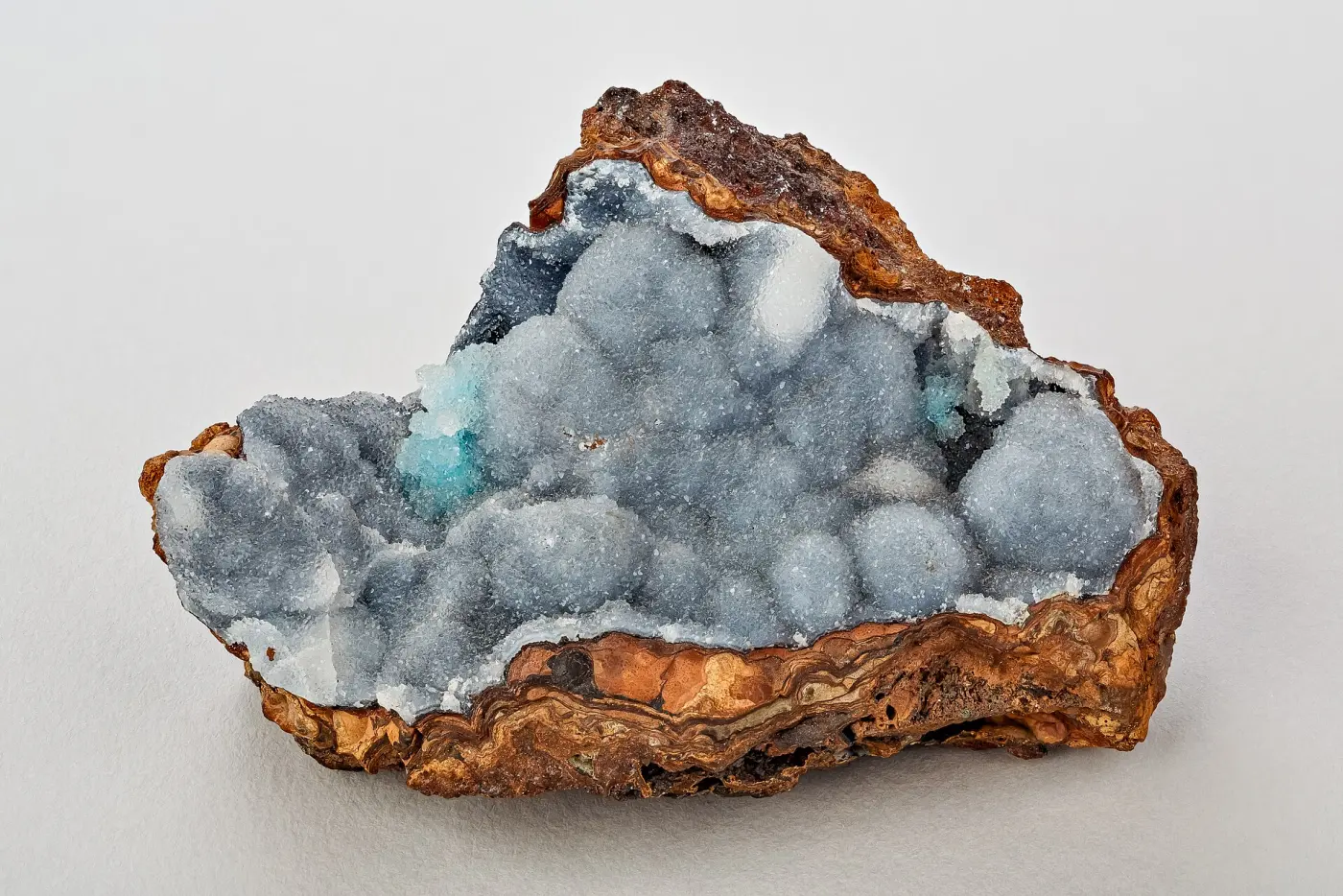
Most geodes come out as dull gray spheres between two and four inches across. Cracking or sawing them reveals linings that run clear, smoky, pale purple amethyst, or pink. Not every nodule is hollow, and a fair share are solid chalcedony, so plan on volume rather than on a single perfect find.
Key facts
Structured details for trip planning — verify access and fees with the land manager before you visit.
- Specimen type
- Geode
- Primary specimens
- Quartz Geodes, Chalcedony, Amethyst, Rose Quartz, Calcite
- Fee status
- Free
- Nearest town
- Dugway
- State
- Utah
- Coordinates
- 39.85000, -113.08300
- Best season
- April through June and September through October. Summer afternoons regularly pass 100F with no shade, and winter storms turn the clay roads to impassable mud
- Access difficulty
- Easy digging, hard driving. Roughly 50 miles of dirt road each way from pavement, with the last 2 miles unimproved. Carry a full-size spare, extra fuel, and water
- Collecting hazards
- See safety tips
- Camping
- Dispersed camping is allowed on the surrounding BLM land. Simpson Springs Campground on the Pony Express Road is the nearest developed option
- Land manager
- Bureau of Land Management
- Activities
- Surface searching for weathered geodes, shallow digging in the soft beds, and hand-splitting nodules
- Facilities
- None at the site. No water, no toilets, no shade and no cell service. Nearest fuel and food are in Delta or Tooele, both over an hour away
- Last updated
- 2026-10-06
What to pack for Dugway Geode Beds
Gear we compare for geodes trips like this one — tools, safety, and the hike in.


Disclosure: Gear links may earn a commission as an Amazon Associate — at no extra cost to you. Learn more.
The experience
- Best time to visitApril through June and September through October. Summer afternoons regularly pass 100F with no shade, and winter storms turn the clay roads to impassable mud
- AccessEasy digging, hard driving. Roughly 50 miles of dirt road each way from pavement, with the last 2 miles unimproved. Carry a full-size spare, extra fuel, and water
- FacilitiesNone at the site. No water, no toilets, no shade and no cell service. Nearest fuel and food are in Delta or Tooele, both over an hour away
- Camping nearbyDispersed camping is allowed on the surrounding BLM land. Simpson Springs Campground on the Pony Express Road is the nearest developed option
Highlights & features
- Utah's best-known public geode locality, free and open to noncommercial collectors
- Quartz linings occur clear, purple (amethyst) and pink (rose)
- Geodes are typically dark gray spheres 2 to 4 inches across
- Sits on the historic Pony Express Road beside Simpson Springs
- Managed by the Bureau of Land Management Fillmore Field Office
- The geodes formed as gas bubbles in Miocene rhyolite, then silica-rich water lined the cavities with chalcedony and quartz
- Lake Bonneville wave action eroded the source rhyolite and redeposited the nodules several miles away, which is why they sit loose in soft sediment rather than in hard rock
- Two distinct digging grounds exist: soft unconsolidated beds that can be dug by hand, and harder deposits that need a pick
How to get there
Turn west onto the Pony Express Road and follow it about 50 miles, passing Simpson Springs, then watch for the signed turnoff toward the geode beds. The final stretch is an unimproved road of roughly 2 miles into the digging grounds. The graded portion is usually fine for a passenger car in dry weather, but the last miles are soft, sandy and washboarded, and high clearance makes the trip far less stressful. After rain or snowmelt the clay surface becomes slick and deeply rutted. There is no fuel, water or cell service anywhere along the route, so top off in Tooele or Delta and treat the drive as the serious part of the day.
From Salt Lake City, take I-80 west to exit 99 and turn south on State Highway 36. Follow SR-36 south roughly 40 miles, past Faust, to the signed Pony Express Road, a graded dirt road on the right (west).
Plan your visit
Give yourself a full day. The drive alone runs two and a half to three hours each way from Salt Lake City, and most of it is unpaved.
Bring a shovel, a garden mattock or pick, a quarter-inch screen, five-gallon buckets, safety glasses, gloves and sun protection. A rock hammer and a cold chisel handle field splitting, though many collectors haul nodules home for a proper saw cut. Wrap keepers in newspaper so they do not chip against each other on the drive out.
Timing: April through June and September through October. Facilities: none whatsoever.
Pair the trip with nearby Utah collecting areas such as Topaz Mountain, or camp at Simpson Springs and work the beds early the next morning before the heat builds.
Things you need to take to Dugway Geode Beds

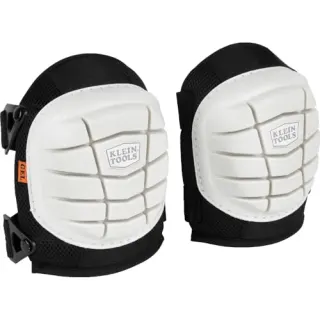
NoCry Professional Construction Knee Pads
Buy once — your knees will notice by lunch.
Check price on Amazon
DEWALT DPG82 Concealer Safety Glasses
Buy two pairs — one lives in your pack permanently.
Check price on Amazon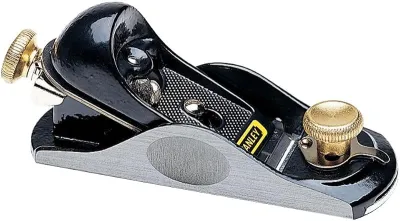
Osborn 8-Piece Wire & Nylon Brush Set
The standard field brush kit — keep one in every pack.
Check price on Amazon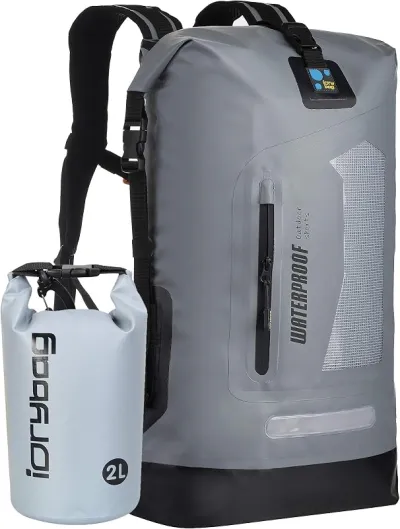
Osprey Talon 22 Backpack
The pack to save for if you collect more than a few times a year.
Check price on AmazonDisclosure: Gear links may earn a commission as an Amazon Associate — at no extra cost to you. Learn more.
Access & fees
The Dugway Geode Beds sit on public land managed by the Bureau of Land Management. Casual, noncommercial collecting of rocks, mineral specimens and semiprecious gemstones is allowed on BLM public lands, and no permit is required for hobby collecting at reasonable personal-use quantities. Fees: none. What is restricted is method and purpose. The BLM prohibits tunneling at the beds because the soft sediment collapses, and collecting for resale or commercial purposes falls outside casual use and requires authorization. Motorized and mechanized excavation, including backhoes, is not casual collecting. Stay on established routes rather than creating new tracks, fill the holes you open so the next visitor does not step into one, and pack out every scrap of trash. The beds lie near the Utah Test and Training Range, so respect posted boundary signage and never handle suspected military debris. Confirm current conditions with the Fillmore Field Office at 435-743-3100 before a long drive.
The Dugway Geode Beds sit on public land managed by the Bureau of Land Management. Casual, noncommercial collecting of rocks, mineral specimens and semiprecious gemstones is allowed on BLM public lands, and no permit is required for hobby collecting at reasonable personal-use quantities.
Fees: none. What is restricted is method and purpose. The BLM prohibits tunneling at the beds because the soft sediment collapses, and collecting for resale or commercial purposes falls outside casual use and requires authorization. Motorized and mechanized excavation, including backhoes, is not casual collecting.
Stay on established routes rather than creating new tracks, fill the holes you open so the next visitor does not step into one, and pack out every scrap of trash. The beds lie near the Utah Test and Training Range, so respect posted boundary signage and never handle suspected military debris. Confirm current conditions with the Fillmore Field Office at 435-743-3100 before a long drive.
Frequently asked questions
Do you need a permit to collect at the Dugway Geode Beds?
No. The beds are on Bureau of Land Management public land, and casual noncommercial collecting of rocks, minerals and semiprecious gemstones is allowed without a permit at reasonable personal-use amounts. Collecting for resale is commercial use and needs separate authorization from the Fillmore Field Office.
What kind of vehicle do you need to reach the Dugway Geode Beds?
In dry weather the roughly 50 miles of graded Pony Express Road is passable in a passenger car, but the final 2 miles are unimproved and sandy, so high clearance is strongly preferred. After rain or snowmelt the clay turns slick and a two-wheel-drive car can easily get stuck hours from help. Carry a full-size spare and extra fuel.
What do Dugway geodes look like inside?
Most are dark gray spheres 2 to 4 inches across on the outside. Inside, the cavity linings run clear rock crystal, smoky, pale purple amethyst or pink rose quartz, often over a chalcedony shell. Many nodules are solid rather than hollow, so expect to open a number of them before finding a good pocket.
Is digging allowed at the Dugway Geode Beds?
Hand digging is allowed and is how most collectors work the soft beds. The Bureau of Land Management specifically prohibits tunneling because the unconsolidated material can collapse without warning. Use a shovel and screen, keep pit walls sloped rather than undercut, and fill your holes before you leave.
When is the best time to visit the Dugway Geode Beds?
Spring and fall. April through June and September through October give workable temperatures and firm roads. Midsummer regularly exceeds 100F with no shade and no water anywhere on site, and winter storms make the clay road surface impassable.
How long does it take to drive to the Dugway Geode Beds?
Two and a half to three hours each way from Salt Lake City, and most of that is unpaved. The route runs I-80 west to Highway 36, then roughly 50 miles of graded Pony Express Road, then about 2 miles of unimproved track. Treat the driving as the main commitment of the day.
What tools do you need at the Dugway Geode Beds?
A shovel, a garden mattock or pick, a quarter-inch screen, five-gallon buckets, safety glasses and gloves. Because the geodes sit in soft lakebed sediment rather than hard rock, a screen does more work than a sledge. Bring newspaper to wrap keepers for the drive out.
Are all Dugway geodes hollow?
No, and this catches people out. A fair share come out solid chalcedony with no cavity at all. Plan on opening a number of nodules to find good crystal-lined pockets, which is why most collectors take a bucket home to saw rather than cracking everything in the field.
Is there anywhere to camp at the Dugway Geode Beds?
Dispersed camping is permitted on the surrounding BLM land, and Simpson Springs Campground on the Pony Express Road is the nearest developed option. There is no water anywhere out there, so carry everything, and camp on already-disturbed ground rather than crushing new desert crust.
What else is worth visiting near the Dugway Geode Beds?
Topaz Mountain and the Antelope Springs trilobite beds are both BLM rockhound areas in the same West Desert region, and Simpson Springs preserves one of the better-documented Pony Express station sites along the route in. Together they make a two or three day circuit.
Do collectors think the drive to Dugway is worth it?
Trip reports mostly say yes, with the consistent caveat that the driving is the hard part rather than the digging. People who enjoy the trip describe treating it as a full day or an overnight with Topaz Mountain, arriving prepared for a facility-free desert, and accepting that a share of the nodules will be solid. The reports that read as disappointed usually involve a low car, a wet clay road, or an attempt to squeeze it into an afternoon.
What is the best way to open Dugway geodes?
The advice that circulates is to saw rather than smash anything you care about. A diamond slab saw gives a clean face that shows the crystal lining properly, while a hammer tends to shatter the thin-walled ones. For field testing, collectors describe tapping a nodule and listening for the hollow ring, then bagging the promising ones and leaving the sawing for home. Pipe cutters and soil-pipe chain cutters also come up as a cleaner alternative to a hammer.
Where are the Utah geode beds?
The Dugway Geode Beds on BLM land along the historic Pony Express Road corridor are Utah’s best-known free public geode locality. See this listing and our Utah geode beds region hub for access and desert safety notes.
Are Utah geode beds free to collect?
Casual noncommercial collecting on the Dugway BLM beds is generally free under personal-use rules, but tunneling is prohibited and you must self-support with water, fuel, and offline maps. Confirm current Fillmore Field Office guidance before digging.
Regional guide
This spot is featured in our Utah topaz, geodes & desert collecting and Utah geode beds roundup with related rockhounding sites in Utah.
Explore related hubs
Report an access change
Field conditions change. If this site is closed, claimed, flooded, or the fee has changed, tell us — we update listings with community tips and desk verification.
Include the date you visited and any land-manager contact. Do not share private gate codes.
Map & location
Culture & history
The route in is the Pony Express Road, the original 1860 to 1861 mail corridor across the Great Basin, and Simpson Springs along the way preserves one of the better-documented station sites on the trail. Long before that, this basin lay beneath Lake Bonneville, the Pleistocene lake whose shorelines are still visible as benches on the surrounding ranges and whose waves did the work of freeing the geodes from their parent rhyolite. The beds themselves were popularized by mid-century rockhounds and Utah lapidary clubs, and the Utah Geological Survey has documented the locality for decades. Commercial operations have worked parts of the area, which is one reason the ground shows old pits alongside fresh ones.
Conservation
The beds are a finite, heavily worked resource on shared public land. Fill your holes, work existing pits rather than opening new ground where you can, and take what you will actually use rather than filling a truck bed. Driving off established routes scars desert soil crust that takes decades to recover, so keep vehicles on the road. Leave the historic Pony Express features undisturbed, and report vandalism or commercial-scale excavation to the Bureau of Land Management Fillmore Field Office.
Sources & updates
Official land managers cited on this page
Always confirm current rules, closures, and fees on the agency site before visiting.
Spotted outdated access, fees, or safety info? Use Report an access change on this page or send a correction with the page URL — we review every submission.