The best time to go rockhounding is spring and fall for desert sites, summer for Colorado alpine pegmatites, and after rain for Crater of Diamonds and Midwest geode stream beds.
Timing matters as much as location. The best time to go rockhounding depends on elevation, latitude, specimen type, and recent weather. A perfect site in July can be dangerous in Utah’s desert or inaccessible under Colorado snow. Match your trip to the season and watch forecasts before every outing.
Spring: fresh exposures and moderate temperatures
Spring is the sweet spot for much of the country. Snowmelt opens lower-elevation roads, wildflowers mark desert transitions, and rain washes new material onto collecting surfaces.
Highlights:
- Crater of Diamonds State Park — staff plow and rain-wash diamonds to the surface in spring
- Keokuk Geode Beds — rising rivers expose fresh Warsaw Formation geodes after rains
- Dugway Geode Beds — March through May before summer heat
Check state directories for road conditions after winter—mud can trap vehicles on BLM routes.
Summer: alpine windows and desert caution
Summer opens Colorado’s high country. Mount Antero and other pegmatite roads typically clear from late June through September. Start early, descend before afternoon lightning, and monitor monsoon forecasts.
Low-elevation desert is a different story. Utah and Arizona BLM sites above 100°F by midday create serious dehydration risk. If you must collect in summer desert:
- Start at first light
- Quit by 10 a.m.
- Double your water supply
- Seek shade during rest breaks
Fee dig mines with shade structures—Herkimer mines, Arkansas crystal pits—remain productive in summer when deserts are off limits.
Things you need to go rockhounding in Arkansas
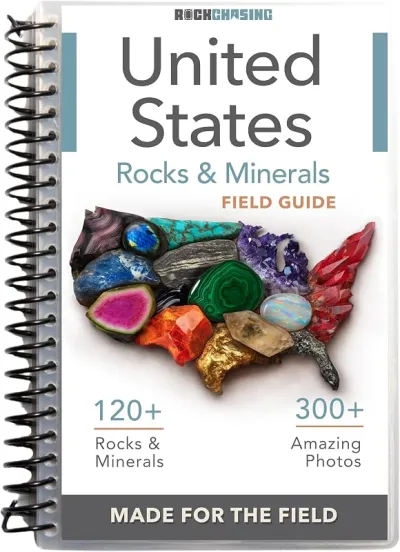
Rock Chasing US Rocks & Minerals Field Guide
The guide to clip on your pack when you do not know what you are looking at yet.
Check price on Amazon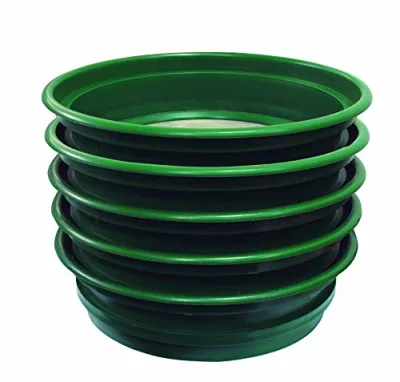
SE 5-Pack Stackable Classifier Set
If you buy one classifying kit, buy this set.
Check price on Amazon
DEWALT DPG82 Concealer Safety Glasses
Buy two pairs — one lives in your pack permanently.
Check price on Amazon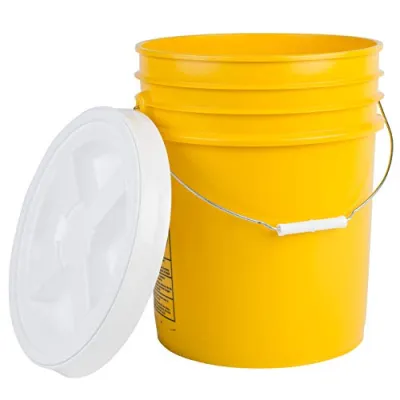
Hudson Exchange 5 Gallon Bucket with Gamma Seal Lid
The bucket setup serious diggers keep in the truck.
Check price on AmazonDisclosure: Gear links may earn a commission as an Amazon Associate — at no extra cost to you. Learn more.
Fall: second spring for collectors
September through November repeats spring’s advantages without mud season. Topaz Mountain lists fall as prime season. Arizona desert becomes comfortable again. Midwest creek collecting continues until freeze.
Fall foliage adds navigation landmarks in forested districts like Devils Head topaz area—helpful when offline maps fail.
Winter: regional specialists only
Winter rockhounding is regional:
- Arkansas quartz belt — mild enough for fee digs many days
- Southern Arizona — desert lows stay collectable with layers and sun
- Colorado alpine — generally closed by snow until late spring
- Midwest geode streams — frozen banks limit access until thaw
Holiday road trips to Wegner Quartz Crystal Mine work when northern sites are buried in snow.
Weather events that help collectors
Certain conditions improve finds without changing geology:
| Condition | Effect |
|---|---|
| Recent rain | Washes diamonds and agates to surface at plowed fields |
| Post-storm stream rise | Exposes geodes in Iowa and Missouri creek banks |
| Freeze-thaw cycles | Breaks loose matrix on slopes, revealing fresh vugs |
| Recent road cut maintenance | Fresh exposures along highway districts—collect only where legal |
After rain at Crater of Diamonds, park staff often note increased diamond finds on the search field. Midwest collectors watch spring gauge levels before planning geode trips.
Planning tools
Use our directory seasonal notes on each listing—“best time” fields reflect local collector experience. Cross-check:
- National Weather Service forecasts for remote coordinates
- BLM or Forest Service road status pages
- Site phone numbers for fee digs with seasonal hours
Pair seasonal planning with our packing guide, California desert seasons, and near-me search to find open sites near you right now.
The ground yields specimens year-round somewhere in America. Success means choosing the right region for the calendar—not fighting snow on Mount Antero in January or noon heat at Dugway in August.
Spots from our directory

Crater Of Diamonds State Park
Arkansas state park at Murfreesboro built on the eroded surface of a lamproite volcanic pipe, the only place in the world where the public can search for natural diamonds in their original source rock and keep whatever they find.
View details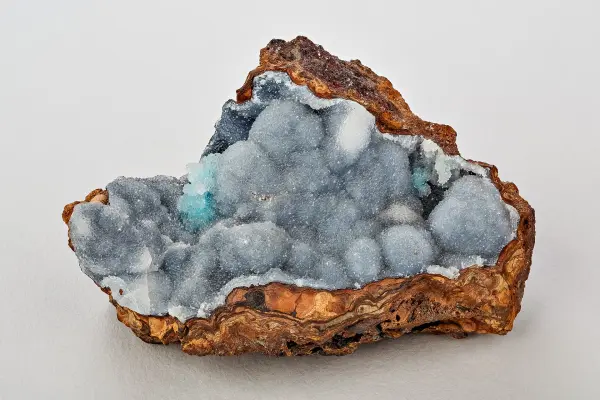
Dugway Geode Beds
Public BLM geode locality in western Juab County, Utah, where Miocene rhyolite cavities were eroded by ancient Lake Bonneville and redeposited as quartz-lined geodes in soft lakebed sediment along the Pony Express Road.
View detailsKeokuk Geode Beds
The Keokuk geode belt centred on Keokuk, Iowa, where the Mississippian Warsaw Formation yields chalcedony-shelled geodes lined with quartz, calcite, pyrite and marcasite across a tri-state area of southeast Iowa, northeast Missouri and western Illinois.
View details
Mount Antero
Mount Antero and Mount White in the Sawatch Range are legendary for aquamarine beryl crystals in granite pegmatites above 12,000 feet.
View detailsFrequently asked questions
What is the best season for rockhounding?
Spring and fall suit most of the United States. Desert sites need cool months; alpine sites need summer after snowmelt; Midwest geode beds excel after spring rains.
Is winter rockhounding possible?
Yes in mild climates—Arkansas quartz mines and low-desert Arizona sites work in winter. High-elevation Colorado and Utah roads may be impassable until June.
Why do rockhounds collect after rain?
Rain washes fresh material onto surfaces at Crater of Diamonds, exposes new geodes in stream banks, and makes wet rocks easier to identify in the field.
When should I avoid desert rockhounding?
Skip midday June through August at Utah and Arizona desert sites. Heat exhaustion and dehydration risk outweigh collecting gains unless you start at dawn.
Does moon phase affect rockhounding?
Moon phase has no geological effect on specimens. Some night collectors use headlamps for cooler desert temps, but daylight remains safer for terrain and navigation.