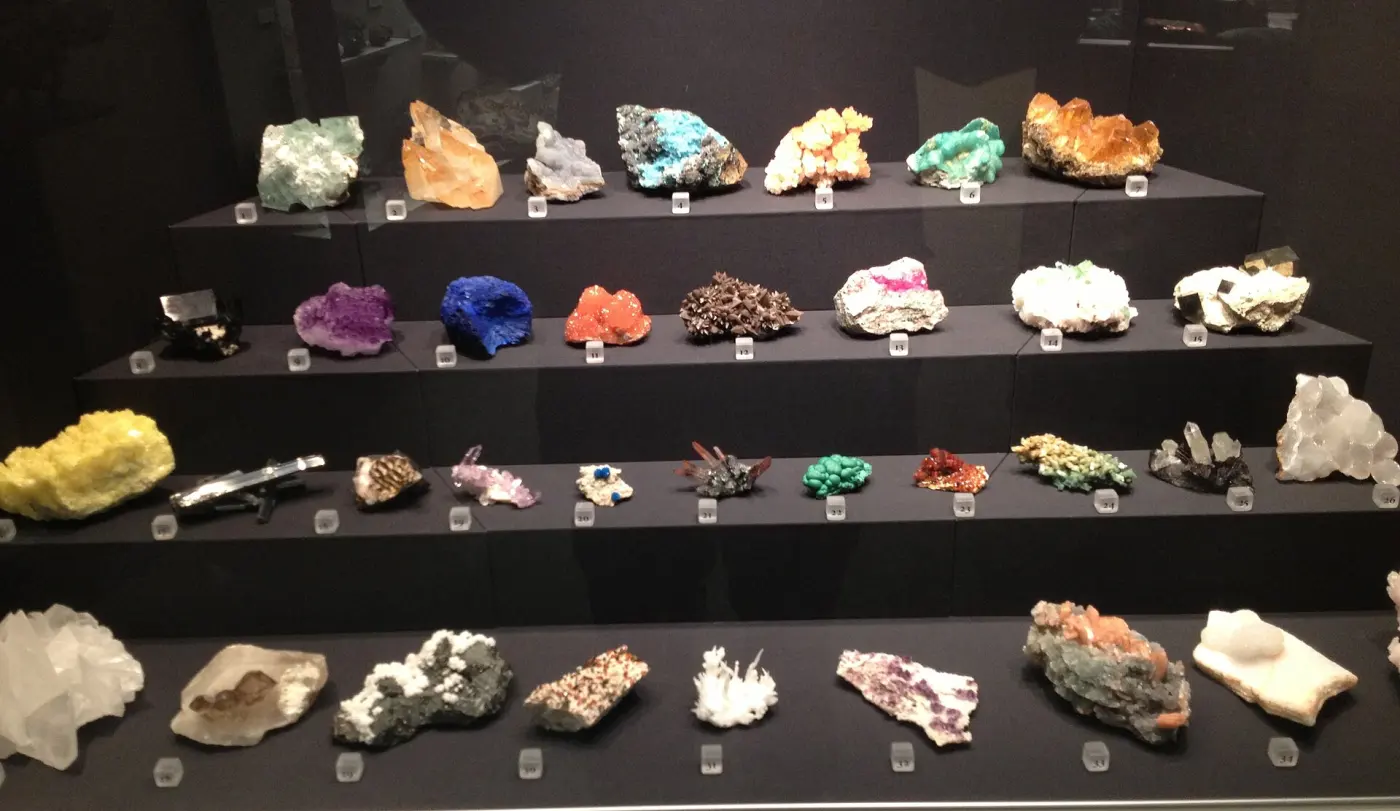
Fork Of Big Creek & Little Saluda River
Rockhounding site in South Carolina, South Carolina · Other
Fork Of Big Creek & Little Saluda River is a amphibolite rockhounding site near South Carolina, SC. Fee varies. Best season: Spring through fall.
Typical season: Spring through fall
Key facts
Structured details for trip planning — verify access and fees with the land manager before you visit.
- Specimen type
- Amphibolite
- Primary specimens
- Amphibolite, Chalcopyrite, Chlorite, Gold, Green Hornblende Crystals, Magnetite, Pyrite
- Fee status
- Fee varies
- Nearest town
- South Carolina
- State
- South Carolina
- Coordinates
- 34.06185, -81.67659
- Best season
- Spring through fall; confirm seasonal road access
- Access difficulty
- Moderate; remote roads possible
- Camping
- Dispersed camping may be available nearby; verify land rules
- Activities
- Rock and mineral collecting
- Facilities
- South Carolina regional services
- Last updated
- July 5, 2026
What to pack for Fork Of Big Creek & Little Saluda River
Gear we compare for other trips like this one — tools, safety, and the hike in.


Disclosure: Gear links may earn a commission as an Amazon Associate — at no extra cost to you. Learn more.
The experience
- Best time to visitSpring through fall; confirm seasonal road access
- AccessModerate; remote roads possible
- FacilitiesSouth Carolina regional services
- Camping nearbyDispersed camping may be available nearby; verify land rules
Things you need to take to Fork Of Big Creek & Little Saluda River

DEWALT DPG82 Concealer Safety Glasses
Buy two pairs — one lives in your pack permanently.
Check price on Amazon
SE Specimen Storage Bags 10-Pack
The basic system every collector should have in their pack.
Check price on Amazon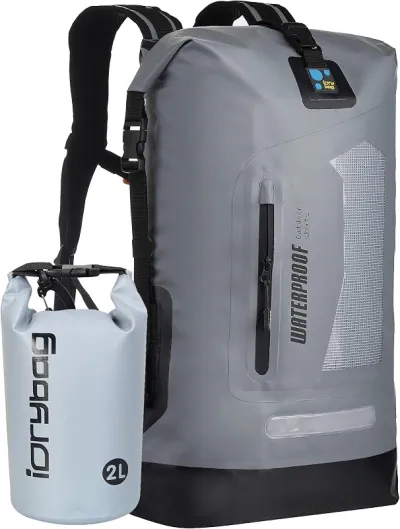
Osprey Talon 22 Backpack
The pack to save for if you collect more than a few times a year.
Check price on Amazon
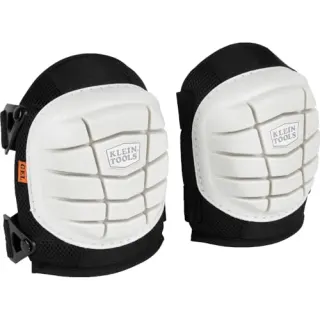
NoCry Professional Construction Knee Pads
Buy once — your knees will notice by lunch.
Check price on AmazonDisclosure: Gear links may earn a commission as an Amazon Associate — at no extra cost to you. Learn more.
Explore related hubs
Report an access change
Field conditions change. If this site is closed, claimed, flooded, or the fee has changed, tell us — we update listings with community tips and desk verification.
Include the date you visited and any land-manager contact. Do not share private gate codes.
Map & location
Sources & updates
Spotted outdated access, fees, or safety info? Use Report an access change on this page or send a correction with the page URL — we review every submission.