
Crater Of Diamonds State Park
Rockhounding site in Murfreesboro, Arkansas · Gemstones
Crater Of Diamonds State Park is a diamond rockhounding site near Murfreesboro, AR. Fee required. Best season: Spring and fall for comfortable digging.
Typical season: Spring and fall for comfortable digging
About Crater Of Diamonds State Park
Crater of Diamonds State Park is the only place on earth where members of the public can hunt for natural diamonds in the volcanic rock that produced them and keep whatever they find. The 37-acre search area at Murfreesboro, Arkansas, is the eroded surface of a lamproite pipe, a rare volcanic structure that carried diamonds up from deep in the mantle.
The park keeps the field plowed, which turns buried material to the surface and is why the site continues to produce after decades of searching. Since it became a state park in 1972, visitors have found more than 37,000 diamonds. Three colors occur naturally here, white, brown and yellow, and the park is the source of the 40.23 carat Uncle Sam, the largest diamond ever found in the United States.
Realistically, most visitors do not find a diamond. What they do find is amethyst, garnet, jasper, agate and quartz, all of which are theirs to keep under the same finders-keepers policy. The Diamond Discovery Center teaches the three standard search methods and staff identify finds free of charge, which makes this one of the most beginner-friendly collecting destinations in the country.
Key facts
Structured details for trip planning — verify access and fees with the land manager before you visit.
- Specimen type
- Diamond
- Primary specimens
- Diamond, Amethyst, Garnet, Jasper, Agate, Quartz
- Fee status
- Fee required
- Nearest town
- Murfreesboro
- State
- Arkansas
- Coordinates
- 34.03300, -93.67200
- Best season
- Spring and fall for comfortable digging. Search right after heavy rain, which washes soil off heavier stones and is when many of the larger diamonds are found on the surface
- Access difficulty
- Easy to strenuous, entirely your choice. Surface walking is easy; dry sifting and wet sifting involve sustained digging, hauling and screening
- Collecting hazards
- Access restrictions
- Camping
- 47 campsites in the park, including sites with hookups. Book ahead in spring and fall
- Land manager
- State park / recreation agency
- Activities
- Surface searching, dry sifting and wet sifting the plowed diamond search field
- Facilities
- Diamond Discovery Center with instruction and free identification, gift shop, restrooms, walking trails, seasonal Diamond Springs water park, 47-site campground
- Last updated
- 2026-09-15
What to pack for Crater Of Diamonds State Park
Gear we compare for gemstones trips like this one — tools, safety, and the hike in.



Disclosure: Gear links may earn a commission as an Amazon Associate — at no extra cost to you. Learn more.
The experience
- Best time to visitSpring and fall for comfortable digging. Search right after heavy rain, which washes soil off heavier stones and is when many of the larger diamonds are found on the surface
- AccessEasy to strenuous, entirely your choice. Surface walking is easy; dry sifting and wet sifting involve sustained digging, hauling and screening
- FacilitiesDiamond Discovery Center with instruction and free identification, gift shop, restrooms, walking trails, seasonal Diamond Springs water park, 47-site campground
- Camping nearby47 campsites in the park, including sites with hookups. Book ahead in spring and fall
Highlights & features
- The only diamond-bearing site in the world open to public searching where you keep what you find
- A 37-acre plowed field on the eroded surface of a volcanic lamproite pipe
- More than 37,000 diamonds found by visitors since the site became a state park in 1972
- Source of the 40.23 carat Uncle Sam, the largest diamond ever found in the United States
- Managed by Arkansas State Parks with a Diamond Discovery Center and free on-site identification
- Diamonds here occur in their original volcanic host rock rather than in downstream gravels
- Three natural diamond colors are found at the site: white, brown and yellow
- The park periodically plows the search field, turning fresh material to the surface
How to get there
The park is at 209 State Park Road in Murfreesboro, in southwest Arkansas, about two hours southwest of Little Rock and roughly 45 minutes from Hot Springs. Parking is on site beside the Diamond Discovery Center, and the search field is a short walk from there. There is no backcountry driving or rough road involved in reaching this site.
From Hot Springs, take US Highway 70 west to Glenwood, then Arkansas Highway 27 south to Murfreesboro and follow signs to the park. From Texarkana, take US Highway 71 north and Arkansas Highway 27. All approaches are paved and suitable for any vehicle, including RVs headed for the campground.
Plan your visit
The search area is open daily from 8 a.m. to 4 p.m., closed on major holidays. Plan a full day if you intend to sift seriously.
You can bring your own tools or rent on site; the park offers basic and advanced diamond-hunting kits in roughly the $15 to $20 range plus individual tools. A bucket, a screen set, a trowel, knee pads, gloves, sunscreen and a change of clothes cover most of what you need. Wet sifting is the most productive method and also the muddiest.
Timing: spring and fall, ideally just after heavy rain. Facilities: Diamond Discovery Center, gift shop, restrooms, trails, seasonal water park and a 47-site campground.
Start at the Diamond Discovery Center, where staff explain surface searching, dry sifting and wet sifting, then have anything promising identified before you leave. Combine the visit with other Arkansas collecting areas such as the quartz crystal country around Mount Ida.
Things you need to take to Crater Of Diamonds State Park

DEWALT DPG82 Concealer Safety Glasses
Buy two pairs — one lives in your pack permanently.
Check price on Amazon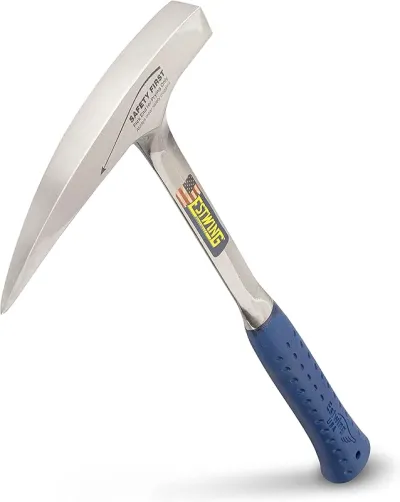
Estwing 22 oz Geological Pick
If you buy one hammer, make it this one.
Check price on Amazon
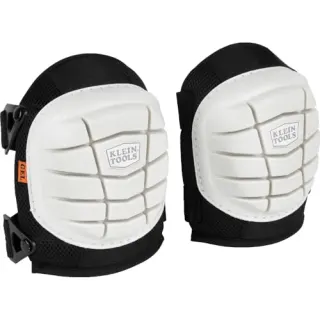
NoCry Professional Construction Knee Pads
Buy once — your knees will notice by lunch.
Check price on Amazon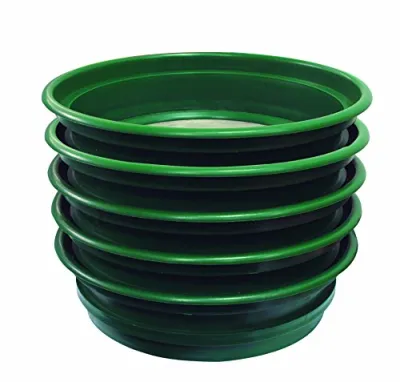
SE 5-Pack Stackable Classifier Set
If you buy one classifying kit, buy this set.
Check price on AmazonDisclosure: Gear links may earn a commission as an Amazon Associate — at no extra cost to you. Learn more.
Access & fees
Crater of Diamonds is an Arkansas state park and charges admission per person, with rates running to roughly $15 for adults and free entry for children under 6. Equipment rental is separate. The finders-keepers policy is the defining rule: any rock, mineral or diamond you find in the search area is yours to take home, regardless of value. In exchange, the park sets clear limits on method. Search the designated 37-acre field only, use hand tools, and follow staff direction about which sections are open after plowing. The search field closes in hard weather and may be partially closed for plowing or maintenance. Hours for the search area are 8 a.m. to 4 p.m. daily, shorter than general park hours, so arrive with enough of the day left to make the admission worthwhile. Call 870-285-3113 to confirm conditions, especially after heavy rain.
Crater of Diamonds is an Arkansas state park and charges admission per person, with rates running to roughly $15 for adults and free entry for children under 6. Equipment rental is separate.
The finders-keepers policy is the defining rule: any rock, mineral or diamond you find in the search area is yours to take home, regardless of value. In exchange, the park sets clear limits on method. Search the designated 37-acre field only, use hand tools, and follow staff direction about which sections are open after plowing.
The search field closes in hard weather and may be partially closed for plowing or maintenance. Hours for the search area are 8 a.m. to 4 p.m. daily, shorter than general park hours, so arrive with enough of the day left to make the admission worthwhile. Call 870-285-3113 to confirm conditions, especially after heavy rain.
Frequently asked questions
Do you really keep the diamonds you find at Crater of Diamonds?
Yes. The park's finders-keepers policy means any rock, mineral or diamond you find in the 37-acre search area is yours to take home regardless of value. Staff at the Diamond Discovery Center will identify finds free of charge, and they document significant diamonds, but the stone stays with you.
How much does it cost to dig at Crater of Diamonds State Park?
Admission is charged per person, running to roughly $15 for adults, with children under 6 admitted free. Digging equipment rents separately: the park offers basic and advanced kits in the $15 to $20 range plus individual tools. Camping in the 47-site campground is billed separately.
When is the best time to search for diamonds at Crater of Diamonds?
Just after heavy rain, in spring or fall. Rain washes lighter soil off heavier stones and leaves diamonds sitting on the surface, which is how many of the larger finds are made. The search area is open 8 a.m. to 4 p.m. daily, closed on major holidays.
What else besides diamonds is found at Crater of Diamonds?
Amethyst, garnet, jasper, agate and quartz turn up far more often than diamonds, and all of them fall under the same finders-keepers policy. Diamonds themselves occur in three natural colors at this site: white, brown and yellow.
Why can you find diamonds at Crater of Diamonds State Park?
The search field is the eroded surface of a lamproite volcanic pipe, a rare structure that carried diamonds up from deep in the mantle. It is the only such deposit in the world open to public searching, which is why this is the only place the public can hunt diamonds in their original source rock.
How often are diamonds found at Crater of Diamonds?
On average one or two a day across all visitors, though it varies enormously with weather and season. More than 37,000 diamonds have been found since the site became a state park in 1972. Most are small, well under a carat, and most visitors leave with amethyst, jasper or quartz rather than a diamond.
What is the best method for finding diamonds at Crater of Diamonds?
The park teaches three at the Diamond Discovery Center: surface searching, dry sifting and wet sifting. Wet sifting is the most productive because it concentrates heavy material, though it is also the muddiest and most physical. Surface searching works best right after heavy rain, which washes soil off heavier stones.
What was the largest diamond found at Crater of Diamonds?
The Uncle Sam, at 40.23 carats, found in 1924 before the site became a state park. It remains the largest diamond ever found in the United States. Other named stones from the field include the Star of Murfreesboro and the Strawn-Wagner, which was cut to a perfect grade.
Do you need to bring your own equipment to Crater of Diamonds?
No. The park rents basic and advanced diamond-hunting kits in roughly the $15 to $20 range, plus individual tools. Bringing your own works too: a bucket, screen set, trowel, knee pads, gloves and a change of clothes cover most of what wet sifting requires.
Can you camp at Crater of Diamonds State Park?
Yes. The park has 47 campsites, including sites with hookups, plus walking trails, a gift shop and the seasonal Diamond Springs Water Park. Book ahead for spring and autumn, which are both the most comfortable digging seasons and the busiest.
Is Crater of Diamonds worth visiting if you probably will not find a diamond?
The answer collectors give is that it depends on what you expect to take home. People who treat it as a diamond lottery mostly come away disappointed, because the realistic odds on any single day are low. People who treat it as a day of sifting where amethyst, garnet, jasper, agate and quartz are all yours to keep, in the only place on earth the public can hunt diamonds in their source rock, consistently describe it as worth the admission.
What do experienced visitors say about timing a trip after rain?
This is the single most repeated piece of advice about the park. Heavy rain washes lighter soil off heavier stones and leaves diamonds sitting on the surface, and a significant share of larger finds are made by people walking the field in the days immediately after a storm rather than by sifting. The trade is that the plowed field turns to heavy mud, so people who plan around rain also plan for boots and a change of clothes.
Regional guide
This spot is featured in our Arkansas quartz & diamond country roundup with related rockhounding sites in Arkansas.
Explore related hubs
Report an access change
Field conditions change. If this site is closed, claimed, flooded, or the fee has changed, tell us — we update listings with community tips and desk verification.
Include the date you visited and any land-manager contact. Do not share private gate codes.
Map & location
Culture & history
Diamonds were discovered on this ground in 1906 by farmer John Huddleston, and a run of commercial mining ventures followed over the next several decades, none of them lastingly profitable. The site operated as a private tourist attraction before Arkansas purchased it and opened Crater of Diamonds State Park in 1972. That history matters to what visitors see today. The field is not pristine volcanic surface but ground that has been worked, plowed and reworked for over a century, which is part of why material keeps turning up. Named stones such as the Uncle Sam, the Star of Murfreesboro and the Strawn-Wagner are part of the park's public record and are documented in the Discovery Center.
Conservation
The park's rules exist to keep a finite field productive for everyone. Search only in the designated area, fill any holes you dig, and follow staff direction when sections are closed for plowing. Rinse your gravel in the provided wash areas rather than in natural drainages, and pack out everything you bring in. The soil here is fine and erodes quickly once disturbed, so avoid cutting channels that will run during the next storm. Report large or unusual finds to staff, who document significant diamonds for the park's long-running record even though the stone remains yours.
Sources & updates
Official land managers cited on this page
Always confirm current rules, closures, and fees on the agency site before visiting.
Spotted outdated access, fees, or safety info? Use Report an access change on this page or send a correction with the page URL — we review every submission.