
Emerald Hollow Mine
Rockhounding site in Hiddenite, North Carolina · Gemstones
Emerald Hollow Mine is a emerald rockhounding site near Hiddenite, NC. Fee required. Best season: Spring through autumn.
Typical season: Spring through autumn
About Emerald Hollow Mine
Emerald Hollow Mine sits on 69 acres at Hiddenite in Alexander County, North Carolina, and it makes an unusually specific claim: it is the only emerald mine in the world open to the public for prospecting. That claim holds because the Hiddenite district is a genuine emerald-producing area and because this operation lets visitors work the native ground rather than only wash imported ore.
The district's geology is the reason. Emerald and hiddenite occur in pockets within pegmatite and fractured country rock in the Brushy Mountains, and the area has produced some of the finest emeralds ever found in North America. Hiddenite itself, a chromium-bearing green variety of spodumene, was first described from here in the 1880s and named for the mineralogist W. E. Hidden.
Visitors choose among three methods, all covered by a single day permit: sluicing, which is seated and easy; creeking, which means working the on-site stream where natural water sorting has already concentrated heavy material; and digging, which means shovelling and screening your own native soil. You may leave and return the same day on one permit, which suits a long day split across methods.
Key facts
Structured details for trip planning — verify access and fees with the land manager before you visit.
- Specimen type
- Emerald
- Primary specimens
- Emerald, Hiddenite, Aquamarine, Quartz, Garnet, Sapphire, Rutile, Tourmaline
- Fee status
- Fee required
- Nearest town
- Hiddenite
- State
- North Carolina
- Coordinates
- 35.91400, -81.55500
- Best season
- Spring through autumn. Creeking is most pleasant in warm weather and most productive after rain has moved the creek gravel
- Access difficulty
- Easy to moderate, and entirely your choice. Sluicing is seated work; creeking means wading and turning cobbles; digging is sustained shovel and screen work
- Collecting hazards
- Access restrictions
- Camping
- No camping on site. Campgrounds and lodging operate around Statesville and Taylorsville
- Activities
- Sluicing purchased or dug buckets, creeking the on-site stream, and digging your own native soil
- Facilities
- Covered sluiceway, on-site staff, gift shop, restrooms, picnic area. Hiddenite and Statesville have food and lodging
- Last updated
- 2026-09-15
What to pack for Emerald Hollow Mine
Gear we compare for gemstones trips like this one — tools, safety, and the hike in.


Disclosure: Gear links may earn a commission as an Amazon Associate — at no extra cost to you. Learn more.
The experience
- Best time to visitSpring through autumn. Creeking is most pleasant in warm weather and most productive after rain has moved the creek gravel
- AccessEasy to moderate, and entirely your choice. Sluicing is seated work; creeking means wading and turning cobbles; digging is sustained shovel and screen work
- FacilitiesCovered sluiceway, on-site staff, gift shop, restrooms, picnic area. Hiddenite and Statesville have food and lodging
- Camping nearbyNo camping on site. Campgrounds and lodging operate around Statesville and Taylorsville
Highlights & features
- The only public emerald mine in the world open for prospecting, on 69 acres in the Hiddenite district
- One day permit covers all three methods: sluicing, creeking and digging
- You may leave and return the same day on one permit
- Hiddenite, the green spodumene named for this district, occurs here alongside emerald
- North Carolina's Hiddenite district has produced some of the finest emeralds ever found in North America
- Emerald and hiddenite occur in pockets within pegmatite and fractured country rock of the Brushy Mountains
- Hiddenite is a chromium-bearing green variety of spodumene, first described from this district in the 1880s and named for W. E. Hidden
- Buckets are filled with native soil and are not sifted for gemstones before purchase
How to get there
Emerald Hollow Mine is at 484 Emerald Hollow Mine Drive, Hiddenite, North Carolina, in Alexander County, about 15 minutes from Taylorsville and 40 minutes northwest of Statesville. All approaches are paved and suitable for any vehicle. Parking is on site. The main office number is 828-635-1126 and the sluiceway is on 828-632-3394, and it is worth calling ahead, because prices and hours change and weather affects the creek.
From Interstate 40 at Statesville, take NC Highway 90 west toward Taylorsville and Hiddenite and follow signs to the mine. From Charlotte the drive is around an hour and a quarter; from Asheville around an hour and a half.
Plan your visit
Plan most of a day and split it across methods. Many visitors sluice first to learn what the gemstones look like, then creek, then dig if they still have energy.
One permit covers sluicing, creeking and digging, and you may leave and return the same day, which makes a lunch break in Taylorsville practical. Permits are required for every individual at the sluiceway, creek or dig site whether they are participating or not, so plan for non-digging companions too.
Bring closed-toe shoes you can soak, a change of clothes, a towel, sunscreen, water and containers for finds. Tools are available on site. Buckets of native soil can be bought to sluice, and the mine is explicit that these are filled with native soil and are not sifted for gemstones before purchase. Enriched buckets are sold separately, so ask which you are buying if the distinction matters to you. Buckets to take away can be bought by calling ahead, no permit needed.
Timing: spring through autumn. Facilities: covered sluiceway, gift shop, restrooms. Combine with other North Carolina collecting areas such as the Cowee Valley ruby mines.
Things you need to take to Emerald Hollow Mine

DEWALT DPG82 Concealer Safety Glasses
Buy two pairs — one lives in your pack permanently.
Check price on Amazon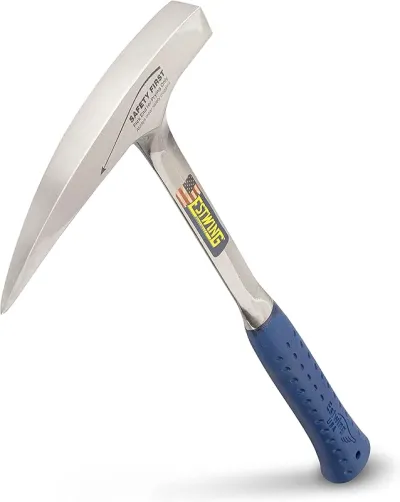
Estwing 22 oz Geological Pick
If you buy one hammer, make it this one.
Check price on Amazon
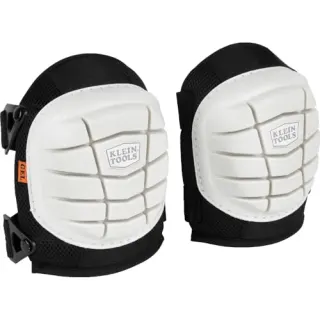
NoCry Professional Construction Knee Pads
Buy once — your knees will notice by lunch.
Check price on Amazon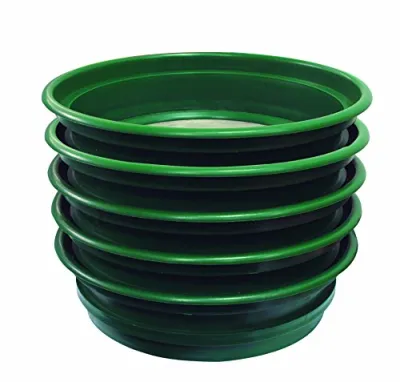
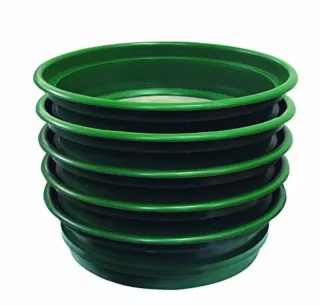
SE 5-Pack Stackable Classifier Set
If you buy one classifying kit, buy this set.
Check price on AmazonDisclosure: Gear links may earn a commission as an Amazon Associate — at no extra cost to you. Learn more.
Access & fees
Emerald Hollow Mine is a private commercial operation on private land, running under an active mining permit, and its rules govern everything about a visit. The permit rule is unusually strict and worth reading twice: permits are required for every individual at the sluiceway, creek or dig site, participating or not. That is a condition of the mine's own permit rather than a sales tactic, so bringing an unpermitted friend to watch is not an option. One day permit covers all three prospecting methods and allows you to leave and return the same day. Buckets of native soil are sold for sluicing, unsifted. Enriched buckets are a separate product. Buckets bought purely to take home do not require a permit and can be arranged by phone. Everything you find is yours. Do not attempt to prospect the surrounding Hiddenite district outside the mine boundary; the emerald ground there is private, actively claimed and closely held. Call 828-635-1126 for current rates, hours and creek conditions.
Emerald Hollow Mine is a private commercial operation on private land, running under an active mining permit, and its rules govern everything about a visit.
The permit rule is unusually strict and worth reading twice: permits are required for every individual at the sluiceway, creek or dig site, participating or not. That is a condition of the mine's own permit rather than a sales tactic, so bringing an unpermitted friend to watch is not an option.
One day permit covers all three prospecting methods and allows you to leave and return the same day. Buckets of native soil are sold for sluicing, unsifted. Enriched buckets are a separate product. Buckets bought purely to take home do not require a permit and can be arranged by phone.
Everything you find is yours. Do not attempt to prospect the surrounding Hiddenite district outside the mine boundary; the emerald ground there is private, actively claimed and closely held. Call 828-635-1126 for current rates, hours and creek conditions.
Frequently asked questions
Is Emerald Hollow Mine really the only public emerald mine?
It bills itself as the only emerald mine in the world open to the public for prospecting, on 69 acres at Hiddenite, North Carolina. Other operations sell emerald-bearing ore or salted buckets, but public access to dig native emerald ground is what makes this site unusual. The Hiddenite district is a genuine emerald producer, which is what gives the claim substance.
Does one permit cover sluicing, creeking and digging?
Yes. A single day permit covers all three prospecting methods, and you may leave and return the same day on it. Permits are required for every individual at the sluiceway, creek or dig site whether they are participating or not, which is a condition of the mine's own active mining permit.
Are the buckets at Emerald Hollow salted?
Both kinds are sold, so ask. Standard buckets are filled with native soil and, in the mine's own words, are not sifted for native gemstones and minerals before purchase. Enriched buckets, which contain added material, are sold separately. If you want to know that a find came from Hiddenite ground, buy native soil or dig your own.
What gems can you find at Emerald Hollow Mine?
Emerald and hiddenite are the headline finds, with aquamarine, quartz, garnet, sapphire, rutile and tourmaline also occurring. Emerald and hiddenite form in pockets within pegmatite and fractured country rock of the Brushy Mountains, and the district has produced some of the finest emeralds ever found in North America.
Where is Emerald Hollow Mine?
At 484 Emerald Hollow Mine Drive, Hiddenite, North Carolina, in Alexander County, roughly 15 minutes from Taylorsville and 40 minutes northwest of Statesville off Interstate 40. Call the main office on 828-635-1126 or the sluiceway on 828-632-3394 for current rates, hours and creek conditions.
How much does it cost to dig at Emerald Hollow Mine?
The mine charges a day permit per person plus the cost of any buckets, and rates change, so call 828-635-1126 rather than relying on a figure from an older guide. What the permit covers is consistent: sluicing, creeking and digging for the whole day, with the ability to leave and return. Enriched buckets are an extra purchase on top of the permit.
What is hiddenite the mineral?
A green, chromium-bearing variety of the mineral spodumene, first described from this district in the 1880s and named after the mineralogist W. E. Hidden. It is a collector gem in its own right and is rarer than the emerald found alongside it. The village of Hiddenite in Alexander County takes its name from the mineral.
Which method finds the most at Emerald Hollow: sluicing, creeking or digging?
They suit different visitors. Sluicing is the easiest and the most reliable way to see gemstones on your first visit, because you are washing concentrated material. Creeking works a stream where water has already sorted heavy minerals, which rewards patience. Digging your own native soil gives the best chance of an unexpected pocket but takes the most effort for the least guaranteed return.
Is Emerald Hollow Mine good for kids?
Sluicing works well for children, since it is seated, shaded and produces visible results quickly, and creeking is popular with families in warm weather. The one thing to plan for is that a permit is required for every individual at the prospecting areas whether they participate or not, so a non-digging parent or sibling still needs one.
When is the best time to visit Emerald Hollow Mine?
Spring through autumn. Creeking is most pleasant in warm weather and most productive after rain has shifted the creek gravel and exposed fresh material. Carolina foothill humidity makes midsummer afternoons draining, so an early start and a shaded lunch break make for a better day than pushing through the heat.
Is dig-your-own at Emerald Hollow worth it compared with sluicing?
Forum opinion leans toward sluicing and creeking for most visitors, with several collectors reporting that digging their own native soil felt like a lot of work for little return on a single day. The counterpoint people raise is that the day permit covers all three methods, so digging costs nothing extra to try. The practical consensus is to sluice first so you learn what emerald and hiddenite look like in the concentrate, then spend remaining time in the creek, and treat digging as an experiment rather than the plan.
Do visitors feel the enriched buckets undercut the experience?
This is the most common complaint in discussion threads, and it is really a question about knowing what you bought. Collectors who care about provenance object to enriched buckets being available at a site whose selling point is native ground. The mine sells both and distinguishes between them, stating that standard buckets are native soil and are not sifted before purchase. The advice that comes out of these threads is simple: ask which product you are handed, and dig or creek if you want a find you can attribute to the Hiddenite district.
What do repeat visitors say makes a good day at Emerald Hollow?
The recurring advice is to treat it as a full day rather than a stop, to use the leave-and-return allowance on one permit for a proper lunch break, and to spend time in the creek rather than only at the sluice. People who come away happy generally describe learning to recognise the material first, then working slowly in one productive spot, rather than moving constantly. Those who leave disappointed usually describe arriving late, trying all three methods in two hours, and not knowing what they were looking at.
Regional guide
This spot is featured in our North Carolina gem & pegmatite belt roundup with related rockhounding sites in North Carolina.
Explore related hubs
Report an access change
Field conditions change. If this site is closed, claimed, flooded, or the fee has changed, tell us — we update listings with community tips and desk verification.
Include the date you visited and any land-manager contact. Do not share private gate codes.
Map & location
Culture & history
The Hiddenite district became famous in the 1880s, when emerald and a new green spodumene were found here during prospecting for other minerals. The spodumene was described as a new variety and named hiddenite after W. E. Hidden, who was working the area for Thomas Edison at the time. North Carolina emerald has kept the district in the literature ever since, with several of the largest and finest North American emeralds coming from Alexander County ground. The tourist prospecting operation at Emerald Hollow grew out of that commercial history, and the village of Hiddenite takes its name from the mineral rather than the other way round.
Conservation
At a commercial mine on private ground, the main obligations are to the operator and to other visitors: follow the permit rules, work where staff direct, and leave your area tidy. In the creek, avoid undercutting banks and refill any hole you dig in the streambed, since sedimentation from careless digging affects water downstream. Do not prospect outside the mine boundary in the Hiddenite district, which is private and actively worked. Pack out everything you bring, and leave tailings where staff ask rather than scattered across the working areas.
Sources & updates
Spotted outdated access, fees, or safety info? Use Report an access change on this page or send a correction with the page URL — we review every submission.