
Gem Mountain Sapphire Mine
Rockhounding site in Philipsburg, Montana · Gemstones
Gem Mountain Sapphire Mine is a sapphire rockhounding site near Philipsburg, MT. Fee required. Best season: The mine site season runs May 20 to September 5, 2026, Wednesday through Saturday.
Typical season: The mine site season runs May 20 to September 5, 2026, Wednesday through Saturday
About Gem Mountain Sapphire Mine
Gem Mountain works the Rock Creek sapphire deposit near Philipsburg in western Montana, one of the state's three major sapphire areas alongside the Missouri River gravel bars near Helena and the famous Yogo Gulch. Rock Creek is the one set up for visitors: the operation sells buckets of natural sapphire-bearing gravel and provides the troughs, water and staff to help you wash them.
The process is straightforward and suits almost anyone. You buy a bucket, take it to an outdoor washing trough, screen away the fines, and sort the remaining concentrate for sapphires. The mine reckons a first-time visitor takes about 45 minutes per bucket, and the standard $55 bucket holds roughly 25 pounds of 2-gallon material.
What comes out is usually pale. Rock Creek sapphires span a pastel range of blue, green, yellow, orange, pink and parti-colours, and most rough is heat treated to bring the colour up, which is why the mine runs treating and faceting services and processes over 24,000 customer stones a year. Their published figure for finished stones between 0.50 and 0.99 carats is $400 to $600 per carat, which sets a realistic expectation for what a good day can produce.
Key facts
Structured details for trip planning — verify access and fees with the land manager before you visit.
- Specimen type
- Sapphire
- Primary specimens
- Montana Sapphire, Garnet, Gold, Ruby
- Fee status
- Fee required
- Nearest town
- Philipsburg
- State
- Montana
- Coordinates
- 46.33200, -113.29500
- Best season
- The mine site season runs May 20 to September 5, 2026, Wednesday through Saturday. The Philipsburg shop is open year round, seven days a week
- Access difficulty
- Easy. Washing gravel at a trough is standing work that suits most ages and abilities. A first bucket takes about 45 minutes
- Collecting hazards
- Access restrictions
- Dogs allowed
- Yes
- Camping
- Six free first-come campsites at the mine site during open hours, Wednesday through Saturday, with well water and porta-toilets. Dogs allowed on leash
- Land manager
- U.S. Forest Service
- Activities
- Washing sapphire gravel at the trough and sorting concentrate for stones
- Facilities
- Washing troughs, sorting tables, staff evaluation, porta-toilets and well water at the mine site; a year-round shop in downtown Philipsburg
- Last updated
- 2026-09-15
What to pack for Gem Mountain Sapphire Mine
Gear we compare for gemstones trips like this one — tools, safety, and the hike in.


Disclosure: Gear links may earn a commission as an Amazon Associate — at no extra cost to you. Learn more.
The experience
- Best time to visitThe mine site season runs May 20 to September 5, 2026, Wednesday through Saturday. The Philipsburg shop is open year round, seven days a week
- AccessEasy. Washing gravel at a trough is standing work that suits most ages and abilities. A first bucket takes about 45 minutes
- FacilitiesWashing troughs, sorting tables, staff evaluation, porta-toilets and well water at the mine site; a year-round shop in downtown Philipsburg
- Camping nearbySix free first-come campsites at the mine site during open hours, Wednesday through Saturday, with well water and porta-toilets. Dogs allowed on leash
Highlights & features
- Rock Creek is one of Montana's three major sapphire areas, alongside the Missouri River bars and Yogo Gulch
- A $55 bucket holds roughly 25 pounds of natural sapphire gravel and takes about 45 minutes to wash
- The mine processes over 24,000 customer stones a year and offers heat treating and faceting
- Six free campsites at the mine site during open days
- A year-round Philipsburg shop means you can wash gravel even outside the mine season
- Montana sapphires from Rock Creek occur in a full pastel range: blue, green, yellow, orange, pink and parti-coloured
- Most rough comes out pale and is heat treated to bring up colour, which is why on-site treatment is part of the business
- Finished stones between 0.50 and 0.99 carats average $400 to $600 per carat according to the mine
How to get there
Gem Mountain has two locations. The mine site sits in the Rock Creek drainage southwest of Philipsburg, reached from Montana Highway 38, the Skalkaho Highway, on gravel forest road. The year-round shop is at 201 West Broadway Street in downtown Philipsburg. Philipsburg is on Montana Highway 1, the Pintler Scenic Route, between Interstate 90 at Drummond and Anaconda. The town is an easy paved drive from Missoula or Butte, both around an hour and a half. The road to the mine site is gravel and can be rough, so check conditions before towing a trailer or driving a low vehicle. Call 406-859-4367 for road status and to confirm the mine site is open, since it runs only Wednesday through Saturday in season while the town shop is open seven days.
Gem Mountain has two locations. The mine site sits in the Rock Creek drainage southwest of Philipsburg, reached from Montana Highway 38, the Skalkaho Highway, on gravel forest road. The year-round shop is at 201 West Broadway Street in downtown Philipsburg.
Philipsburg is on Montana Highway 1, the Pintler Scenic Route, between Interstate 90 at Drummond and Anaconda. The town is an easy paved drive from Missoula or Butte, both around an hour and a half.
The road to the mine site is gravel and can be rough, so check conditions before towing a trailer or driving a low vehicle. Call 406-859-4367 for road status and to confirm the mine site is open, since it runs only Wednesday through Saturday in season while the town shop is open seven days.
Plan your visit
Decide which location suits your trip. The mine site operates May 20 to September 5, 2026, Wednesday through Saturday, and gives you the outdoor trough experience plus free camping. The Philipsburg shop runs year round, seven days a week, 9am to 4pm January to April and 9am to 5pm May to December, so you can wash gravel outside the mine season.
Budget about 45 minutes per bucket for a first-timer and buy more than one if you want a real session. The standard natural sapphire gravel bucket is $55 for roughly 25 pounds; larger jugs and party bags cost more.
Bring clothes you can get dirty, a jacket, bug spray, sunscreen, a hat and a camera. The mine specifically suggests bringing a chair if you might want to sit, since shade and seating are not guaranteed, and notes that reading glasses or a sharp-eyed child help enormously with spotting the smaller stones.
Six free first-come campsites operate at the mine site during open hours, with well water, porta-toilets and dogs allowed on leash. Combine the trip with other Montana collecting areas such as Crystal Park.
Things you need to take to Gem Mountain Sapphire Mine

DEWALT DPG82 Concealer Safety Glasses
Buy two pairs — one lives in your pack permanently.
Check price on Amazon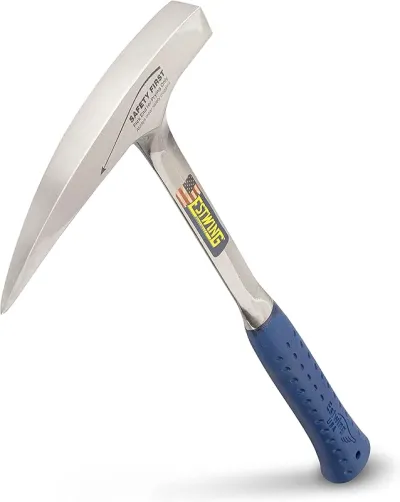
Estwing 22 oz Geological Pick
If you buy one hammer, make it this one.
Check price on Amazon
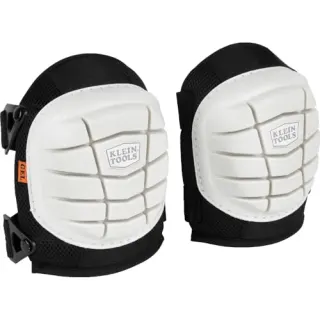
NoCry Professional Construction Knee Pads
Buy once — your knees will notice by lunch.
Check price on Amazon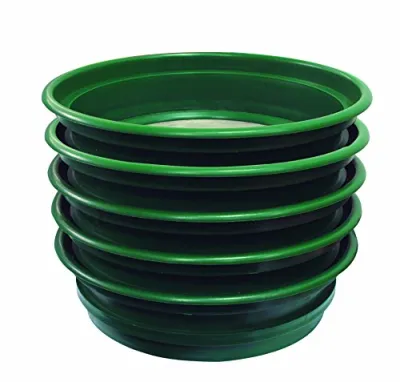
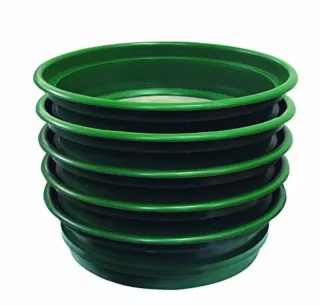
SE 5-Pack Stackable Classifier Set
If you buy one classifying kit, buy this set.
Check price on AmazonDisclosure: Gear links may earn a commission as an Amazon Associate — at no extra cost to you. Learn more.
Access & fees
Gem Mountain is a private commercial operation and the sapphire ground is not open to independent prospecting. Access is by buying gravel and washing it at the provided facilities, either at the mine site in season or at the Philipsburg shop year round. The gravel is natural Rock Creek material rather than salted ore, which is the point of the operation and worth confirming when you buy, since practice varies across gem tourism generally. Everything you find in your bucket is yours. Heat treating and faceting are separate paid services, and they are worth understanding before you commit. Most Rock Creek rough is pale and improves substantially with treatment, so the stone you take home raw and the stone you receive back cut are quite different objects with quite different values. The surrounding Rock Creek drainage is a mix of national forest and private ground with mining history and active claims. Do not prospect outside the operation without confirming land status and claim status first. Call 406-859-4367 for current prices, road conditions and site hours.
Gem Mountain is a private commercial operation and the sapphire ground is not open to independent prospecting. Access is by buying gravel and washing it at the provided facilities, either at the mine site in season or at the Philipsburg shop year round.
The gravel is natural Rock Creek material rather than salted ore, which is the point of the operation and worth confirming when you buy, since practice varies across gem tourism generally. Everything you find in your bucket is yours.
Heat treating and faceting are separate paid services, and they are worth understanding before you commit. Most Rock Creek rough is pale and improves substantially with treatment, so the stone you take home raw and the stone you receive back cut are quite different objects with quite different values.
The surrounding Rock Creek drainage is a mix of national forest and private ground with mining history and active claims. Do not prospect outside the operation without confirming land status and claim status first. Call 406-859-4367 for current prices, road conditions and site hours.
Frequently asked questions
How much is a bucket of sapphire gravel at Gem Mountain?
The standard natural sapphire gravel bucket is $55 and holds about 25 pounds of 2-gallon material. Larger jugs and party bags cost more. Washing at the trough is included, and the mine estimates a first-time visitor takes roughly 45 minutes to work through a single bucket.
When is Gem Mountain open?
The mine site runs May 20 to September 5, 2026, Wednesday through Saturday. The year-round shop in downtown Philipsburg is open seven days a week, 9am to 4pm from January to April and 9am to 5pm from May to December, so gravel washing is available outside the mine season.
What colours are Montana sapphires from Rock Creek?
A full pastel range: blue, green, yellow, orange, pink and parti-coloured stones showing more than one colour in a single crystal. Most rough comes out of the gravel pale, which is why heat treatment is standard practice and why the mine offers treating and faceting as on-site services.
Is the gravel at Gem Mountain salted?
The mine sells it as natural sapphire gravel from the Rock Creek deposit rather than enriched material, and the whole operation is built on that deposit. It is always worth asking when you buy, since practice varies across gem tourism, but Rock Creek is a genuine sapphire-bearing gravel and the buckets come from it.
Can you camp at Gem Mountain?
Yes. Six free campsites operate at the mine site on a first-come basis during open hours, Wednesday through Saturday in season, with well water and porta-toilets available and dogs permitted on leash. There is no reservation system, so arrive early on summer weekends.
Are Montana sapphires valuable?
They can be, particularly after cutting. Gem Mountain publishes an average of $400 to $600 per carat for finished stones between 0.50 and 0.99 carats. Rough straight from a bucket is worth far less, because most Rock Creek material is pale and gains its colour through heat treatment, and because cutting yield from small waterworn rough is modest.
What is the difference between Rock Creek and Yogo sapphires?
Yogo sapphires, from Yogo Gulch in Judith Basin County, are naturally cornflower blue and need no heat treatment, which makes them the most celebrated American sapphires and correspondingly expensive. Rock Creek sapphires near Philipsburg come in a pastel range and are usually heat treated. Yogo ground is not open to public digging; Rock Creek gravel is.
How long does it take to wash a bucket of sapphire gravel?
About 45 minutes for a first-time visitor, according to the mine, and faster once you have the rhythm of screening and sorting. Budget more than one bucket if you want a proper session, and allow extra time at the end for staff to evaluate your stones and discuss heat treating or faceting.
Do you need to book at Gem Mountain?
Not for standard bucket washing, which is walk-in during open hours. It is worth calling 406-859-4367 ahead of a trip to the mine site, though, both to confirm it is open on the day you plan to come and to check gravel road conditions, especially if you are driving a low vehicle or towing.
Can children wash sapphire gravel at Gem Mountain?
Yes, and it suits them well. Washing at a trough is standing work rather than digging, the results are visible quickly, and the mine specifically notes that sharp young eyes help with spotting the smaller stones. Bring a jacket, sun protection and bug spray, since the mine site is outdoors at elevation.
Is buying gravel at Gem Mountain better value than digging elsewhere in Montana?
Collectors who compare the Montana options usually frame it as a trade between certainty and effort. Buying Rock Creek gravel at Gem Mountain guarantees sapphire-bearing material and a place to wash it, which is why it suits families and first visits. Working the Missouri River bars near Helena, where fee operations also exist, or screening on your own where access allows, costs less per hour but demands you find productive ground yourself. Nobody in these discussions describes Yogo as an option, because that ground is not open to the public.
Is it worth paying for heat treatment on stones you wash yourself?
The practical advice that circulates is to decide based on size rather than sentiment. Most Rock Creek rough is small and pale, and treatment plus faceting costs money per stone, so putting the whole bucket through rarely makes sense. Collectors who are happy with the result describe picking the few largest and cleanest stones for treatment and keeping the rest as natural rough. Anyone treating stones should also understand that heat treatment is standard, disclosed practice for Montana sapphire rather than something that diminishes the stone.
Explore related hubs
Report an access change
Field conditions change. If this site is closed, claimed, flooded, or the fee has changed, tell us — we update listings with community tips and desk verification.
Include the date you visited and any land-manager contact. Do not share private gate codes.
Map & location
Culture & history
Sapphires were found in Montana in the nineteenth century, initially as an annoyance to gold miners who kept screening out hard blue pebbles. Three districts emerged: the Missouri River bars northeast of Helena, Rock Creek near Philipsburg, and Yogo Gulch in Judith Basin County, whose cornflower blue stones became the most celebrated American sapphires. Rock Creek was worked commercially for industrial-grade corundum as well as gem material, and the deposit has been mined intermittently for over a century. Philipsburg itself is a preserved silver-era mining town, which makes the visit as much a historic Montana stop as a gem one.
Conservation
At a commercial operation the obligations are mostly about conduct: follow staff direction at the troughs, keep your tailings where they ask, and leave the washing area tidy for the next group. In the surrounding Rock Creek drainage, do not prospect without confirming land and claim status, and stay out of the creek itself, which is a Montana trout fishery where bank disturbance and sediment matter. Keep vehicles on established forest roads, camp only at the designated sites, pack out everything including food waste, and keep dogs leashed around wildlife.
Sources & updates
Official land managers cited on this page
Always confirm current rules, closures, and fees on the agency site before visiting.
Spotted outdated access, fees, or safety info? Use Report an access change on this page or send a correction with the page URL — we review every submission.