
Haleakala National Park
Rockhounding site in Hawaii, Hawaii · Quartz & Crystals
Haleakala National Park is a quartz rockhounding site near Hawaii, HI. Fee required. Best season: Early morning at the summit for clear views and sunrise reservations.
Typical season: Early morning at the summit for clear views and sunrise reservations
About Haleakala National Park
Haleakala National Park protects roughly 33,000 acres on the island of Maui, from the 10,023-foot summit of Haleakala volcano down to the rain-forest coast at Kipahulu. For most visitors the park is synonymous with sunrise above the clouds and the muted red-and-gray volcanic interior of the summit crater, but geologically it is a long-lived shield volcano built from the Kula and Hana volcanic series.
The rock you actually see on trails is overwhelmingly olivine basalt. The National Park Service rock-identification page explains that basalt here is fine grained, dark gray to black, and composed mainly of pyroxene and olivine minerals, sometimes with visible phenocrysts large enough to recognize by eye. Quartz is not the rock-forming mineral visitors should expect, though minor silica phases can occur in specialized volcanic products. This listing uses quartz because databases tag the site that way, but basalt petrology is the honest field experience.
Collecting is unequivocally off the table. Federal regulation 36 CFR 2.1 prohibits removing or disturbing mineral resources in national parks, and Haleakala's own archaeology guidance tells visitors not to take rocks or other resources, not to stack stones, and to report finds to staff. The summit is also a sacred landscape to Native Hawaiians, a wahi pana and wao akua where stone was quarried for tools under traditional protocol, not for souvenir collecting.
Key facts
Structured details for trip planning — verify access and fees with the land manager before you visit.
- Specimen type
- Quartz
- Primary specimens
- Quartz, Olivine, Pyroxene, Basalt
- Fee status
- Fee required
- Nearest town
- Hawaii
- State
- Hawaii
- Coordinates
- 20.70800, -156.17847
- Best season
- Early morning at the summit for clear views and sunrise reservations. Kipahulu coast is best in drier months; check trail closures after storms
- Access difficulty
- Easy at visitor overlooks to strenuous on crater trails. Summit elevation exceeds 10,000 feet; altitude and cold are real factors
- Collecting hazards
- See safety tips
- Camping
- Two drive-in campgrounds: Hosmer Grove near the summit and Kipahulu near the coastal district. Wilderness cabins and camps require permits
- Land manager
- National Park Service
- Activities
- Geology viewing, hiking, stargazing, cultural interpretation, and birding. Rock collecting is not permitted
- Facilities
- Summit visitor center, Haleakala Visitor Center, Kipahulu Visitor Center, campgrounds, restrooms, and ranger stations
- Last updated
- 2026-09-15
What to pack for Haleakala National Park
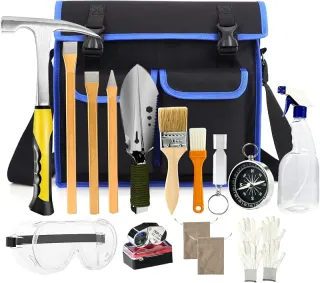
Gear we compare for quartz & crystals trips like this one — tools, safety, and the hike in.



Disclosure: Gear links may earn a commission as an Amazon Associate — at no extra cost to you. Learn more.
The experience
- Best time to visitEarly morning at the summit for clear views and sunrise reservations. Kipahulu coast is best in drier months; check trail closures after storms
- AccessEasy at visitor overlooks to strenuous on crater trails. Summit elevation exceeds 10,000 feet; altitude and cold are real factors
- FacilitiesSummit visitor center, Haleakala Visitor Center, Kipahulu Visitor Center, campgrounds, restrooms, and ranger stations
- Camping nearbyTwo drive-in campgrounds: Hosmer Grove near the summit and Kipahulu near the coastal district. Wilderness cabins and camps require permits
Highlights & features
- Summit elevation 10,023 feet on a dormant shield volcano covering three-quarters of Maui
- Olivine basalt with visible pyroxene and olivine phenocrysts on summit trails
- Haleakala adze quarry, the largest traditional stone-tool quarry on Maui
- Biosphere reserve protecting endemic Hawaiian species from coast to alpine desert
- Sunrise viewing at the summit requires a reservation during peak hours
- The summit crater rim rises more than 2,500 feet above the crater floor in places, exposing layered basalt and cinder
- Hawaiite, a dense olivine basalt prized for stone tools, was quarried historically at the summit adze quarry
- Silica minerals including quartz can appear as minor constituents in some volcanic products, but basalt textures dominate what visitors see
How to get there
Haleakala National Park has two main districts. The Summit District is reached from Kahului via Haleakala Highway, State Route 378, a winding paved road that climbs from sea level to more than 10,000 feet in about 36 miles. Allow roughly two hours from Kahului without long stops. The Kipahulu District is on the remote Hana Highway coast and is not connected by road to the summit. Many visitors book separate days for each district. Sunrise viewing in the Summit District requires a reservation during peak periods. Check the park website or call 808-572-4400 for current reservation rules, road closures, and weather advisories before leaving your hotel.
Haleakala National Park has two main districts. The Summit District is reached from Kahului via Haleakala Highway, State Route 378, a winding paved road that climbs from sea level to more than 10,000 feet in about 36 miles. Allow roughly two hours from Kahului without long stops.
The Kipahulu District is on the remote Hana Highway coast and is not connected by road to the summit. Many visitors book separate days for each district.
Sunrise viewing in the Summit District requires a reservation during peak periods. Check the park website or call 808-572-4400 for current reservation rules, road closures, and weather advisories before leaving your hotel.
Plan your visit
Plan summit and coast as separate experiences if your schedule allows. A sunrise summit trip plus a short crater hike can fill one very early morning; Kipahulu waterfalls deserve their own half day minimum.
Bring warm layers, water, sunscreen, and a hand lens if you want to study phenocrysts on trail-side basalt. Leave hammers and sample bags at home.
Timing: early morning at the summit; drier months for coastal trails. Facilities: visitor centers, campgrounds, and restrooms in each district.
Entrance fees apply per private vehicle or individual. Collecting is prohibited. Photograph textures, minerals in place, and wide crater vistas instead. Other Hawaii sites outside national parks have their own rules and should be checked individually.
Things you need to take to Haleakala National Park
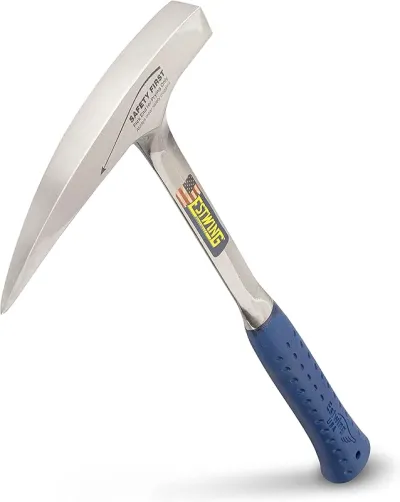
Estwing 22 oz Geological Pick
If you buy one hammer, make it this one.
Check price on Amazon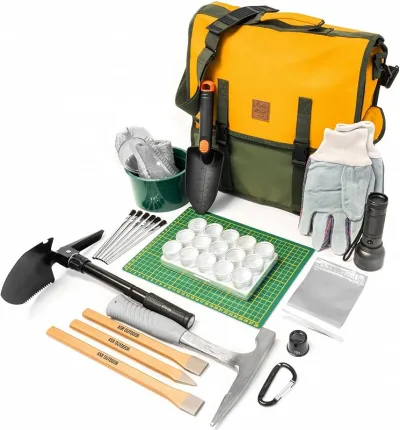
ASR Outdoor 38pc Deluxe Rock Hounding Kit
The kit to buy when you want prospecting-grade accessories, not just a hammer in a bag.
Check price on Amazon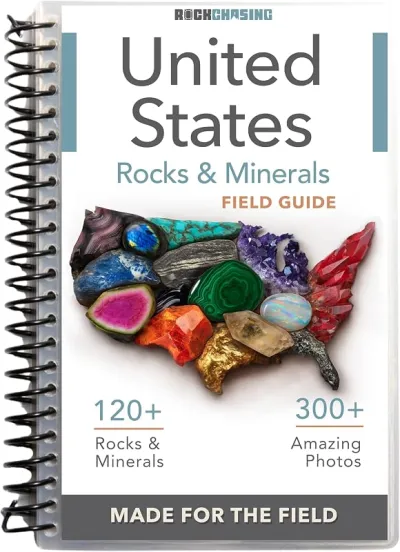
Rock Chasing US Rocks & Minerals Field Guide
The guide to clip on your pack when you do not know what you are looking at yet.
Check price on Amazon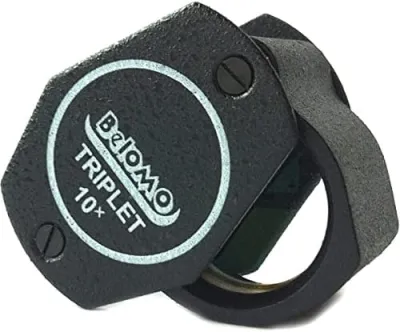
BelOMO 10x Triplet Loupe
The loupe to buy once and carry for decades.
Check price on AmazonDisclosure: Gear links may earn a commission as an Amazon Associate — at no extra cost to you. Learn more.
Access & fees
Haleakala is a National Park Service unit. Entrance fees apply, and sunrise access may require advance reservations depending on season and policy. Rock, mineral, and fossil collecting are prohibited. Regulation 36 CFR 2.1 bars possessing, removing, or disturbing mineral resources, and the park's cultural resources guidance repeats that visitors should not take rocks or create rock stacks. Metal detectors are also restricted under the same regulatory framework. Scientific collection requires a research permit. Recreational picking of even small cinder pieces is not allowed. The superintendent's compendium allows limited gathering of certain native fruits and nuts for personal use, but that list does not include rocks or minerals. If you want a legal Maui lava souvenir, buy from a licensed vendor who sources material outside the park.
Haleakala is a National Park Service unit. Entrance fees apply, and sunrise access may require advance reservations depending on season and policy.
Rock, mineral, and fossil collecting are prohibited. Regulation 36 CFR 2.1 bars possessing, removing, or disturbing mineral resources, and the park's cultural resources guidance repeats that visitors should not take rocks or create rock stacks. Metal detectors are also restricted under the same regulatory framework.
Scientific collection requires a research permit. Recreational picking of even small cinder pieces is not allowed. The superintendent's compendium allows limited gathering of certain native fruits and nuts for personal use, but that list does not include rocks or minerals. If you want a legal Maui lava souvenir, buy from a licensed vendor who sources material outside the park.
Frequently asked questions
Can you collect rocks or quartz at Haleakala National Park?
No. Federal regulation 36 CFR 2.1 prohibits removing or disturbing mineral resources in national parks, and Haleakala's cultural resources guidance explicitly tells visitors not to take rocks or other resources. Even small cinder pieces and phenocryst-rich basalt fragments must remain in the park.
What rocks are you actually seeing at Haleakala?
Mostly olivine basalt. The National Park Service describes fine-grained dark basalt composed mainly of pyroxene and olivine, sometimes with visible phenocrysts. Quartz is not the dominant mineral visitors encounter on summit trails, though minor silica phases can occur in specialized volcanic products.
Do you need a reservation for Haleakala sunrise?
During peak periods the Summit District requires a sunrise reservation for private vehicles arriving before a set morning hour. Policies change, so check the official park website or call 808-572-4400 before you drive up in the dark. Weather can close the road or obscure the view even with a reservation.
How cold is the Haleakala summit?
Often near or below freezing before dawn, even when coastal Maui is warm. Wind and thin air make it feel colder. Bring a jacket, hat, and gloves for sunrise, and expect rapid temperature swings if you hike into the crater during the day.
What is the Haleakala adze quarry?
The largest traditional stone-tool quarry on Maui, used to mine dense hawaiite basalt for adzes between roughly 1200 and 1700 A.D. and possibly later. It is an archaeological site within the park, protected from collecting and vandalism, and interpreted as part of Native Hawaiian cultural history.
Are rock stacks allowed at Haleakala?
No. Park guidance asks visitors not to create rock stacks or move stones, because cairns and memorials disturb archaeological resources and alter landscapes that hold cultural meaning. Stay on trails and practice Leave No Trace principles instead.
Can you take volcanic cinder from Haleakala as a souvenir?
No. Cinder is a mineral resource under the same National Park Service rules that prohibit collecting basalt or crystals. Many visitors assume loose cinder is harmless to remove, but rangers treat it as a violation. Buy legally sourced material from vendors outside the park if you want a souvenir.
Is Haleakala National Park the same as the entire volcano?
The park protects about 33,000 acres on Maui's southeastern volcano, but not every slope of Haleakala lies inside the boundary. Rules change at the park line. Collecting that might be discussed for other Maui land categories is still prohibited once you are inside the National Park Service unit.
What is the best trail for geology viewing in the summit district?
The Pa Ka'oao Trail and overlooks along Crater Road give easy access to basalt textures and crater views without a long hike. Sliding Sands Trail descends into the crater for a more immersive look at layered volcanic landforms, but it is strenuous and requires preparation for altitude and weather shifts.
How should rockhounds engage with Haleakala responsibly?
Treat it as a world-class volcanic laboratory you visit with eyes and cameras only. Study phenocrysts on trail-side basalt, read the park geology pages, and respect the cultural status of the summit. For collectible volcanic material, source it legally outside the park rather than removing even a single piece from the crater.
Explore related hubs
Report an access change
Field conditions change. If this site is closed, claimed, flooded, or the fee has changed, tell us — we update listings with community tips and desk verification.
Include the date you visited and any land-manager contact. Do not share private gate codes.
Map & location
Culture & history
Haleakala is a wahi pana, a legendary place, and for Native Hawaiians the summit was a wao akua, a realm of the gods. Kahuna conducted ceremonies, navigators studied stars, and adze makers quarried dense basalt for ko'i tools. The Haleakala adze quarry is the largest such quarry on Maui and was used from roughly 1200 to 1700 A.D. and possibly later. The fine-grained hawaiite basalt there lacks bubbles and impurities, which made it prized for stone tools. Today those quarries and associated features are archaeological resources protected under federal law, not open picking grounds.
Conservation
Haleakala's volcanic landscapes look tough but erode quickly once vegetation and crusts are broken. Off-trail hiking, cairn building, and rock collecting all damage resources the park was created to protect. Endemic species from silverswords at the summit to forest birds at Kipahulu depend on intact habitat. Pack out all trash, respect closed areas, and leave every stone, cinder chip, and archaeological fragment in place. Report damage or theft to rangers at 808-572-4400.
Sources & updates
Official land managers cited on this page
Always confirm current rules, closures, and fees on the agency site before visiting.
Spotted outdated access, fees, or safety info? Use Report an access change on this page or send a correction with the page URL — we review every submission.