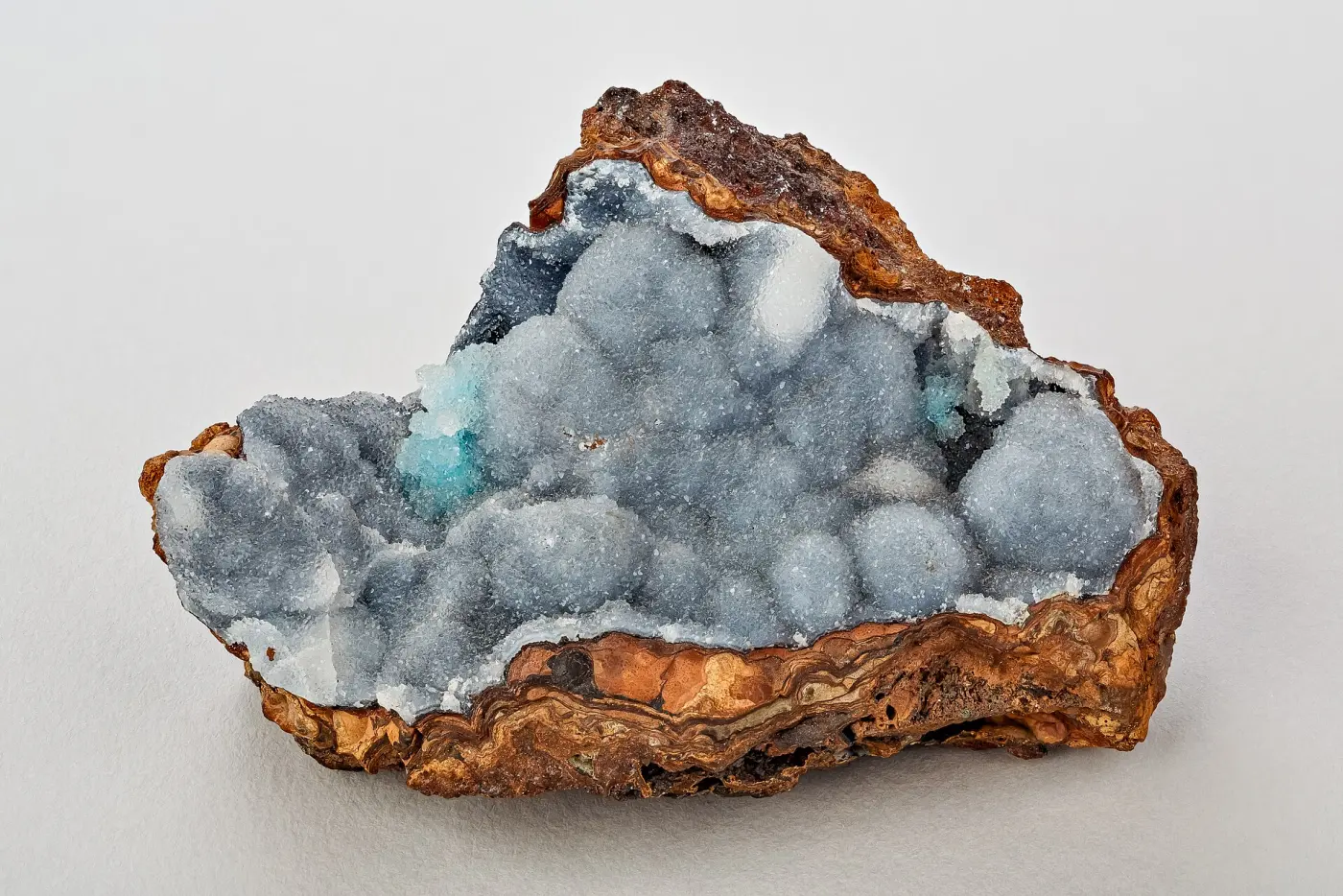
Hudson Valley Geodes
Rockhounding site in New Paltz, New York · Geodes
Hudson Valley Geodes is a geode rockhounding site near New Paltz, NY. Fee varies. Best season: April through November, when stream levels are low enough to work gravel bars where access has been arranged.
Typical season: April through November, when stream levels are low enough to work gravel bars where access has been arranged
About Hudson Valley Geodes
This listing covers the general question of quartz and calcite cavity collecting in Ulster County, New York, around New Paltz and Kingston, and it is worth being direct about what the record supports. The Hudson Valley's Silurian and Devonian carbonate units do contain crystal-lined cavities, and calcite, dolomite, quartz and pyrite are all documented from the section. What is not well supported is the idea of a public geode bed here comparable with the Keokuk belt in Iowa or the Cumberland Plateau in Tennessee.
The practical picture is that nearly all promising exposure in this part of Ulster County is private property, active quarry ground, or historic cement workings around Rosendale that are closed for good reason. Collecting in the Hudson Valley is therefore a matter of landowner relationships rather than of driving to a site.
For visitors interested in the geology itself, the area is rewarding. The carbonate section is well exposed by more than a century of cement quarrying, the Shawangunk Ridge immediately west is a spectacular quartz conglomerate, and the Catskill front beyond it exposes a thick Devonian clastic sequence. Treat this as a place to look and learn, and pursue actual collecting at confirmed sites elsewhere.
Key facts
Structured details for trip planning — verify access and fees with the land manager before you visit.
- Specimen type
- Geode
- Primary specimens
- Quartz, Calcite, Dolomite, Pyrite
- Fee status
- Fee varies
- Nearest town
- New Paltz
- State
- New York
- Coordinates
- 41.75000, -74.08000
- Best season
- April through November, when stream levels are low enough to work gravel bars where access has been arranged
- Access difficulty
- Access is the difficulty, not the terrain. Finding a landowner who will grant permission is the real work
- Parking
- Roadside / pull-off
- Collecting hazards
- Access restrictions
- Camping
- State park and private campgrounds operate around the Shawangunk Ridge and the Catskill foothills
- Activities
- Geology observation and photography. Collecting only where explicit landowner permission has been obtained
- Facilities
- None. New Paltz and Kingston have full services, and the Shawangunk Ridge preserves nearby offer marked trails
- Last updated
- 2026-09-15
What to pack for Hudson Valley Geodes
Gear we compare for geodes trips like this one — tools, safety, and the hike in.


Disclosure: Gear links may earn a commission as an Amazon Associate — at no extra cost to you. Learn more.
The experience
- Best time to visitApril through November, when stream levels are low enough to work gravel bars where access has been arranged
- AccessAccess is the difficulty, not the terrain. Finding a landowner who will grant permission is the real work
- FacilitiesNone. New Paltz and Kingston have full services, and the Shawangunk Ridge preserves nearby offer marked trails
- Camping nearbyState park and private campgrounds operate around the Shawangunk Ridge and the Catskill foothills
Highlights & features
- Ulster County exposes Silurian and Devonian carbonate units that host calcite and quartz-lined cavities
- The Rosendale district's historic natural cement quarries are cut into the same carbonate section
- The Shawangunk Ridge nearby is quartz conglomerate, a completely different and famously resistant rock
- New Paltz and Kingston are well-served bases for a geology-focused visit
- Cavity-lining minerals in these carbonates are typically calcite and dolomite, with quartz less common than in classic midwestern geode beds
- True hollow geodes of the Keokuk or Cumberland Plateau type are not characteristic of this section
- Historic cement quarrying around Rosendale opened the carbonate section unusually well for study
- The Catskill front to the west exposes Devonian clastics with a very different fossil and mineral record
How to get there
New Paltz and Kingston sit along the New York State Thruway, Interstate 87, roughly 75 to 90 miles north of New York City, and both are easy road approaches with full services. Because no public collecting site is confirmed here, the useful destinations are the preserves and parks on the Shawangunk Ridge and the interpretive sites around the Rosendale cement district, all of which are reached on paved roads. Do not plan a route that depends on entering quarry property.
From New Paltz, Route 299 and Route 32 give access toward the Shawangunk Ridge and the Rosendale area. From Kingston, Route 213 runs through Rosendale and the historic cement district.
Plan your visit
Set expectations before you go. This is a geology sightseeing day, not a dig, unless you have arranged private access in advance.
Bring a hand lens, a field notebook, a camera and good boots. A rock hammer is only useful if you have permission to use one somewhere specific. A regional geology guide to the Hudson Valley and the Shawangunks will do more for the day than any tool.
Timing: April through November. Facilities: full services in New Paltz and Kingston; none at any outcrop.
If your goal is actually to collect geodes, plan around confirmed localities instead. The Keokuk geode belt in Iowa and the Cumberland Plateau beds in Tennessee are the established public options, and New York's own strength is the Herkimer diamond mines in the Mohawk Valley, two hours northwest.
Things you need to take to Hudson Valley Geodes

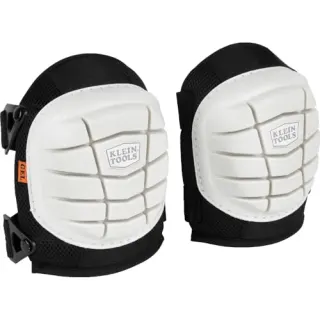
NoCry Professional Construction Knee Pads
Buy once — your knees will notice by lunch.
Check price on Amazon
DEWALT DPG82 Concealer Safety Glasses
Buy two pairs — one lives in your pack permanently.
Check price on Amazon
Osborn 8-Piece Wire & Nylon Brush Set
The standard field brush kit — keep one in every pack.
Check price on Amazon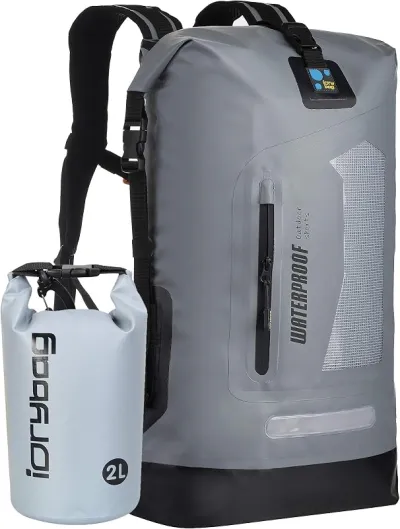
Osprey Talon 22 Backpack
The pack to save for if you collect more than a few times a year.
Check price on AmazonDisclosure: Gear links may earn a commission as an Amazon Associate — at no extra cost to you. Learn more.
Access & fees
There is no confirmed public collecting site at this location, and that should govern how you treat it. Assume every promising outcrop in Ulster County is private land or quarry property until you establish otherwise. Active quarries do not admit casual visitors, and the abandoned cement mines around Rosendale are closed because they are extensive, unstable and have caused fatalities. Entering either is trespassing as well as dangerous. New York state parks and preserves do not permit mineral collecting. Roadside cuts are highway right-of-way and stopping on them is generally prohibited and unsafe. If you want to collect here, the only legitimate path is to identify the landowner, ask, and get permission in writing that specifies what you may take and where you may park. Treat a refusal as final.
There is no confirmed public collecting site at this location, and that should govern how you treat it. Assume every promising outcrop in Ulster County is private land or quarry property until you establish otherwise.
Active quarries do not admit casual visitors, and the abandoned cement mines around Rosendale are closed because they are extensive, unstable and have caused fatalities. Entering either is trespassing as well as dangerous.
New York state parks and preserves do not permit mineral collecting. Roadside cuts are highway right-of-way and stopping on them is generally prohibited and unsafe. If you want to collect here, the only legitimate path is to identify the landowner, ask, and get permission in writing that specifies what you may take and where you may park. Treat a refusal as final.
Frequently asked questions
Are there really geodes in the Hudson Valley?
Crystal-lined cavities do occur in the Silurian and Devonian carbonates of Ulster County, typically lined with calcite and dolomite and less often quartz. But true hollow geodes of the kind found in the Keokuk belt or the Cumberland Plateau are not characteristic of this section, and no public collecting bed is confirmed here.
Where can you collect rocks legally near New Paltz and Kingston?
Nowhere without permission. Nearly all promising exposure in the area is private land, active quarry ground, or closed historic cement workings. New York state parks and preserves prohibit mineral collecting. The only legitimate route is written landowner permission for a specific parcel.
Can you visit the Rosendale cement mines?
Not as a collector. The abandoned workings are extensive and unstable and have caused fatalities, and entering them is both trespassing and genuinely dangerous. Interpretive sites and museums in the Rosendale area present the district's history safely from the surface.
Where should a New York collector go instead?
The Herkimer diamond mines in the Mohawk Valley, about two hours northwest, are the state's established fee-dig destination, with doubly terminated quartz crystals in Cambrian dolomite. For true geodes, the Keokuk belt in Iowa and the Cumberland Plateau beds in Tennessee are the recognised public options.
Is the Shawangunk Ridge worth visiting for geology?
Yes, as a viewing destination rather than a collecting one. The ridge is a resistant quartz conglomerate that forms white cliffs above the valley, and the preserves along it have marked trails and viewpoints. Collecting is not permitted in the preserves, but the exposures are among the best in the region.
Are there geodes in New York State?
Crystal-lined cavities occur in several New York settings, most famously the Herkimer diamond vugs in Mohawk Valley dolomite, which are the state's genuine claim to fame. Classic hollow geodes of the midwestern type are not characteristic of New York's geology, and no public geode bed exists in the Hudson Valley.
What is Rosendale natural cement?
A hydraulic cement produced from Silurian and Devonian carbonates in Ulster County from the 1820s onward, used in the Brooklyn Bridge, the Croton Aqueduct and the base of the Statue of Liberty. The industry is why the local carbonate section is so well exposed and why so much of it lies behind fences.
Can you collect rocks in New York state parks?
No. New York state parks and preserves do not permit mineral collecting. That matters in the Hudson Valley, where the Shawangunk Ridge preserves cover much of the most interesting exposed rock, and it removes the most obvious public option from consideration.
What is the Shawangunk Ridge made of?
Shawangunk conglomerate, a quartz pebble conglomerate so resistant that it forms white cliffs above the surrounding valley. It is a completely different rock from the carbonates in the valley below and is world famous among rock climbers. Collecting is not permitted in the ridge preserves.
Where should a Hudson Valley collector actually go?
The Herkimer diamond fee-dig mines in the Mohawk Valley, about two hours northwest, are New York's established public collecting destination. For true geodes, the Keokuk belt in Iowa and the Cumberland Plateau beds in Tennessee are the recognised options, both a considerable distance away.
Why do abandoned mines in the Hudson Valley get so many warnings?
Because the Rosendale cement workings are unusually extensive and unusually dangerous: large underground rooms, unstable pillars, flooded sections and no lighting, and they have caused fatalities. Collectors discussing the area are consistently blunt that these are not places to explore casually regardless of experience, and that the interpretive sites above ground cover the history safely.
How do collectors verify whether a listed site is real?
The method people describe is triangulation: check whether an independent source such as a state geological survey, a mineral database or a club trip report confirms the locality, and treat a site that appears only in aggregated web listings as unverified. They also recommend checking whether the reported minerals make sense for the host rock, since a mismatch between geology and claimed finds is a strong signal that an entry was generated rather than observed.
Explore related hubs
Report an access change
Field conditions change. If this site is closed, claimed, flooded, or the fee has changed, tell us — we update listings with community tips and desk verification.
Include the date you visited and any land-manager contact. Do not share private gate codes.
Map & location
Culture & history
Rosendale natural cement, quarried from the Silurian and Devonian carbonates of this district from the 1820s onward, was used in the Brooklyn Bridge, the Croton Aqueduct and the base of the Statue of Liberty, and the industry shaped the towns along Route 213 for a century. That legacy is why the local carbonate section is so well exposed, and why so much of it lies behind fences. The Delaware and Hudson Canal, built to move the cement and Pennsylvania coal, runs through the same corridor and is interpreted at several sites in the valley.
Conservation
The honest conservation message here is about access rather than about a resource. Trespass on Hudson Valley quarries and private land is what closes doors for the collectors who come next, and this district has less tolerance for it than most. Stay on public trails, photograph rather than hammer, and do not take specimens from state parks or preserves, where collecting is prohibited. Leave the historic cement infrastructure alone: it is archaeology as much as geology, and it is fragile.
Sources & updates
Spotted outdated access, fees, or safety info? Use Report an access change on this page or send a correction with the page URL — we review every submission.