
Washington Crossing State Park
Rockhounding site in New Jersey, New Jersey · Agate & Jasper
Washington Crossing State Park is a agate rockhounding site near New Jersey, NJ. Fee varies. Best season: Spring through fall.
Typical season: Spring through fall
Key facts
Structured details for trip planning — verify access and fees with the land manager before you visit.
- Specimen type
- Agate
- Primary specimens
- Black Jasper
- Fee status
- Fee varies
- Nearest town
- New Jersey
- State
- New Jersey
- Coordinates
- 40.30935, -74.86421
- Best season
- Spring through fall; confirm seasonal road access
- Access difficulty
- Moderate; remote roads possible
- Camping
- Dispersed camping may be available nearby; verify land rules
- Land manager
- State park / recreation agency
- Activities
- Rock and mineral collecting
- Facilities
- New Jersey regional services
- Last updated
- July 5, 2026
What to pack for Washington Crossing State Park
Gear we compare side by side for agate & jasper trips like this one — tools, safety, sun, and the hike in.


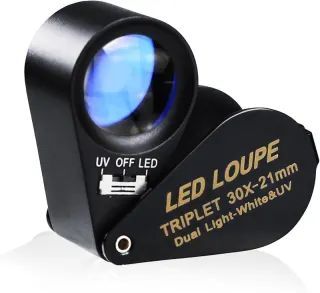
Disclosure: Gear links may earn a commission as an Amazon Associate — at no extra cost to you. Learn more.
The experience
- Best time to visitSpring through fall; confirm seasonal road access
- AccessModerate; remote roads possible
- FacilitiesNew Jersey regional services
- Camping nearbyDispersed camping may be available nearby; verify land rules
Map & location
Sources & updates
Official land managers cited on this page
Always confirm current rules, closures, and fees on the agency site before visiting.
Spotted outdated access, fees, or safety info? Send a correction with the page URL — we review every submission.
Safety notice: Field and weather conditions change with weather, season, and field conditions. Verify current conditions with local land managers before you go. Collect at your own risk — there are rarely rangers or land managers at these sites.