Find rockhounding near you with our GPS near-me locator, then use this guide to verify land access, choose free vs fee digs, and avoid common near-me pitfalls before every trip.
Searching rockhounding near me usually means you want a legitimate place to collect this weekend. Use the live GPS near-me locator as your primary tool — this guide explains how to verify land access, choose free vs fee digs, and avoid common pitfalls after you have a shortlist of pins.

The 60-second near-me workflow
- Open Near Me and allow location (or browse by city)
- For specimen goals, open a keyword GPS page — e.g. geodes near me, gold panning near me, or pay to dig sites near me
- If you want managed digs, also browse Dig sites
- Open 2–3 listings — read fees, seasons, and access notes
- Verify land status on the agency map when the listing says “confirm”
- Pack glasses + water, then go
That sequence beats scrolling social posts because every card ties to a directory entry we maintain for collectors.
Start with geographic search
Open our near-me page to filter the full directory by distance from your phone or city. If you already know your state, browse state listings — for example, Arkansas for quartz and diamonds, New York for Herkimer crystals, or Indiana for limestone geodes.
You can also explore by what you want to find:
| Intent | Best next click |
|---|---|
| Any local collecting | /near-me/ |
| Crystals / Herkimer digs | /near-me/crystal-hunting-near-me/ · /types/quartz-crystals/ |
| Geodes | /near-me/geodes-near-me/ · geodes guide |
| Agates | /near-me/where-to-find-agates-near-me/ · Agates in the USA |
| Fee dig gem mines | /near-me/pay-to-dig-sites-near-me/ · Dig sites |
Matching specimen type to geology narrows your search faster than driving random gravel roads.
Things you need to go rockhounding in Arkansas
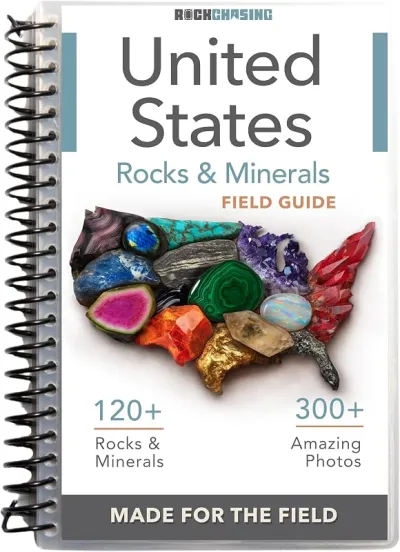
Rock Chasing US Rocks & Minerals Field Guide
The guide to clip on your pack when you do not know what you are looking at yet.
Check price on Amazon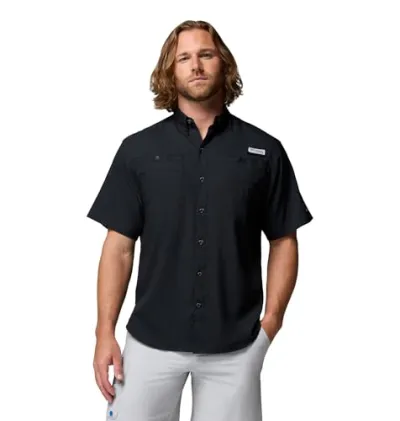
Willit UPF 50+ Sun Shirt UPF 50+
The best all-around sun shirt for rockhounding sites — light enough to collect at, dry enough to hike out in.
Check price on Amazon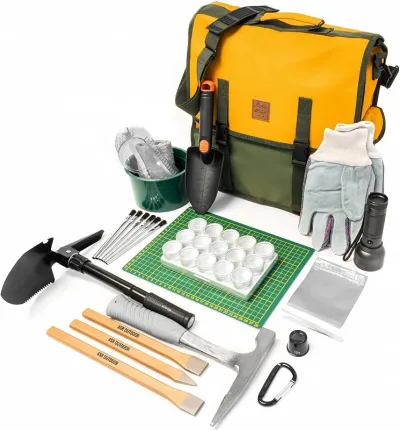
ASR Outdoor 38pc Deluxe Rock Hounding Kit
The kit to buy when you want prospecting-grade accessories, not just a hammer in a bag.
Check price on Amazon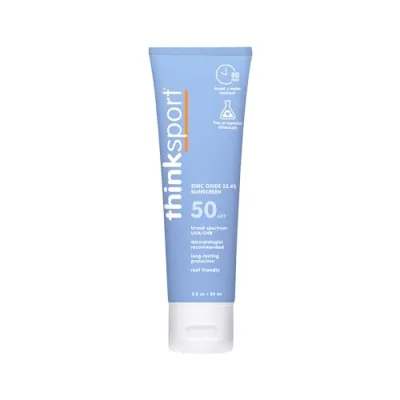
ThinkSport Sport Mineral Sunscreen
The best blend of mineral protection and wearability for field work — start here.
Check price on AmazonDisclosure: Gear links may earn a commission as an Amazon Associate — at no extra cost to you. Learn more.
Verify land ownership before you go
A spot trending on social media may sit on private ranch land, an active mining claim, or a protected archaeological site. Before loading the car, confirm who manages the land:
- BLM land often allows casual collecting within personal-use limits
- National Forest land permits hand-tool collecting in many districts
- National parks generally prohibit removing rocks, fossils, or minerals
- State parks vary—some welcome collectors, others forbid all removal
- Private fee digs require paid admission and follow house rules
Cross-reference our site listings with official agency maps. If a listing says “verify access,” treat that as a required step, not a disclaimer.
Use local knowledge wisely
Rock and mineral clubs remain one of the best sources of current field intel. Clubs organize group trips to productive areas, teach identification, and know which road cuts recently exposed fresh material. Libraries and state geological surveys publish bulletins describing regional mineral occurrences—excellent background even when they do not give exact GPS coordinates.
Guidebooks and university geology departments add context about formations and specimen types. Combine that research with our directory entries for practical access details: parking, fees, best seasons, and nearby services.
Sites worth knowing in popular collecting states
Even if you are new to the hobby, a few flagship locations illustrate what “near me” can mean depending on where you live:
- Wegner Quartz Crystal Mine — fee dig clear quartz in the Arkansas Ouachitas
- Ace of Diamonds Mine — Herkimer “diamond” crystals in dolomite matrix
- Fairfax State Recreation Area Geodes — Indiana limestone geodes near Bloomington
Your nearest productive site may be less famous but equally rewarding—a creek gravel bar with agate, a BLM wash with petrified wood, or a road cut exposing fossil shells.
Build a repeatable search workflow
Experienced rockhounds follow a simple checklist every time they explore a new area:
- Search the directory by state or specimen type
- Read the full listing for fees, coordinates, and seasonal notes
- Confirm land status on an official agency map
- Check weather and road conditions for remote sites
- Pack appropriate tools, water, and safety gear
- Leave no trace—fill holes, pack out trash, take only what rules allow
Finding sites near you is not about secret coordinates. It is about matching your location and interests to verified collecting areas, then showing up prepared and respectful of the land.
Spots from our directory
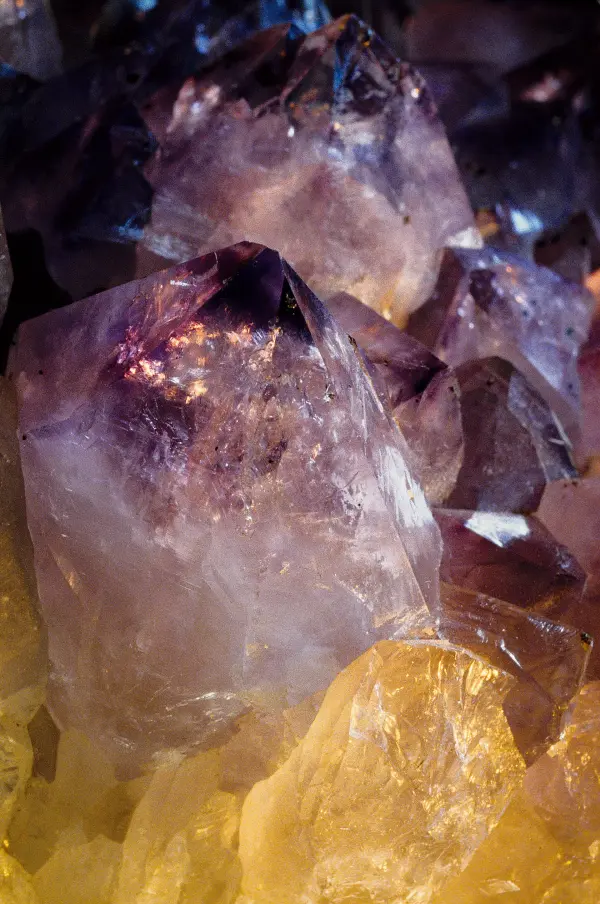
Wegner Quartz Crystal Mine
Commercial crystal mines in the Ouachita Mountains offering tailings and virgin ground digs for clear quartz points and clusters.
View detailsAce Of Diamonds Mine
A popular Herkimer County fee mine where visitors break dolomite matrix to extract brilliant quartz crystal clusters.
View details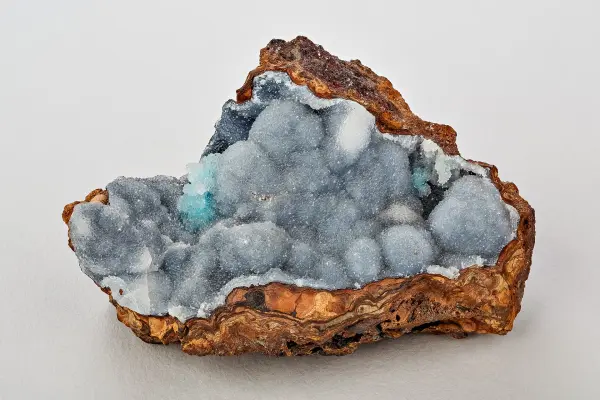
Fairfax State Recreation Area Geodes
Monroe Lake recreation area near Bloomington, Indiana, in the Warsaw Formation geode belt where Harrodsburg Limestone produced quartz geodes regionally. Indiana DNR rules prohibit removing rocks, minerals, or fossils from state recreation area property.
View detailsFrequently asked questions
How do I find rockhounding sites near me?
Start with our GPS near-me locator for live distance sorting, then open state hubs and individual listings. Cross-check BLM or Forest Service maps and club field trips before you dig.
Are there free rockhounding sites near me?
Many BLM and National Forest areas allow casual collecting for personal use at no fee. State parks and fee dig mines charge admission. Always confirm current rules before visiting.
Can I rockhound in my state park?
Rules vary widely. Some state parks prohibit all collecting; others like Crater of Diamonds in Arkansas are built around it. Check the managing agency website for each park.
What is the best app for finding rockhounding locations?
Use a dedicated directory with verified access notes rather than random GPS pins from social media. Pair it with offline topo maps and official agency land-ownership layers.
Do I need a permit to collect rocks near me?
Most casual collecting on BLM land requires no permit within personal-use limits. Commercial collecting, mechanized tools, and some state lands do require permits or fees.
Where can I find geodes near me?
Use the geodes near-me GPS page for distance sorting, or read this guide’s regional overview. The Midwest Keokuk belt, Utah Dugway BLM beds, Indiana limestone, and Tennessee plateau are major U.S. regions.
Is rock hunting near me the same as rockhounding?
Yes — rock hunting, rock hounding, and rockhounding all describe recreational collecting. Use our near-me GPS pages for verified sites regardless of which term you search.