Find agates near you with our agates near me GPS locator, then use this regional guide for Lake Superior, Ellensburg blue, Wyoming, Texas, and Mojave beds — always confirm beach and BLM collecting rules.
- Live GPS locator
- /near-me/where-to-find-agates-near-me/
- Classic lake beaches
- Lake Superior agate shores
- Famous blue agate
- Ellensburg, Washington
- Browse all listings
- /types/agate-jasper/
Agates are one of the most searched rockhounding targets in America. For live distance sorting, open agates near me (GPS) first — this guide is the regional companion (belts, ID tips, and ethics), not a competing near-me page.
Banded chalcedony takes a polish beautifully and turns up on beaches, desert flats, and streambeds from the Great Lakes to the Mojave. Pair GPS results with the agate & jasper type hub, Michigan agate hub, and Minnesota agate hub when you are planning a shore trip.

What makes an agate worth pocketing
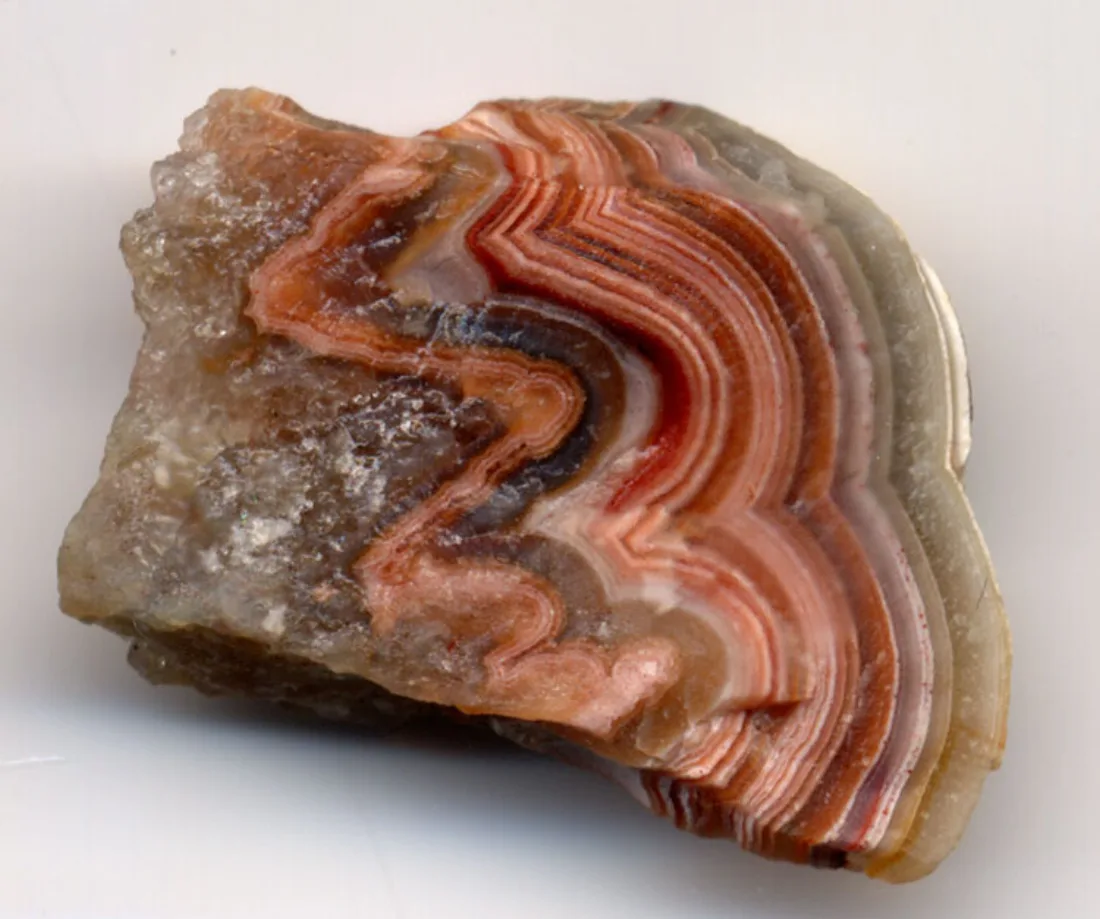
Agate is microcrystalline quartz (chalcedony) that filled voids in volcanic rock or sediments in colorful layers. Collectors look for:
- Concentric or wavy bands of translucent silica
- Nodular or amygdule shapes from lava vesicles
- Patterns with names like fortification, moss, plume, or sagenitic agate
- Hardness that resists scratching (~Mohs 7)
Jasper is the opaque cousin. Many western beds produce both — our listings group them so you do not miss mixed fields when searching for either name.
Best U.S. regions for agate hunting
Lake Superior — the classic American agate
Lake Superior agate beaches along Minnesota’s North Shore (and sister beaches in Wisconsin and Michigan) are the textbook introduction. Glacial action and wave action concentrate red-and-white banded nodules on shorelines. Spring after ice-out and after storms expose fresh gravel.
Also browse Upper Peninsula and Iowa lake-related listings in the agate-jasper hub when planning multi-state trips.
Washington — Ellensburg blue and Cascades beds
Ellensburg blue agate beds produce the sought-after blue chalcedony unique to central Washington. Access rules change — verify current collecting status and private-land boundaries before digging. Combine with other Washington rockhounding sites for a Cascades weekend.
Wyoming — Sweetwater and Seminoe fields
Sweetwater agate fields and Seminoe agate area are high-desert classics: walking dry drainages and flats for pastel and moss patterns. Harsh weather, limited water, and BLM rules apply — treat them as remote day trips. Full state context: Wyoming rockhounding.
Texas — Terlingua and desert jaspers
Terlingua agate fields near Big Bend country yield colorful desert agate and jasper. Extreme heat dominates summer; winter and spring are safer. See Texas rockhounding for Hill Country and West Texas itineraries.
California — Mojave desert agates
Mojave desert agate fields cover a suite of southern California localities where collectors walk washes for nodules and jasper. Land status is a checkerboard — claim markers and private parcels are common. Start from the California rockhounding map.
Arizona — Florence and desert plains
Florence agate area represents the south-central Arizona style of desert agate hunting. Pair with Arizona rockhounding for amethyst fee digs and Apache Leap obsidian day trips.
Lake Erie & Midwest spills
Lake Erie beach agates and glacial deposits across Ohio and neighboring states produce smaller beach and gravel finds — ideal when you cannot reach Superior. Use Ohio rockhounding as a starting map.
Region picker (if you only have one trip)
| If you live… | Best first agate trip | Season tip |
|---|---|---|
| Upper Midwest / Great Lakes | Lake Superior North Shore | After storms / ice-out |
| Pacific Northwest | Ellensburg + Cascades beds | Verify access annually |
| High Plains / Rockies | Wyoming Sweetwater / Seminoe | Cool months; bring water |
| Texas / Southwest | Terlingua or AZ Florence | Avoid summer heat |
| Southern California | Mojave washes | Winter mornings |
| Only weekends near home | Lake Erie / glacial gravel | After high water |
How to hunt agates efficiently
- Target a known belt from the regions above instead of random roadside gravel
- Open the agate-jasper type page and filter by your state
- Confirm land status on each listing — fee dig, BLM, Forest Service, or private
- Hunt after rain or spring ice-out when contrast is high
- Wet specimens in the field; bands often pop when damp
- Carry a small rock hammer only when rules allow breaking — beach collecting is often pick-and-pocket
Agate vs jasper at a glance
| Trait | Agate | Jasper |
|---|---|---|
| Transparency | Often translucent banded | Usually opaque |
| Patterns | Concentric / fortification bands | Mottled, picture, solid color |
| Typical local names | Lake Superior, Ellensburg blue | Poppy, landscape, orbicular |
| Our hub | Shared under /types/agate-jasper/ | Same |
Gear and ID help
- Hand lens and spray bottle for field ID
- Soft bags so nodes do not bruise each other
- Optional: rock identification apps for look-alikes (chert can fool beginners)
- Cutting and tumbling come later — rough hunting first
Related guides
- Agate & jasper sites (directory) — every listing by type
- Geodes near me — nodule hunting with crystal interiors
- Where to find turquoise & jade — other high-intent specimen guides
- Rockhounding sites near me — GPS workflow
- Gem mining near me — when you want fee digs instead of beach walks
Agates reward time on the right geology. Pick Lake Superior for classic beach hunting, Washington or Wyoming for western specialty beds, or Texas/California deserts for winter collecting — then open the type hub to turn that region into a list of GPS-backed sites.
Spots from our directory
Lake Superior Agate North Shore
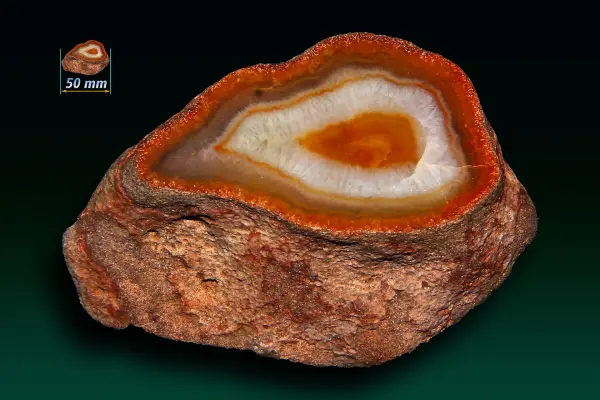
Minnesota's North Shore from Duluth to Grand Portage, where Lake Superior agates formed 1.1 billion years ago in Midcontinent Rift lava and now turn up in the cobble beaches. Collecting is prohibited in state parks, waysides and scientific and natural areas, so public beaches are the ground to work.
View detailsEllensburg Blue Agate Beds
Kittitas County, Washington, is the only place on earth where Ellensburg Blue agate occurs, a cornflower-blue chalcedony that formed when silica-rich groundwater filled vesicles in the Teanaway Basalt. Most ground is private; the accessible public searching is in the Teanaway and Reecer Creek drainages.
View detailsSweetwater Agate Fields
Wind-scoured BLM benches near Rock Springs expose moss and fortification agate nodules in sedimentary host rock.
View detailsTerlingua Agate Fields
Desert washes near Big Bend contain colorful agate and jasper nodules eroded from volcanic flows along the Rio Grande frontier.
View detailsMojave Desert Agate Fields
Scattered BLM lands across the central Mojave yield blue agate nodules and jasper in washes east of Barstow, popular for desert field collecting.
View detailsFlorence Agate Area
Desert benches south of Florence contain fire agate in rhyolite flows, one of Arizona's most popular gem-mineral targets for patient collectors.
View detailsSeminoe Agate Area
Seminoe Mountains foothills along the North Platte yield agate and jasper in road cuts and eroded slopes.
View detailsLake Erie Beach Agates
Guide to banded Lake Erie beach stones, fossil coral, and glass near Marblehead, with the Ohio rule that forbids removal from state-managed land unless authorized.
View detailsFrequently asked questions
What are agates?
Agates are banded varieties of chalcedony (microcrystalline quartz). Color bands form as silica gels fill cavities in volcanic rock or replace organic material. Hardness near 7 makes agate durable for tumbling and jewelry.
Where can I find agates in the United States?
Top regions include Lake Superior shorelines (MN, WI, MI), Washington Ellensburg blue beds, Wyoming Sweetwater and Seminoe fields, Texas Terlingua, California Mojave desert agates, Arizona Florence area, and scattered Midwest beach and gravel deposits.
How do you identify agate in the field?
Look for translucent to opaque banded chalcedony with curved or concentric color layers, a waxy to vitreous luster on a broken face, and hardness that resists a steel knife. Many nodules look dull outside until you wet or cut them.
Is agate hunting free on public land?
Often yes on BLM and National Forest ground within casual collecting limits, but never in national parks and always confirm local rules. Some famous beds are fee dig or private — check each directory listing.
What is the difference between agate and jasper?
Both are chalcedony. Agate is typically translucent and banded; jasper is usually opaque with more solid or mottled color. Many localities produce both, which is why our type hub groups them as agate-jasper.