Rockhounding near Moab means BLM surface collecting for chalcedony and agate outside park boundaries — Arches and Canyonlands prohibit collecting. Use our Moab nearby map and Utah laws guide before you dig.
Rockhounding near Moab is real — and easy to do illegally if you treat red-rock parks like dig sites. Arches National Park, Canyonlands National Park, and Utah state parks around Moab prohibit collecting. Legal trips work open BLM land outside those boundaries for surface chalcedony, agate, chert, and loose petrified wood within personal-use limits.
Use our live Moab nearby rockhounding map for GPS listings by distance, then read Utah rockhounding laws before you leave town.
Answer first
| Want | Do this |
|---|---|
| Legal day trip from Moab | Open BLM washes/float areas outside park boundaries |
| Scenic arches / Needles / Island in the Sky | Photograph only — no collecting |
| Quantity rules | UGS restates BLM personal use as 25 lb + one piece / day, 250 lb / year |
| Map of sites near town | Moab nearby |
What people find (and what they must leave)
Common legal targets on open BLM (when status is confirmed):
- Chalcedony and agate float (orange, white, pastel pieces)
- Chert / flint nodules
- Small petrified wood fragments under personal-use wood rules
Never casual-collect:
- Anything inside national parks or most monuments
- Silicified dinosaur bone / vertebrate fossils
- Arrowheads and artifacts
- Active mining claims
Things you need to go rockhounding near Moab
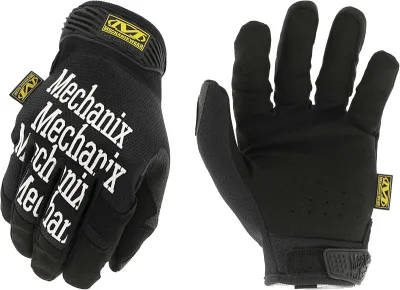
Mechanix Work Gloves with Grip
The default glove for collectors who need feel and protection.
Check price on Amazon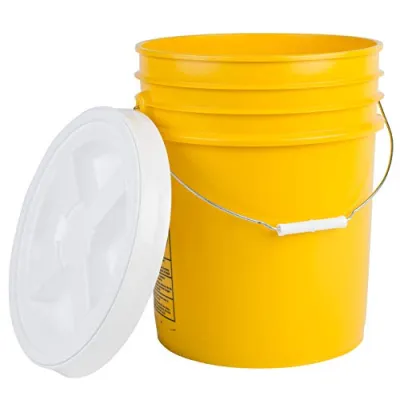
Hudson Exchange 5 Gallon Bucket with Gamma Seal Lid
The bucket setup serious diggers keep in the truck.
Check price on Amazon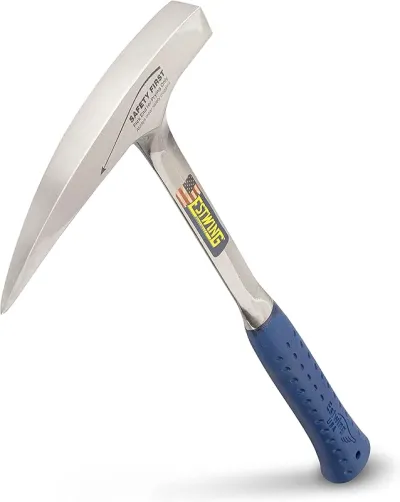
Estwing 22 oz Geological Pick
If you buy one hammer, make it this one.
Check price on Amazon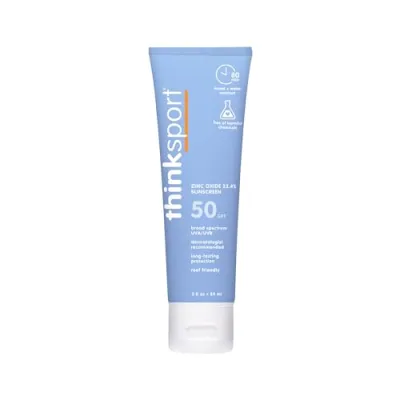
ThinkSport Sport Mineral Sunscreen
The best blend of mineral protection and wearability for field work — start here.
Check price on AmazonDisclosure: Gear links may earn a commission as an Amazon Associate — at no extra cost to you. Learn more.
Popular corridors (verify every pin)
Guides and club notes repeatedly mention the US-191 / Klondike Bluffs–Mill Canyon style corridor north of Moab for surface chalcedony and wood float on BLM — not inside Arches. Dirt roads can need high clearance when wet; there is little shade or cell service.
South and southeast of town, collectors also talk about washes and BLM ground near scenic landmarks (for example Looking Glass / Joe Wilson–style areas). The landmark itself is not the dig. Collect only where ownership maps show open public land, and leave gates as you found them.
Thin blogs often paste GPS without checking park boundaries. If a pin sits on NPS land, skip it — even if an old forum says otherwise.
Parks vs BLM — the Moab trap
Moab’s economy is built on looking at geology. Collecting is for different parcels. Plan:
- Morning park hike (camera only).
- Afternoon BLM float walk on a verified open parcel.
- Or a full west-desert trip to Dugway / Topaz Mountain from the Wasatch Front instead.
Statewide destinations: rockhounding in Utah.
Season, vehicle, and kit
- Best season: March–May and September–November.
- Vehicle: Passenger cars work on main highways; many washes prefer high clearance / 4WD after rain.
- Kit: Water first (gallons), sun protection, gloves, bag/bucket, optional rock pick for turning float — not a quarry sledge. Compare gloves, buckets, and picks.
Next steps
- Open Moab nearby and sort listings.
- Confirm land status on each page + ownership maps.
- Read Utah rockhounding laws (BLM limits, SITLA permits, park bans).
- Leave parks cleaner than you found them — and leave the rocks in them.
Moab rewards collectors who separate sightseeing geology from legal BLM float hunting. The nearby map exists so you do not guess which red dirt is fair game.
Frequently asked questions
Can you rockhound near Moab?
Yes on open BLM land outside national park and monument boundaries, within personal-use limits. You cannot collect rocks, wood, or fossils inside Arches, Canyonlands, Dead Horse Point State Park, or other closed units.
Where can I rockhound near Moab?
Collectors work BLM float areas in Grand County corridors north and south of town for chalcedony, agate, chert, and petrified wood fragments. Use our Moab nearby map and verify every parcel — park boundaries and Trust Lands checkerboard nearby.
Can I collect petrified wood near Moab?
On open BLM land, personal-use petrified wood follows Utah/BLM quantity limits (UGS states 25 lb plus one piece per day, 250 lb per year). Never collect silicified dinosaur bone or vertebrate material. Parks ban all collecting.
Is Looking Glass Rock or Wilson Arch open for digging?
Scenic arches and park overlooks are not dig sites. Nearby BLM washes may allow surface collecting where land status is open — confirm ownership and stay off claims and closed units.
When is the best time to rockhound near Moab?
Spring and fall. Summer desert heat is dangerous; carry more water than you think you need and avoid midday exposed washes.