Find a geode near you with our GPS geode near me page, then use this guide for regional belts — Midwest Keokuk, Utah Dugway BLM, Indiana geodes, and Tennessee geodes — plus safe cracking tips.
- GPS locator
- /near-me/geodes-near-me/
- Best free public beds
- Dugway Geode Beds, Utah (BLM)
- Utah geode beds hub
- /regions/utah-geode-beds/
- Famous crystal belt
- Keokuk area, Iowa–Missouri–Illinois
- Easiest starter region
- Indiana & Ohio Warsaw Formation
- Tools to bring
- Hammer, chisel, safety glasses, bucket
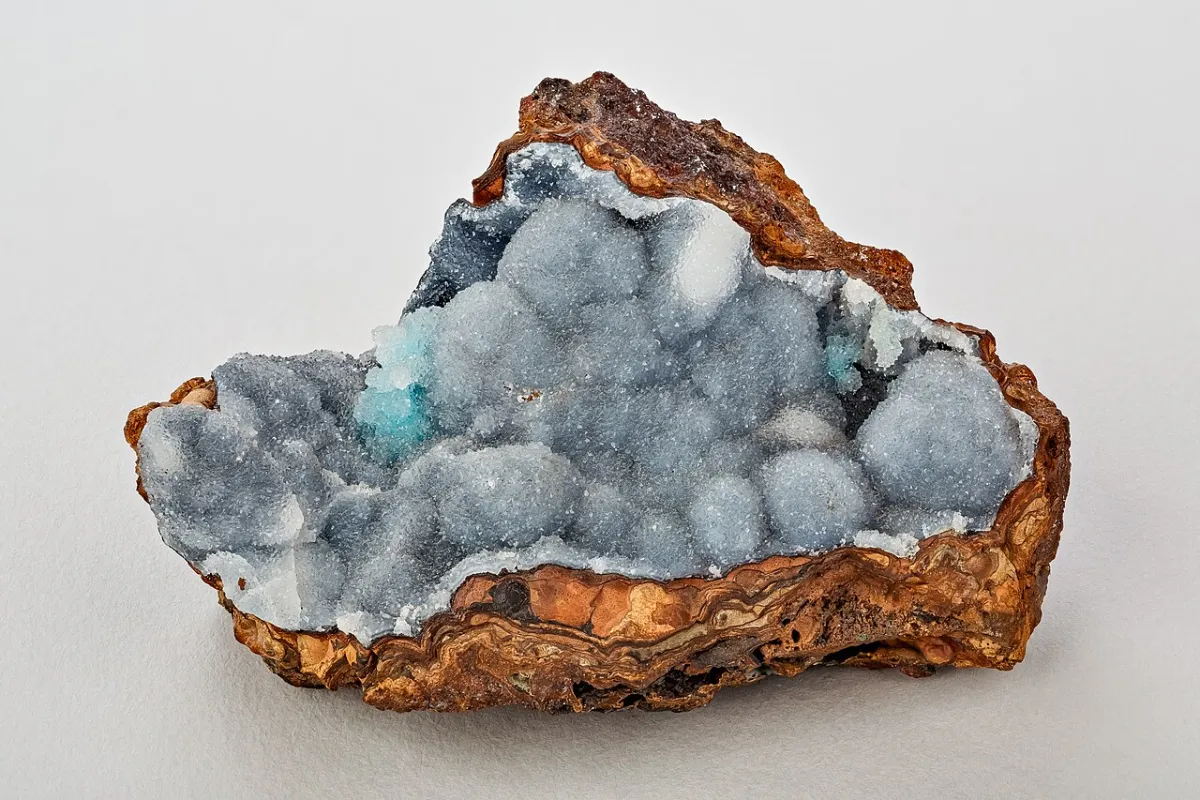
Searching geode near me, geodes near me, or where to find a geode rock usually means you want a round, crystal-lined nodule you can crack open yourself — not a gift-shop split half from overseas. Geodes form in specific sedimentary and volcanic settings, so your odds depend far more on geology and land access than on driving random gravel roads. The good news: the United States has several well-documented geode belts, and our directory maps them by state and specimen type — then links you into GPS listings instead of leaving you on a generic map embed.
How to find a geode near your location
Three tools work better than social-media pins:
- Geode near me (GPS) — sort geode-tagged sites by distance from your phone
- Geode type hub — browse every geode listing in the directory
- State pages — read regional overviews, then open individual site entries for fees, coordinates, and access notes
- Indiana geodes and Tennessee geodes — state × type hubs for the highest-traffic regional queries
- General near me — unfiltered locator if you also want nearby non-geode spots
Geode hunting is regional. If you live in the Midwest, you are likely within a day’s drive of the Warsaw Formation belt. Western collectors target Utah desert nodules or Washington basalt vugs. Southeastern hunters work limestone creeks on the Cumberland Plateau. Match your search to the belt closest to you before chasing a famous name hundreds of miles away.
U.S. geode regions at a glance
| Region | States | What you find | Access notes |
|---|---|---|---|
| Keokuk / Warsaw belt | IA, MO, IL, IN, OH | Large quartz-lined geodes, calcite, pyrite | Creek gravels, road cuts; much land is private — ask permission |
| Utah west desert | UT | Rounded quartz and chalcedony nodules | Free BLM collecting at Dugway; remote, no water on site |
| Indiana limestone | IN | Small dolomite geodes in Harrodsburg Limestone | Fairfax area creeks and quarries; verify current access |
| Cumberland Plateau | TN, KY, MS | Quartz and calcite in limestone road cuts | Seasonal creek collecting; some private farmland |
| Pacific Northwest | WA | Geodes in basalt exposures | Walker Valley and similar sites; check Forest Service rules |
| Northeast | NY, WI | Small creek geodes in dolomite | Limited size; good for beginners near metro areas |
Use this table to set realistic expectations. A New York searcher will not find Keokuk-sized giants locally, but Hudson Valley dolomite exposures still produce satisfying pocket specimens.
Decision tree: which belt should you drive to?
- Within ~4 hours of the Midwest trilogy (IA/MO/IL/IN/OH)? Target the Warsaw / Keokuk belt first.
- West of the Rockies with a desert vehicle? Dugway (UT) is the free public-land classic — spring/fall only.
- Southeast plateau states? Tennessee / Kentucky limestone creeks beat a 12-hour Midwest haul.
- Pacific Northwest only? Walker Valley–style basalt nodules; expect smaller sizes.
- Want guaranteed structure / kids / shade? Prefer a fee dig geode or crystal mine from our dig sites map instead of remote BLM.
Things you need to go rockhounding in Utah

NoCry Professional Construction Knee Pads
Buy once — your knees will notice by lunch.
Check price on Amazon
DEWALT DPG82 Concealer Safety Glasses
Buy two pairs — one lives in your pack permanently.
Check price on Amazon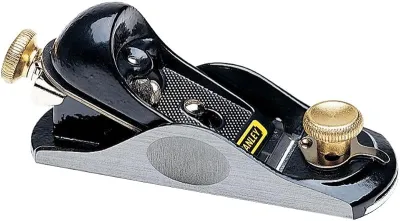
Osborn 8-Piece Wire & Nylon Brush Set
The standard field brush kit — keep one in every pack.
Check price on Amazon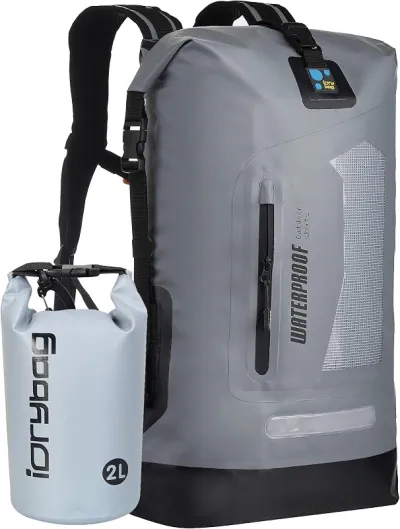
Osprey Talon 22 Backpack
The pack to save for if you collect more than a few times a year.
Check price on AmazonDisclosure: Gear links may earn a commission as an Amazon Associate — at no extra cost to you. Learn more.
Flagship geode hunting locations
These sites illustrate what “geodes near me” looks like in different parts of the country. Each links to a full directory entry with coordinates, fees, and seasonal notes.
Dugway Geode Beds, Utah
West of Salt Lake City, Dugway Geode Beds spread across BLM desert where rounded nodules of quartz and chalcedony lie near the surface. Collectors surface-hunt and dig shallow pits, splitting nodules on site. Access is free for personal use, but the terrain is remote — bring water, fuel, spare tire, and desert sun protection. Spring and fall are the only comfortable seasons.
Pair Dugway with our Utah regional guide for a full weekend itinerary.
Keokuk Geode Beds, Iowa
Along the Des Moines River, Keokuk Geode Beds sit in the world-famous Warsaw Formation. Crystal-lined geodes here can reach impressive sizes with calcite, pyrite, and marcasite interiors. Much of the land is private; seek permission or stick to documented public road cuts and creek exposures. Geode State Park nearby offers context and camping.
The belt continues into Missouri — see Ste. Genevieve Geode Belt — and Illinois dolomite exposures west of Chicago.
Southeast: Geodes in Tennessee on the Cumberland Plateau — see our Tennessee state map for all listings.
Ohio edge: Geodes in Ohio on the eastern Warsaw belt — pair with Indiana creek hunting.
Fairfax area, Indiana
Near Bloomington, Fairfax State Recreation Area Geodes and the broader Warsaw Formation Geode Belt produced limestone geodes for generations. Monroe County creeks and historical quarry areas are the classic targets. Indiana ranks among the easiest starter regions for geode hunting because sites cluster near college-town services.
Browse all Indiana rockhounding sites for related listings.
Cumberland Plateau, Tennessee
Limestone and shale on the plateau contain hollow geodes with quartz and calcite crystals in road cuts and streams. Cumberland Plateau Geode Beds represent the type of collecting that makes Tennessee a priority state in our roadmap. Low keyword difficulty and strong local interest make this region worth a dedicated trip.
See Tennessee rockhounding sites for the full state map.
Walker Valley, Washington
In the North Cascades foothills, Walker Valley Geode Site offers a Pacific Northwest option for collectors who cannot reach the Midwest. Basalt exposures here yield nodules distinct from Iowa giants — smaller, but accessible as a day trip from Seattle.
Ohio and the eastern belt edge
Ohio Geode State Park Vicinity and the Largest Geode locality anchor Ohio’s side of the Warsaw Formation. Creek collecting after spring runoff is the classic approach. Confirm which exposures remain open — housing development has closed some historical spots.
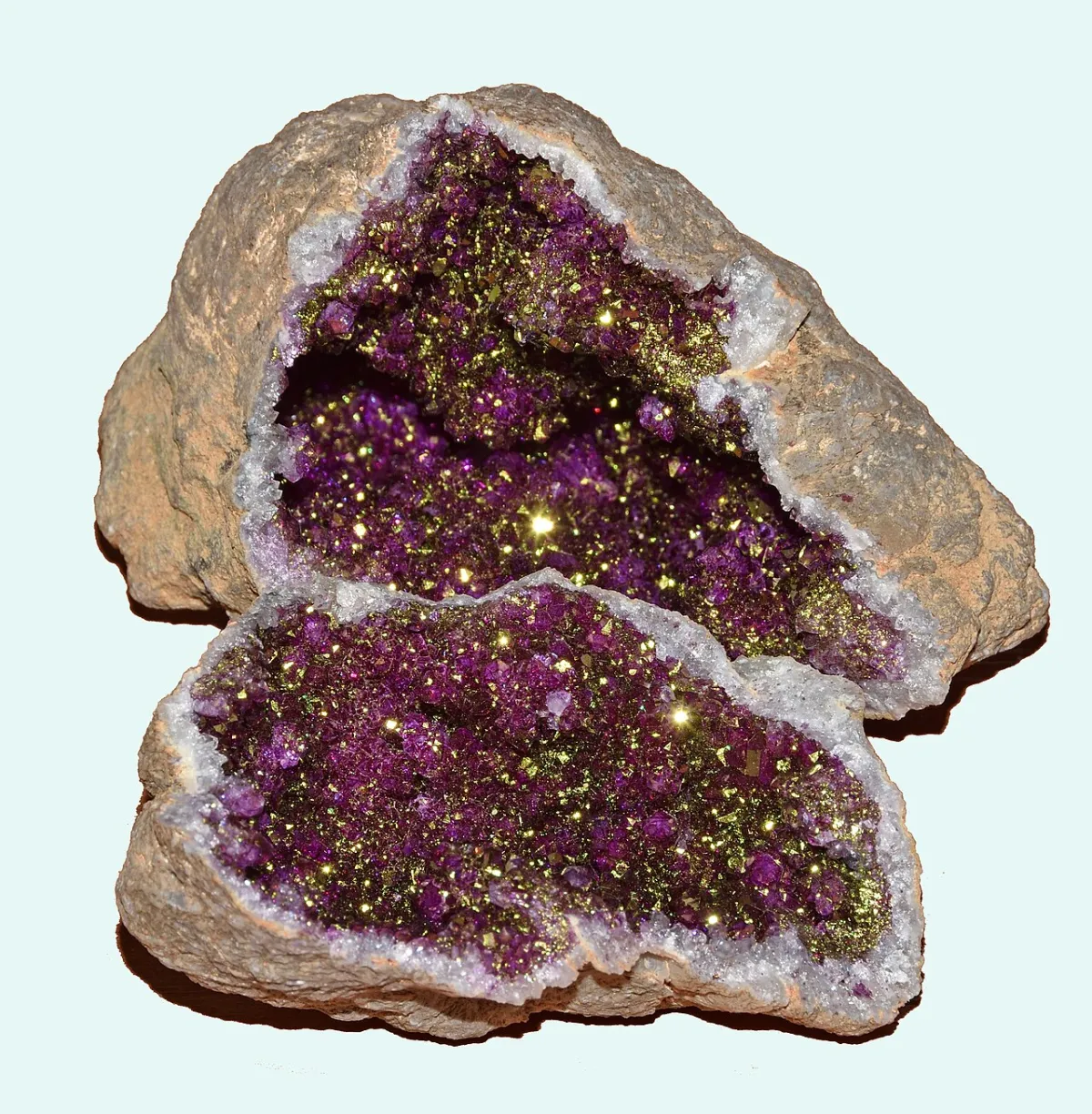
How to identify a geode before you crack it
| Clue | What it means | False positive |
|---|---|---|
| Round / potato shape | Classic nodule habit | River cobbles of unrelated rock |
| Bumpy / cauliflower rind | Common exterior texture | Weathered limestone chunks |
| Feels lighter than size suggests | Hollow or partially hollow | Soft siltstone |
| Rattle when shaken | Loose crystals inside | Mud + pebbles in a pocket |
| Found in limestone / dolomite / volcanic tuff | Right host rock | Pretty gravel on wrong geology |
Chip a small corner only when rules allow. If you see sparkle or a rind of chalcedony, you are close.
Collecting, cutting, and polishing (field → display)
- Permission first — private farmland in the Keokuk belt is not fair game without asking.
- Extract with hammer/chisel; do not excavate road cuts while traffic is moving.
- Split along a scored equator; wear safety glasses every swing.
- Clean with water and a soft brush — avoid acid on calcite-rich interiors unless you know the mineralogy.
- Display halves on stands; keep unmatched halves labeled by locality.
Tool deep-dive: rock hammers for rockhounding.
Geode hunting tips for beginners
Identify the host rock. Most American hobby geodes form in limestone and dolomite (Midwest, Southeast) or volcanic tuff and rhyolite (Utah, Washington). If the bedrock does not match, keep driving.
Look for round shapes. Geodes start as gas bubbles or mud balls that mineralize from the inside out. Rounded nodules in creek gravel or weathered slopes are your target — not every round rock is a geode, but sharp angular fragments rarely are.
Split carefully. Score a continuous line with a cold chisel, then tap with a brick hammer or crack hammer. Wear safety glasses — flying chips are common. For display halves, a tile wet saw or pipe cutter gives cleaner breaks than hammer work.
Respect the land. Fill shallow test holes on BLM land. Do not trespass on fenced farmland. Road cuts belong to the highway authority — collecting from active cuts can be dangerous and illegal. When a listing says “verify access,” do it before you load the car.
Pack for the environment. Midwest creek hunts need waterproof boots and tick awareness. Utah desert beds need a gallon of water per person and no reliance on cell service. Plateau creeks run high in spring — wait for safe wading levels.
Where to find geodes vs other near-me intents
| You want… | Go to… |
|---|---|
| Crackable crystal nodules | This guide + /types/geodes/ |
| Beach / desert banded chalcedony | Agates in the USA |
| Pay-to-dig gems & crystals | Gem mining near me |
| Any rockhounding near home | Rockhounding sites near me + /near-me/ |
How this guide connects to the rest of the site
Geode hunting is one slice of rockhounding. For general collecting near your home — agates, fossils, crystals, fee digs — read our rockhounding sites near me guide and open the full directory. For curated favorites nationwide, see best rockhounding sites in America.
If you are planning tools and safety gear, our essential rockhounding tools, rock hammers guide, and what to bring checklists cover hammers, chisels, and field basics. Collecting on federal land? Review BLM collecting rules before digging at Dugway or similar sites.
Geodes near you are out there — they just require matching your region to the right formation, then showing up with permission, patience, and a good hammer swing.
How we keep this guide current
We refresh this page when land-status notes or flagship listings change, and we link each named site to a directory entry with a last-reviewed date. If you find a closure or new public access, use the tip form on that location page so other collectors are not left with stale pins.
Spots from our directory
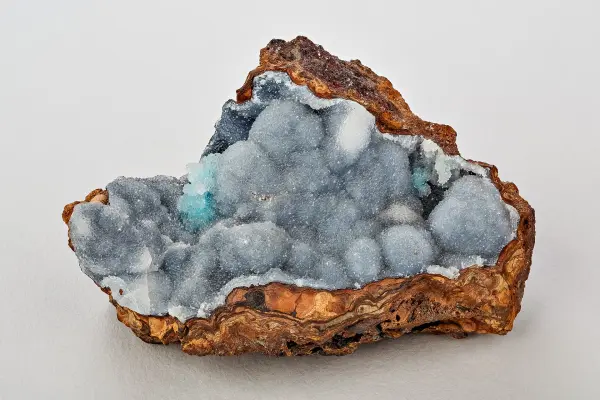
Dugway Geode Beds
Public BLM geode locality in western Juab County, Utah, where Miocene rhyolite cavities were eroded by ancient Lake Bonneville and redeposited as quartz-lined geodes in soft lakebed sediment along the Pony Express Road.
View detailsKeokuk Geode Beds
The Keokuk geode belt centred on Keokuk, Iowa, where the Mississippian Warsaw Formation yields chalcedony-shelled geodes lined with quartz, calcite, pyrite and marcasite across a tri-state area of southeast Iowa, northeast Missouri and western Illinois.
View detailsFairfax State Recreation Area Geodes
Monroe Lake recreation area near Bloomington, Indiana, in the Warsaw Formation geode belt where Harrodsburg Limestone produced quartz geodes regionally. Indiana DNR rules prohibit removing rocks, minerals, or fossils from state recreation area property.
View detailsCumberland Plateau Geode Beds
Geode-bearing Mississippian carbonates of the Upper Cumberland region of Tennessee, around Livingston, Crossville and the Fentress and Overton county plateau escarpment, where quartz and calcite-lined geodes weather out of Fort Payne and Warsaw age rock into creek beds and road cuts.
View detailsWalker Valley Geode Site
Historically collected geode ground on Washington DNR land in the Walker Valley ORV area east of Mount Vernon, Skagit County, where quartz-lined geodes and nodules occur in altered volcanic rock. Discover Pass required; southern Peter Burns Road access closed — use northern approach. Confirm current DNR collecting status before digging.
View detailsFrequently asked questions
Where can I find a geode near me?
Start with our geode near me GPS locator for distance sorting, then read this regional guide. The Midwest Warsaw Formation belt (Iowa, Missouri, Illinois, Indiana, Ohio), Utah Dugway BLM beds, and Tennessee Cumberland Plateau are the most productive U.S. regions for recreational geode hunting.
Where to find a geode rock if I am not near the Midwest?
Utah Dugway BLM beds, Tennessee Cumberland Plateau creeks, Washington Walker Valley, and fee digs like Livingston Gem Mine in Kentucky all produce geodes outside the classic Keokuk belt. Open the geode type hub and sort by your state.
What states have the most geodes?
Iowa, Missouri, Illinois, Indiana, and Ohio share the world-famous Keokuk geode belt. Utah has expansive free BLM geode beds. Tennessee, Kentucky, Mississippi, and Washington also host documented collecting areas.
Can you find geodes for free?
Yes. BLM land like Dugway Geode Beds in Utah allows free personal collecting. Many Midwest creek exposures and road cuts are open, but always verify land ownership — private farmland requires permission.
How do you crack open a geode?
Score a line around the nodule with a chisel, then tap lightly with a rock hammer until it splits along the crystal cavity. Wear safety glasses. A pipe cutter or tile saw gives cleaner halves for display specimens.
When is the best time to hunt geodes?
Spring and fall offer mild weather in most regions. After rain, creek gravels and freshly eroded banks expose new nodules. Avoid summer desert heat at Utah sites and winter ice on river bluffs.
Are indiana geodes different from Iowa geodes?
Indiana geodes tend to be smaller limestone nodules along the Warsaw Formation; Iowa’s Keokuk belt produces larger giants. Both are excellent recreational targets — see our Indiana geodes state × type hub.