Pack a rock hammer, chisel, safety glasses, gloves, water, sun protection, offline maps, and a first-aid kit for rockhounding—add site-specific gear for desert heat, alpine cold, or fee dig rules.
Rock Hounding Kits comparison chart
| Product | Price | Pieces | Hammer | Bag type | Best for | Buy |
|---|---|---|---|---|---|---|
| Best overall38pc Deluxe Rock Hounding KitASR Outdoor | $110 approx. | 38 | 20 oz forged pick | Deluxe nylon musette | Serious beginners | Check price on Amazon |
| Most popular17PCS Rock Pick Hammer KitINCLY | $66 approx. | 17 | 32 oz pick | Canvas musette | All-around field days | Check price on Amazon |
| Best complete kit26PCS Upgrade Geology KitINCLY | $75 approx. | 26 | 33.8 oz pick | Musette + accessories | Extended expeditions | Check price on Amazon |
| Best value15 PCS Geology Rock Pick KitINCLY | $43 approx. | 15 | 32 oz pick | Musette bag | Budget starters | Check price on Amazon |
| Best bag & organizationRockhound Deluxe 15-Piece SetEsterno | $49 approx. | 15 | 28 oz drop-forged | Canvas musette (WWII style) | Organized collectors | Check price on Amazon |
| Best for beginners14PCS Geology Rock Hounding KitCKJSJ | $40 approx. | 14 | 30 oz pick | Canvas backpack | First-time rockhounds | Check price on Amazon |
| Best for geodes7 Pcs Sledge & Pick KitINCLY | $46 approx. | 7 | 3 lb sledge + 32 oz pick | Tool roll (no bag) | Breaking hard nodules | Check price on Amazon |
| Best backpack kit17 PCS Backpack Hammer KitA Peerless Shovel | $70 approx. | 17 | 32 oz pick | Heavy-duty backpack | Hiking to dig sites | Check price on Amazon |
| Largest kit55-Piece Geology Hammer KitXXTTWW | $80 approx. | 55 | 32 oz pick | Rolling tool case | Group trips & clubs | Check price on Amazon |
| 16-Piece Backpack Hammer KitYTYLSJ | $45 approx. | 16 | 32 oz pick | Yellow backpack | Beginners on a budget | Check price on Amazon |
| 25PCS Rock Hammer KitDigNew | $55 approx. | 25 | 32 oz pick | Backpack | Gold panning trips | Check price on Amazon |
| 16 PCS Geology Hammer KitGeneric | $50 approx. | 16 | 22 oz pick | Musette backpack | Lighter hammer preference | Check price on Amazon |
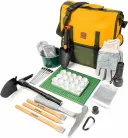
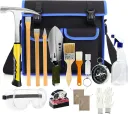
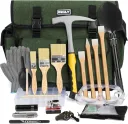
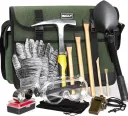
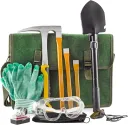
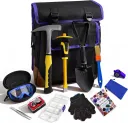
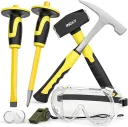
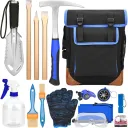
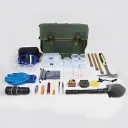
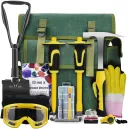
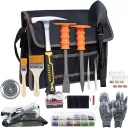
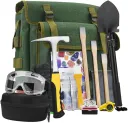
The right gear turns a frustrating day into a productive one. What you bring rockhounding depends on the site—desert geode beds, alpine topaz localities, and commercial fee digs each demand different preparation. This packing list covers the essentials, with notes for common American collecting environments.
Core tools
These items cover most beginner and intermediate trips:
- Rock hammer (22–32 oz) — for breaking matrix and splitting nodules
- Cold chisel and hand guard — for controlled splitting without destroying crystals
- Safety glasses — wear them whenever hammering; chips fly unpredictably
- Sturdy gloves — leather or cut-resistant for sharp edges
- Bucket, backpack, or collecting bag — padded compartments protect fragile finds
- Hand lens (10x) — essential for field identification
Optional upgrades include a crack hammer and feather wedges for larger splits, a short pry bar, knee pads for extended digging, and newspaper or bubble wrap for transport.
Check our tools and gear guide for detailed recommendations matched to specimen types in our type directory. Buying list for equipment vs consumable supplies: rockhounding equipment & supplies.
Safety and health
Never treat safety gear as optional:
- First-aid kit with bandages, antiseptic, and tweezers
- Sunscreen, lip balm, and a wide-brim hat
- Insect repellent where ticks or mosquitoes are common
- Any personal medications, including allergy supplies
- Emergency whistle and space blanket for remote travel
For sites like Topaz Mountain or Dugway Geode Beds, add extra water, electrolyte packets, and a shade tarp—Utah desert heat is unforgiving.
Navigation and communication
Before leaving pavement:
- Download offline topo maps to your phone
- Save GPS coordinates from our directory listings
- Carry a paper map backup where cell service is unreliable
- Tell someone your route and expected return time
- Bring a portable charger or spare battery
Fee dig sites like Herkimer Diamond Mines are easier to reach but still benefit from confirmed hours and reservation policies listed on each site page.
Food, water, and comfort
Plan water by environment, not optimism:
- Desert BLM sites: one gallon per person per half day minimum
- Mountain pegmatites: extra water plus calorie-dense snacks for altitude
- Fee digs with facilities: still bring water; on-site supply may be limited
Pack lunch, salty snacks, and a camp chair or pad if you will dig for hours. Crater of Diamonds State Park has restrooms and tool rental, but you will still want sun protection for hours in an open field.
Site-specific extras
Match your pack to the listing you are visiting:
| Environment | Add to your pack |
|---|---|
| Desert geode beds | Shovel, wide-brim hat, extra fuel, tire repair kit |
| Alpine Colorado | Layers, rain shell, lightning awareness, 4WD readiness |
| Fee dig mines | Cash for admission, rented tools, change of clothes |
| Creek gravel bars | Waterproof boots, bug spray, small sieve |
Browse state pages before your trip—Utah, Arkansas, and New York each have distinct terrain demands.
What to leave at home
Avoid power tools where prohibited, explosives, metal detectors in areas where they are banned, and anything that violates site or agency rules. When in doubt, read the access notes on the site listing or call the land manager.
Good preparation means more time finding specimens and less time wishing you had brought another bottle of water. For hammer selection and splitting technique, see our rock hammers guide.
Spots from our directory
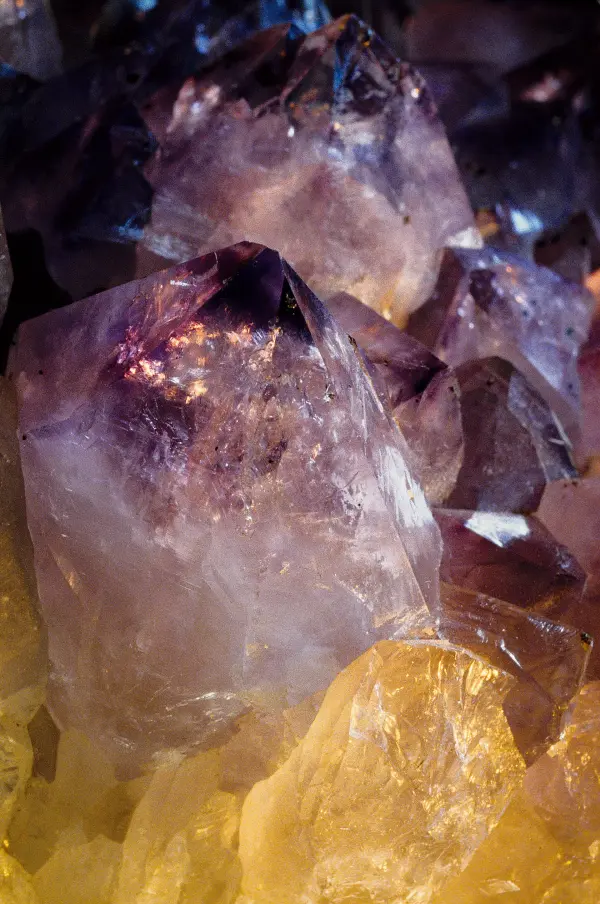
Topaz Mountain
Free BLM rockhound recreation area in the Thomas Range 55 miles west of Delta, Utah, where sherry-coloured topaz crystals weather out of rhyolite vugs alongside red beryl, bixbyite and garnet, and the topaz fades to clear in sunlight.
View detailsHerkimer Diamond Mines
Fee-dig quarries in the Mohawk Valley near Herkimer and Middleville, New York, where doubly terminated quartz crystals known as Herkimer diamonds are broken out of vugs in Cambrian dolomite roughly 500 million years old.
View details
Crater Of Diamonds State Park
Arkansas state park at Murfreesboro built on the eroded surface of a lamproite volcanic pipe, the only place in the world where the public can search for natural diamonds in their original source rock and keep whatever they find.
View detailsFrequently asked questions
What tools do I need for rockhounding?
A rock hammer, cold chisel, safety glasses, gloves, and a bucket or backpack cover most beginner trips. Add a hand lens, crack hammer, and pry bar as you tackle harder material.
How much water should I bring rockhounding?
Bring at least one gallon per person for a half-day desert trip, more for full days or high elevation. Remote sites like Topaz Mountain have no water sources.
Should I rent tools at fee dig sites?
Many fee mines rent sledgehammers, screens, and shovels on site. Bringing your own well-fitting safety glasses is still recommended.
What should I wear rockhounding?
Sturdy boots, long pants, a hat, and layered clothing for changing weather. Avoid sandals and loose jewelry near hammering.
Do I need a GPS for rockhounding?
Download offline maps for remote areas. GPS coordinates in our directory help, but paper maps and a compass backup are wise where cell service fails.