
Lake Superior Agate North Shore
Rockhounding site in Duluth, Minnesota · Agate & Jasper
Lake Superior Agate North Shore is a agate rockhounding site near Duluth, MN. Fee varies. Best season: After a storm or an exceptionally windy day, in any season the beaches are ice-free.
Typical season: After a storm or an exceptionally windy day, in any season the beaches are ice-free
About Lake Superior Agate North Shore
Minnesota's North Shore runs roughly 150 miles from Duluth to the Canadian border at Grand Portage, and it is the most famous agate hunting coastline in North America. The Lake Superior agate is Minnesota's official state gemstone, and the cobble beaches along Highway 61 are where most people find their first one.
The geology is old and dramatic. Around 1.1 billion years ago the Midcontinent Rift began tearing the continent apart and flooded this region with lava. Gas bubbles trapped in the cooling flows later filled with silica, producing agates that are about 99 percent microcrystalline quartz with banding formed by a different mineral, and the characteristic orange and rust colours come from iron in the host rock. Glaciers subsequently spread them across the upper Midwest.
Wave action does the rest. Lake Superior sorts and polishes cobble beaches continuously, which is why a stretch that was picked clean last month can be productive after a single storm. The single most important rule for planning: collecting agates or rocks is prohibited in Minnesota state parks, state waysides and scientific and natural areas, which cover a surprising amount of this shoreline. Public beaches outside those designations are where you collect.
Key facts
Structured details for trip planning — verify access and fees with the land manager before you visit.
- Specimen type
- Agate
- Primary specimens
- Lake Superior Agate, Thomsonite, Basalt, Jasper, Datolite
- Fee status
- Fee varies
- Nearest town
- Duluth
- State
- Minnesota
- Coordinates
- 46.78000, -92.09000
- Best season
- After a storm or an exceptionally windy day, in any season the beaches are ice-free. Late autumn storms and spring after ice-out are classic
- Access difficulty
- Easy on flat cobble beaches, though hours of bent-over searching is its own kind of work
- Collecting hazards
- Access restrictions
- Camping
- Numerous state park, county and private campgrounds along Minnesota Highway 61, though collecting is not permitted within the state parks themselves
- Land manager
- State park / recreation agency
- Activities
- Beachcombing cobble shorelines for banded agates, with a hand rake and a water bath for testing
- Facilities
- Vary by access point. Duluth, Two Harbors, Silver Bay and Grand Marais all have full services
- Last updated
- 2026-09-15
What to pack for Lake Superior Agate North Shore
Gear we compare for agate & jasper trips like this one — tools, safety, and the hike in.


Disclosure: Gear links may earn a commission as an Amazon Associate — at no extra cost to you. Learn more.
The experience
- Best time to visitAfter a storm or an exceptionally windy day, in any season the beaches are ice-free. Late autumn storms and spring after ice-out are classic
- AccessEasy on flat cobble beaches, though hours of bent-over searching is its own kind of work
- FacilitiesVary by access point. Duluth, Two Harbors, Silver Bay and Grand Marais all have full services
- Camping nearbyNumerous state park, county and private campgrounds along Minnesota Highway 61, though collecting is not permitted within the state parks themselves
Highlights & features
- The Lake Superior agate is Minnesota's official state gemstone
- Cobble beaches from Duluth to Grand Portage put a billion-year-old agate deposit at road level
- Brighton Beach, Stoney Point and Paradise Beach are among the classic public access points
- Thomsonite, a rare zeolite, occurs on parts of the North Shore alongside the agates
- Rock shops in Two Harbors, Beaver Bay and Grand Marais have served agate hunters for generations
- The agates formed roughly 1.1 billion years ago when gas bubbles in Midcontinent Rift lava filled with silica
- Most Lake Superior agate is about 99 percent microcrystalline quartz, with banding produced by a different mineral
- The characteristic orange and rust banding comes from iron content in the host lava
How to get there
Minnesota Highway 61, the North Shore Scenic Drive, runs the length of the coast from Duluth to the Canadian border and gives access to nearly every beach. Classic public access points include Brighton Beach at the Duluth end, a cobblestone beach that also works as a picnic spot; Stoney Point Scenic Drive, a one-mile side road with lake access; the cobblestone river mouth at Temperance River; and Paradise Beach further up the shore, which sees fewer visitors. Duluth is reached from the Twin Cities on Interstate 35 in about two and a half hours, and Highway 61 north from there is paved the whole way. All the access points named above are drivable in any vehicle, with parking at or near the beach.
Minnesota Highway 61, the North Shore Scenic Drive, runs the length of the coast from Duluth to the Canadian border and gives access to nearly every beach.
Classic public access points include Brighton Beach at the Duluth end, a cobblestone beach that also works as a picnic spot; Stoney Point Scenic Drive, a one-mile side road with lake access; the cobblestone river mouth at Temperance River; and Paradise Beach further up the shore, which sees fewer visitors.
Duluth is reached from the Twin Cities on Interstate 35 in about two and a half hours, and Highway 61 north from there is paved the whole way. All the access points named above are drivable in any vehicle, with parking at or near the beach.
Plan your visit
Time the visit to the weather rather than the calendar. The best conditions follow a storm or an exceptionally windy and wavy day, when the lake has turned over the cobble and exposed fresh material.
Bring a hand rake, a spray bottle or a small container of water for wetting candidate stones, polarised sunglasses to cut glare on wet cobble, a bag, kneeling protection and warm layers. Submerging a stone makes an agate far easier to recognise, and a magnifying glass helps confirm the banding.
Timing: after storms, whenever the beaches are ice-free. Facilities: vary by access point; full services in Duluth, Two Harbors, Silver Bay and Grand Marais.
Check signage before you start, because state parks, waysides and scientific and natural areas are closed to collecting and they interleave with open public beaches along the shore. If a day on the beach comes up empty, Agate City in Two Harbors, the Beaver Bay Agate Shop and the Grand Marais Rock Shop have been supplying agate hunters for decades. See other Minnesota collecting areas.
Things you need to take to Lake Superior Agate North Shore
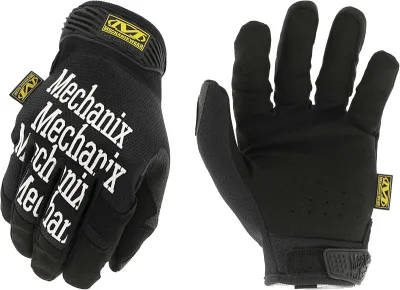
Mechanix Work Gloves with Grip
The default glove for collectors who need feel and protection.
Check price on Amazon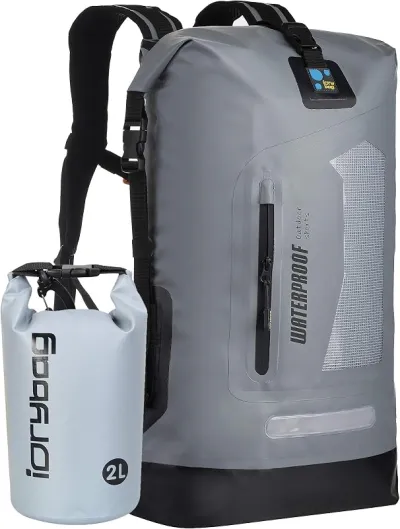
Osprey Talon 22 Backpack
The pack to save for if you collect more than a few times a year.
Check price on Amazon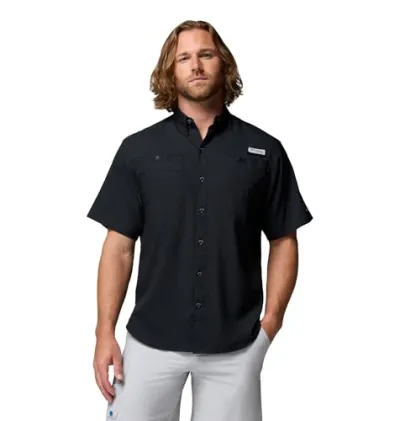
Willit UPF 50+ Sun Shirt UPF 50+
The best all-around sun shirt for rockhounding sites — light enough to collect at, dry enough to hike out in.
Check price on Amazon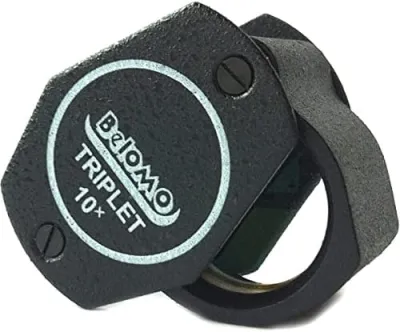
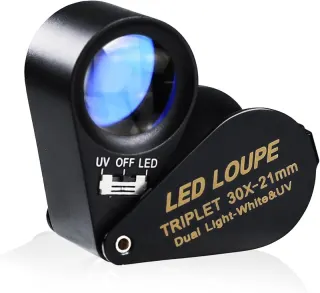
BelOMO 10x Triplet Loupe
The loupe to buy once and carry for decades.
Check price on AmazonDisclosure: Gear links may earn a commission as an Amazon Associate — at no extra cost to you. Learn more.
Access & fees
The governing rule on the North Shore is a designation question rather than an ownership one. Collecting agates or rocks is prohibited in Minnesota state parks, state waysides and scientific and natural areas. Those three categories cover many of the most attractive stretches of shoreline, including several of the best-known river mouths. On public beaches outside those designations, you may keep what you find unless posted otherwise. The practical difficulty is that the boundaries are not always obvious from the beach, so reading the signage at the access point you parked at is the step that keeps you legal. Private shoreline is common between public accesses and is not open. Grand Portage land at the far northeast end of the shore is tribal land with its own rules. Take a reasonable personal quantity, not buckets. Leave driftwood and shoreline vegetation alone, and do not dig into the beach or the banks behind it, which are actively eroding along much of this coast.
The governing rule on the North Shore is a designation question rather than an ownership one. Collecting agates or rocks is prohibited in Minnesota state parks, state waysides and scientific and natural areas. Those three categories cover many of the most attractive stretches of shoreline, including several of the best-known river mouths.
On public beaches outside those designations, you may keep what you find unless posted otherwise. The practical difficulty is that the boundaries are not always obvious from the beach, so reading the signage at the access point you parked at is the step that keeps you legal.
Private shoreline is common between public accesses and is not open. Grand Portage land at the far northeast end of the shore is tribal land with its own rules.
Take a reasonable personal quantity, not buckets. Leave driftwood and shoreline vegetation alone, and do not dig into the beach or the banks behind it, which are actively eroding along much of this coast.
Frequently asked questions
Can you collect agates in Minnesota state parks?
No. Collecting agates or rocks is prohibited in Minnesota state parks, state waysides and scientific and natural areas. Those designations cover a substantial share of the North Shore, including several well-known river mouths, so read the signage at whichever access point you park at before you start looking.
Where are the best agate beaches on Minnesota's North Shore?
Classic public access points include Brighton Beach at the Duluth end, Stoney Point Scenic Drive, the cobblestone river mouth at Temperance River, and Paradise Beach further up the shore. All are on or just off Minnesota Highway 61 and are reachable in any vehicle.
How do you identify a Lake Superior agate?
Look for banding and translucency rather than colour. Lake Superior agate is about 99 percent microcrystalline quartz with bands formed by a different mineral, and the orange and rust tones come from iron. Wetting the stone is the single most effective test, since dry agate looks like any other grey pebble.
When is the best time to hunt agates on Lake Superior?
After a storm or an exceptionally windy and wavy day, when the lake has turned over the cobble and exposed fresh material. That matters more than the season. Late autumn storms and the weeks after spring ice-out are both classic, and any ice-free stretch of beach can produce after the right weather.
How old are Lake Superior agates?
Roughly 1.1 billion years. They formed when gas bubbles in lava erupted during the Midcontinent Rift filled with silica. Glaciers later carried them far beyond their source flows, which is why they turn up across Minnesota, Wisconsin, Michigan and as far south as Iowa and Nebraska.
What makes a Lake Superior agate valuable?
Sharp, tightly spaced banding, strong colour contrast, a complete undamaged surface and size. Most beach agates are thumbnail-sized, so a well-banded specimen above a couple of inches is uncommon. Faces polished naturally by the lake add appeal, while heavy fracturing or a dull chalky rind reduces it.
Is thomsonite found on the North Shore?
Yes. Thomsonite is a zeolite that occurs in cavities in North Shore basalt, most famously around Thomsonite Beach north of Grand Marais, and it forms attractive pink and green radiating nodules. It is much rarer than agate, and much of the best-known ground for it is private, so check access before searching specifically for it.
Can you find agates in Duluth?
Yes. Brighton Beach on the Duluth waterfront is a cobblestone beach that has been a starting point for agate hunters for decades, and it is the most accessible option on the shore. Like everywhere on Highway 61, results depend far more on recent storm activity than on the specific beach.
Do you need a permit to collect rocks on Lake Superior beaches?
Not on ordinary public beaches in Minnesota, where you may keep what you find unless posted otherwise. The restriction is on designation rather than permitting: state parks, state waysides and scientific and natural areas are closed to collecting entirely, and private shoreline requires the owner's permission.
How far do Lake Superior agates travel?
A very long way. Glacial ice carried them south and west out of the basin, which is why Lake Superior agates are found across Minnesota and Wisconsin, into Iowa and even into Nebraska, often hundreds of miles from the lava flows they formed in. Gravel pits well inland are legitimate agate ground for the same reason.
Which North Shore beaches do agate hunters actually recommend?
The recurring answer is that the beach matters less than the timing, and that any ice-free cobble beach outside a state park boundary can produce after a storm. Brighton Beach, Stoney Point and the less-visited stretches further up the shore come up most often, with the usual caveat that the heavily signposted and heavily visited spots are picked over on summer weekends. Experienced hunters generally describe driving the shore and stopping wherever the wave line looks freshly turned rather than committing to one name.
Do people find better agates on the beaches or in inland gravel pits?
Both are defended, for different reasons. Beach hunters point to the natural polish and the sorting the lake does for free. Inland gravel pit hunters argue that glacial deposits well south and west of the lake hold larger and less battered material, because those agates were buried rather than tumbled for millennia. The common thread is that pit access requires permission from an operator while public beaches do not, which is why the shore remains the default for casual hunting.
Regional guide
This spot is featured in our Lake Superior agate beaches roundup with related rockhounding sites in Minnesota.
Explore related hubs
Report an access change
Field conditions change. If this site is closed, claimed, flooded, or the fee has changed, tell us — we update listings with community tips and desk verification.
Include the date you visited and any land-manager contact. Do not share private gate codes.
Map & location
Culture & history
Agate collecting on the North Shore is old enough to be a regional institution. The Beaver Bay Agate Shop has been family-owned since 1946 and Agate City in Two Harbors since 1962, which places both well before rockhounding became a national hobby. The lava that produced the agates also produced the copper that drew the earliest metalworking in North America, and the Ojibwe and their predecessors have lived on this shore for a very long time. Minnesota named the Lake Superior agate its state gemstone in 1969, formalising a connection between the state and a stone that people had been picking off these beaches for generations.
Conservation
Beach cobble is renewed by storms, but the shore behind it is not. Do not dig into beaches or banks, which are actively eroding along much of the North Shore, and stay off dune and shoreline vegetation. Respect the state park, wayside and scientific and natural area boundaries absolutely; those closures exist to keep heavily visited stretches intact. Take a modest personal amount rather than buckets, pack out litter, and give nesting shorebirds and their beach areas a wide berth in spring and early summer.
Sources & updates
Official land managers cited on this page
Always confirm current rules, closures, and fees on the agency site before visiting.
Spotted outdated access, fees, or safety info? Use Report an access change on this page or send a correction with the page URL — we review every submission.