
Pendleton County Agate
Rockhounding site in Franklin, West Virginia · Agate & Jasper
Pendleton County Agate is a agate rockhounding site near Franklin, WV. Fee varies. Best season: Summer and fall low water.
Typical season: Summer and fall low water
Key facts
Structured details for trip planning — verify access and fees with the land manager before you visit.
- Specimen type
- Agate
- Primary specimens
- Agate, Chalcedony, Jasper
- Fee status
- Fee varies
- Nearest town
- Franklin
- State
- West Virginia
- Coordinates
- 38.64000, -79.33000
- Best season
- Summer and fall low water
- Access difficulty
- Easy creek gravel work
- Camping
- Spruce Knob area dispersed camping
- Activities
- Stream gravel collecting
- Facilities
- Franklin town services
- Last updated
- July 5, 2026
What to pack for Pendleton County Agate
Gear we compare for agate & jasper trips like this one — tools, safety, and the hike in.



Disclosure: Gear links may earn a commission as an Amazon Associate — at no extra cost to you. Learn more.
The experience
- Best time to visitSummer and fall low water
- AccessEasy creek gravel work
- FacilitiesFranklin town services
- Camping nearbySpruce Knob area dispersed camping
Things you need to take to Pendleton County Agate

Mechanix Work Gloves with Grip
The default glove for collectors who need feel and protection.
Check price on Amazon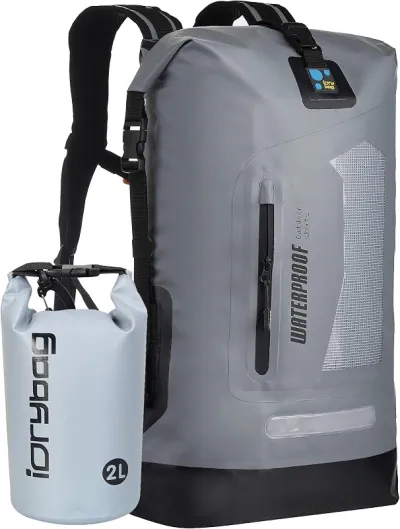
Osprey Talon 22 Backpack
The pack to save for if you collect more than a few times a year.
Check price on Amazon
Willit UPF 50+ Sun Shirt UPF 50+
The best all-around sun shirt for rockhounding sites — light enough to collect at, dry enough to hike out in.
Check price on Amazon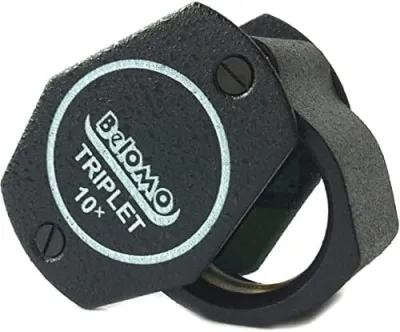
BelOMO 10x Triplet Loupe
The loupe to buy once and carry for decades.
Check price on AmazonDisclosure: Gear links may earn a commission as an Amazon Associate — at no extra cost to you. Learn more.
Explore related hubs
Report an access change
Field conditions change. If this site is closed, claimed, flooded, or the fee has changed, tell us — we update listings with community tips and desk verification.
Include the date you visited and any land-manager contact. Do not share private gate codes.
Map & location
Sources & updates
Spotted outdated access, fees, or safety info? Use Report an access change on this page or send a correction with the page URL — we review every submission.