
Richardson's Rock Ranch
Rockhounding site in Madras, Oregon · Agate & Jasper
Richardson's Rock Ranch is a thunderegg rockhounding site near Madras, OR. Fee varies. Best season: Shop open on seasonal hours (confirm before travel).
Typical season: Shop open on seasonal hours (confirm before travel)
About Richardson's Rock Ranch
Richardson's Rock Ranch sits north of Madras in central Oregon and was for decades the state's best-known fee-dig thunderegg operation. Oregon named the thunderegg its state rock in 1965, and this ranch is where many collectors dug their first egg.
As of the ranch's own notice, all digging is permanently closed. The rock shop remains open on seasonal hours and continues to sell freshly dug thundereggs from historic beds (including Priday and related beds), cut specimens, and lapidary goods from around the world.
A thunderegg is a spherulite: a nodule that formed in rhyolitic ash and lava, with a rough brown exterior and a cavity later filled with agate, jasper or opal. The exterior gives no clue to the interior. cut faces in the shop are still the best way to learn what Oregon eggs look like before you dig elsewhere.
Key facts
Structured details for trip planning — verify access and fees with the land manager before you visit.
- Specimen type
- Thunderegg
- Primary specimens
- Thunderegg, Agate, Jasper, Moss Agate, Petrified Wood
- Fee status
- Fee varies
- Nearest town
- Madras
- State
- Oregon
- Coordinates
- 44.27800, -121.18200
- Best season
- Shop open on seasonal hours (confirm before travel). High desert summers are hot with limited shade in the lot
- Access difficulty
- Easy for a shop visit. Digging is no longer offered
- Parking
- See facilities notes
- Collecting hazards
- Access restrictions
- Camping
- No camping at the ranch. Campgrounds operate around Madras, Lake Billy Chinook and the Crooked River
- Land manager
- U.S. Forest Service
- Activities
- Buying freshly dug and cut thundereggs, rough, and finished stone from the shop — no public digging
- Facilities
- Rock shop with cut and polished material and parking. Madras has full services
- Last updated
- 2026-10-11
What to pack for Richardson's Rock Ranch
Gear we compare for agate & jasper trips like this one — tools, safety, and the hike in.



Disclosure: Gear links may earn a commission as an Amazon Associate — at no extra cost to you. Learn more.
The experience
- Best time to visitShop open on seasonal hours (confirm before travel). High desert summers are hot with limited shade in the lot
- AccessEasy for a shop visit. Digging is no longer offered
- FacilitiesRock shop with cut and polished material and parking. Madras has full services
- Camping nearbyNo camping at the ranch. Campgrounds operate around Madras, Lake Billy Chinook and the Crooked River
Highlights & features
- Home of the famous Priday Agate Beds — dig-your-own is permanently closed
- Oregon designated the thunderegg its state rock in 1965; this ranch remains a classic shop stop
- Shop still sells freshly dug thundereggs from named historic beds
- Cut faces on display show what each bed produces
- Useful education stop before digging at public Ochoco or Succor Creek sites
- Thundereggs formed as spherulites in rhyolitic ash and lava, later filled with agate, jasper or opal
- The plain brown exterior gives no clue to the interior, which is why a cut face is the only way to judge a bed
- Star and fortification patterns are the classic central Oregon thunderegg interiors
How to get there
Richardson's Rock Ranch is at 6683 NE Haycreek Road, Madras, Oregon, about 11 miles north of Madras off US Highway 97 in Jefferson County. Madras sits on US 97 between Bend and the Columbia River, roughly 45 minutes north of Bend and two and a half hours southeast of Portland via US 26. The approach from the highway is signed and the ranch road is gravel but generally fine for a passenger car. Call 541-475-2680 or 800-433-2680 before travelling to confirm shop hours. Do not expect dig-your-own access.
Richardson's Rock Ranch is at 6683 NE Haycreek Road, Madras, Oregon, about 11 miles north of Madras off US Highway 97 in Jefferson County.
Madras sits on US 97 between Bend and the Columbia River, roughly 45 minutes north of Bend and two and a half hours southeast of Portland via US 26. The approach from the highway is signed and the ranch road is gravel but generally fine for a passenger car.
Call 541-475-2680 or 800-433-2680 before travelling to confirm shop hours. Do not expect dig-your-own access.
Plan your visit
Plan this as a shop and education stop, not a dig. Confirm seasonal hours by phone. winter and summer schedules differ, and the ranch has midweek closed days.
If you want to dig thundereggs in Oregon, use public sites such as White Fir Spring, Whistler Spring, or Succor Creek (souvenir limits inside the natural area), listed on our Oregon state map.
Timing for a shop visit: late spring through autumn is pleasant; midsummer lots are hot with little shade. Pets must remain in vehicles per ranch rules. Combine the stop with other Oregon collecting areas toward the Ochocos or Glass Butte.
Things you need to take to Richardson's Rock Ranch

Mechanix Work Gloves with Grip
The default glove for collectors who need feel and protection.
Check price on Amazon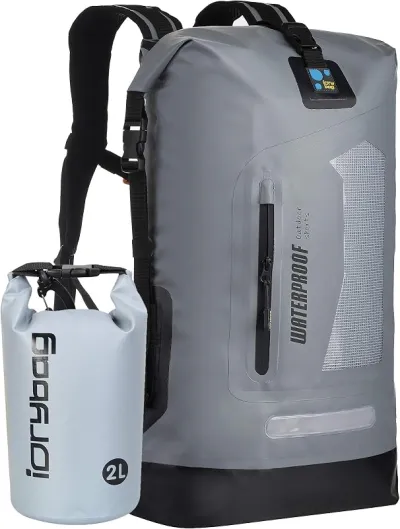
Osprey Talon 22 Backpack
The pack to save for if you collect more than a few times a year.
Check price on Amazon
Willit UPF 50+ Sun Shirt UPF 50+
The best all-around sun shirt for rockhounding sites — light enough to collect at, dry enough to hike out in.
Check price on Amazon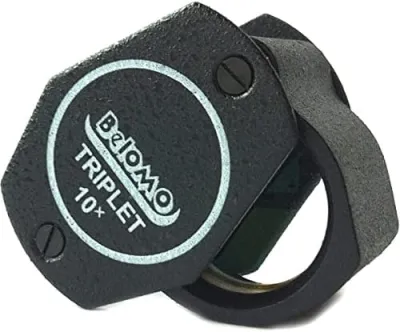
BelOMO 10x Triplet Loupe
The loupe to buy once and carry for decades.
Check price on AmazonDisclosure: Gear links may earn a commission as an Amazon Associate — at no extra cost to you. Learn more.
Access & fees
Richardson's Rock Ranch is private property and a commercial rock shop. Dig-your-own beds are permanently closed. Shop material is priced per pound with a 5 pound minimum per rock type on orders; prices change without notice. Shipping is available for shop orders. Do not prospect on surrounding land. parcels around the ranch are private. For free or public thunderegg collecting, use Ochoco National Forest sites and Succor Creek / adjacent BLM ground with their own rules.
Richardson's Rock Ranch is private property and a commercial rock shop. Dig-your-own beds are permanently closed.
Shop material is priced per pound with a 5 pound minimum per rock type on orders; prices change without notice. Shipping is available for shop orders.
Do not prospect on surrounding land. parcels around the ranch are private. For free or public thunderegg collecting, use Ochoco National Forest sites and Succor Creek / adjacent BLM ground with their own rules.
Frequently asked questions
Can you still dig your own thundereggs at Richardson's Rock Ranch?
No. The ranch states that all digging is permanently closed. The rock shop remains open on seasonal hours and still sells freshly dug thundereggs from historic Priday beds, cut specimens, and lapidary goods. For dig-your-own thundereggs, use public sites such as White Fir Spring, Whistler Spring, or Succor Creek (souvenir limits inside the natural area).
How much do thundereggs cost at Richardson's Rock Ranch?
Shop material is priced per pound and the ranch states that all prices are subject to change without notice. Shop orders carry a 5 pound minimum per rock type. Because published figures date quickly, call 541-475-2680 or 800-433-2680 for current shop pricing rather than relying on a guidebook number.
What is a thunderegg?
A spherulite that formed in rhyolitic ash and lava, with a rough brown exterior and an interior cavity later filled with agate, jasper or opal. The exterior gives no clue to the inside, which is the appeal: every egg is a sealed question until it is cut. Oregon made the thunderegg its state rock in 1965.
Where is Richardson's Rock Ranch?
At 6683 NE Haycreek Road, Madras, Oregon, about 11 miles north of Madras off US Highway 97 in Jefferson County. Madras is roughly 45 minutes north of Bend and two and a half hours southeast of Portland. The ranch road is gravel but generally fine for a passenger car.
What tools do you need to dig thundereggs?
For a shop visit you need no digging tools. If you are continuing to public thunderegg beds the same trip, bring a pick or mattock, shovel, pry bar, gloves, safety glasses, a dust mask, and buckets — those sites are pick-and-shovel work.
Why are thundereggs called thundereggs?
The name comes from a Native American account recorded in central Oregon, in which the Thunder Spirits living on Mount Hood and Mount Jefferson threw the nodules at one another during storms. Oregon adopted the thunderegg as its state rock in 1965, and the name has been standard in the rock trade ever since.
How do you cut a thunderegg?
With a diamond slab saw, cutting through the widest part of the nodule to expose the filled cavity, then polishing the face. Many rock shops will cut one for a small fee if you do not own a saw, and Richardson's shop sells cut faces so you can see what each bed produces before you dig.
Where else can you find thundereggs in Oregon?
Succor Creek State Natural Area in the Owyhee country of far eastern Oregon is the best known public option, where limited souvenir collecting by rock hounds is permitted. Several Bureau of Land Management areas in eastern and central Oregon also produce them, each with its own rules. Richardson's is the classic private fee dig.
What do thunderegg interiors look like?
Most commonly agate, in fortification bands that follow the cavity outline, or in a star pattern where the spherulite grew in points. Jasper and opal fills also occur. Colour and pattern are characteristic of the bed the egg came from, which is why collectors at a ranch choose a bed rather than just a site.
How heavy are thundereggs?
Dense enough to catch people out. A solid silica-filled nodule the size of a grapefruit is surprisingly heavy, and a bucket fills to its weight limit long before it fills to the brim. Bring several buckets, load them partway, and plan the carry back to the vehicle before you dig.
Is a fee thunderegg dig worth it when Oregon has free public beds?
Richardson's no longer offers a fee dig. Collectors who want a managed first dig should look for currently open private mines elsewhere, or learn on public Forest Service beds and Succor Creek. The ranch shop is still valuable for seeing cut faces before you dig elsewhere.
How do you tell a thunderegg from an ordinary rock while digging?
The advice that gets repeated is to look for the shape and the rind rather than for anything that resembles a gemstone. Thundereggs come out roughly spherical to knobbly, with a distinctive rough exterior that differs in texture from the surrounding ash, and they often have a faint seam. Experienced diggers also mention weight: a thunderegg feels heavier than a similar-sized piece of country rock. Beyond that, nobody can call an interior from the outside, which is the entire appeal.
Explore related hubs
Report an access change
Field conditions change. If this site is closed, claimed, flooded, or the fee has changed, tell us — we update listings with community tips and desk verification.
Include the date you visited and any land-manager contact. Do not share private gate codes.
Map & location
Culture & history
Thundereggs take their name from a Native American account recorded in central Oregon, in which the Thunder Spirits of Mount Hood and Mount Jefferson hurled the nodules at each other. Oregon adopted the thunderegg as its state rock in 1965. Central Oregon's volcanic sequences, the John Day and Clarno formations and the later basalts, created the conditions for them: rhyolitic ash and lava with gas cavities that groundwater later filled with silica. Richardson's has been part of the American rockhounding circuit since the mid-twentieth century, and for a great many collectors it was their first dig.
Conservation
This is private working ground, so the basics are the ones the ranch asks for: dig where staff direct, fill your holes, and weigh in everything you take. Do not spread onto neighbouring parcels, which are private ranch land. Pack out all litter, keep vehicles where you are told to park, and leave gates as you found them. Take what you will actually cut; thundereggs are heavy, and a bucket you never saw is a bucket of ground removed for nothing.
Sources & updates
Official land managers cited on this page
Always confirm current rules, closures, and fees on the agency site before visiting.
Spotted outdated access, fees, or safety info? Use Report an access change on this page or send a correction with the page URL — we review every submission.