
Rockhound State Park
Rockhounding site in Deming, New Mexico · Agate & Jasper
Rockhound State Park is a agate rockhounding site near Deming, NM. Fee required. Best season: October through April.
Typical season: October through April
About Rockhound State Park
Rockhound State Park was created in 1966 as the first park in the United States where the public could legally collect rocks and minerals, and that founding purpose still defines it. Visitors may carry out up to 15 pounds of material per person per day, which is an unusually generous allowance and the reason the park has been a fixture on southwestern collecting itineraries for sixty years.
The park occupies the rugged western slopes of the Little Florida Mountains southeast of Deming, at elevations between roughly 4,520 and 5,400 feet. The rock is mid-Tertiary volcanic, a stack of interbedded andesitic, dacitic and rhyolitic ash-flow tuffs and lavas erupted between about 33.5 and 24.4 million years ago, later lifted by Basin and Range faulting and stripped by erosion.
That history is what collectors are working. Thundereggs, properly spherulites, formed as vapor bubbles in hot volcanic rock and later filled with agate, chalcedony and quartz. Alongside them the slopes yield gray perlite, jasper, onyx, crystalline rhyolite, Apache tears and loose quartz crystals. Finds are best after rain, when runoff exposes fresh material, and the good ground is uphill from the campground, so expect to earn it on foot.
Key facts
Structured details for trip planning — verify access and fees with the land manager before you visit.
- Specimen type
- Agate
- Primary specimens
- Thundereggs, Agate, Jasper, Perlite, Geodes, Apache Tears, Quartz Crystals
- Fee status
- Fee required
- Nearest town
- Deming
- State
- New Mexico
- Coordinates
- 32.81200, -107.83300
- Best season
- October through April. Collecting is best after rainfall, which washes fresh material out of the slopes. Summer heat on the exposed hillsides is punishing
- Access difficulty
- Moderate. Collecting means walking rocky, steep slopes above the campground; the park spans roughly 4,520 to 5,400 feet elevation
- Parking
- Roadside / pull-off
- Collecting hazards
- See safety tips
- Camping
- 29 developed campsites in the park, 23 with electric hookups, plus a dump station, water and showers. Group camping available
- Land manager
- State park / recreation agency
- Activities
- Rock and mineral collecting, hiking, birding, wildlife viewing, camping
- Facilities
- Visitor center with exhibits and gift shop, 29 developed campsites including 23 with electric, showers and restrooms, RV dump station, group picnic shelter, playground and gardens
- Last updated
- 2026-09-15
What to pack for Rockhound State Park
Gear we compare for agate & jasper trips like this one — tools, safety, and the hike in.



Disclosure: Gear links may earn a commission as an Amazon Associate — at no extra cost to you. Learn more.
The experience
- Best time to visitOctober through April. Collecting is best after rainfall, which washes fresh material out of the slopes. Summer heat on the exposed hillsides is punishing
- AccessModerate. Collecting means walking rocky, steep slopes above the campground; the park spans roughly 4,520 to 5,400 feet elevation
- FacilitiesVisitor center with exhibits and gift shop, 29 developed campsites including 23 with electric, showers and restrooms, RV dump station, group picnic shelter, playground and gardens
- Camping nearby29 developed campsites in the park, 23 with electric hookups, plus a dump station, water and showers. Group camping available
Highlights & features
- The first state park in the United States that allowed visitors to collect rocks and minerals, established 1966
- 15 pounds per person per day may be taken home, one of the most generous limits at any US park
- Thundereggs, agate, jasper, perlite, Apache tears and quartz crystals all occur within the park
- Full campground with electric sites and showers at the trailhead to the collecting slopes
- Managed by New Mexico State Parks in the Little Florida Mountains
- The host rock is mid-Tertiary volcanic: interbedded andesitic, dacitic and rhyolitic ash-flow tuffs and lavas erupted between about 33.5 and 24.4 million years ago
- Thundereggs here are spherulites, with a dark outer shell of quartz, feldspar and magnetite around an agate, chalcedony or quartz core
- The hollow centers are thought to have formed from vapor bubbles nucleating and expanding in hot volcanic rock
How to get there
The park is about 14 miles southeast of Deming. From Interstate 10 at Deming, take New Mexico Highway 11 south, then turn east on New Mexico Highway 143 and follow signs to Stirrup Road SE and the park entrance at 9880 Stirrup Road SE. The approach is paved the whole way and suitable for any vehicle, including RVs bound for the campground. Once inside, collectors park at the trailheads and walk uphill onto the slopes; there is no vehicle access to the collecting areas themselves. Deming has fuel, groceries and lodging and is the practical resupply point. Silver City is about an hour and a half north if you are combining the visit with other southwest New Mexico stops.
The park is about 14 miles southeast of Deming. From Interstate 10 at Deming, take New Mexico Highway 11 south, then turn east on New Mexico Highway 143 and follow signs to Stirrup Road SE and the park entrance at 9880 Stirrup Road SE.
The approach is paved the whole way and suitable for any vehicle, including RVs bound for the campground. Once inside, collectors park at the trailheads and walk uphill onto the slopes; there is no vehicle access to the collecting areas themselves.
Deming has fuel, groceries and lodging and is the practical resupply point. Silver City is about an hour and a half north if you are combining the visit with other southwest New Mexico stops.
Plan your visit
Give yourself most of a day. The walk up to productive ground and back, plus time actually looking, fills the morning easily, and the visitor center is worth a stop for its exhibits on what you are likely to find.
Bring a rock hammer, a small pry bar, safety glasses, gloves, sturdy boots, a backpack or bucket for your 15 pounds, and more water than you think you need. A hand lens helps sort agate from plain chalcedony in the field.
Timing: October through April, and ideally a few days after rain. Facilities: visitor center, gift shop, 29 campsites with 23 electric, showers, restrooms, dump station, picnic shelter and playground.
The campground makes this an easy base for the region, and the park pairs naturally with other New Mexico collecting areas around Deming and Luna County.
Things you need to take to Rockhound State Park
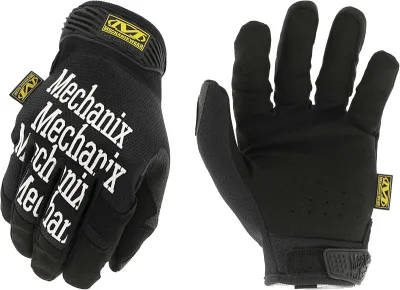
Mechanix Work Gloves with Grip
The default glove for collectors who need feel and protection.
Check price on Amazon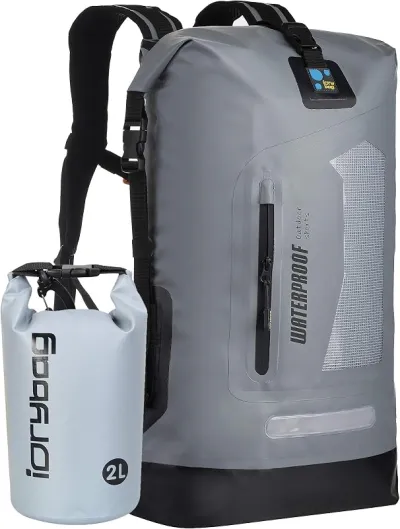
Osprey Talon 22 Backpack
The pack to save for if you collect more than a few times a year.
Check price on Amazon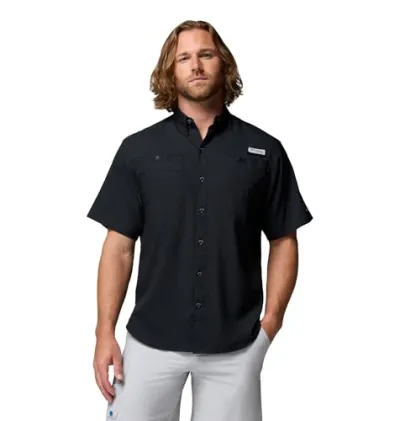
Willit UPF 50+ Sun Shirt UPF 50+
The best all-around sun shirt for rockhounding sites — light enough to collect at, dry enough to hike out in.
Check price on Amazon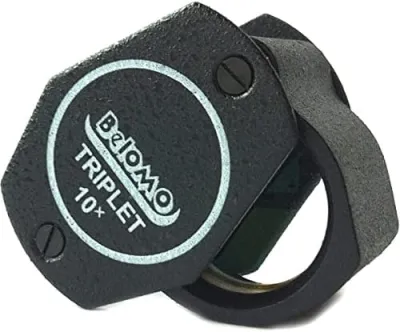
BelOMO 10x Triplet Loupe
The loupe to buy once and carry for decades.
Check price on AmazonDisclosure: Gear links may earn a commission as an Amazon Associate — at no extra cost to you. Learn more.
Access & fees
Rockhound State Park is administered by New Mexico State Parks, and a day-use fee is charged per vehicle. Camping is billed separately. The collecting rule is the important one: up to 15 pounds of rock and mineral material per person per day, for personal use. Mineral dealers and anyone collecting for resale are barred from collecting in the park. The limit exists to keep the resource available for the next visitor rather than to discourage collecting, which is the opposite of the policy at most parks. Hand tools only, and collecting is confined to the park boundary. Adjacent land in the Little Florida Mountains district is not part of the park and includes old workings from historic manganese, fluorite and precious metal mining. Confirm current fees, hours and any seasonal restrictions with the park office at 575-546-6182.
Rockhound State Park is administered by New Mexico State Parks, and a day-use fee is charged per vehicle. Camping is billed separately.
The collecting rule is the important one: up to 15 pounds of rock and mineral material per person per day, for personal use. Mineral dealers and anyone collecting for resale are barred from collecting in the park. The limit exists to keep the resource available for the next visitor rather than to discourage collecting, which is the opposite of the policy at most parks.
Hand tools only, and collecting is confined to the park boundary. Adjacent land in the Little Florida Mountains district is not part of the park and includes old workings from historic manganese, fluorite and precious metal mining. Confirm current fees, hours and any seasonal restrictions with the park office at 575-546-6182.
Frequently asked questions
How much can you collect at Rockhound State Park?
Up to 15 pounds of rock and mineral material per person per day, for personal use. It is one of the most generous collecting allowances at any park in the United States. Mineral dealers and anyone collecting for resale are barred from collecting in the park.
What can you find at Rockhound State Park in New Mexico?
Thundereggs, agate, jasper, gray perlite, onyx, crystalline rhyolite, Apache tears (obsidian) and quartz crystals. They weather out of mid-Tertiary ash-flow tuffs and lavas on the slopes of the Little Florida Mountains. Collecting is best a few days after rain, when runoff exposes fresh material.
Is there a fee at Rockhound State Park?
Yes. New Mexico State Parks charges a day-use fee per vehicle, with camping billed separately. The park has 29 developed campsites, 23 of them with electric hookups, plus showers, restrooms and an RV dump station. Call 575-546-6182 for current rates.
When is the best time to visit Rockhound State Park?
October through April. The collecting slopes are steep, exposed and shadeless, which makes summer field work in the Chihuahuan Desert genuinely hazardous. Whatever the month, go a few days after rainfall, which washes fresh material out of the hillsides.
Where is Rockhound State Park?
About 14 miles southeast of Deming, New Mexico, at 9880 Stirrup Road SE, in the Little Florida Mountains. The approach from Interstate 10 at Deming is paved the whole way via NM-11 and NM-143 and is suitable for RVs heading to the campground.
How far do you have to walk to collect at Rockhound State Park?
Collecting happens uphill from the campground on the slopes of the Little Florida Mountains, so expect a walk with elevation gain rather than a roadside stop. Park at the trailheads and work up. The park spans roughly 4,520 to 5,400 feet, and the productive ground is the higher, more eroded slopes.
What is a thunderegg and how do you spot one?
A spherulite: a nodule with a dark outer shell of quartz, feldspar and magnetite around an agate, chalcedony or quartz core. In the field, look for roughly spherical, knobbly nodules that stand out from the surrounding volcanic rubble. You cannot tell the interior from the outside, which is why they get cut.
Can you camp at Rockhound State Park?
Yes. The park has 29 developed campsites, 23 of them with electric hookups, plus showers, restrooms, an RV dump station and group camping. That makes it a practical base for collecting over several days and for exploring the Deming area of southwest New Mexico.
Is Rockhound State Park good for beginners?
It is one of the best beginner sites in the country, because collecting is not only permitted but encouraged, the 15-pound daily limit is generous, and the visitor center explains what you are likely to find. The demands are physical rather than technical: steep loose slopes, full sun and no shade.
What is Spring Canyon at Rockhound State Park?
A separate day-use unit of the park a few miles away in the Little Florida Mountains, known for scenery, hiking and a herd of Persian ibex introduced in the 1970s. Check current rules for that unit separately, since day-use areas and the main park can differ.
How much do people actually find at Rockhound State Park?
Reports vary widely and the pattern is consistent: those who walk uphill to the more eroded slopes and search after rain describe filling their 15 pounds without difficulty, while those who stay near the campground and picnic areas describe picking over ground that thousands of visitors have already worked. Sixty years of collecting have thinned the easy access areas, and the honest advice is that the reward here scales directly with how far up you are willing to walk.
Is the 15-pound limit per person or per vehicle?
Collectors consistently describe it as 15 pounds per person per day, which is how the park and state sources present it, and note that it applies to personal use only since mineral dealers and anyone collecting for resale are barred from collecting in the park. The practical observation people make is that 15 pounds of thundereggs and jasper is more than most visitors want to carry down a steep slope anyway.
Explore related hubs
Report an access change
Field conditions change. If this site is closed, claimed, flooded, or the fee has changed, tell us — we update listings with community tips and desk verification.
Include the date you visited and any land-manager contact. Do not share private gate codes.
Map & location
Culture & history
The Little Florida Mountains were mined for manganese, fluorite and precious metals from epithermal veins, with manganese extraction continuing until 1959. The workings and prospects scattered through the range date from that era, and some of the material collectors now pick up is a byproduct of that geology rather than that mining. The park's 1966 founding was a deliberate experiment in managing a mineral resource for recreation rather than extraction, and it became the model other states looked at when deciding whether collecting could be permitted on public land at all.
Conservation
Sixty years of collecting have thinned the easy ground, which is exactly why the 15-pound limit exists. Stay within it, take material you will genuinely use, and leave the rest for the next visitor. Work loose surface material and talus rather than digging into slopes, since excavation accelerates erosion on these steep hillsides. Stay on established trails where they exist, do not disturb desert vegetation, and pack out all trash. Report commercial-scale collecting to the park office; dealers collecting for resale are prohibited here.
Sources & updates
Official land managers cited on this page
Always confirm current rules, closures, and fees on the agency site before visiting.
Spotted outdated access, fees, or safety info? Use Report an access change on this page or send a correction with the page URL — we review every submission.