
Smoky Valley Ranch Agate
Rockhounding site in Wallace, Kansas · Agate & Jasper
Smoky Valley Ranch Agate is a agate rockhounding site near Wallace, KS. Free. Best season: Spring and autumn.
Typical season: Spring and autumn
About Smoky Valley Ranch Agate
Smoky Valley Ranch sits in southern Logan County in western Kansas, where the shortgrass prairie breaks into chalk bluffs above the Smoky Hill River. The Nature Conservancy owns it and runs it as both a conservation property and a working cattle ranch, with a bison herd, pronghorn and lesser prairie-chicken among the wildlife it protects.
The geology is the Cretaceous Niobrara Formation, chalk deposited in the Western Interior Seaway around 85 million years ago, when this part of North America lay beneath a warm inland sea. That chalk is world famous for its marine fossils, the mosasaurs, plesiosaurs and giant fish that made western Kansas a fixture in palaeontology, and erosion of the soft rock produces the badland spires that define the skyline here.
The important thing for a collector to understand is that this is not a collecting destination. Visitor access is limited because most of the ranch is leased for cattle grazing or given over to the bison herd, and the preserve exists to protect prairie and the species that depend on it. Come for a 5.5-mile loop across genuinely intact shortgrass prairie and for the geology in cross section, and leave the hammer at home.
Key facts
Structured details for trip planning — verify access and fees with the land manager before you visit.
- Specimen type
- Agate
- Primary specimens
- Niobrara Chalk, Chalcedony, Agate, Marine Fossils
- Fee status
- Free
- Nearest town
- Wallace
- State
- Kansas
- Coordinates
- 38.85000, -101.58000
- Best season
- Spring and autumn. High plains summers are punishing on an unshaded trail and winter brings wind and ice
- Access difficulty
- Moderate. The main loop is about 5.5 miles across open shortgrass prairie and chalk badlands with no shade and no water
- Parking
- See facilities notes
- Collecting hazards
- Access restrictions
- Camping
- No camping on the preserve. Campgrounds and lodging in Oakley and along Interstate 70
- Land manager
- State park / recreation agency
- Activities
- Hiking the loop trail, wildlife watching, prairie and badlands geology observation. Collecting is not permitted
- Facilities
- Trailhead parking only. No water, no toilets, no shade. Oakley is the nearest town with services
- Last updated
- 2026-09-15
What to pack for Smoky Valley Ranch Agate
Gear we compare for agate & jasper trips like this one — tools, safety, and the hike in.



Disclosure: Gear links may earn a commission as an Amazon Associate — at no extra cost to you. Learn more.
The experience
- Best time to visitSpring and autumn. High plains summers are punishing on an unshaded trail and winter brings wind and ice
- AccessModerate. The main loop is about 5.5 miles across open shortgrass prairie and chalk badlands with no shade and no water
- FacilitiesTrailhead parking only. No water, no toilets, no shade. Oakley is the nearest town with services
- Camping nearbyNo camping on the preserve. Campgrounds and lodging in Oakley and along Interstate 70
Highlights & features
- Chalk bluffs of the Cretaceous Niobrara Formation overlooking the Smoky Hill River
- A 5.5-mile loop hiking trail across working shortgrass prairie
- Home to a bison herd, pronghorn and lesser prairie-chicken
- Part of the Western Vistas Historic Byway country alongside Little Jerusalem Badlands State Park
- One of the largest intact shortgrass prairie preserves in Kansas
- The Niobrara Chalk was deposited in the Western Interior Seaway roughly 85 million years ago and is famous for marine reptile and fish fossils
- Erosion of that soft chalk produces the badland spires and bluffs that define the western Kansas skyline
- Silicified zones and chalcedony occur within the chalk sequence, which is the basis for agate reports from this country
How to get there
Smoky Valley Ranch is in southern Logan County, Kansas, reached from Oakley on US Highway 83 south and then west on county roads toward the Smoky Hill River. The trailhead is on County Road 350 near Winona. Oakley sits on Interstate 70 in western Kansas, roughly four hours west of Wichita and two and a half hours east of Denver's outskirts. It is the nearest town with fuel, food and lodging. The county roads are gravel and generally fine for a passenger car in dry weather, though they become slick after rain. The hiking and horse trails are on the west side of the ranch. Call The Nature Conservancy in Kansas on 785-233-4400 for current access information before making the drive.
Smoky Valley Ranch is in southern Logan County, Kansas, reached from Oakley on US Highway 83 south and then west on county roads toward the Smoky Hill River. The trailhead is on County Road 350 near Winona.
Oakley sits on Interstate 70 in western Kansas, roughly four hours west of Wichita and two and a half hours east of Denver's outskirts. It is the nearest town with fuel, food and lodging.
The county roads are gravel and generally fine for a passenger car in dry weather, though they become slick after rain. The hiking and horse trails are on the west side of the ranch. Call The Nature Conservancy in Kansas on 785-233-4400 for current access information before making the drive.
Plan your visit
Plan a half day for the loop and treat water as the limiting factor.
The main trail is about 5.5 miles across open prairie and chalk badlands with no shade, no water and no toilets. Bring at least two litres per person, sun protection, a hat, sturdy boots and a wind layer. Binoculars are worth more here than any rock tool.
Timing: spring and autumn. Facilities: trailhead parking only; services in Oakley.
The Nature Conservancy publishes trail user guidelines and states plainly that it is not responsible for visitor safety on the trail, which is a fair reflection of how remote and exposed this country is. Combine the visit with Little Jerusalem Badlands State Park nearby, which protects the most dramatic Niobrara exposures in Kansas, and with the Western Vistas Historic Byway. For actual collecting, see other Kansas areas where it is permitted.
Things you need to take to Smoky Valley Ranch Agate

Mechanix Work Gloves with Grip
The default glove for collectors who need feel and protection.
Check price on Amazon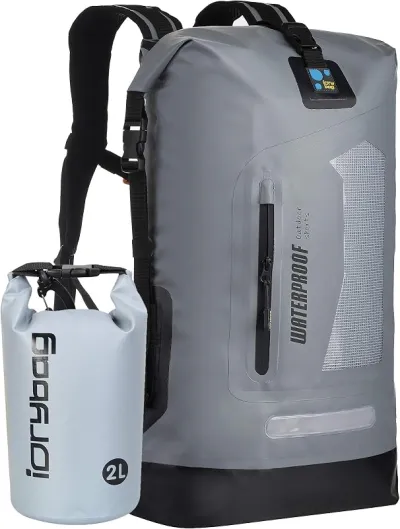
Osprey Talon 22 Backpack
The pack to save for if you collect more than a few times a year.
Check price on Amazon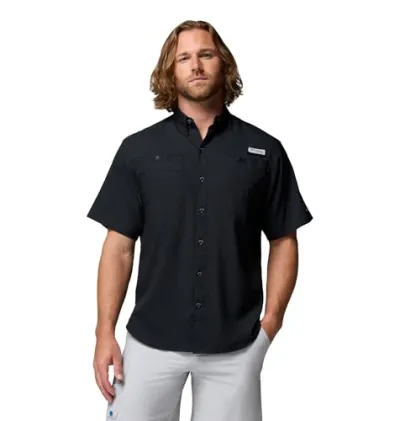
Willit UPF 50+ Sun Shirt UPF 50+
The best all-around sun shirt for rockhounding sites — light enough to collect at, dry enough to hike out in.
Check price on Amazon
BelOMO 10x Triplet Loupe
The loupe to buy once and carry for decades.
Check price on AmazonDisclosure: Gear links may earn a commission as an Amazon Associate — at no extra cost to you. Learn more.
Access & fees
This section is short and unambiguous. Smoky Valley Ranch is a large working ranch privately owned by The Nature Conservancy. Visitor access is limited, most of the property is leased for cattle grazing or is home to the bison herd, and use is confined to the designated hiking and horse trails on the west side. Collecting rocks and fossils is not permitted on Nature Conservancy preserves. That applies to chalk, chalcedony, agate and fossil material alike, and it applies whether a piece is loose on the surface or in place. Nearby Little Jerusalem Badlands State Park, which protects the best Niobrara exposures in Kansas, is likewise a viewing destination rather than a collecting one. If you want to collect in western Kansas, that means finding private land where the owner grants permission, which in ranching country is a conversation rather than a formality. Do not treat an unfenced chalk exposure as open ground.
This section is short and unambiguous. Smoky Valley Ranch is a large working ranch privately owned by The Nature Conservancy. Visitor access is limited, most of the property is leased for cattle grazing or is home to the bison herd, and use is confined to the designated hiking and horse trails on the west side.
Collecting rocks and fossils is not permitted on Nature Conservancy preserves. That applies to chalk, chalcedony, agate and fossil material alike, and it applies whether a piece is loose on the surface or in place.
Nearby Little Jerusalem Badlands State Park, which protects the best Niobrara exposures in Kansas, is likewise a viewing destination rather than a collecting one.
If you want to collect in western Kansas, that means finding private land where the owner grants permission, which in ranching country is a conversation rather than a formality. Do not treat an unfenced chalk exposure as open ground.
Frequently asked questions
Can you collect rocks or fossils at Smoky Valley Ranch?
No. Smoky Valley Ranch is a private Nature Conservancy preserve and working cattle ranch, and collecting rocks and fossils is not permitted. Visitor access is limited to the designated hiking and horse trails on the west side of the property, since most of the ranch is leased for grazing or is bison range.
How long is the Smoky Valley Ranch trail?
About 5.5 miles as a loop, crossing open shortgrass prairie and chalk badlands. There is no shade, no water and no toilets anywhere on the route, and The Nature Conservancy states that it is not responsible for visitor safety on the trail, so carry far more water than the distance suggests.
What is the Niobrara Chalk?
A Cretaceous formation deposited in the Western Interior Seaway roughly 85 million years ago, when western Kansas lay beneath a warm inland sea. It is world famous for marine reptile and fish fossils, and its erosion produces the chalk spires and bluffs that define the western Kansas skyline.
Are there bison at Smoky Valley Ranch?
Yes. The Nature Conservancy maintains a bison herd on the property alongside pronghorn and lesser prairie-chicken. Bison are dangerous and unpredictable, so keep a very wide distance, never approach for a photograph, and treat any animal that notices you as a reason to change direction.
Where is Smoky Valley Ranch?
In southern Logan County, western Kansas, with the trailhead on County Road 350 near Winona, reached from Oakley on US Highway 83 and county gravel roads. Oakley sits on Interstate 70 and is the nearest town with fuel, food and lodging. Call 785-233-4400 for current access information.
Where can you find agates in Kansas?
Kansas produces chalcedony, agate, chert and fossil material, mostly from stream gravels, road cuts and eroded exposures on private ranch land. Because the state has very little public land, essentially all Kansas collecting depends on landowner permission. Nature Conservancy preserves and state parks are closed to collecting.
What is Little Jerusalem Badlands State Park?
A Kansas state park protecting the largest exposure of Niobrara Chalk in the state, with spires and formations visible from viewing trails. Like Smoky Valley Ranch nearby, it is a viewing and hiking destination rather than a collecting site, and the two work well as a single day in the chalk country.
What fossils come from the Kansas chalk?
Mosasaurs, plesiosaurs, pterosaurs, giant fish such as Xiphactinus, sharks, ammonites and the flightless bird Hesperornis. Specimens from these bluffs were central to nineteenth-century American palaeontology and are in museums worldwide, which is part of why the exposures are now protected rather than open to collecting.
Is western Kansas worth visiting for geology?
Yes, for landscape and interpretation rather than for collecting. Monument Rocks, Castle Rock, Little Jerusalem Badlands State Park and Smoky Valley Ranch together show the Niobrara Chalk at its most dramatic, and the Western Vistas Historic Byway links them. Bring a camera and binoculars rather than a hammer.
Do you need permission to hike at Smoky Valley Ranch?
Not for the designated trails, which are open to the public, but access is limited to those trails because the rest of the property is leased for cattle grazing or is bison range. Call The Nature Conservancy in Kansas on 785-233-4400 before travelling, since access arrangements on a working ranch can change.
Why do so many Kansas sites turn out to be look-but-do-not-take?
The pattern collectors notice is real and has a structural explanation: Kansas has very little federal public land compared with western states, so the interesting geology is mostly on private ranch land, state park land or conservation preserves, and all three restrict collecting. The advice that comes out of these discussions is to treat Kansas as a landowner-relationship state, where a conversation with a rancher opens more ground than any map, and to enjoy places like the chalk badlands as scenery.
What should you do if you find a significant fossil on a preserve?
The consistent advice is to photograph it in place with a scale, record the location as precisely as you can, and contact a museum, a state geological survey or the landowner rather than collecting it. Collectors point out that a vertebrate fossil removed from its context loses most of its scientific value, and that on protected land removing it is illegal regardless. In Kansas chalk country, where the formation is still scientifically productive, that advice carries extra weight.
Explore related hubs
Report an access change
Field conditions change. If this site is closed, claimed, flooded, or the fee has changed, tell us — we update listings with community tips and desk verification.
Include the date you visited and any land-manager contact. Do not share private gate codes.
Map & location
Culture & history
The Smoky Hill River valley carried the Butterfield Overland Despatch route to Denver in the 1860s, and the chalk country around it saw the conflicts of that period. Monument Rocks and Castle Rock, the best known chalk formations in western Kansas, were landmarks on that route. The Niobrara Chalk also produced the fossils that made western Kansas central to nineteenth-century American palaeontology, during the rivalry between Cope and Marsh. The specimens that came out of these bluffs are in museums worldwide, and that history is part of why the exposures are now protected rather than open to collecting.
Conservation
This is a conservation preserve first and a scenic destination second, and the no-collecting rule follows directly from that. Chalk badlands erode rapidly, and every fossil taken from an exposure is data lost from a formation that is still scientifically productive. Stay on the designated trails, leave gates as you found them, keep a very wide distance from bison and cattle, and take nothing but photographs. Pack out everything, including food waste, and avoid walking on chalk faces, where a single boot print starts a rill. Report significant fossil finds to a museum or to The Nature Conservancy rather than collecting them.
Sources & updates
Official land managers cited on this page
Always confirm current rules, closures, and fees on the agency site before visiting.
Spotted outdated access, fees, or safety info? Use Report an access change on this page or send a correction with the page URL — we review every submission.