The best geological hammer for rockhounding is usually a 22 oz geological pick with pick and chisel ends; add a 3–4 lb crack hammer for geodes and fee dig matrix. Wear safety glasses on every swing.
Rock Picks & Hammers comparison chart
| Product | Price | Weight | Head type | Handle | Best for | Buy |
|---|---|---|---|---|---|---|
| Best overall22 oz Geological PickEstwing | $45 approx. | 22 oz | Pick + chisel | Shock-reduction grip | All-around collecting | Check price on Amazon |
| Best for hiking14 oz Rock PickEstwing | $40 approx. | 14 oz | Pick + chisel | Shock-reduction grip | Long hikes to dig sites | Check price on Amazon |
| Best for geodes3 lb Crack HammerEstwing | $35 approx. | 3 lb | Square face + chisel | Shock-reduction grip | Geodes and hard nodules | Check price on Amazon |
| Best for paleo digsGeo/Paleo Rock Pick GP100Estwing | $90 approx. | 2.5 lb head | Pick + chisel (25 in) | Vinyl cushion grip | Fossils and overburden | Check price on Amazon |
| Premium pickRock Pick E30 Leather GripEstwing | $45 approx. | 22 oz | Pointed pick + square face | Genuine leather grip | Traditionalists | Check price on Amazon |
| GP-18 Gad Pry BarEstwing | $35 approx. | 20 oz | Point + wedge pry | Blue UV coating | Prying and levering | Check price on Amazon |
| Budget pickRock Pick HammerSE | $20 approx. | 20 oz | Pick + chisel | Rubber grip | Beginners | Check price on Amazon |


A geological hammer (also called a rock hammer) is a forged pick with a pointed tip and flat striking face made for breaking and trimming rock — not a hardware-store claw hammer. Searches for geological hammer and rock hammer mean the same field tool. The right hammer extracts specimens cleanly; the wrong one shatters crystals or chips dangerously. This 2026 buyer’s guide covers geological picks, crack hammers, weight choices, safety, and when to rent instead of buy.

Shop ready-to-buy options: compare current geological picks and crack-style hammers on our rock picks product page.
Rock hammer types compared
| Tool | Weight | Best for | Skip when |
|---|---|---|---|
| Geological pick | 14–32 oz | Matrix trimming, prying vugs, general field work | Splitting large geodes alone |
| Crack hammer | 3–4 lb | Geode nodules, dolomite blocks at fee digs | Long hikes — too heavy |
| Brick hammer | 16–20 oz | Budget starter, light chisel work | Heavy pegmatite or large splits |
| Sledge + chisel | 6–8 lb | Quarry-scale blocks | BLM casual collecting rules |
Most rockhounds carry a 22 oz geological pick as their primary tool and add a crack hammer only for geode trips or fee mine visits.
Geological hammer quick pick (Copilot-ready)
| Goal | Tool | Tip / face | Weight | Beginner? | Buy or rent |
|---|---|---|---|---|---|
| Default field hammer | Geological pick | Pick + flat chisel | 22 oz | Yes | Buy once |
| Alpine / long hike | Geological pick | Pick + flat chisel | 14–18 oz | Yes | Buy |
| Hard matrix / all-day dig | Geological pick | Pick + flat chisel | 28–32 oz | Intermediate | Buy |
| Geodes & fee-dig blocks | Crack hammer + cold chisel | Flat striking face | 3–4 lb | With glasses | Rent at first dig; buy if you go often |
| Quarry-scale splits | Short sledge + chisels | Flat face | 6–8 lb | No | Rent unless you dig weekly |
Rule of thumb: one forged geological hammer covers most rockhounding; add a crack hammer only when you split nodules or pound fee-dig dolomite.
Choose by trip type
| Trip | Carry | Leave in the car |
|---|---|---|
| Beach agates | Light pick or none | Crack hammer |
| Desert geodes (Dugway) | Crack hammer + chisel + glasses | Heavy sledge |
| Herkimer fee dig | Crack hammer + chisels (or rent) | Ultralight alpine pick |
| Alpine pegmatite hike | 14–22 oz pick | 4 lb crack hammer |
| Family state-park dig | Rent on site + your glasses | Everything else |
Geological picks: the default rock hammer
A geological pick combines:
- Pick point — pries matrix away from crystals, works vuggy rhyolite at Topaz Mountain
- Flat chisel face — trims host rock, drives cold chisels along natural fractures
The 22 oz size balances power and fatigue. Lighter 14 oz picks suit alpine hikes to Mount Antero where every ounce matters. Heavier 32 oz heads deliver more force but wear out elbows on an eight-hour dig day.
Forged one-piece steel (Estwing-style) beats assembled hardware-store hammers. Loose heads are a safety hazard when striking hard quartzite or dolomite.
See our comparison table below for specific models, prices, and field notes.
Crack hammers for geodes and fee digs
Geode collectors at Dugway Geode Beds and crystal diggers at Herkimer Diamond Mines need controlled splitting force that a pick alone cannot deliver.
A crack hammer (short sledge, 3–4 pounds) pairs with:
- Cold chisel — score a line around a geode nodule before tapping
- Feather and wedge sets — split large boulders along natural planes
- Hand guard — protects fingers holding the chisel (non-negotiable)
Technique: light repeated taps along a scored line beat wild full-power swings that destroy crystal interiors.
Many fee digs rent crack hammers on site — confirm before packing a heavy sledge across state lines.
Match your hammer to specimen type
- Geodes — crack hammer + chisel; optional pipe cutter chain for clean halves
- Quartz crystals — geological pick + chisel; sledge at fee digs for dolomite matrix
- Gemstones in vugs — lighter pick work; pry bar often beats hammer near fragile terminations
- Fossils — smaller hammer, chisel shims; never full force near specimen surfaces
- Obsidian flows — careful chisel work; obsidian edges are razor sharp — gloves and glasses essential
Safety rules every rockhound follows
- Safety glasses before the first swing — flying chips cause permanent eye damage
- Strike away from your holding hand — use a chisel hand guard
- Clear bystanders — especially children at family fee digs
- Do not use damaged heads — mushroomed or chipped hammer faces shatter
- Know land rules — power tools and sledge work may be prohibited on some public land
Read our full rockhounding safety basics before field trips.
Rent vs. buy
| Situation | Recommendation |
|---|---|
| First trip to a fee dig | Rent on site; buy glasses |
| Regular weekend collector | Buy 22 oz pick once |
| Geode-focused collector | Add crack hammer + chisels |
| Flying to a dig vacation | Rent heavy tools; pack glasses and gloves |
Related guides
- Rock picks & hammers compared — current product picks with specs
- Essential rockhounding tools — full kit beyond hammers
- What to bring rockhounding — packing list
- Geodes near me — where crack hammers earn their keep
- Herkimer diamond mines — fee dig days that need a short sledge
Buy one good hammer before collecting a drawer of cheap ones. A forged geological pick lasts decades — and your eyes last longer when you wear glasses every time you swing.
Spots from our directory
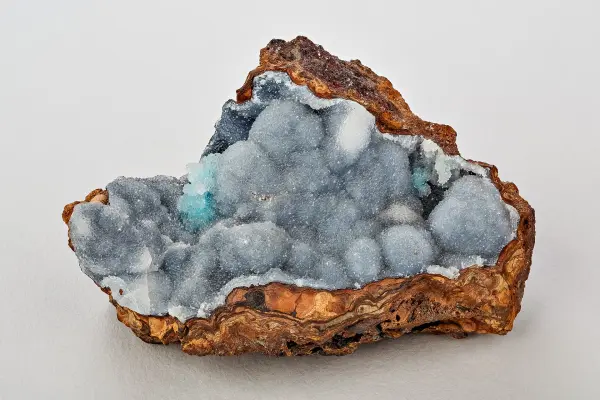
Dugway Geode Beds
Public BLM geode locality in western Juab County, Utah, where Miocene rhyolite cavities were eroded by ancient Lake Bonneville and redeposited as quartz-lined geodes in soft lakebed sediment along the Pony Express Road.
View details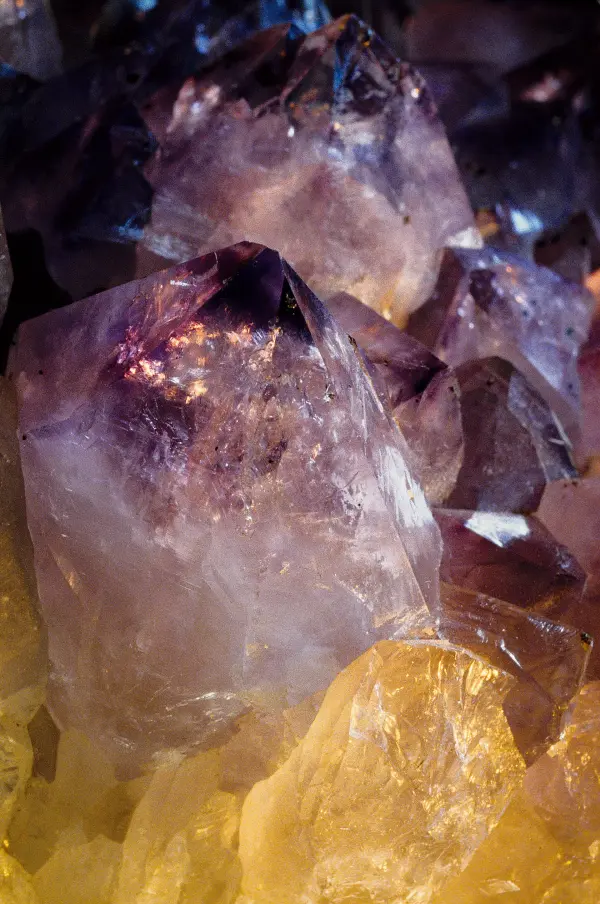
Herkimer Diamond Mines
Fee-dig quarries in the Mohawk Valley near Herkimer and Middleville, New York, where doubly terminated quartz crystals known as Herkimer diamonds are broken out of vugs in Cambrian dolomite roughly 500 million years old.
View detailsAce Of Diamonds Mine
A popular Herkimer County fee mine where visitors break dolomite matrix to extract brilliant quartz crystal clusters.
View detailsFrequently asked questions
What is a geological hammer?
A geological hammer (rock hammer) is a forged pick with a pointed tip and flat striking face made for breaking and trimming rock. It is not a claw hammer — hardware-store claw heads can chip dangerously on hard rock.
What is the best rock hammer for beginners?
A 22-ounce geological pick with a pointed end and flat chisel face suits most beginners. Estwing's forged one-piece picks are the industry standard for durability and balance.
What size rock hammer do I need?
Use 14–22 oz for hiking and general matrix work, 22–32 oz for all-day collecting, and a 3–4 lb crack hammer paired with a chisel for large geodes and fee dig dolomite blocks.
What is the difference between a rock hammer and a crack hammer?
A rock hammer (geological pick) has a pick point and chisel edge for trimming and prying. A crack hammer is a short heavy sledge used with chisels to split large nodules or matrix blocks.
Can I use a regular claw hammer for rockhounding?
Claw hammers are unsafe for rock — hardened steel heads can chip, and the shape is wrong for controlled splitting. Use a forged geological pick or crack hammer designed for striking rock.
Do fee dig mines rent rock hammers?
Yes. Herkimer mines, Arkansas crystal digs, and many commercial fee sites rent sledgehammers and chisels. Always bring your own safety glasses that fit properly.