Rockhounding tools start with safety glasses, a 22-ounce rock hammer, cold chisel, gloves, bucket, and 10x hand lens—add crack hammers, screens, and shovels for geodes, fee digs, and desert nodule fields.
Rock Picks & Hammers comparison chart
| Product | Price | Weight | Head type | Handle | Best for | Buy |
|---|---|---|---|---|---|---|
| Best overall22 oz Geological PickEstwing | $45 approx. | 22 oz | Pick + chisel | Shock-reduction grip | All-around collecting | Check price on Amazon |
| Best for hiking14 oz Rock PickEstwing | $40 approx. | 14 oz | Pick + chisel | Shock-reduction grip | Long hikes to dig sites | Check price on Amazon |
| Best for geodes3 lb Crack HammerEstwing | $35 approx. | 3 lb | Square face + chisel | Shock-reduction grip | Geodes and hard nodules | Check price on Amazon |
| Best for paleo digsGeo/Paleo Rock Pick GP100Estwing | $90 approx. | 2.5 lb head | Pick + chisel (25 in) | Vinyl cushion grip | Fossils and overburden | Check price on Amazon |
| Premium pickRock Pick E30 Leather GripEstwing | $45 approx. | 22 oz | Pointed pick + square face | Genuine leather grip | Traditionalists | Check price on Amazon |
| GP-18 Gad Pry BarEstwing | $35 approx. | 20 oz | Point + wedge pry | Blue UV coating | Prying and levering | Check price on Amazon |
| Budget pickRock Pick HammerSE | $20 approx. | 20 oz | Pick + chisel | Rubber grip | Beginners | Check price on Amazon |


Rockhounding tools (also called rockhound equipment or field mining tools when you are breaking matrix) are the hand gear that lets you extract specimens safely without shattering crystals or your eyes. This guide defines what belongs in a beginner kit, what to add for geodes and fee digs, and what to leave home on public land.
Shopping the full buy list (equipment vs consumable supplies)? Use rockhounding equipment & supplies and the live products hub.
Starter rockhounding kit (what to buy first)
| Tool | Why it matters | Skip or upgrade? |
|---|---|---|
| Safety glasses | Blocks flying chips when hammering | Never skip — buy wraparound, anti-fog lenses |
| Rock hammer (22–32 oz) | Break matrix, split nodules, trim specimens | Core tool — rock hammers guide · compare picks |
| Cold chisel | Controlled splits along natural fractures | Essential with any hammer |
| Sturdy gloves | Cut protection from sharp edges | Skip cheap cotton — leather or coated grip |
| Bucket or padded pack | Transport finds without damage | Add foam or newspaper for crystals |
| 10x hand lens | Field ID of crystals and minerals | Pairs with our best rock identification apps guide |
| Screen or sieve | Gravel sorting, diamond searching, desert geodes | Add for Crater of Diamonds or sapphire washes — compare rockhounding sieves |
| Shovel or entrenching tool | Desert geode beds and fee dig pits | Optional for surface-only creek hunts — compare rockhounding shovels |
| Field guide / rockhounding book | Name finds and plan legal sites | Waterproof ID first, then a site book — see rockhounding books |
If you buy nothing else, buy quality safety glasses that wrap around your face and resist fogging. Chip injuries happen in seconds and heal slowly.
Hammers: rock hammer vs. crack hammer
A pointed rock hammer (pick on one end, flat face on the other) handles most field work—trimming matrix at Topaz Mountain or splitting small geodes at Dugway. Our rock hammers rockhounding guide compares weight, Estwing-style picks, and when to rent at fee digs.
A crack hammer (short heavy sledge, 3–4 lb) pairs with chisel points or feather wedges for larger splits. Fee dig sites like Ace of Diamonds Mine and Board Camp Crystal Mine are where crack hammers earn their keep breaking dolomite and sandstone matrix.
Rent before you buy if you visit fee digs regularly—many mines include tool rental in admission. For gemstone wash operations, see gemstone mining equipment for sluice and screen choices.
Chisels, pry bars, and splitting wedges
Cold chisels (3/4 inch wide) let you direct force along crystal seams instead of shattering specimens. Use a hand guard or leather pad to protect your holding hand.
Pry bars (12–18 inches) open vuggy rhyolite at topaz sites or loosen matrix blocks at pegmatites without wild hammer swings.
Feather and wedge sets split large boulders when you need a clean face—more common in quarry-style fee digs than casual BLM collecting.
Tools matched to specimen type
Different targets reward different rockhound gear. Browse our type pages for site-specific suggestions:
- Quartz crystals — rock hammer, chisel, sledge at fee digs; soft brush for cleaning matrix off crystals
- Geodes — crack hammer or pipe cutter chain for controlled nodule splitting; bucket, screen, and glasses at Utah geode beds — see geodes near me for GPS sorting
- Gemstones — lighter hammer work, dental picks for vug extraction, padding for fragile terminations
- Fossils — rock hammer, chisel, and shims for splitting shale; no harsh blows near specimen surfaces
For mineral names in the field, photo apps help but a 10x hand lens is more reliable — compare options in our best rock identification apps guide and hand lens comparison on field gear.
Field support gear
Beyond striking tools:
- Field backpack — framed daypack with hip belt and tool loops for hammers, water, and wrapped finds; pack by trip type (beach vs desert dig vs stream) rather than buying the biggest bag — compare rockhounding backpacks
- Shovel or entrenching tool — desert geode beds and fee dig pits
- Spray bottle — wet rough surfaces to reveal color and crystal faces
- Newspaper or foam wrap — prevent specimens from rattling in your pack
- Sieve or screen — diamond searching at Crater of Diamonds and gravel sorting
- Knee pads — hours of ground-level digging at any fee mine
See our packing list guide for water, navigation, and first-aid essentials that belong beside your hammer. Planning a dig vacation? Cross-check tools against the public gem mining checklist and the national dig-sites map.
What to skip on public land
BLM and National Forest casual collecting rules generally prohibit:
- Power drills, grinders, and jackhammers
- Explosives and blasting caps
- Metal detectors where specifically banned
- Commercial-scale extraction equipment
Violations risk fines and site closures. When visiting directory listings, read access notes for tool restrictions at each location.
Good rockhounding tools last decades—a forged hammer head and real safety glasses are better investments than cheap kits that fail mid-trip. Start with the core kit, add specialty mining tools only as your collecting interests focus, and always wear your glasses before the first swing.
Spots from our directory
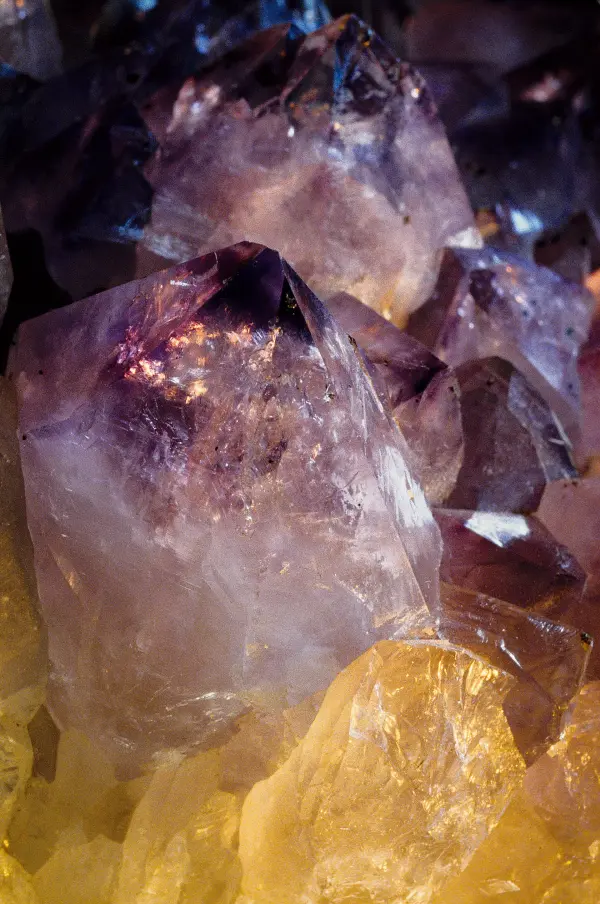
Ace Of Diamonds Mine
A popular Herkimer County fee mine where visitors break dolomite matrix to extract brilliant quartz crystal clusters.
View details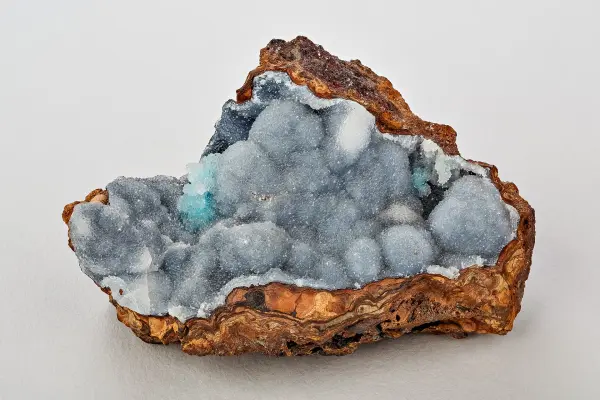
Dugway Geode Beds
Public BLM geode locality in western Juab County, Utah, where Miocene rhyolite cavities were eroded by ancient Lake Bonneville and redeposited as quartz-lined geodes in soft lakebed sediment along the Pony Express Road.
View detailsBoard Camp Crystal Mine
A working crystal mine in the Ouachita uplift where visitors dig clay pockets for double-terminated quartz crystals.
View detailsFrequently asked questions
What tools do I need for rockhounding?
Start with safety glasses, a 22-ounce rock hammer, cold chisel, sturdy gloves, bucket, and 10x hand lens. Add a crack hammer, screen, and shovel for geodes, fee-dig matrix, or gravel sorting. See the starter kit table in this guide.
What is the most important rockhounding tool?
Safety glasses are the most important item—eye injuries from flying chips are the most common preventable accident. A rock hammer ranks second for most collectors.
What size rock hammer do I need?
A 22-ounce pointed-tip rock hammer suits most beginners. Heavier crack hammers help with large geodes but tire you faster on long field days.
What rockhound equipment is worth buying first?
Buy quality wraparound safety glasses and a forged rock hammer before specialty mining tools. Rent crack hammers at fee digs until you know you need your own.
Do I need a sledgehammer for rockhounding?
Sledgehammers and crack hammers help at fee dig mines breaking large matrix blocks. For BLM surface collecting and creek gravel, a standard rock hammer is usually enough.
Can I use power tools while rockhounding?
Power tools are prohibited on most BLM and National Forest casual collecting areas. Fee digs and private mines set their own rules—ask before bringing equipment.
What tools do fee dig sites provide?
Many fee mines like Herkimer and Arkansas crystal mines rent sledgehammers, screens, and buckets. Always bring your own safety glasses that fit properly.