
Lake Superior Agate Beaches Iowa
Rockhounding site in Okoboji, Iowa · Agate & Jasper
Lake Superior Agate Beaches Iowa is a agate rockhounding site near Okoboji, IA. Fee varies. Best season: Spring after the frost heaves fresh gravel to the surface, and autumn after field harvest opens up the ground.
Typical season: Spring after the frost heaves fresh gravel to the surface, and autumn after field harvest opens up the ground
About Lake Superior Agate Beaches Iowa
Northwest Iowa is a long way from Lake Superior, and that distance is exactly what makes this listing interesting. Every Lake Superior agate found around Okoboji and Spirit Lake in Dickinson County is an erratic: it formed roughly 1.1 billion years ago in Midcontinent Rift lava far to the north, and ice carried it here.
The Iowa Great Lakes sit on the Des Moines Lobe, the youngest glacial deposit in the state, laid down during the Wisconsin glaciation. That young till is why the landscape is flat and pocked with lakes, and it is why agates, granite, gneiss and other Canadian Shield material turn up together in the same gravel. The whole glacial load is mixed in there.
Practically, this changes the search. On the North Shore you walk a cobble beach and let waves do the sorting. Here you are looking through till, so beach gravel at the lakes, road ditch gravel, and above all gravel pits are the productive settings. Agates from till tend to be smaller and more battered than lake-polished material, because they travelled inside ice rather than being tumbled by surf.
Key facts
Structured details for trip planning — verify access and fees with the land manager before you visit.
- Specimen type
- Agate
- Primary specimens
- Lake Superior Agate, Jasper, Quartz, Chert, Granite Erratics
- Fee status
- Fee varies
- Nearest town
- Okoboji
- State
- Iowa
- Coordinates
- 43.43000, -95.13000
- Best season
- Spring after the frost heaves fresh gravel to the surface, and autumn after field harvest opens up the ground
- Access difficulty
- Easy. Flat terrain, short walks, and a lot of patient looking at gravel
- Parking
- See facilities notes
- Collecting hazards
- See safety tips
- Camping
- State park and private campgrounds ring the Iowa Great Lakes, though collecting is restricted within Iowa state parks
- Land manager
- State park / recreation agency
- Activities
- Searching beach gravel, road ditches and permitted gravel pits for glacially transported agates
- Facilities
- Full services in Okoboji, Arnolds Park and Spirit Lake; park beaches have restrooms and parking in season
- Last updated
- 2026-09-15
What to pack for Lake Superior Agate Beaches Iowa
Gear we compare for agate & jasper trips like this one — tools, safety, and the hike in.



Disclosure: Gear links may earn a commission as an Amazon Associate — at no extra cost to you. Learn more.
The experience
- Best time to visitSpring after the frost heaves fresh gravel to the surface, and autumn after field harvest opens up the ground
- AccessEasy. Flat terrain, short walks, and a lot of patient looking at gravel
- FacilitiesFull services in Okoboji, Arnolds Park and Spirit Lake; park beaches have restrooms and parking in season
- Camping nearbyState park and private campgrounds ring the Iowa Great Lakes, though collecting is restricted within Iowa state parks
Highlights & features
- Lake Superior agates reach northwest Iowa entirely by glacial transport, hundreds of miles from their source
- The Iowa Great Lakes sit on the Des Moines Lobe, the youngest glacial deposit in the state
- Beach gravel and road ditches both concentrate erratics worth searching
- Far easier terrain than the Lake Superior shore, and a genuine summer destination in its own right
- Granite and gneiss erratics in the same gravel record the Canadian Shield the ice crossed
- Every agate here is an erratic: it formed 1.1 billion years ago in Midcontinent Rift lava and was carried south by ice
- Des Moines Lobe till is geologically young, deposited during the Wisconsin glaciation, which is why the landscape is so flat and lake-dotted
- Agates here tend to be smaller and more battered than North Shore beach material, having travelled in ice rather than been polished by waves
How to get there
The Iowa Great Lakes are in Dickinson County in the far northwest of Iowa, reached on US Highway 71 from Interstate 90 to the north or from US Highway 18 to the south. Okoboji, Arnolds Park and Spirit Lake sit around West Okoboji, East Okoboji and Spirit Lake themselves, with public beach accesses and parks throughout. The area is about three and a half hours northwest of Des Moines and two hours east of Sioux Falls. All approaches are paved. The rural grid of gravel county roads spreads out from the lakes and is easily driven, which matters because road ditch gravel is one of the productive settings here. Pull fully off the travelled way when you stop.
The Iowa Great Lakes are in Dickinson County in the far northwest of Iowa, reached on US Highway 71 from Interstate 90 to the north or from US Highway 18 to the south.
Okoboji, Arnolds Park and Spirit Lake sit around West Okoboji, East Okoboji and Spirit Lake themselves, with public beach accesses and parks throughout. The area is about three and a half hours northwest of Des Moines and two hours east of Sioux Falls.
All approaches are paved. The rural grid of gravel county roads spreads out from the lakes and is easily driven, which matters because road ditch gravel is one of the productive settings here. Pull fully off the travelled way when you stop.
Plan your visit
Think of this as a glacial till search rather than a beach walk, and plan the ground accordingly.
Bring a spray bottle, polarised sunglasses, a bag, a hand rake and sturdy shoes. Wetting gravel is essential here, because till material is dusty and dull and an agate looks like every other pebble until it is wet.
Timing: spring after frost heave brings fresh gravel up, and autumn after harvest. Facilities: full services around the lakes; park beaches have restrooms and parking in season.
Work three settings. Public park beach gravel is the most accessible. Road ditch gravel along the county grid is public right of way and often overlooked. Gravel pits are the most productive of all and the only one that requires arranging permission from the operator in advance. See other Iowa collecting areas, including the Keokuk geode belt in the opposite corner of the state.
Things you need to take to Lake Superior Agate Beaches Iowa
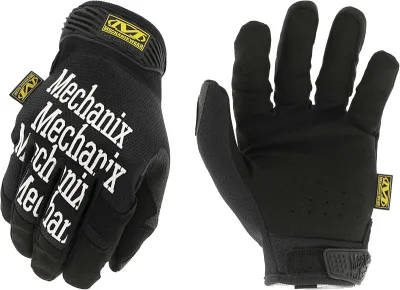
Mechanix Work Gloves with Grip
The default glove for collectors who need feel and protection.
Check price on Amazon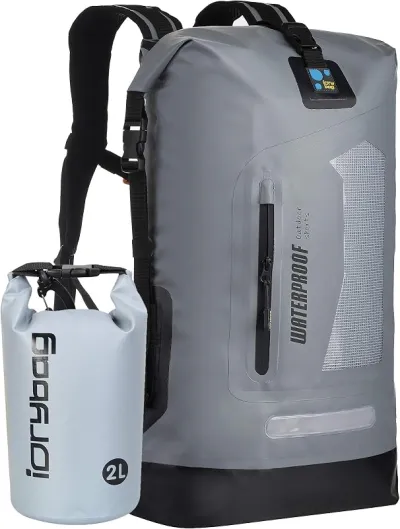
Osprey Talon 22 Backpack
The pack to save for if you collect more than a few times a year.
Check price on Amazon
Willit UPF 50+ Sun Shirt UPF 50+
The best all-around sun shirt for rockhounding sites — light enough to collect at, dry enough to hike out in.
Check price on Amazon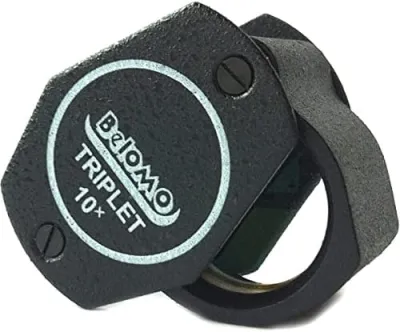
BelOMO 10x Triplet Loupe
The loupe to buy once and carry for decades.
Check price on AmazonDisclosure: Gear links may earn a commission as an Amazon Associate — at no extra cost to you. Learn more.
Access & fees
Land status here divides cleanly into three categories. Public park beaches and road right of way are generally accessible, and taking a modest amount of loose surface gravel is broadly accepted. Iowa state parks are a different matter, since state park rules restrict removing natural features; check signage at any state-managed site before pocketing anything. Gravel pits are private industrial operations. They are also, by some distance, the most productive setting for glacial agate in this part of the state. Entering one without permission is trespass on an active worksite with heavy equipment, and operators who do grant access typically do so outside working hours and with conditions. Ask first, every time. Farm fields are private. Even a harvested field is someone's ground, and the fact that agates weather up through tilled soil does not create a right to walk it. Ask the landowner, agree where to park, and close gates behind you.
Land status here divides cleanly into three categories.
Public park beaches and road right of way are generally accessible, and taking a modest amount of loose surface gravel is broadly accepted. Iowa state parks are a different matter, since state park rules restrict removing natural features; check signage at any state-managed site before pocketing anything.
Gravel pits are private industrial operations. They are also, by some distance, the most productive setting for glacial agate in this part of the state. Entering one without permission is trespass on an active worksite with heavy equipment, and operators who do grant access typically do so outside working hours and with conditions. Ask first, every time.
Farm fields are private. Even a harvested field is someone's ground, and the fact that agates weather up through tilled soil does not create a right to walk it. Ask the landowner, agree where to park, and close gates behind you.
Frequently asked questions
Are there really Lake Superior agates in Iowa?
Yes, as glacial erratics. They formed roughly 1.1 billion years ago in Midcontinent Rift lava far to the north and were carried into Iowa by ice during the Wisconsin glaciation. The Des Moines Lobe till around the Iowa Great Lakes carries them alongside granite and gneiss from the Canadian Shield.
Where do you look for agates in northwest Iowa?
Three settings: public park beach gravel around the Iowa Great Lakes, road ditch gravel along the county grid, and gravel pits. Pits are by far the most productive and are the only one requiring permission, since they are private industrial sites with working equipment.
Can you collect rocks in Iowa state parks?
State park rules restrict removing natural features, so check signage at any state-managed site before pocketing anything. Public park beaches under other management and road right of way are generally more straightforward, and gravel pits are private ground requiring the operator's permission.
How do Iowa agates differ from North Shore agates?
They tend to be smaller and more battered. North Shore material is sorted and polished by wave action on cobble beaches, while Iowa agates travelled inside ice and sat in till, so they arrive scuffed and often broken. The banding and the quartz are identical because the source is the same.
When is the best time to search for agates in Iowa?
Spring, after frost heave pushes fresh gravel to the surface, and autumn after harvest opens up ground and road ditches. Wetting gravel matters more than season here: till material is dusty and dull, and an agate looks exactly like every other pebble until you spray it.
How far south do Lake Superior agates travel?
Into Iowa, Nebraska and Kansas, hundreds of miles from the lava flows they formed in. Glacial ice carried them out of the Superior basin and spread them across the upper Midwest, which is why inland gravel pits far from any lake can be legitimate agate ground.
What is the Des Moines Lobe?
The youngest glacial deposit in Iowa, left by a lobe of the Laurentide Ice Sheet that pushed into the state around 14,000 years ago during the Wisconsin glaciation. It produced the flat, lake-dotted landscape of north-central and northwest Iowa, including the Iowa Great Lakes.
Can you search gravel pits for agates?
Only with the operator's permission. Gravel pits concentrate glacial material and are the single most productive setting for agates in till country, but they are private active worksites with heavy equipment. Operators who allow access typically do so outside working hours and with conditions attached.
What else turns up in Iowa glacial gravel?
Granite and gneiss erratics from the Canadian Shield, jasper, chert, quartz and occasionally fossil-bearing limestone carried down from further north. The mixture is the point: a handful of Des Moines Lobe gravel contains rock from hundreds of miles of terrain the ice crossed.
Is Okoboji a good rockhounding destination?
It is a modest one by national standards but a genuine glacial agate area, and it has the advantage of being a full summer resort region with beaches, lodging and easy terrain. Serious Iowa collectors more often head to the Keokuk geode belt in the far southeast corner of the state.
Is it worth hunting agates in till country rather than on Lake Superior?
Collectors who do both describe a real trade-off. Till agates are smaller and more knocked about than beach material, and you search dusty gravel rather than a wave-sorted cobble beach. On the other hand, till country is vastly closer for anyone in Iowa or Nebraska, the terrain is easy, and a good gravel pit concentrates material in a way no beach does. The usual advice is that a spray bottle matters more than the location.
How do you get permission to search a gravel pit?
The approach collectors describe as working is to contact the operator directly, in person or by phone rather than by turning up, explain that you want to walk the stockpiles for rock rather than dig, and accept whatever conditions they set on timing and insurance. Many operators say no, some say yes outside working hours, and a few have long-standing arrangements with local clubs. Joining a rock club is repeatedly suggested as the fastest route to pit access.
Explore related hubs
Report an access change
Field conditions change. If this site is closed, claimed, flooded, or the fee has changed, tell us — we update listings with community tips and desk verification.
Include the date you visited and any land-manager contact. Do not share private gate codes.
Map & location
Culture & history
The Iowa Great Lakes have been a summer resort region since the late nineteenth century, when rail lines brought visitors to Arnolds Park and the lakeshore hotels. That tourism history is why the area has so much public beach access today. The glacial story is more recent than most American landscapes. The Des Moines Lobe advanced into Iowa only about 14,000 years ago and retreated soon after, leaving a landscape so young that its drainage has barely organised itself, which is why the lakes exist at all. The agates are a billion years older than the ground they now sit in.
Conservation
Beach and roadside gravel here is renewable in the sense that frost and grading keep turning it over, but the etiquette still matters because most of the productive ground belongs to someone. Ask before entering pits and fields, take modest amounts, and leave gates and field edges as you found them. Do not remove natural features from Iowa state parks. Stay out of shoreline vegetation and off eroding lake banks, and pack out all litter, including the litter that accumulates in road ditches where people search.
Sources & updates
Official land managers cited on this page
Always confirm current rules, closures, and fees on the agency site before visiting.
Spotted outdated access, fees, or safety info? Use Report an access change on this page or send a correction with the page URL — we review every submission.