Utah rockhounding is legal on open BLM and many Forest Service lands for personal use within UGS-stated limits of 25 pounds plus one piece per day and 250 pounds per year; Trust Lands need a SITLA permit; national parks, most monuments, tribal land, military land, and state parks are closed to collecting.
Utah rockhounding laws are land-manager rules, not one statewide hobby statute. Before you dig at Dugway, Topaz Mountain, or any desert wash, answer: Who owns this parcel? Then follow that agency’s limits.
This page is the Utah laws matrix — not a site itinerary. For destinations and seasons, use our Utah rockhounding guide and Utah map. For national BLM mechanics, see collecting on BLM land.
Primary reference for Utah’s agency summary: the Utah Geological Survey collecting rules. Always re-check the live page and your local field office — rules and fees change.
Answer first
| Question | Short answer |
|---|---|
| Legal on open BLM / many USFS lands? | Yes, personal noncommercial use within rules |
| How much on BLM (UGS restatement)? | Up to 25 lb + one piece / day, 250 lb / year |
| Trust Lands (SITLA)? | Permit required |
| National parks & most monuments? | No collecting |
| Vertebrate fossils / artifacts? | No (except accredited permits) |
Why land status comes first in Utah
About two-thirds of Utah is federally managed, but the map is a checkerboard — BLM, Forest Service, National Park Service, military, tribal, SITLA Trust Lands, and private parcels can sit within a few miles of each other. West-desert corridors popular with rockhounds are especially patchy.
Never assume “desert = free BLM.” Confirm ownership with surface-management maps (UGS/BLM/state sources) or county layers before you leave pavement.
BLM land in Utah
Per UGS’s summary of BLM casual collecting:
- Collect reasonable amounts for personal use where not posted closed and not on developed recreation sites (unless designated for rockhounding).
- UGS states BLM personal-use limits as up to 25 pounds per day, plus one piece, and 250 pounds per calendar year for mineral specimens, common invertebrate fossils, semiprecious gemstones, and other rocks.
- Surface disturbance must be negligible.
- No explosives or power equipment.
- Commercial collecting (and commercial fossils) requires authorization; casual fossil collecting for commercial use is not allowed.
- Wilderness / WSA: collecting may be allowed with no surface disturbance and non-motorized hand tools — confirm the unit plan.
- Petrified wood: same 25 lb + one piece / day and 250 lb / year personal-use frame; resale requires a permit (see UGS / 43 CFR petrified-wood rules).
Designated Utah BLM rockhound areas include Dugway Geode Beds and Topaz Mountain. National BLM pages also emphasize “reasonable amounts” — if a field office posts different site rules, the site posting wins. Contact the local BLM office when unsure.
National context: BLM rockhounding and the 2024 BLM rock collection FAQs (PDF).
U.S. Forest Service lands
UGS: limited personal, hobby, noncommercial collection of rocks, minerals, and common invertebrate or plant fossils is allowed on most National Forest System lands without a permit. Commercial or other uses need the local ranger district. Utah forests are in USFS Region 4 — check the district before a trip.
SITLA Trust Lands (state)
Most Utah state trust land is managed by the School and Institutional Trust Lands Administration (SITLA / Trust Lands).
- A rockhounding permit is required (annual fee — confirm current price on the Trust Lands permit portal).
- UGS states permittees may collect up to 25 pounds per day and 250 pounds per year.
- The permit does not cover state parks, sovereign lands, active mining operations, or mineral-leased ground without lessee permission.
- Commercial collecting on Trust Lands follows separate mineral/materials rules.
If your map pin lands on Trust Lands without a permit, you are not legal — even if the road looks the same as the BLM wash next door.
Always closed (or effectively closed) to casual collecting
| Land | Collecting? |
|---|---|
| National parks (Zion, Bryce, Arches, Canyonlands, Capitol Reef, etc.) | No |
| Most national monuments | No (confirm unit; most ban recreational collecting) |
| Tribal lands | Only with authorization |
| Military reservations (incl. areas near Dugway Proving Ground) | No |
| Wildlife refuges / many BOR dam sites | No |
| Utah state parks | No under Trust Lands permit; parks prohibit rock collecting |
| Private land | Only with owner permission |
| Active mining claims | Only with claim holder permission |
Arches, Canyonlands, and Dead Horse Point are sightseeing — not dig sites. Plan BLM collecting outside park boundaries with a verified map.
Fossils and artifacts
- Dinosaur and other vertebrate fossils may not be collected on federal or state lands except under permits to accredited institutions (UGS / PRPA framework).
- Arrowheads, pottery, and other archaeological resources require permits — casual pocketing is illegal.
- Common invertebrate and plant fossils may be allowed under casual-use / hobby rules on some BLM and Forest Service lands — still within quantity and noncommercial limits.
Fee digs such as U-Dig Fossil Trilobite Quarry operate under private/commercial access rules — follow the operator, not BLM casual-use assumptions.
Mining claims and Wah Wah–style districts
Advanced districts like the Wah Wah Mountains mix public land and claims. Casual rockhounding does not authorize collecting on someone else’s claim. Learn claim markers, use claim maps, and ask the field office when boundaries are unclear.
Where to go legally (after you understand the rules)
| Goal | Start |
|---|---|
| Free BLM geodes | Dugway Geode Beds |
| Free BLM topaz | Topaz Mountain |
| Fee trilobites | U-Dig |
| Statewide pins | Utah rockhounding map |
| Trip planning | Rockhounding in Utah |
| Near Salt Lake | SLC nearby |
Fee dig vs free decision frame: fee dig vs free public land.
Pre-trip legal checklist
- Identify the parcel (BLM / USFS / SITLA / NPS / private).
- Check claims, closures, fire restrictions, and road status.
- Confirm quantity and tool rules for that manager.
- Buy a SITLA permit before entering Trust Lands.
- Pack hand tools only; leave power equipment home.
- Take personal-use amounts; leave vertebrates and artifacts alone.
- Call the field office if anything is ambiguous.
Gear that matches the rules
Hand tools, eye protection, and gloves support negligible-disturbance collecting — see rock picks, safety glasses, and gloves. Desert water and sun kit matter as much as legality: what to bring.
Sources (re-read before you drive)
- UGS — Rock, Mineral, and Fossil Collecting Rules
- UGS-hosted BLM regulations PDF
- BLM Rockhounding
- BLM Rock Collection FAQs (PDF, 2024)
- SITLA / Trust Lands permits
- NPS recreational collecting / 36 CFR 2.1 (national parks)
Bottom line: Utah is collector-friendly on open BLM — and unforgiving in parks, on claims, and on Trust Lands without a permit. Verify the parcel, stay inside personal-use limits, and use our Utah map for legal destination pages — not random desert pins.
Spots from our directory
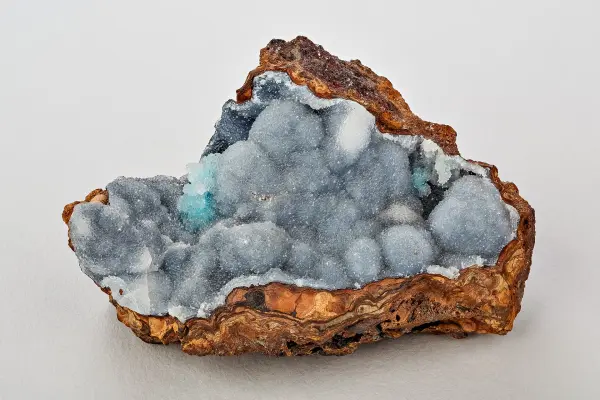
Dugway Geode Beds
Public BLM geode locality in western Juab County, Utah, where Miocene rhyolite cavities were eroded by ancient Lake Bonneville and redeposited as quartz-lined geodes in soft lakebed sediment along the Pony Express Road.
View details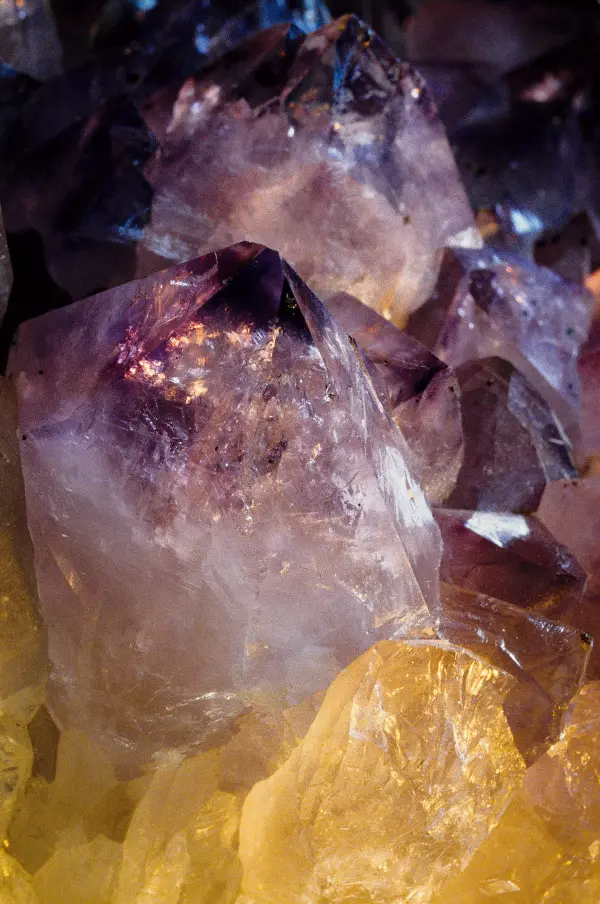
Topaz Mountain
Free BLM rockhound recreation area in the Thomas Range 55 miles west of Delta, Utah, where sherry-coloured topaz crystals weather out of rhyolite vugs alongside red beryl, bixbyite and garnet, and the topaz fades to clear in sunlight.
View details
U-dig Fossil Trilobite Quarry
A commercial fossil quarry in the House Range where visitors split shale layers to find well-preserved Elrathia trilobite fossils.
View detailsWah Wah Mountains Beryllium District
The Wah Wah Mountains host red beryl, one of the rarest gem minerals, in rhyolite flows—most productive zones are claimed and closed to casual collecting.
View detailsFrequently asked questions
Is rockhounding legal in Utah?
Yes on many open BLM and National Forest lands for personal, noncommercial collecting within posted rules. It is not legal in national parks, most national monuments, tribal lands without authorization, military reservations, wildlife refuges, or Utah state parks. Trust Lands require a SITLA rockhounding permit.
How much can I collect on BLM land in Utah?
Per the Utah Geological Survey restatement of BLM personal-use limits, casual collectors may take up to 25 pounds plus one piece per day, and no more than 250 pounds per calendar year, of rocks, mineral specimens, common invertebrate fossils, and semiprecious gemstones — with negligible surface disturbance and no commercial use. Confirm with the local BLM field office if a site posts different rules.
Do I need a permit for Dugway Geode Beds or Topaz Mountain?
No special rockhounding permit is required for casual personal collecting at these designated BLM rockhound areas within personal-use limits. You still must follow BLM rules, stay off claims and closures, and avoid commercial collecting.
What is a Utah SITLA Trust Lands rockhounding permit?
Most Utah state trust land is managed by SITLA. A paid annual rockhounding permit is required before collecting there. The permit does not authorize collecting in state parks, on active mining operations, or on leased minerals without lessee permission. Buy through the Trust Lands permit portal and read the current form for fees and limits.
Can I collect rocks in Zion, Bryce, Arches, or Canyonlands?
No. National Park Service units prohibit recreational collection of rocks, minerals, and fossils. Photograph and leave them.
Can I collect dinosaur bone or vertebrate fossils in Utah?
No on federal or state lands except under permits issued to accredited institutions. Vertebrate fossils are not casual rockhounding targets.
Can I sell rocks I collected on Utah BLM land?
Casual collecting is for personal, noncommercial use. Commercial collecting generally requires BLM authorization. Petrified wood intended for resale needs a permit. Do not assume yard-sale sales of casual-use material are allowed — ask the field office.
How do I know if my spot is BLM vs Trust Lands?
Utah’s land ownership is a checkerboard. Use BLM and state surface-management maps, county ownership layers, or Trust Lands maps before you dig — especially near west-desert corridors where BLM and SITLA parcels sit side by side.
Are mining claims off-limits?
Yes for casual collectors without claim-holder permission. Active claims and other authorized mineral uses are closed to rockhounding even when the surrounding public land is open.
Can I use power tools or explosives?
No. Explosives and power equipment are forbidden for casual collecting. Stick to hand tools and keep surface disturbance negligible.