Choose a fee dig for beginner odds and clear keep rules; choose free public land for lower cost when access is verified — use our dig-sites map and BLM guide to plan either path or a hybrid weekend.
Choosing fee dig vs free public land is the first real trip decision after “what do I want to find?” Both are legal rockhounding paths when rules allow — they just optimize for different goals.
Quick comparison
| Factor | Fee dig / public gem mining | Free public land (BLM / Forest Service) |
|---|---|---|
| Cost | Usually $15–$75/day or per bucket | Free (plus travel) |
| Odds for beginners | Higher — prepared gravel or dig faces | Variable — skill and geology matter |
| Keep rules | Posted by the operator | Agency quantity limits |
| Staff / tools | Often rentals and guidance | Self-reliant |
| Claims risk | Managed site | Must verify claims yourself |
| Best for | Families, first trips, gem gravel | Experienced collectors, solitude |
Scenario picker
| Scenario | Better default | Why |
|---|---|---|
| Kids / first hammer day | Fee dig | Hours, bathrooms, keep rules, staff |
| Want diamonds or Herkimer crystals | Fee dig / park dig | Prepared ground beats random holes |
| Want desert geodes on a budget | Free BLM (verified) | Dugway-style beds when rules allow |
| Hate researching claims | Fee dig | Operator manages access |
| Want quiet after you know geology | Free public land | No dig desk; more homework |
When to pick a fee dig
Choose a pay-to-dig when you want:
- A first family trip with clear hours
- Diamonds, Herkimer crystals, sapphires, or opal with keep-what-you-find rules
- Tool rentals and bathrooms
Flagship examples in our directory:
- Crater of Diamonds State Park — public diamond field (park fees apply)
- Herkimer Diamond Mines — fee dig quartz crystals
- Nationwide catalog: dig sites / mining near me and public gem mining checklist
When to pick free public land
Choose BLM / National Forest collecting when you want:
- Lower cost after you know what you are doing
- Desert geode beds, agate washes, or creek gravel
- Quieter field days away from dig desks
Example free-public classic: Dugway Geode Beds (BLM — confirm current rules, roads, and fire restrictions).
Read collecting on BLM land, then sort sites with near me GPS. Never dig active claims or national parks.
Cost reality check
Fee digs look expensive until you factor failed drives to closed claims, rented tools you did not need, and a first day spent learning hammer safety. Many collectors treat one paid dig as tuition, then graduate to free public land with better odds of staying legal.
Pack once with the gemstone mining equipment guide so you are not buying duplicate steel at every mine gift shop.
Hybrid itineraries that work
Southeast / Mid-Atlantic weekend: Herkimer or a regional gem mine day → optional second day on verified public exposures only after reading access notes.
Southwest desert loop: One fee dig for sapphires/opal/quartz → Dugway or other BLM beds when seasons and roads allow → specimen maps for geodes and quartz.
Arkansas specialty: Crater of Diamonds + Mount Ida quartz fee dig from the Arkansas quartz & diamonds region.
Hybrid plan (default for most collectors)
- Book one fee dig to learn tools and specimen ID.
- Use that weekend’s finds to pick a specimen map (geodes, quartz, agate, gold).
- Add a free public-land day only after you confirm access.
That path beats jumping straight into unmarked desert roads with a borrowed hammer.
Spots from our directory

Crater Of Diamonds State Park
Arkansas state park at Murfreesboro built on the eroded surface of a lamproite volcanic pipe, the only place in the world where the public can search for natural diamonds in their original source rock and keep whatever they find.
View details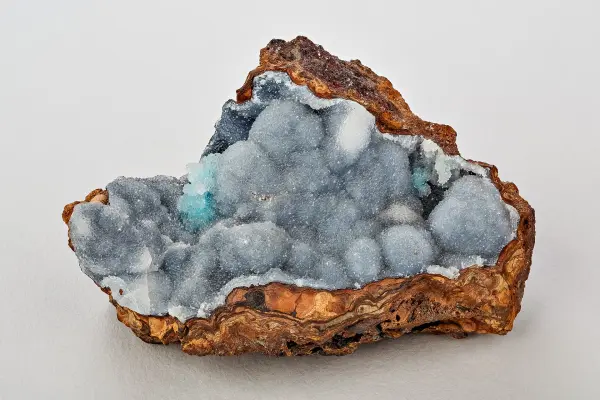
Dugway Geode Beds
Public BLM geode locality in western Juab County, Utah, where Miocene rhyolite cavities were eroded by ancient Lake Bonneville and redeposited as quartz-lined geodes in soft lakebed sediment along the Pony Express Road.
View details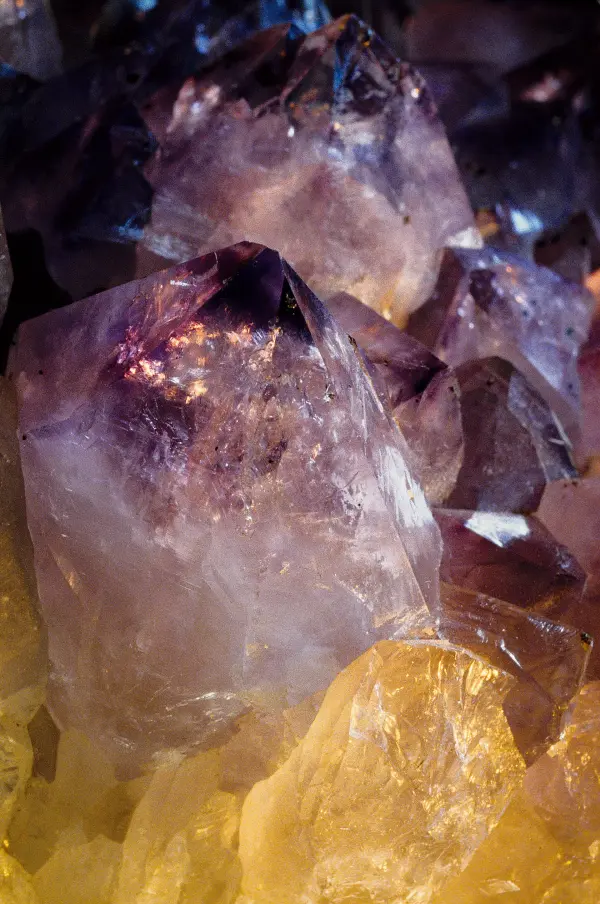
Herkimer Diamond Mines
Fee-dig quarries in the Mohawk Valley near Herkimer and Middleville, New York, where doubly terminated quartz crystals known as Herkimer diamonds are broken out of vugs in Cambrian dolomite roughly 500 million years old.
View detailsFrequently asked questions
Is a fee dig better than free BLM rockhounding?
For beginners and families, fee digs usually win — prepared material, keep rules, and staff. Experienced collectors often prefer free public land for solitude and lower cost when they know the geology.
What is a fee dig?
A pay-to-dig mine, ranch, or park that charges admission or bucket fees so visitors can dig or wash gravel and usually keep personal finds.
Can I keep what I find on BLM land?
Casual personal collecting is often allowed within daily weight limits, but active claims, national parks, and many state parks are off-limits. Always verify the managing agency.
Where should beginners start?
Start with a public gem mining / dig-sites trip, then try free public land with a club or verified listing once you know tools and land rules.
How much does a fee dig cost?
Most day digs run about $15–$75, or charge per bucket of gravel. Always confirm current prices on the mine listing or operator site before you drive.
Can I combine a fee dig and free collecting on one trip?
Yes — many collectors book one managed dig for learning, then add a verified public-land day (for example Utah Dugway geodes) after confirming access and seasons.