
FossilTX
Usgs M8702
Fossil collection site in the Pecan Gap Chalk, Bezar County, Texas. Environment: marine indet.. Source: Paleobiology Database (PBDB), CC BY 4.0.
View details24 rockhounding collecting sites within about 100 miles of San Antonio, Texas.
This page lists 24 natural rockhounding sites near San Antonio, Texas, sorted by distance within about 100 miles.
Near San Antonio, Texas, our directory maps 24 natural rockhounding sites within about 100 miles of the city center — including 1 quartz & crystals, 1 gemstones, 20 fossilss, and 2 others. The closest mapped spot is Usgs M8702 (11 mi straight-line). Distances are not drive time; open each listing for directions, fee notes, access rules, and safety context before you travel.
| Central place | San Antonio, Texas |
|---|---|
| Search radius | About 100 miles |
| Mapped spots | 24 |
| Closest listing | Usgs M8702 (11 mi) |
| Specimen types | Quartz & Crystals (1), Gemstones (1), Fossils (20), Other (2) |
| Typical fees | 24 varies |
24 rockhounding collecting sites in Texas, sorted by distance from the city center. For live GPS sorting, use rockhounding sites near me.
Fossil collection site in the Pecan Gap Chalk, Bezar County, Texas. Environment: marine indet.. Source: Paleobiology Database (PBDB), CC BY 4.0.
View detailsFossil collection site in the Fort Peña, Texas. Environment: marine indet.. Source: Paleobiology Database (PBDB), CC BY 4.0.
View detailsFossil collection site in the Austin Chalk, Texas. Environment: marine indet.. Source: Paleobiology Database (PBDB), CC BY 4.0.
View detailsNew Braunfels is a documented mineral occurrence near TX. Reported specimens include Petrified wood. Verify land access and collecting rules before visiting.
View detailsFossil collection site in the Glen Rose Limestone, Comal County, Texas. Environment: open shallow subtidal. Source: Paleobiology Database (PBDB), CC BY 4.0.
View detailsFossil collection site in the Glen Rose Limestone, Kendall County, Texas. Environment: lagoonal/restricted shallow subtidal. Source: Paleobiology Database (PBDB), CC BY 4.0.
View detailsFossil collection site in the Glen Rose Limestone, Comal County, Texas. Environment: reef, buildup or bioherm. Source: Paleobiology Database (PBDB), CC BY 4.0.
View detailsFossil collection site in the Cow Creek Limestone, Comal County, Texas. Environment: marine indet.. Source: Paleobiology Database (PBDB), CC BY 4.0.
View detailsFossil collection site in the Glen Rose Limestone, Comal County, Texas. Environment: open shallow subtidal. Source: Paleobiology Database (PBDB), CC BY 4.0.
View detailsFossil collection site in the Glen Rose Limestone, Comal County, Texas. Environment: open shallow subtidal. Source: Paleobiology Database (PBDB), CC BY 4.0.
View detailsFossil collection site in the Glen Rose Limestone, Travis County, Texas. Environment: open shallow subtidal. Source: Paleobiology Database (PBDB), CC BY 4.0.
View detailsFossil collection site in the Glen Rose Limestone, Kendall County, Texas. Environment: lagoonal/restricted shallow subtidal. Source: Paleobiology Database (PBDB), CC BY 4.0.
View detailsErdman Farm is a documented mineral occurrence near TX. Reported specimens include Petrified palm wood, Opalized wood, Fossils. Verify land access and collecting rules before visiting.
View details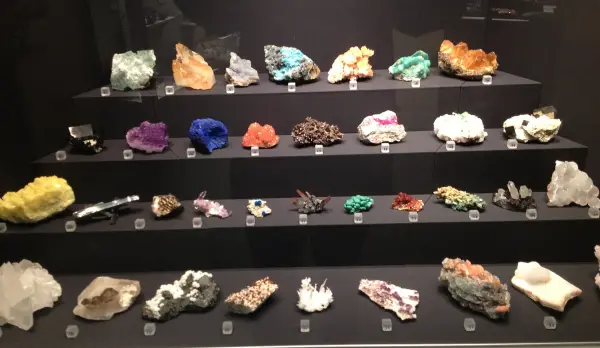
Tessman Farm is a documented mineral occurrence near TX. Reported specimens include Agatized palm wood. Verify land access and collecting rules before visiting.
View detailsFossil collection site in the Anacacho Limestone, Medina County, Texas. Environment: marine indet.. Source: Paleobiology Database (PBDB), CC BY 4.0.
View detailsFossil collection site in the Glen Rose Limestone, Blanco County, Texas. Environment: lagoonal/restricted shallow subtidal. Source: Paleobiology Database (PBDB), CC BY 4.0.
View detailsRoad cut on E side of US 87 is a documented mineral occurrence near TX. Reported specimens include Fossils. Verify land access and collecting rules before visiting.
View detailsFossil collection site in the Glen Rose Limestone, Hays County, Texas. Environment: open shallow subtidal. Source: Paleobiology Database (PBDB), CC BY 4.0.
View detailsFossil collection site in the Honeycut, Blanco County, Texas. Environment: reef, buildup or bioherm. Source: Paleobiology Database (PBDB), CC BY 4.0.
View details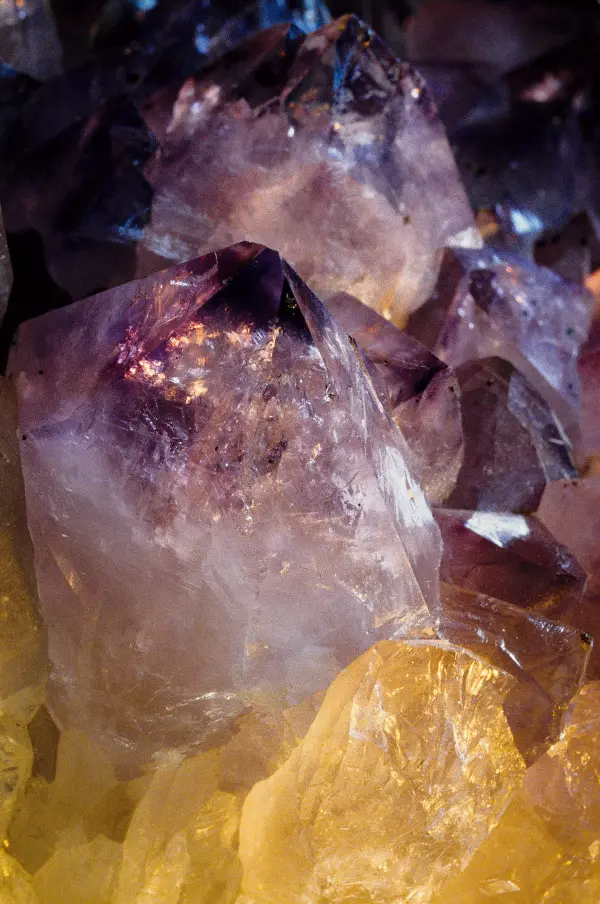
Amethyst Hill on Althaus Ranch is a documented mineral occurrence near TX. Reported specimens include Amethyst, Citrine. Verify land access and collecting rules before visiting.
View details
Stream gravels around Fredericksburg is a documented mineral occurrence near TX. Reported specimens include Almandine garnets. Verify land access and collecting rules before visiting.
View detailsFossil collection site in the Wilberns, Gillespie County, Texas. Environment: carbonate indet.. Source: Paleobiology Database (PBDB), CC BY 4.0.
View detailsFossil collection site in the Cow Creek Limestone, Travis County, Texas. Environment: marine indet.. Source: Paleobiology Database (PBDB), CC BY 4.0.
View detailsH.D. House Ranch area is a documented mineral occurrence near TX. Reported specimens include Agatized fern buds, Jasper, Chalcedony. Verify land access and collecting rules before visiting.
View detailsPins within about 100 miles — open a listing for fees, access, and directions.
24 sites mapped near San Antonio
Browse by specimen type in Texas — each link opens the full state directory for that category.
Quartz veins, crystal pockets, and pegmatite sites — from Herkimer diamonds to Arkansas clear quartz.
Facetable and collector gems — emeralds, sapphires, garnets, topaz, beryl, and tourmaline localities.
Trilobites, brachiopods, petrified wood, and other paleontological collecting on public land.
Mixed or specialty collecting — zeolites, fluorescent minerals, thundereggs, and unique regional finds.
San Antonio is a practical launch point for day trips to natural rockhounding sites in Texas. Within about 100 miles you will find 24 mapped destinations in our directory, starting with Usgs M8702 about 11 mi from the city center.
The mix spans quartz & crystals, gemstones, fossils, other — related terms searchers use include creek gravel collecting, desert washes, road cuts, and field collecting.
Every card on this page is a verified directory entry in Texas with map coordinates. We measure straight-line distance from the San Antonio city center — not driving time. A creek rockhounding site 12 miles away on forest roads can take longer than a river access point 20 miles away on a highway.
Field collecting near San Antonio includes informal gravel bars, dry washes, quarry faces, and developed park collecting areas. Rules, fees, and seasonal access differ by land manager. Never assume collecting is allowed without checking the listing and posted signs the day you visit.
Field conditions near San Antonio change after rain, snowmelt, and summer heat. Unstable slopes, heat exhaustion, loose rock, and flash floods are real risks at creek and quarry rockhounding sites — most sites have no supervision. Check weather and local advisories before you start digging.
We publish original planning copy, safety tips, and last-updated dates on each listing. See our editorial policy for sourcing standards, or contact us if access or conditions have changed.
Near San Antonio, Texas, our directory lists 24 natural rockhounding sites within about 100 miles — mainly 1 quartz & crystals, 1 gemstones, 20 fossilss, and 2 others. Each listing links to directions, fee notes, and safety context. Use near me on your phone for live distance sorting from your location.
This page shows 24 mapped rockhounding collecting sites within about 100 miles of San Antonio. The full Texas directory may list additional holes farther out or awaiting coordinates. Counts update as we verify new listings.
The closest mapped spot to San Antonio is Usgs M8702 (11 mi straight-line). Open that listing for driving directions, access notes, and current fee information — unofficial holes can change without notice.
24 have variable or unverified fees. Open each spot page for current fee details.
Near San Antonio, documented specimen types include quartz & crystals, gemstones, fossilss, others. A rockhounding site is a natural outcrop, wash, or creek gravel bar — not a fee dig or shop. Filter by type on the Texas state page or open each card for specimen and access details.
Late spring through early fall is the usual field season near San Antonio, but snowmelt, drought, and weekend crowds change conditions week to week. Check each listing before you drive — storms can make washes and creek banks unsafe.
Field collecting near San Antonio carries real risks: unstable slopes, heat, loose rock, and no rangers at most unofficial sites. Check weather and posted warnings the day you visit. Read our rockhounding safety basics guide and each listing's safety section before you dig.
Listing data last updated across spots on this page.