Rockhounding is recreational field collecting of rocks, minerals, crystals, and fossils using hand tools on public land, fee digs, or permitted private sites—not commercial mining.
Rockhounding is the recreational search for rocks, minerals, crystals, and fossils in the field. Unlike commercial mining, rockhounds collect for personal enjoyment, education, and display—usually with hand tools on public land, at fee dig sites, or on private property with permission.
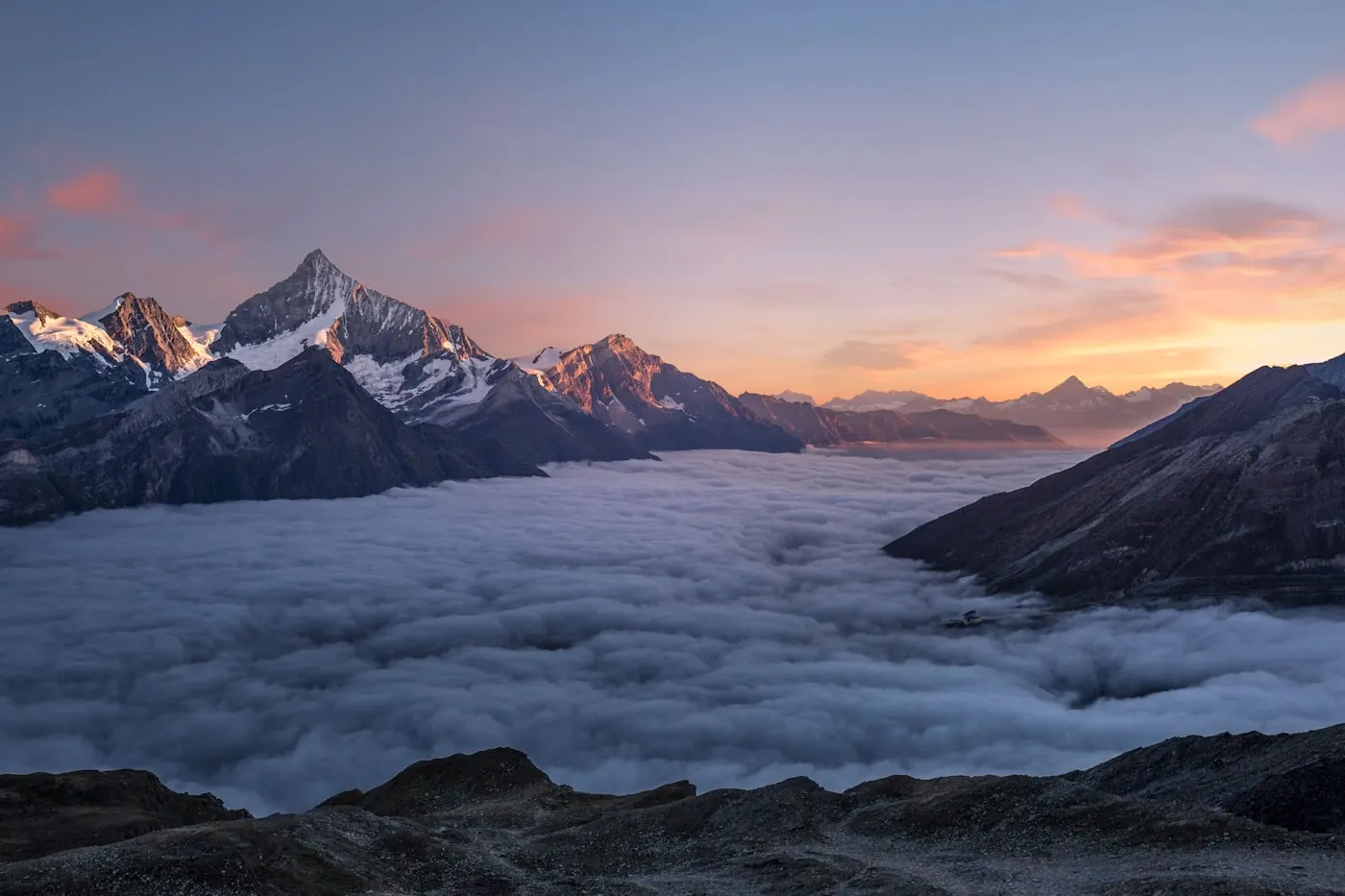
The hobby sits at the intersection of geology, outdoor adventure, and craftsmanship. A morning at Crater of Diamonds State Park might yield a rough diamond washed to the surface of volcanic soil. A weekend in Utah could fill a bucket with quartz-lined geodes from the Dugway Geode Beds. In New York, collectors break dolomite matrix at Herkimer Diamond Mines to free brilliant double-terminated quartz crystals. Each site tells a different geologic story.
Rockhounding in one decision table
| Question | Short answer | Go deeper |
|---|---|---|
| Is it legal? | Often yes on BLM/FS within limits; never in national parks without rules | BLM collecting |
| Fee dig vs free land? | Fee digs = staff + prepared material; free land = DIY | Dig sites |
| Where near me? | GPS sort the directory | /near-me/ |
| What will I find? | Depends on geology — pick a specimen goal | Types |
| What gear? | Hammer, glasses, bucket to start | Rock hammers |
How rockhounding differs from other outdoor hobbies
Rockhounding is not simply hiking with a souvenir mindset. Serious collectors learn to read terrain: which rock formations host crystals, where weathering exposes fresh material, and how land management affects access. You might surface-collect in desert washes, dig shallow pits in BLM gravel, or work a designated fee mine where owners maintain productive exposures.
The vocabulary matters when you browse our full directory. A collecting site may be free BLM land, a state park with daily fees, or a private mine open on weekends. Specimen type—quartz, geodes, topaz, fossils—determines what tools and techniques you need. Our type pages group locations by what you can find, from quartz crystals to gemstones.
What rockhounds actually find
American collecting spans an enormous range. Arkansas produces world-class clear quartz and the only public diamond field at Crater of Diamonds. Utah’s Thomas Range yields sherry-colored topaz. Iowa’s Keokuk belt is famous for large crystal-lined geodes. Arizona offers amethyst, agate, and petrified wood. Colorado’s pegmatites host amazonite and topaz on alpine slopes.
Not every trip ends with a museum piece. Many rockhounds value the process: learning local geology, improving identification skills, and building a reference collection of common minerals before chasing rarer targets.
Getting started responsibly
Before your first trip, understand that access rules always come first. BLM land often allows casual collecting for personal use within reasonable limits. National parks generally prohibit removing rocks. Private fee digs require paid admission. State parks like Crater of Diamonds have their own rules and registration procedures.
Start close to home using our near-me search or browse state listings to find sites within driving distance. Read our rockhounding near me guide and rockhounding maps guide for how GPS sorting, state hubs, and specimen type filters work together.
New collectors often start with one clear goal:
- Fee dig gems — gem mining near me
- Geodes — geodes near me
- Agates — agates in the USA
- Herkimer crystals — Herkimer diamond mines
Pick one target rather than trying to learn everything at once. Bring water, sun protection, and basic safety gear — topics we cover in depth in our safety guides.
Why the directory exists
Rockhounding Sites catalogs real collecting locations with coordinates, access notes, specimen lists, and seasonal timing. Whether you are planning a family day at a fee dig or a solo desert camping trip for geodes, the goal is the same: help you find legitimate sites, understand what to expect, and collect in a way that keeps these places open for future generations.
Rockhounding rewards patience and curiosity. The ground has been forming for millions of years; your next specimen might be sitting in plain sight, waiting for someone who knows where to look.
Spots from our directory

Crater Of Diamonds State Park
Arkansas state park at Murfreesboro built on the eroded surface of a lamproite volcanic pipe, the only place in the world where the public can search for natural diamonds in their original source rock and keep whatever they find.
View details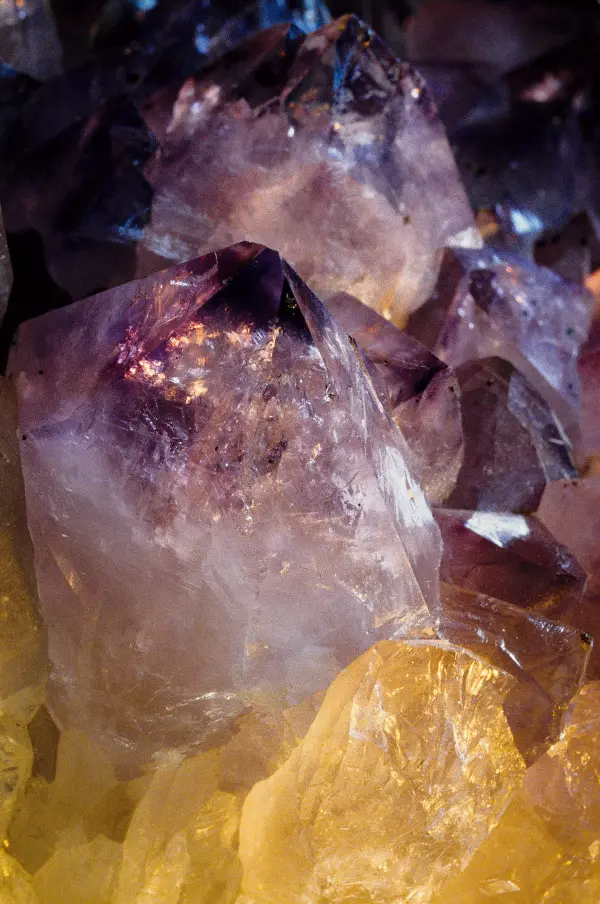
Herkimer Diamond Mines
Fee-dig quarries in the Mohawk Valley near Herkimer and Middleville, New York, where doubly terminated quartz crystals known as Herkimer diamonds are broken out of vugs in Cambrian dolomite roughly 500 million years old.
View details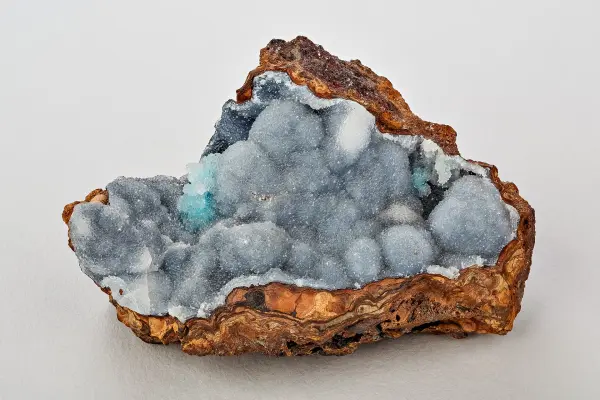
Dugway Geode Beds
Public BLM geode locality in western Juab County, Utah, where Miocene rhyolite cavities were eroded by ancient Lake Bonneville and redeposited as quartz-lined geodes in soft lakebed sediment along the Pony Express Road.
View detailsFrequently asked questions
What is rockhounding?
Rockhounding is the hobby of searching for rocks, minerals, crystals, and fossils in natural settings for personal enjoyment and collection. It is recreational collecting with hand tools, not commercial mining.
Is rockhounding legal?
Collecting is legal on many public lands within limits, but rules vary by agency and land ownership. Always verify access, permits, and quantity limits before you dig.
What is the difference between rockhounding and mining?
Rockhounds collect for personal use with basic hand tools. Commercial mining requires claims, permits, heavy equipment, and compliance with federal and state mining law.
Do I need special equipment to start rockhounding?
Beginners can start with sturdy shoes, a rock hammer, safety glasses, and a bucket. More specialized tools come later as you target specific minerals or harder rock.
Where do rockhounds find collecting sites?
Sites include BLM desert beds, state parks, fee dig mines, creek gravels, road cuts, and club field trips. Our directory lists verified locations across the United States — browse by state map, near-me GPS, or specimen type.
What are rockhounding sites?
Rockhounding sites are documented places where recreational collectors search for rocks, minerals, crystals, or fossils. Use our directory, state maps, and near-me locator to find them.