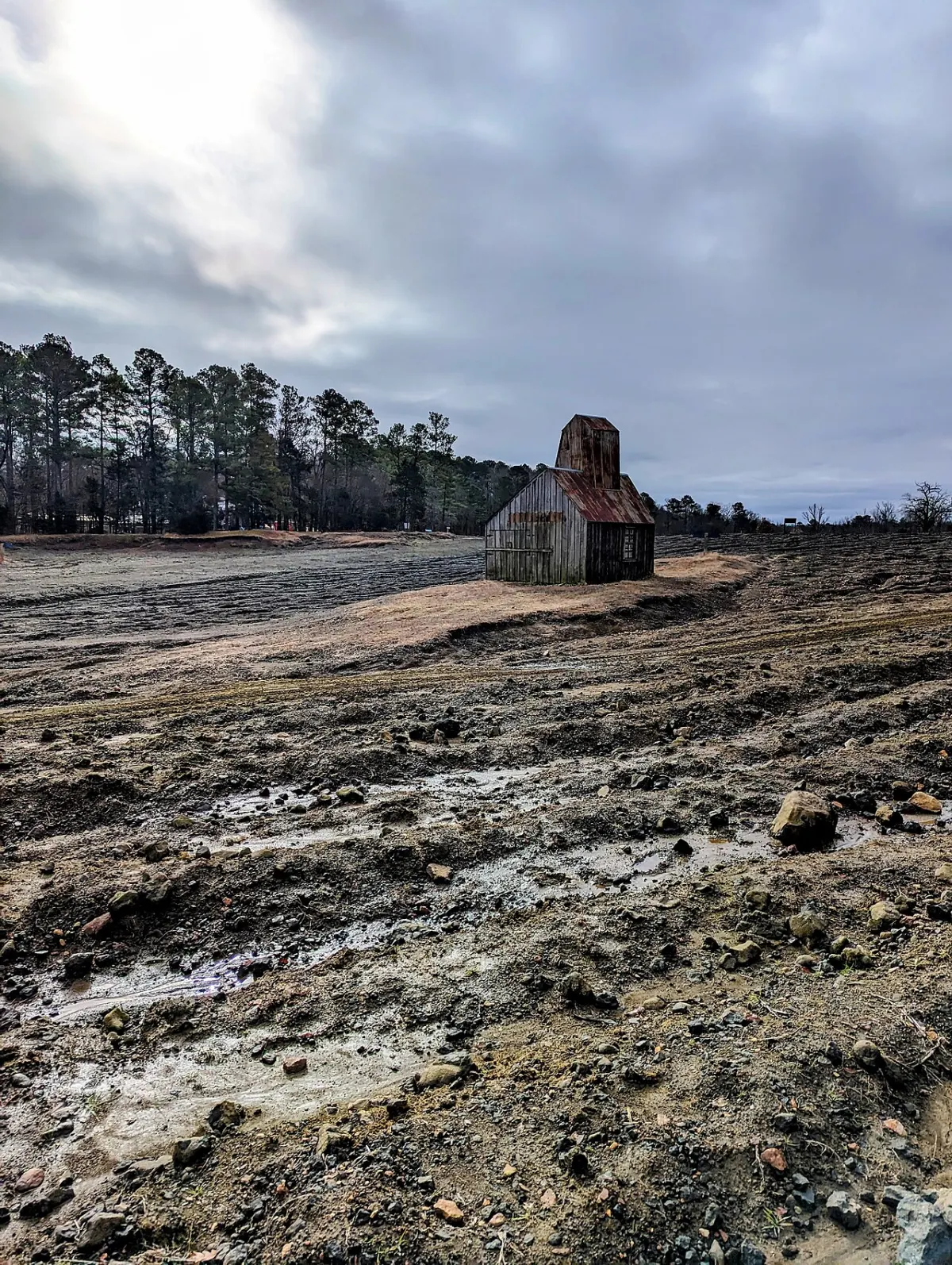
America's best rockhounding sites include Crater of Diamonds for diamonds, Dugway Geode Beds for quartz geodes, Herkimer Diamond Mines for crystals, Keokuk for large geodes, Topaz Mountain for topaz, and Montana sapphire fee digs — browse our maps for GPS and access notes.
- Best for diamonds
- Crater of Diamonds, Arkansas
- Best free geodes
- Dugway Geode Beds, Utah
- Best crystals
- Herkimer diamond mines, New York
- Live maps
- /dig-sites/ · /near-me/ · /maps/
America offers some of the world’s most accessible recreational collecting. You can keep diamonds at a state park, crack quartz geodes on free BLM desert, and dig double-terminated crystals at commercial mines—all without a geology degree or mining claim. These flagship destinations represent the best rockhounding sites in America across specimen types and skill levels.
Quick picker
| Goal | Flagship start | Dig deeper |
|---|---|---|
| Diamonds | Crater of Diamonds, AR | Arkansas guide |
| Free desert geodes | Dugway, UT | Geodes specimen map |
| Double-terminated quartz | Herkimer mines, NY | Herkimer region |
| Midwest geodes | Keokuk belt, IA | Keokuk region |
| Free BLM topaz | Topaz Mountain, UT | Utah topaz & geodes |
| Sapphires (fee dig) | Montana washes | Sapphire specimen map |
| Live GPS near you | — | Near me |
Crater of Diamonds State Park, Arkansas
The only public diamond field where visitors keep what they find, Crater of Diamonds State Park plows 37 acres of volcanic lamproite soil near Murfreesboro. Searchers walk the field after rain, when diamonds and colorful agates wash to the surface. The park provides restrooms, tool rental, and a campground—ideal for families and first-time collectors.
Pair a visit with the Arkansas quartz belt: Wegner Quartz Crystal Mine and the Arkansas quartz & diamonds region — see also the full Arkansas rockhounding trip.
Things you need to go rockhounding in Arkansas
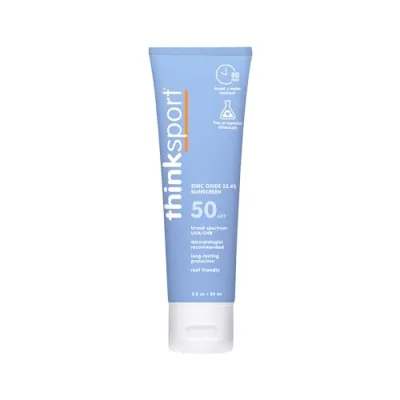
ThinkSport Sport Mineral Sunscreen
The best blend of mineral protection and wearability for field work — start here.
Check price on Amazon
NoCry Professional Construction Knee Pads
Buy once — your knees will notice by lunch.
Check price on Amazon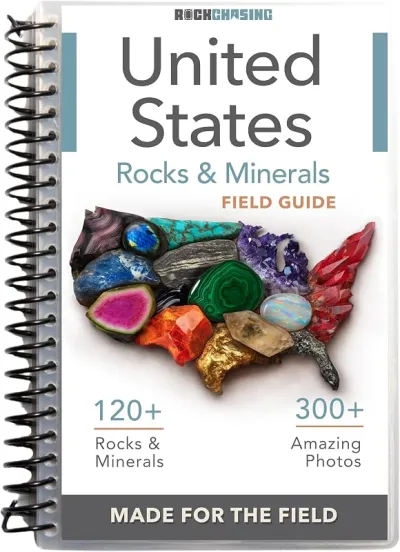
Rock Chasing US Rocks & Minerals Field Guide
The guide to clip on your pack when you do not know what you are looking at yet.
Check price on Amazon
Osborn 8-Piece Wire & Nylon Brush Set
The standard field brush kit — keep one in every pack.
Check price on AmazonDisclosure: Gear links may earn a commission as an Amazon Associate — at no extra cost to you. Learn more.
Dugway Geode Beds, Utah
West of Salt Lake City, the Dugway Geode Beds spread across BLM desert where nodules of quartz and chalcedony lie near the surface. Collectors surface-hunt and dig shallow pits, splitting nodules on site. Access is free for personal use, but the terrain is remote—bring water, fuel, and desert safety gear.
Combine Dugway with Topaz Mountain on the Utah topaz & geodes region hub for a classic weekend targeting both geodes and gemstones.
Herkimer Diamond Mines, New York
In the Mohawk Valley, Herkimer Diamond Mines and neighboring fee digs let visitors break dolomite matrix to extract brilliant double-terminated quartz crystals. These “Herkimer diamonds” are not actual diamonds but are prized for clarity and natural faceting. May through September is prime season; mines rent tools on site.
Explore the Herkimer diamond country region, quartz specimen map, and New York crystal sites.
Keokuk Geode Beds, Iowa
Along the Des Moines River, Keokuk Geode Beds sit in the world-famous Warsaw Formation geode belt. Crystal-lined geodes here can reach impressive sizes with calcite, pyrite, and secondary minerals inside. Creek exposures and designated collecting areas draw Midwest clubs every spring.
Continue into Missouri and Illinois on the Keokuk geode belt region — see our Missouri rockhounding guide and geodes near me.
Topaz Mountain, Utah
Topaz Mountain in the Thomas Range is a premier free BLM site for sherry and clear topaz in rhyolite vugs. Collectors walk ridges, splitting vuggy rock carefully to preserve crystals. Spring and fall offer the best weather; summer heat is extreme.
Utah’s west desert clusters multiple world-class sites—see our Utah regional guide for a full itinerary.
Montana sapphire fee digs
For beginners who want gem gravel with clear keep rules, Montana sapphire washes (including destinations like Gem Mountain–style digs) are among America’s most searched recreational sapphire trips. Start with sapphire mining near me, the sapphire specimen map, and the dig-sites map for fees and hours.
Expect small stones more often than jewelry stock — and confirm tool rentals before you drive.
Honorable mentions across the country
Beyond these pillars, America holds dozens of standout locations:
- Mount Antero, Colorado — alpine aquamarine (Colorado gem mountains)
- Lake George Amazonite, Colorado — blue-green amazonite crystals
- Four Peaks Amethyst Mine Area, Arizona — deep purple amethyst (amethyst map)
- Apache Leap Obsidian Flow, Arizona — volcanic obsidian
- Lake Superior agate beaches, Minnesota — storm beachcombing for banded agates
- Spencer Opal Mine, Idaho — fee dig opal (Idaho guide)
- Emerald Hollow / Cowee Valley, North Carolina — managed gem digs
- Maine tourmaline pegmatites, Maine — classic Oxford County pockets
- Illinois fluorite district, Illinois — historic Cave-in-Rock country (access limited)
Use our near-me search to find flagship sites within driving distance, or browse specimen maps to plan a trip around what you most want to find.
Regional guides for deeper planning
State-specific write-ups with maps, seasonal tips, and specimen focus:
- Arkansas — diamonds and quartz belt
- Colorado — alpine topaz and amazonite
- Idaho — opal and star garnets
- Missouri — geodes and Mozarkite
- Tennessee — Cumberland Plateau geodes
- Washington — geodes and blue agate
- Georgia — amethyst and pegmatite fee digs
- Kentucky — agate, geodes, and gem mines
- Pennsylvania — fossils and pegmatites
Also compare fee dig vs free public land before you choose a first trip style.
The best site is the one you can reach safely, legally, and with the right tools—and the one that matches the specimens you dream of adding to your collection.
Spots from our directory

Crater Of Diamonds State Park
Arkansas state park at Murfreesboro built on the eroded surface of a lamproite volcanic pipe, the only place in the world where the public can search for natural diamonds in their original source rock and keep whatever they find.
View details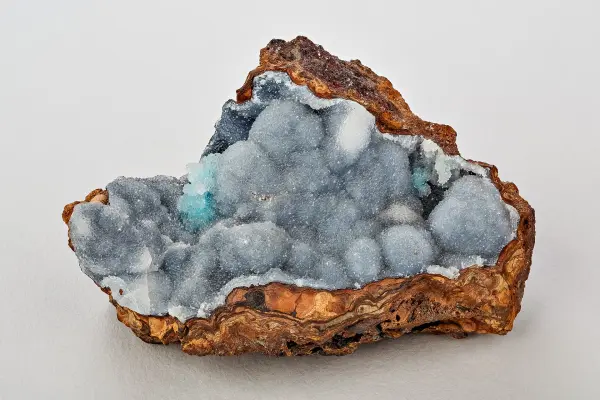
Dugway Geode Beds
Public BLM geode locality in western Juab County, Utah, where Miocene rhyolite cavities were eroded by ancient Lake Bonneville and redeposited as quartz-lined geodes in soft lakebed sediment along the Pony Express Road.
View details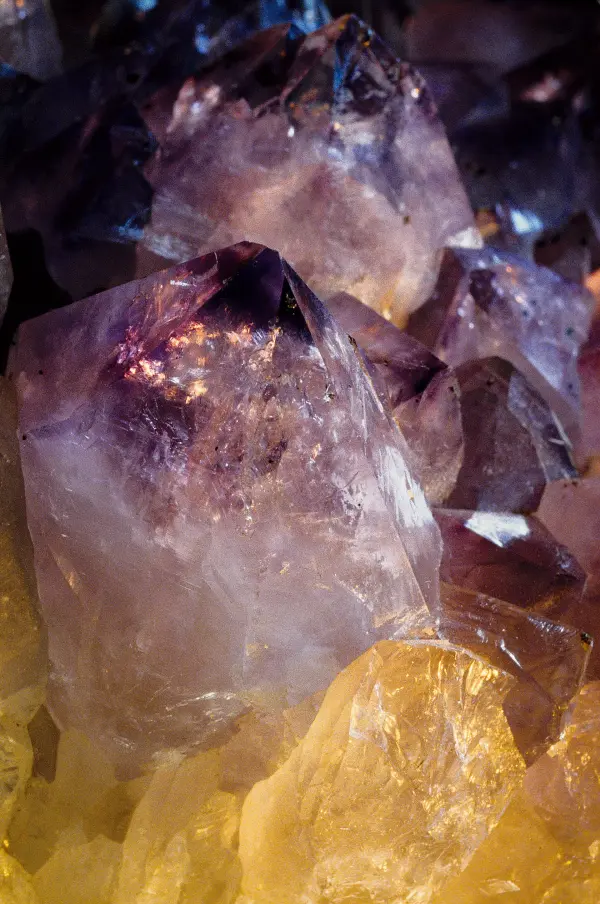
Herkimer Diamond Mines
Fee-dig quarries in the Mohawk Valley near Herkimer and Middleville, New York, where doubly terminated quartz crystals known as Herkimer diamonds are broken out of vugs in Cambrian dolomite roughly 500 million years old.
View detailsKeokuk Geode Beds
The Keokuk geode belt centred on Keokuk, Iowa, where the Mississippian Warsaw Formation yields chalcedony-shelled geodes lined with quartz, calcite, pyrite and marcasite across a tri-state area of southeast Iowa, northeast Missouri and western Illinois.
View detailsTopaz Mountain
Free BLM rockhound recreation area in the Thomas Range 55 miles west of Delta, Utah, where sherry-coloured topaz crystals weather out of rhyolite vugs alongside red beryl, bixbyite and garnet, and the topaz fades to clear in sunlight.
View detailsFrequently asked questions
What is the best rockhounding site in the United States?
There is no single best site—it depends on what you want to find. Crater of Diamonds for diamonds, Dugway for geodes, Herkimer for quartz crystals, and Topaz Mountain for topaz are among the most popular.
Can beginners rockhound at famous sites?
Yes. Crater of Diamonds, fee dig mines, and BLM geode beds welcome beginners with basic tools. Start with sites that have facilities and clear rules.
Are the best rockhounding sites free?
Some iconic BLM sites like Dugway and Topaz Mountain are free for personal collecting. State parks and fee digs charge admission but offer managed access and amenities.
What states have the best rockhounding?
Arkansas, Utah, Arizona, Colorado, Iowa, Montana, Idaho, and New York each host world-class sites for different specimen types. Browse our state directory for the full list.
How do I plan a multi-state rockhounding road trip?
Cluster sites by region—Southwest BLM beds, Arkansas quartz belt, Midwest geode country, or Montana sapphire digs—and verify seasonal access and camping options for each stop.
Where should beginners start?
Pick one managed site first — Crater of Diamonds, a Herkimer fee dig, or a Montana sapphire wash — then expand to free BLM beds once you understand tools and land rules.
How do I find sites near me?
Use our near-me GPS locator or specimen maps (geodes, gold, agate, sapphire, fossils) to sort documented directory listings by distance.