Colorado rockhounding centers on Mount Antero aquamarine, Lake George amazonite, and Devils Head topaz — summer alpine access with claim checks, altitude preparation, and park bans like Florissant.
Colorado’s Front Range and central mountains host some of North America’s most famous pegmatite localities — aquamarine, amazonite, and topaz — plus altitude, lightning, and claim mosaics that listicles gloss over. This guide is updated for October 2026 with access-first notes for Mount Antero, Lake George, Devils Head, and Florissant.
Use our Colorado state hub as your live Colorado rockhounding map, then open each listing before you drive.
Goal → first stop
| What you want | Start here |
|---|---|
| Alpine aquamarine / topaz (advanced) | Mount Antero |
| Amazonite crystals | Lake George Amazonite |
| Front Range topaz (more approachable) | Devils Head Topaz Area |
| Historic topaz nearby | Gold Hill topaz |
| Fossils / park look-only | Florissant Fossil Beds — no collecting (NPS FAQ) |
| Denver Front Range planning | Rockhounding near Denver · Denver nearby map |
| Region hub | Colorado gem mountains |
| Statewide GPS map | Colorado state hub |
Colorado rockhounding map
Open the Colorado rockhounding map for every cataloged site with GPS and seasonal notes. Pair with gemstones, quartz, the Colorado gem mountains region, and Denver nearby.
Things you need to go rockhounding in Colorado
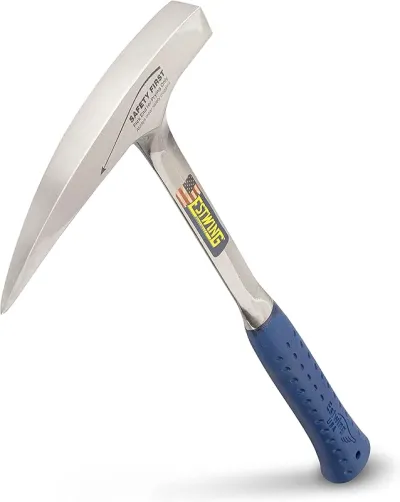
Estwing 22 oz Geological Pick
If you buy one hammer, make it this one.
Check price on Amazon
Mechanix Work Gloves with Grip
The default glove for collectors who need feel and protection.
Check price on Amazon
DEWALT DPG82 Concealer Safety Glasses
Buy two pairs — one lives in your pack permanently.
Check price on Amazon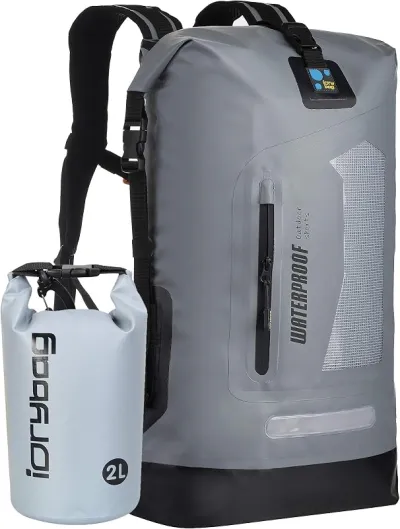
Osprey Talon 22 Backpack
The pack to save for if you collect more than a few times a year.
Check price on AmazonDisclosure: Gear links may earn a commission as an Amazon Associate — at no extra cost to you. Learn more.
Land rules cheat sheet
| Land type | Collecting reality |
|---|---|
| National Forest / BLM (open parcels) | Limited personal, noncommercial hand-tool collecting may be allowed where not prohibited. BLM’s national FAQ frames casual use as reasonable amounts subject to local restrictions — BLM Rock Collection FAQs. Do not invent a Colorado-wide pound number. |
| Mining claims | Off-limits without claimant permission. Check BLM MLRS. Claims are common on popular pegmatite ground, including Antero. |
| National Park Service units | Recreational mineral collecting prohibited. Florissant bans collecting rocks and fossils. |
| Wilderness / closures / fire orders | Override normal casual use — check district alerts before you leave. |
Mount Antero — advanced alpine only
Mount Antero near Buena Vista is legendary for aquamarine, topaz, and phenakite above ~12,000 feet. The Forest Service notes that surface collecting on mining claims without owner permission is illegal — see the Mount Antero fourteener page.
Reality check: narrow, steep 4WD roads; extreme altitude; afternoon lightning; dense claims. Acclimatize using CDC altitude illness guidance. Beginners should not start here.
Lake George amazonite — mosaic ground
Lake George amazonite in Teller County produces distinctive blue-green microcline. The district is a public / private / claim mosaic. Forest Service project pages document claim activity in Crystal Creek country — treat map pins as research leads, not open invitations.
Devils Head topaz
Devils Head topaz area on the Rampart Range is more approachable than Antero for many collectors — forested ridges and granite cavities rather than extreme jeep alpine. Confirm seasonal Rampart Range Road status on the Devils Head lookout / Pike–San Isabel alerts before you drive. Nearby Gold Hill adds historic topaz occurrences.
Rockhounding near Denver
Front Range collectors stage Devils Head and Lake George day trips when roads are open, saving Antero for prepared overnight alpine missions. Full planning: rockhounding near Denver and Denver nearby.
Practical alpine planning
- Season: late June–September for most high roads
- Vehicle: high-clearance 4WD for Antero; recommended for many Lake George approaches
- Altitude: hydrate, ascend gradually, descend if symptoms worsen
- Lightning: be off exposed ridges by early afternoon
- Claims: MLRS check every trip
- Kit: glasses, gloves, pick, water, layers, first aid — compare field backpacks, picks, and essential tools
Colorado rewards collectors who treat famous pegmatite names as claim-and-altitude problems first — then dig only where the district still allows it.
Spots from our directory
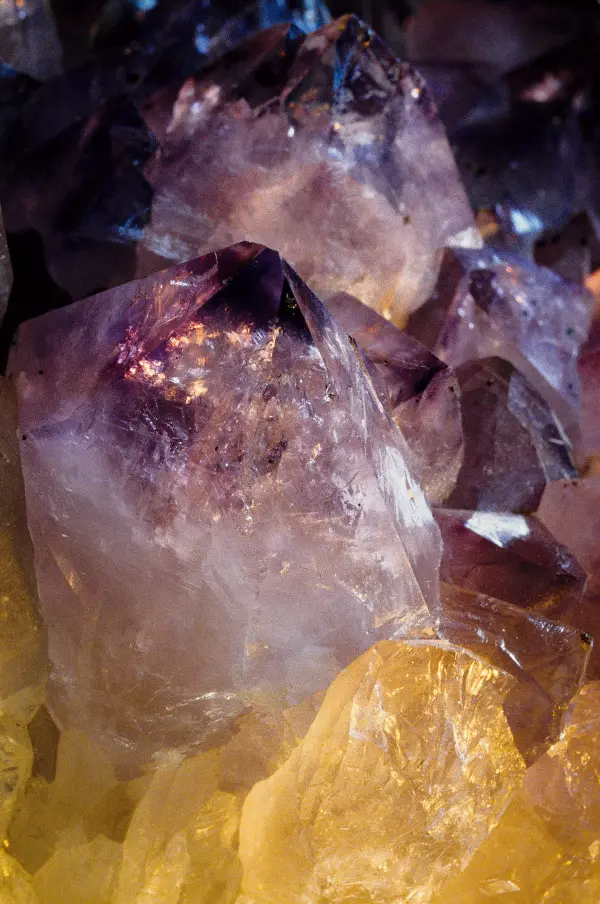
Mount Antero
Mount Antero and Mount White in the Sawatch Range are legendary for aquamarine beryl crystals in granite pegmatites above 12,000 feet.
View details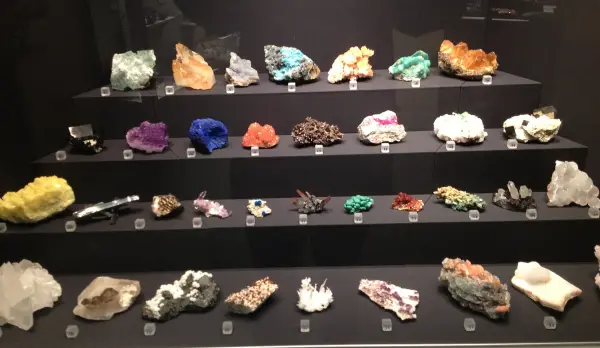
Lake George Amazonite
Crystal Peak and the Lake George district produce vivid blue-green amazonite clusters with smoky quartz on Pikes Peak granite pegmatites.
View detailsDevils Head Topaz Area
Pegmatite outcrops on Devils Head in Douglas County yield topaz and smoky quartz crystals in miarolitic cavities along popular hiking trails.
View detailsGold Hill Topaz Locality
The Gold Hill mining district west of Boulder, Colorado, organised in 1859 as one of the state's earliest mining camps, where pegmatite and vein systems in the Front Range have produced topaz, fluorite and amazonite. Active claims and private ground are widespread and collecting requires verification.
View detailsFrequently asked questions
Can you collect rocks in Colorado?
Casual personal-use collecting with hand tools is often allowed on open National Forest and BLM land where not prohibited. National Park Service units ban recreational mineral collecting. Active mining claims require the claim holder’s permission. Always verify ownership, closures, and district rules.
Where can I find amazonite in Colorado?
Lake George in Teller County is Colorado’s classic amazonite district, with blue-green microcline in pegmatite exposures. The area is a mosaic of public land, private parcels, and claims — verify before digging.
Is Mount Antero open for rock collecting?
Mount Antero is a famous aquamarine and topaz locality, but it is advanced alpine collecting with rough 4WD access, extreme altitude, weather risk, and dense claims. Surface collecting on claims without owner permission is illegal. Beginners should start lower on the Front Range.
Can I collect at Florissant Fossil Beds?
No. Florissant Fossil Beds National Monument prohibits collecting rocks and fossils — natural features must remain undisturbed.
What is the best time to rockhound in Colorado?
Late June through September for most high-elevation pegmatite roads after snowmelt. Start early to avoid afternoon lightning on exposed ridges. Confirm Rampart Range and forest road seasonal closures for Devils Head.
Do I need a permit to collect gemstones in Colorado?
Personal-use collecting on many National Forest parcels needs no special permit within local rules, but claims, closures, and commercial use change that. Do not invent a statewide pound limit — BLM’s national FAQ frames casual collecting as reasonable noncommercial amounts subject to local restrictions.
Is there a Colorado rockhounding map?
Our Colorado state hub is the Colorado rockhounding map — Mount Antero, Lake George, Devils Head, and all cataloged sites with GPS and access notes.
Where should beginners start in Colorado?
Prefer lower Front Range districts such as Devils Head or carefully verified Lake George ground before attempting Mount Antero jeep roads. Use our Denver nearby map for drive-time planning and always check claims first.
Can I collect on a mining claim in Colorado?
Not without the claimant’s permission — even when the surface looks like open National Forest. Check the current BLM MLRS mining-claim map before you dig.