Public gem mining and mining near me searches should land on fee digs — use our dig-sites map and pay-to-dig GPS, then this checklist for costs, tools, and keep rules at Crater of Diamonds, Herkimer mines, Montana sapphires, and more.
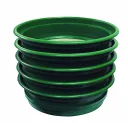
Mesh Screens & Classifiers comparison chart
| Product | Price | Mesh sizes | Fits | Pack weight | Best for | Buy |
|---|---|---|---|---|---|---|
| Best overall5-Pack Stackable Classifier SetSE | $55 approx. | 1/2″–1/20″ (5 screens) | 5-gal bucket | Medium | Fee digs & placer | Check price on Amazon |
| Best single screen1/4″ Stackable ClassifierSE | $16 approx. | 1/4″ | 5-gal bucket | Light | Starter dig kit | Check price on Amazon |
| Best budget pickGold Panning Classifier ScreenASR Outdoor | $12–20 approx. | Multiple sizes sold | 5-gal / 14″ pan | Light | Add-on screens | Check price on Amazon |
| Best travel5.5″ Mini Stackable ClassifierSE | $12 approx. | 10 holes/in² | Small pans / vials | Ultralight | Backpack trips | Check price on Amazon |


This is the checklist companion to our live GPS pages — not a competing “near me” lander. Searching mining near me, gem mining, fee gems, or public gem mining? Open the dig-sites map or pay to dig sites near me for distance sorting. Use this article for costs, tools, keep rules, and region-by-region expectations before you drive.
Fee gems means the stones you dig yourself at those paid sites — day tickets or gravel buckets — not jewelry-store inventory. Our dedicated guide explains what are fee gems, how they differ from free BLM collecting, and where to dig. Recreational gemstone mining is not industrial hard-rock mining. It is the hobby path for crystals, sapphires, opals, and even diamonds where you pay admission and keep what you find.
How to find gem mining near you (fast)
Use these paths in order — the first two solve most “near me” searches:
- Pay to dig sites near me (GPS) — primary distance sort for fee digs
- Crystal hunting near me / Sapphire mining near me — specimen-specific GPS
- Pay-to-dig sites map — every cataloged fee dig by state
- Gemstones type hub — sapphire, garnet, and related fee dig localities
- Montana gemstones hub — sapphire country state × type page
Crystal digging near me and mines near me are related intents: Northeast and Southeast searches often mean quartz fee mines; Western searches often mean sapphire washes, opal digs, or tourmaline pegmatite fees. Match the specimen word in your search to the type hub before you drive.
Quick map: best fee-dig regions by coast
| If you live… | Closest flagship gem digs | Specimens |
|---|---|---|
| Northeast | Herkimer Diamond Mines & Ace of Diamonds (NY) | Double-terminated quartz |
| Mid-Atlantic / Southeast | Cooper Gem Mine (TN), Hogg Mine (GA), Diamond Hill (SC) | Sapphires, aquamarine, amethyst, quartz |
| South-central | Crater of Diamonds + Mount Ida quartz (AR) | Diamonds, quartz |
| Northern Rockies | Gem Mountain (MT), Spencer Opal (ID) | Sapphires, opal |
| Southwest / West Coast | Oceanview (CA), Rainbow Ridge (NV) | Tourmaline, fire opal |
If nothing shows within a short drive, pick the nearest weekend destination from that table — fee dig quality beats scraping random dirt for most beginners.
Three types of “public” gem collecting
Not every open site works the same way. Know the model before you book:
| Type | How it works | Examples | Typical cost |
|---|---|---|---|
| State park dig field | Government-managed search area; keep personal finds | Crater of Diamonds | Park entry fee |
| Commercial fee dig | Private mine prepares pits or tailings; daily admission | Herkimer mines, Hogg Mine, Gem Mountain | $15–$75/day |
| Gravel wash / bucket | Buy pre-loaded gravel; wash screens on site | Gem Mountain sapphires, some opal mines | Per bucket |
| Free public land | BLM or Forest Service; no staff or guarantees | Topaz Mountain, Dugway geodes | Free (not fee digs) |
When people search public mines, public mines near me, or gemstone mines open to public, they usually mean the first two rows — managed sites where you pay once and dig without negotiating landowner permission. Pay to dig sites near me is the same intent with different wording.
Pick a dig by goal (not by hype)
| Goal | Best first dig | Why it wins for beginners | Typical day cost |
|---|---|---|---|
| Real diamonds | Crater of Diamonds, AR | Staff, tool rental, plowed field, keep finds | Park entry + optional rental |
| Clear “diamond-look” crystals | Herkimer Diamond Mines / Ace of Diamonds, NY | Prepared spoil, tool rental, short season | ~$15–$25 + tools |
| Jewelry-grade color stones | Gem Mountain, MT | Bucket wash — less hard-rock labor | Per bucket |
| Family-friendly quartz | Wegner Quartz, AR | Multiple dig levels, clear crystals | Day fee |
| Fire opal | Spencer Opal, ID / Virgin Valley NV | Bucket or bank dig options | Per bucket / day |
| Tourmaline / pegmatite | Oceanview, CA | Famous Pala district tailings | Reservation fee dig |
If you are undecided, open Fee digs near me (GPS) and take the closest flagship within a realistic drive. A mediocre distant mine loses to a productive dig you can reach by 10 a.m.
Cost, time, and what “success” looks like
Competitor guides often stop at “you might find a gem.” Here is the honest expectation matrix collectors actually need:
| Dig style | Physical effort | Typical first-day haul | “Museum piece” odds |
|---|---|---|---|
| Diamond field (AR) | Medium — walking, surface search, optional digging | Agates, jasper, maybe tiny diamonds | Low (but real) |
| Herkimer spoil piles | High — hammering dolomite | Cloudy + a few clear crystals | Low–medium |
| Sapphire wash | Low–medium — screening gravel | Multiple small sapphires | Medium for jewelry chips |
| Quartz fee dig | Medium–high | Clear points and clusters | Medium |
| Opal dig | Medium | Common opal + rare fire flashes | Low for gem fire |
Plan the experience first, the Instagram specimen second. That mindset keeps families happy and keeps you from overpaying for “guaranteed treasure” marketing.
Best public gem mining sites by region
Arkansas — diamonds and quartz crystals
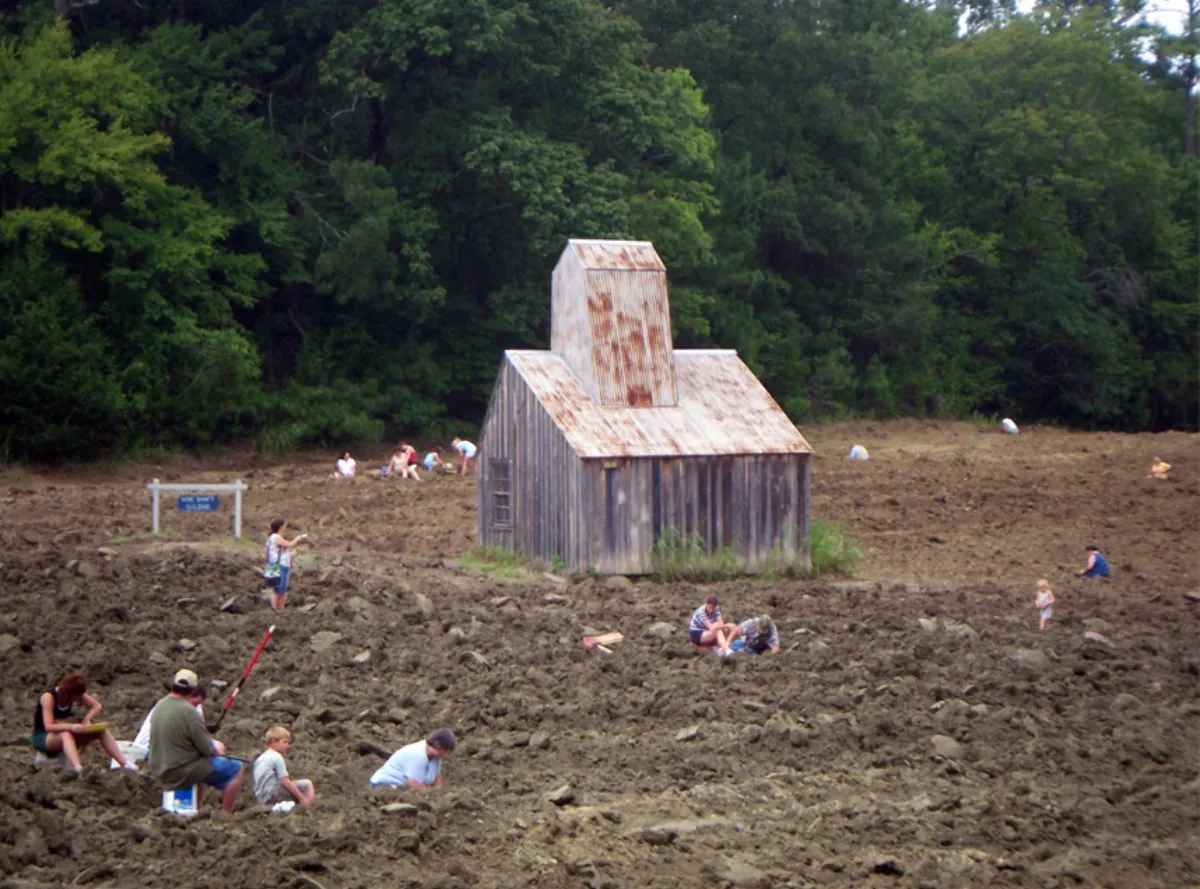
Crater of Diamonds State Park is the only public diamond field in the world where visitors keep what they find. Staff plow the 37-acre search area regularly; rain washes diamonds and colorful agates to the surface. The park offers restrooms, tool rental, and camping — the gold standard for beginner gemstone mining with kids.
The Ouachita Mountains also host premier quartz fee digs. Wegner Quartz Crystal Mine near Mount Ida offers multiple dig options from tailings piles to crystal pockets. Pair both for a full Arkansas rockhounding weekend.
New York — Herkimer “diamond” crystals
The Mohawk Valley is America’s crystal fee-dig capital. Herkimer Diamond Mines and neighboring operations like Ace of Diamonds Mine let visitors break dolomite matrix to extract brilliant double-terminated quartz crystals. May through September is prime season; mines rent hammers and sledgehammers on site.
These are not actual diamonds — but the clarity and natural faceting rival many faceted stones. Full comparison: Herkimer diamond mines guide. Browse all New York crystal sites.
Montana — sapphire gravel washing
At Gem Mountain Sapphire Mine near Philipsburg, collectors buy buckets of sapphire-bearing gravel and wash them through screen boxes on site. Heat-treated Montana sapphires in blues, greens, and fancy colors make durable jewelry stones. Staff help identify finds — ideal for beginners who want a guaranteed hands-on experience without hard-rock digging.
Browse Montana rockhounding sites for related listings.
Tennessee & Kentucky — sapphires and geodes
Cooper Gem Mine in eastern Tennessee offers fee digging for sapphires and related minerals in the Tri-Cities region. Nearby plateau creeks also produce geodes — combine with our geodes near me guide for a mixed-specimen trip.
Livingston Gem Mine in central Kentucky runs scheduled fee digs for crystal-lined geodes and vein quartz.
Georgia & the Carolinas — aquamarine, amethyst, quartz
The Southeast pegmatite belt hosts several reservation-based fee digs:
- Hogg Mine — aquamarine, rose quartz, and tourmaline near LaGrange
- Jackson Crossroads Amethyst — deep purple amethyst in Wilkes County
- Diamond Hill Mine — quartz crystal fee dig in South Carolina
Reservations are often required — book ahead during spring and fall club season.
Idaho & Nevada — opal fee digs
Spencer Opal Mine in eastern Idaho sells dig buckets and offers bank digging for opal in volcanic tuff. Rainbow Ridge Opal Mine near Virgin Valley, Nevada, operates seasonally with per-bucket or day rates for fire opal.
See Idaho rockhounding sites for the full map.
California & Virginia — tourmaline, amazonite, and more
Oceanview Mine in San Diego County runs fee digs for tourmaline and other pegmatite minerals in famous Pala district tailings. Morefield Mine near Amelia Court House offers scheduled amazonite and fluorite fee digs in Virginia’s historic pegmatite belt.
What to expect at a fee dig mine
Reservations and seasons. Many mines operate weekends only or require advance booking — especially Hogg Mine, Oceanview, and Morefield. Check the listing and mine website before driving hours.
Tools. Commercial mines often rent sledgehammers, screens, and shovels. Bring your own safety glasses and fitted gloves regardless — shared rental gear varies in quality. Comparing picks: rock hammers for rockhounding.
Finds and limits. You typically keep everything you dig for personal use. Some mines restrict total volume or prohibit reselling rough on site. Crater of Diamonds registers larger diamonds with park staff.
Facilities. Fee digs beat wilderness for families: shade structures, restrooms, and staff who explain geology. Remote opal digs may still be primitive — read each listing’s facilities notes.
Not the same as BLM collecting. Free sites like Topaz Mountain and Dugway Geode Beds are public land, not commercial mines. No admission fee, but also no prepared tailings or tool rental.

Day-of checklist (print or save)
Before you leave
- Confirm open hours + reservations on the mine’s current website (not a year-old blog post)
- Weather: heat alerts for desert digs; rain is often good for diamond fields and muddy for Herkimer
- Cash/card policy, parking, and whether kids dig free
In the car
- Water (1+ liter per person for hot sites), snacks, sunscreen, hat
- Closed-toe boots, long pants, fitted safety glasses, work gloves
- Soft wrap / zip bags for points; a small first-aid kit
On site
- Ask staff where yesterday’s productive piles or washed gravel came from
- Start with a small test area before claiming a “prime” hole
- Photograph finds next to a coin for scale before cleaning aggressively
After
- Rinse gently; do not scrub soft opal or fragile crystal tips
- Log the site in your notes so you can return midweek for fresher spoil
Full packing list: what to bring rockhounding. Hammer comparison: rock hammers guide.
Legal line in one paragraph
Dig only where you have permission — fee digs, posted state parks, or public land that explicitly allows casual collecting. Trespassing on unmarked private mines, active claims, or national parks is how sites close for everyone. Keep personal-use quantities, fill obvious holes when asked, and pack out trash. Our BLM collecting guide covers free-land rules when you graduate from fee digs.
Planning your first gem mining trip
- Pick a specimen goal — diamonds, Herkimer crystals, sapphires, opal, or quartz
- Search the directory or near me for fee listings in driving range
- Confirm hours, fees, and reservation requirements on the mine’s current website
- Pack water, sun protection, safety glasses, and sturdy shoes — see what to bring rockhounding
- For families, prioritize sites with flat terrain — our family-friendly guide ranks the best options
Related guides
- Fee gems: pay-to-dig explained — definition, comparison table, map links
- Rockhounding in Arkansas — Crater of Diamonds + Mount Ida quartz fee digs
- Herkimer diamond mines — Ace of Diamonds vs Herkimer Diamond Mines fees and tools
- Geodes near me — Midwest and Utah geode belts (mostly free collecting)
- Top gem digging spots — crystal and sapphire fee digs nationwide
- Best rockhounding sites in America — flagship free and fee destinations
- Rockhounding sites near me — general near-me search workflow
- Collecting on BLM land — free public-land rules vs fee digs
Gem mining near me turns a vague weekend idea into a concrete plan: open Near Me, pick a fee dig in range, pay admission, dig where they tell you, and keep what you find. Start with one flagship site in your region, then branch out as your collection — and confidence — grow.
Spots from our directory

Crater Of Diamonds State Park
Arkansas state park at Murfreesboro built on the eroded surface of a lamproite volcanic pipe, the only place in the world where the public can search for natural diamonds in their original source rock and keep whatever they find.
View details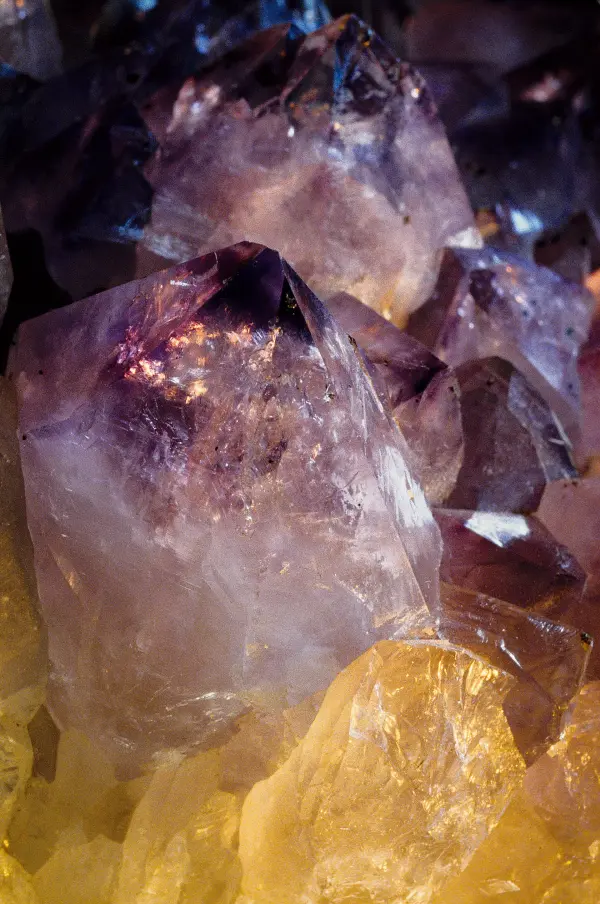
Herkimer Diamond Mines
Fee-dig quarries in the Mohawk Valley near Herkimer and Middleville, New York, where doubly terminated quartz crystals known as Herkimer diamonds are broken out of vugs in Cambrian dolomite roughly 500 million years old.
View detailsGem Mountain Sapphire Mine
Commercial sapphire gravel operation in the Rock Creek district near Philipsburg, Montana, where visitors wash 2-gallon buckets of natural sapphire-bearing gravel at outdoor troughs and the mine heat treats and facets finished stones on site.
View detailsWegner Quartz Crystal Mine
Commercial crystal mines in the Ouachita Mountains offering tailings and virgin ground digs for clear quartz points and clusters.
View detailsCooper Gem Mine
Eastern Tennessee gem gravels near the Tri-Cities produce sapphires and rutile in ancient stream deposits accessible through fee-mine operations.
View details
Spencer Opal Mine
A family-operated opal mine in eastern Idaho offering fee digs in opal-bearing rhyolite tuff with visible opal seams.
View detailsFrequently asked questions
Where can I go public gem mining near me?
Use our dig-sites map (best page for mining near me) or pay-to-dig GPS sorting, then open Arkansas, New York, Montana, Tennessee, Georgia, Idaho, and California hubs for flagship public mines. Match specimen goals to the closest region.
What is public gem mining?
Public gem mining means fee digs and managed parks that sell day tickets or buckets so visitors can dig or wash gravel and usually keep personal finds — not abandoned industrial mines.
What are fee gems?
Fee gems are gems and crystals you dig at a paid fee dig — day admission or gravel buckets. You usually keep personal finds. Use our dig-sites map for destinations and this checklist for costs and keep rules.
Are there public gem mines in the United States?
Yes. Dozens of fee dig mines and state parks welcome recreational collectors. Arkansas, New York, Montana, Tennessee, Georgia, Idaho, and California host some of the best-known public gem mining sites.
Can you keep what you find at gem mines?
At most fee digs and Crater of Diamonds State Park, you keep personal finds within posted limits. Commercial quantities, blasting, and resale without permits are prohibited. Always read the mine's rules before digging.
How much does public gem mining cost?
Day admission typically runs $15–$75 for fee digs. Some sites charge per bucket of gravel or per pound of tailings. State parks like Crater of Diamonds charge park entry plus optional tool rental.
What is the difference between a fee dig and free BLM collecting?
Fee digs are private or commercial operations that prepare dig areas, provide tools, and manage access for a daily fee. BLM and National Forest land allows free personal collecting within limits but offers no staff, shade, or guaranteed finds.
Where can I find public mines near me?
Search Near Me for listings that mention fees, then cross-check our gemstones and quartz type hubs. The Northeast has Herkimer crystal fee digs, the Southeast has quartz and sapphire digs, and the West has sapphire washes, opal digs, and tourmaline operations.
Is gem digging near me the same as rockhounding on public land?
Not always. Gem digging near me usually means a pay-to-dig mine with prepared material. Free rockhounding on BLM or Forest Service land has no admission desk — and no guaranteed finds. Both are legal when rules allow, but the experience is different.