Polish stones without a tumbler by wet-sanding coarse-to-fine then applying lapidary polish on leather or felt. Tumblers are faster for batches; hand methods suit one-off flats and cabs.
How to polish stones without a tumbler is a wet-sandpaper-plus-compound workflow, the same grit logic as tumbling but done by hand on a single face. It is slow, quiet and surprisingly satisfying, and it is the better choice when you have one special stone rather than a jar of pebbles.
Watch: how to polish rocks by hand
Wet-sand coarse to fine, then lapidary polish — no tumbler required.
Watch on YouTube: How to Polish Rocks — then follow the grit sequence below.
Choose the right stone first
Hand polish works best on agate, jasper, quartz, chalcedony and jade, which are hard enough to take a shine and dense enough to hold it. Soft stones (calcite, serpentine, many fossils) polish with gentler grits but scratch easily. Check for cracks with a hand lens before you invest an hour; a fracture will not polish out.
Things you need for your next rockhounding trip
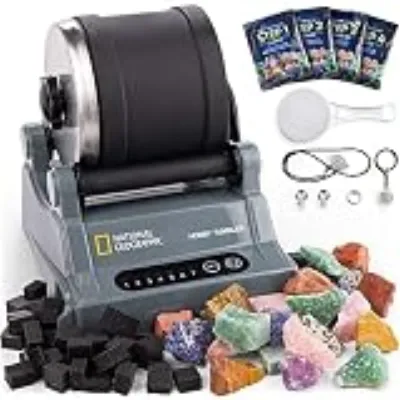
National Geographic Hobby Rock Tumbler Kit
If you want one rock tumbler kit that just works, start here.
Check price on Amazon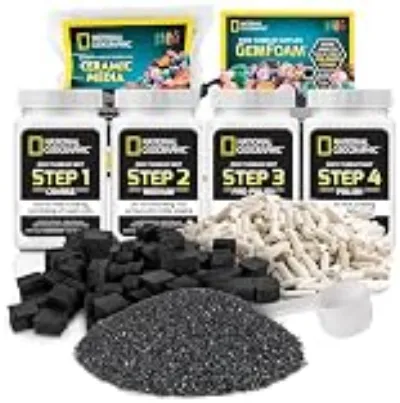
National Geographic Rock Tumbler Grit & Media Refill Kit
Best all-in-one rock polishing grit kit when you want media and grit together.
Check price on Amazon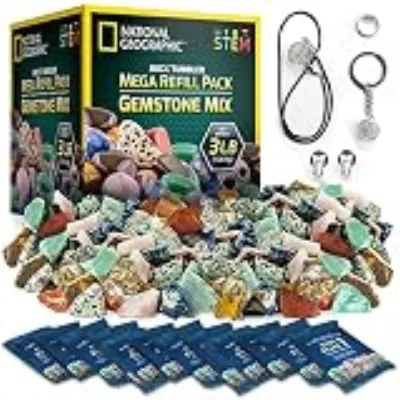
National Geographic Rock Tumbler Refill Kit (3 lb Rough)
Best rocks for tumbling when you want grit and rough together.
Check price on Amazon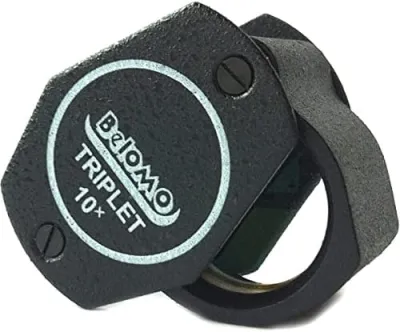
BelOMO 10x Triplet Loupe
The loupe to buy once and carry for decades.
Check price on AmazonDisclosure: Gear links may earn a commission as an Amazon Associate — at no extra cost to you. Learn more.
What you need
- Wet-or-dry silicon carbide paper in steps around 220, 400, 600 and 1200
- A flat, hard backing such as plate glass or a smooth board
- A shallow dish of water
- Lapidary polish, commonly cerium oxide or tin oxide for silica
- Leather or felt on a flat block
- Safety glasses and a dust mask for any dry work
The grit sequence
- Shape and flatten. Rub the stone on coarse paper (around 220) until the face is flat and deep scratches are gone. Keep the stone wet.
- Move up in steps. Work each finer grit until the scratch pattern from the previous one disappears; turn the stone 90 degrees between grits so you can see what you are removing.
- Rinse thoroughly. Wash hands, stone and backing between every step so a coarse grain never reaches finer paper.
- Polish. Spread a little compound with water on damp leather or felt and rub with light, even pressure.
- Finish. Wipe clean, then buff dry. A faint haze means you skipped a grit; go back one stage.
Work one flat face first. Domed cabochons need shaped laps, a dop stick and more practice. Expect an hour or more per face on hard silica.
When a tumbler is still smarter
| Goal | Method |
|---|---|
| One display face | Hand sand and polish |
| Jar of beach agate | Rock tumbler with grit |
| Learning stages | Tumbling rough first |
See rock tumbler rocks for feedstock rules. You cannot tumble without a barrel, so if you search “tumble rocks without a tumbler,” hand polish is the real answer.
Safety
Wear eye protection. Silica dust is a serious lung hazard, so keep surfaces wet and ventilate any dry sanding. Never pour compound or slurry down a drain; wipe it up and dispose of solids with household trash.
Common mistakes
- Jumping from coarse grit straight to polish.
- Pressing too hard and heating or chipping the stone.
- Letting paper dry out and glaze.
- Polishing a rock with a hidden crack or soft pocket.
- Expecting a mirror finish from a stone that took a poor shine wet.
Plan your next stop
Continue with the national hubs so you can compare digs, GPS distance, and state maps:
- Dig-sites map — national fee digs with fees and keep rules
- Near me GPS — sort sites by distance from you
- Essential rockhounding tools — field kit baseline
Reality check
Hand polishing is patience gear. It will give you a brilliant face on a stone that deserves one, but it will not scale to dozens of pebbles. If you only finish a handful of stones a year, a bench and paper are enough. If you want volume, buy a rotary tumbler and bagged rough, then compare options on our products page. For identifying keepers before you polish, review how to spot an agate, and use the quartzite Mohs guide to understand hardness.
Frequently asked questions
Can you polish stones without a tumbler?
Yes. Hand-sand with wet silicon-carbide papers from coarse to fine, then finish with a lapidary polish compound on leather or felt. It is slower than a rotary tumbler but good for one-off cabochons and flat faces.
What is lapidary polish?
Lapidary polish is a fine finishing compound (often cerium or tin oxide for silica) used after sanding grits to bring up shine on agate, jasper, and quartz. Match compound to stone hardness.
What is lapidary polishing?
Lapidary polishing is the finishing stage after shaping and sanding — usually a fine oxide compound on leather, felt, or a polishing lap. The same grit ladder applies whether you hand-sand or tumble.
Is a tumbler still worth buying?
Yes for batches of tumbling rough. Hand polish wins for single display faces; tumblers win for jars of beach agate. Compare rock tumblers on our products hub.
What does lapidary mean?
Lapidary means cutting, shaping, and polishing stones for jewelry or display — saws, grinders, sanding, and polish. It is the workshop craft after rockhounding. Start with hand polish or a beginner tumbler before buying a full cabbing machine.
What are lapidary stones?
Lapidary stones are rocks hard enough to cut and polish well — agate, jasper, quartz, and jade are classics. Soft limestone and fragile points frustrate beginners.
Is there a simple lapidary guide for beginners?
Start with wet sanding and lapidary polish on this page, or a beginner rotary tumbler for batches — then move to cabbing machines later. Pair field finds with dig-sites legality first.
How do you identify quartz rocks?
Quartz is typically Mohs 7, glassy to greasy luster, and often translucent with conchoidal fracture. Scratch glass; it should not scratch quartz. Pair with our quartzite Mohs guide and a hand lens for grain vs crystal tells.
How do you polish rocks without a tumbler?
Wet-sand coarse-to-fine (about 220 → 1200), then apply lapidary polish on leather or felt — same as polishing stones without a tumbler above. Tumblers win for batches.
How do you tumble rocks without a tumbler?
You do not tumble without a barrel — use hand polish (wet sand + compound) instead. “Tumble without a tumbler” searches want that hand method, not a fake barrel hack.