Gemstone mining equipment for beginners starts with safety glasses, a rock pick, gloves, and a bucket — fee digs often rent screens and shovels, while public land usually limits you to hand tools.
Rock Picks & Hammers comparison chart
| Product | Price | Weight | Head type | Handle | Best for | Buy |
|---|---|---|---|---|---|---|
| Best overall22 oz Geological PickEstwing | $45 approx. | 22 oz | Pick + chisel | Shock-reduction grip | All-around collecting | Check price on Amazon |
| Best for hiking14 oz Rock PickEstwing | $40 approx. | 14 oz | Pick + chisel | Shock-reduction grip | Long hikes to dig sites | Check price on Amazon |
| Best for geodes3 lb Crack HammerEstwing | $35 approx. | 3 lb | Square face + chisel | Shock-reduction grip | Geodes and hard nodules | Check price on Amazon |
| Best for paleo digsGeo/Paleo Rock Pick GP100Estwing | $90 approx. | 2.5 lb head | Pick + chisel (25 in) | Vinyl cushion grip | Fossils and overburden | Check price on Amazon |
| Premium pickRock Pick E30 Leather GripEstwing | $45 approx. | 22 oz | Pointed pick + square face | Genuine leather grip | Traditionalists | Check price on Amazon |
| GP-18 Gad Pry BarEstwing | $35 approx. | 20 oz | Point + wedge pry | Blue UV coating | Prying and levering | Check price on Amazon |
| Budget pickRock Pick HammerSE | $20 approx. | 20 oz | Pick + chisel | Rubber grip | Beginners | Check price on Amazon |


Gemstone mining equipment for recreational collectors is mostly hand tools — not industrial drills. Whether you are booking a public gem mining day or sorting gold hunting near me placers, the right kit keeps eyes safe and specimens intact.
For the broader rockhounding equipment & supplies buy list (what to own vs restock vs rent), see equipment and supplies.
Core kit (buy once)
| Equipment | Why it matters |
|---|---|
| Safety glasses | Flying chips are the #1 preventable injury |
| Rock pick / rock hammer | Break matrix, trim specimens, split small nodules |
| Work gloves | Sharp quartz and screen edges cut quickly |
| Bucket or padded pack | Carry finds without crushing crystals |
| Closed-toe boots | Dig floors and talus punish sneakers |
Browse comparisons on our products hub — especially rock picks and safety glasses.
Fee dig & public gem mining tools
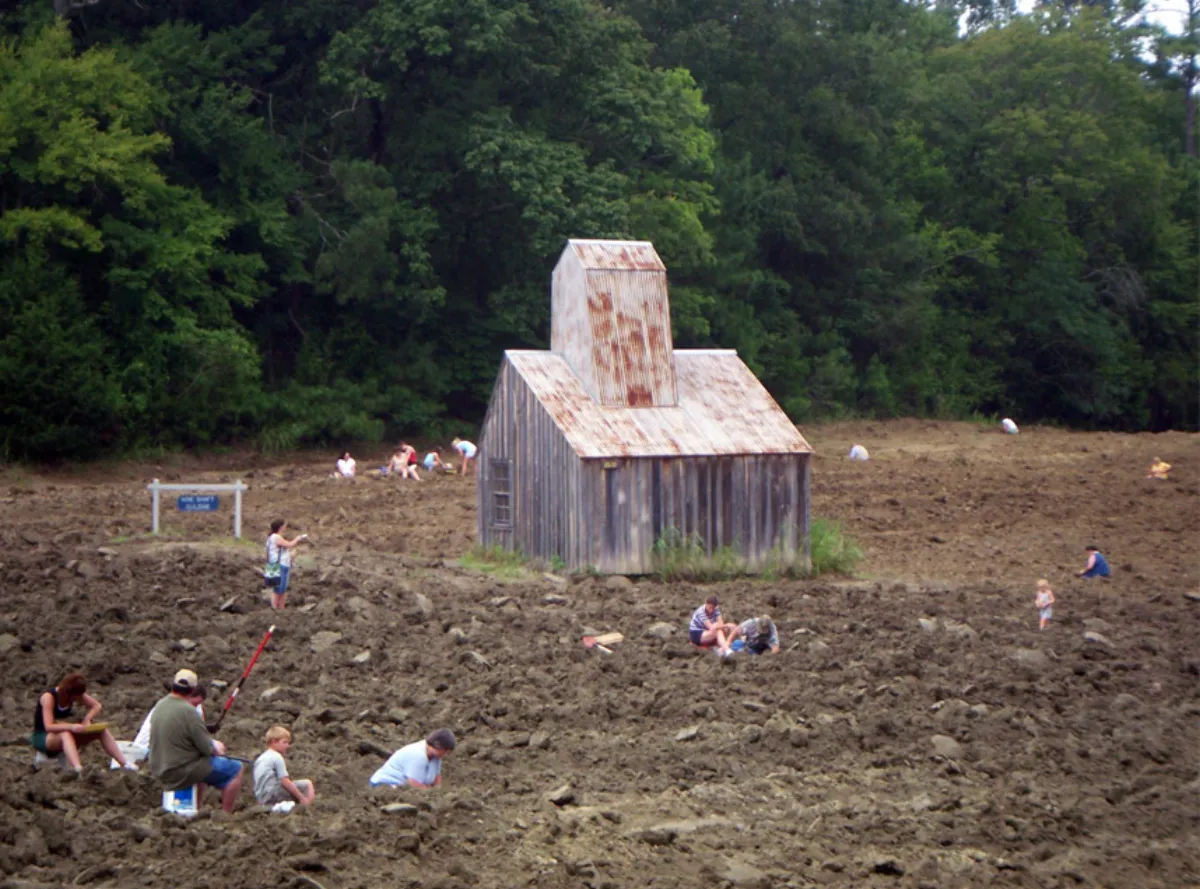
At managed digs you often rent screens, shovels, and sledges. Still bring:
- Your own fitted safety glasses
- Kneepads for long ground sessions
- Water and sun protection
- Optional: chisels if the mine allows personal steel
Read the public gem mining checklist before your first Crater of Diamonds, Herkimer, or sapphire wash trip.
Gold hunting & placer gear
For gold hunting near me / recreational panning:
- Gold panning kits or standalone gold pans and classifiers
- Snuffer bottle and tweezers
- Shovels / scoops
- Optional sluice boxes only where legal — the best sluice box for beginners is a packable recreational model used after you can pan, never a substitute for land-status checks
Full workflow: gold panning guide.
Geode & crystal equipment
- Crack hammer or rock pick for nodules where tools are allowed
- Eye protection before every swing
- Pipe cutter / tile saw at home for clean display halves; polish leftovers later with a rock tumbler
See geode near me and the rock hammers guide.
What to skip on public land
Leave power tools, explosives, and heavy mechanized gear at home on casual BLM / Forest Service collecting. Fee digs set their own rules — ask before hauling a generator.
Quick starter bundles
New collectors often do best with a rockhounding kit plus upgraded glasses, then add specialty tools after one or two digs show what you actually use.
Bottom line: gemstone mining equipment success is 80% safety + access, 20% steel. Rent once, buy what you reuse, and never swing without eye protection.
Frequently asked questions
What gemstone mining equipment do beginners need?
Start with fitted safety glasses, work gloves, a rock pick or rock hammer, closed-toe boots, and a bucket. Many public gem mines rent screens and shovels — buy eye protection even if you rent everything else.
Do fee digs provide mining equipment?
Most pay-to-dig sites rent or loan screens, shovels, and sometimes sledges. Rules vary — confirm tool policies when you book. Always bring your own safety glasses.
What equipment is banned on public land?
Power tools, explosives, and mechanized mining are prohibited on most BLM and Forest Service casual collecting areas. Stick to hand tools unless a permit says otherwise.
What tools do I need for gold hunting near me?
A gold pan, classifier, snuffer bottle, and shovel cover most recreational gold hunting and panning. See our gold hunting near me GPS page and gold pans gear category.
What are gem mining tools for hobby digs?
Gem mining tools for fee digs are usually screens/classifiers, shovels, buckets, and safety glasses — many mines rent the heavy pieces. Public-land gem hunting stays hand-tool only. Compare screens and picks on our products pages rather than theme-park attraction kits.
What lapidary equipment do beginners need?
Beginners usually start with a rock tumbler and grit kit, or wet sandpaper for hand polish — not a full cabbing shop. Add a trim saw later. See our rock tumbler rocks guide and polish-without-a-tumbler how-to before buying big equipment.
Where should I buy gem mining tools?
Compare rock picks, pans, and safety gear on our products hub, or rent on-site for a first fee dig so you learn what you actually use.
What is the best gold sluice for hobbyists?
The best gold sluice for beginners is a compact recreational box you can pack to legal water — not an industrial plant. Confirm stream rules before buying; many places ban sluices. Compare options on our products pages and read the sluice beginner notes in this guide.
What is a gemstone sluice?
Tourist “gemstone sluices” at cavern attractions are often salted gravel flumes for kids — fun, but not field gold sluicing. For real recreational sluices, confirm legal water and see our sluice beginner notes above.
What is a gem sluice?
Same as a gemstone sluice — usually a tourism flume, not a stream gold box. Use dig-sites for real fee digs and this guide for field sluice rules.
What is the best sluice box for beginners?
Beginners should pick a short, lightweight recreational sluice that packs with a pan and classifier — not a commercial long-tom. Confirm sluicing is legal on your creek; many public lands ban unattended or mechanized setups. Compare gold sluice boxes on our products page after you own a pan.
What gem mining equipment do beginners need?
Beginners need safety glasses, a rock pick, gloves, and a bucket — screens and shovels are often rented at fee digs. Public land usually limits you to hand tools. See the core kit above and dig-sites for managed mines.