Fee gems are rough stones you dig at pay-to-dig mines and parks—not retail jewelry. Compare fee digs, free BLM collecting, and store-bought gems; use the dig-sites map and pay-to-dig GPS for destinations.
Rock Hounding Kits comparison chart
| Product | Price | Pieces | Hammer | Bag type | Best for | Buy |
|---|---|---|---|---|---|---|
| Best overall38pc Deluxe Rock Hounding KitASR Outdoor | $110 approx. | 38 | 20 oz forged pick | Deluxe nylon musette | Serious beginners | Check price on Amazon |
| Most popular17PCS Rock Pick Hammer KitINCLY | $66 approx. | 17 | 32 oz pick | Canvas musette | All-around field days | Check price on Amazon |
| Best complete kit26PCS Upgrade Geology KitINCLY | $75 approx. | 26 | 33.8 oz pick | Musette + accessories | Extended expeditions | Check price on Amazon |
| Best value15 PCS Geology Rock Pick KitINCLY | $43 approx. | 15 | 32 oz pick | Musette bag | Budget starters | Check price on Amazon |
| Best bag & organizationRockhound Deluxe 15-Piece SetEsterno | $49 approx. | 15 | 28 oz drop-forged | Canvas musette (WWII style) | Organized collectors | Check price on Amazon |
| Best for beginners14PCS Geology Rock Hounding KitCKJSJ | $40 approx. | 14 | 30 oz pick | Canvas backpack | First-time rockhounds | Check price on Amazon |
| Best for geodes7 Pcs Sledge & Pick KitINCLY | $46 approx. | 7 | 3 lb sledge + 32 oz pick | Tool roll (no bag) | Breaking hard nodules | Check price on Amazon |
| Best backpack kit17 PCS Backpack Hammer KitA Peerless Shovel | $70 approx. | 17 | 32 oz pick | Heavy-duty backpack | Hiking to dig sites | Check price on Amazon |
| Largest kit55-Piece Geology Hammer KitXXTTWW | $80 approx. | 55 | 32 oz pick | Rolling tool case | Group trips & clubs | Check price on Amazon |
| 16-Piece Backpack Hammer KitYTYLSJ | $45 approx. | 16 | 32 oz pick | Yellow backpack | Beginners on a budget | Check price on Amazon |
| 25PCS Rock Hammer KitDigNew | $55 approx. | 25 | 32 oz pick | Backpack | Gold panning trips | Check price on Amazon |
| 16 PCS Geology Hammer KitGeneric | $50 approx. | 16 | 22 oz pick | Musette backpack | Lighter hammer preference | Check price on Amazon |
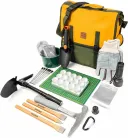
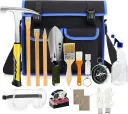
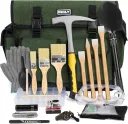
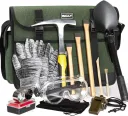
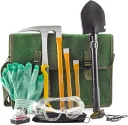
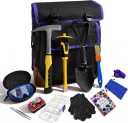
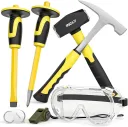
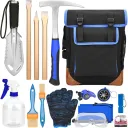
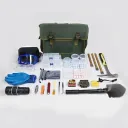
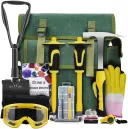
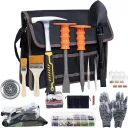
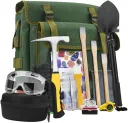
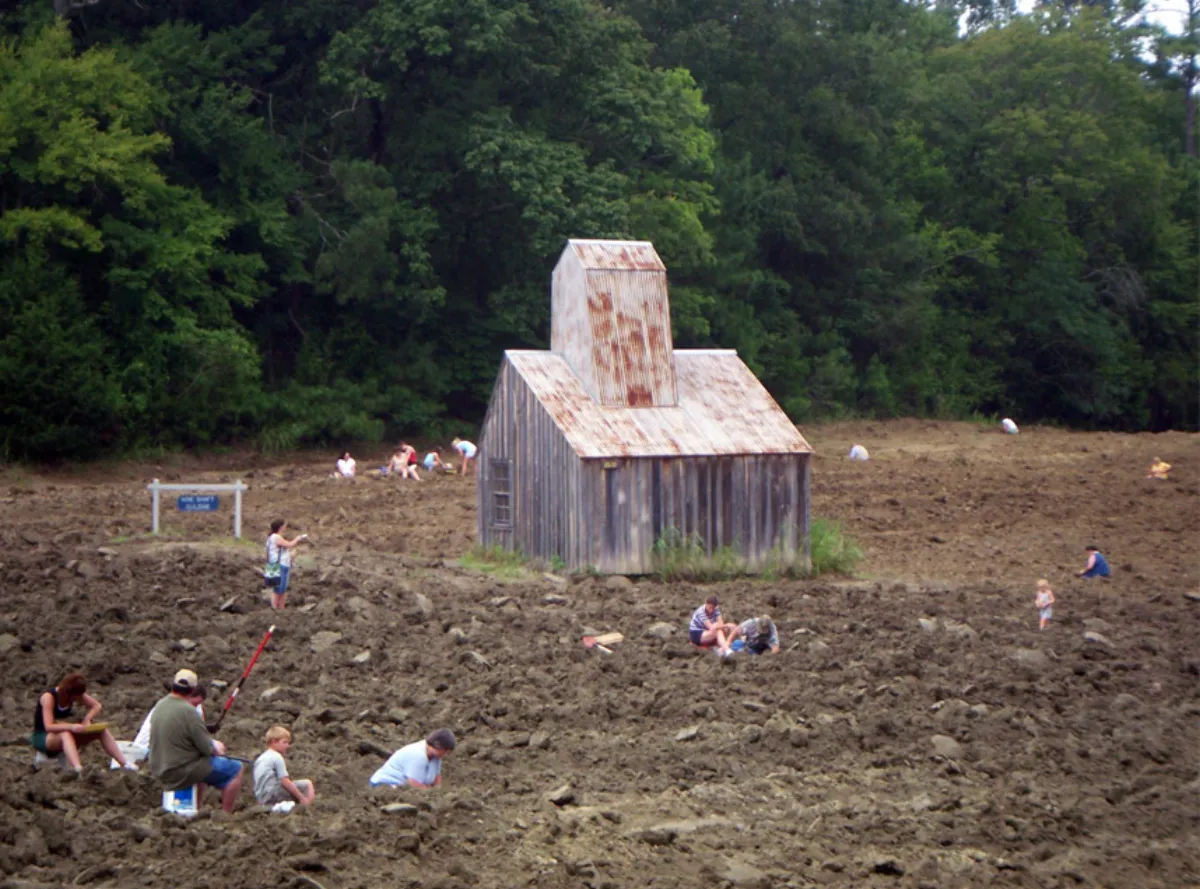
Fee gems are rough gemstones and crystals you dig or wash yourself at a pay-to-dig mine, ranch, or state park—not finished stones from a jewelry case. You pay day admission or buy a gravel bucket, work prepared ground or tailings, and usually keep personal finds within posted limits. Recreational collectors use the term for diamonds at Crater of Diamonds, Herkimer quartz at New York quarries, Montana sapphires, Idaho opal, and Ouachita clear quartz at Arkansas fee dig gems operations.
Fee gems vs free BLM collecting vs jewelry-store gems
| Fee gems (pay to dig) | Free BLM / Forest Service | Jewelry-store gems | |
|---|---|---|---|
| What you get | Rough stones you extract | Rough stones you find on open ground | Cut, graded, retail inventory |
| Cost | Typically $15–$75/day or per bucket | Travel only (agency limits apply) | Per carat / per stone |
| Access | Ticket desk, posted hours | Self-research; verify claims & closures | Retail purchase |
| Beginner odds | Higher—prepared pits or gravel | Variable—geology skill matters | N/A (no digging) |
| Keep rules | Operator or park rules | Agency personal-use limits | Purchase receipt |
| Examples | Crater of Diamonds, Herkimer mines, Gem Mountain | Dugway geodes, Topaz Mountain | Any gem counter |
Pay to dig gems sits in the first column: you pay for access and prepared material, not for a pre-selected stone. That is different from both free public-land rockhounding and from buying a sapphire already set in a ring.
Find fee dig gems (maps first)
Use these in order—most what are fee gems searches need a destination, not another definition:
- Pay to dig sites near me (GPS) — distance sort for open fee digs
- Dig-sites map — national catalog with find-type filters and fee notes
- Public gem mining checklist — costs, tools, keep rules, and regional tables
- Fee dig vs free public land — when to skip the dig desk
Flagship regions for fee gems
| Region | What collectors dig | Starter listing |
|---|---|---|
| Arkansas | Diamonds + clear quartz | Rockhounding in Arkansas |
| New York | Herkimer “diamond” quartz | Herkimer diamond mines guide |
| Montana / Idaho | Sapphires, opal | Dig-sites map + sapphire / opal near-me hubs |
| Southeast | Quartz, sapphire, aquamarine | Public gem mining sites |
Arkansas is the classic fee gems weekend: one day at Crater of Diamonds, another at a Mount Ida quartz fee dig—details in our Arkansas diamonds & quartz guide.
Tools and safety at fee digs
Fee digs often rent sledges and screens; you still bring fitted safety glasses, gloves, water, and sun protection. Compare hammer weights and tip types in our rock hammers & geological hammers guide before you buy gear for quarry days.
Related guides
- Public gem mining sites — full fee-dig checklist and coast-by-coast tables
- Dig-sites map — every cataloged pay-to-dig listing
- Rockhounding in Arkansas — Crater of Diamonds + Mount Ida quartz belt
- Pay to dig sites near me — GPS sorting for fee digs
- Rock hammers guide — buy vs rent at quarries
- Fee dig vs free public land — choose the right trip model
Fee gems are the hobby outcome of gem mining on managed ground: pay once, dig where allowed, keep what the rules say you can. Open the dig-sites map or pay-to-dig near me, then use the public gem mining checklist to pack and budget before you drive.
Spots from our directory

Crater Of Diamonds State Park
Arkansas state park at Murfreesboro built on the eroded surface of a lamproite volcanic pipe, the only place in the world where the public can search for natural diamonds in their original source rock and keep whatever they find.
View details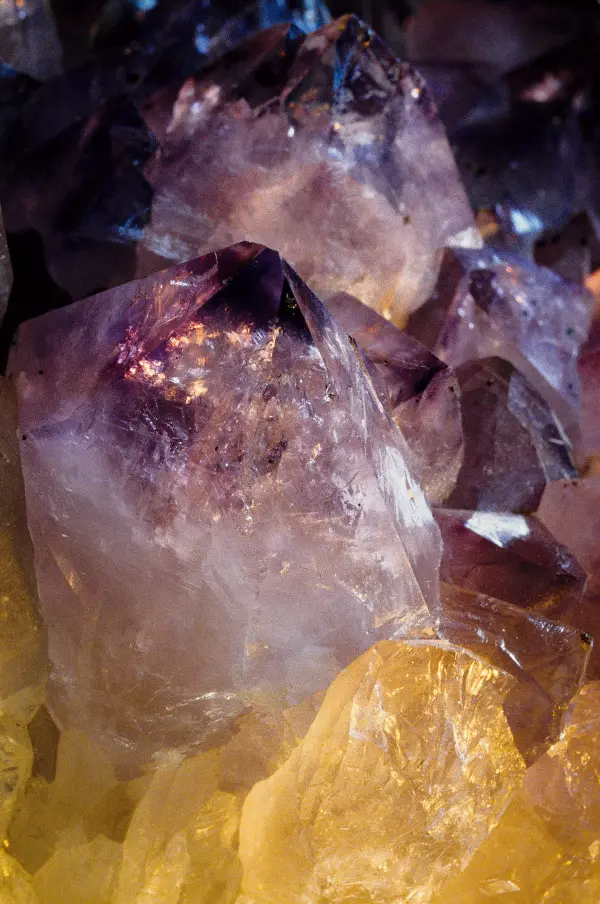
Herkimer Diamond Mines
Fee-dig quarries in the Mohawk Valley near Herkimer and Middleville, New York, where doubly terminated quartz crystals known as Herkimer diamonds are broken out of vugs in Cambrian dolomite roughly 500 million years old.
View detailsGem Mountain Sapphire Mine
Commercial sapphire gravel operation in the Rock Creek district near Philipsburg, Montana, where visitors wash 2-gallon buckets of natural sapphire-bearing gravel at outdoor troughs and the mine heat treats and facets finished stones on site.
View detailsWegner Quartz Crystal Mine
Commercial crystal mines in the Ouachita Mountains offering tailings and virgin ground digs for clear quartz points and clusters.
View detailsFrequently asked questions
What are fee gems?
Fee gems are gemstones and crystals you dig or wash yourself at a paid fee dig—day admission or gravel buckets at public gem mines and parks. You usually keep personal finds within posted limits. They are not gems bought at a jewelry counter.
What does fee gems mean in rockhounding?
It means the stones come from a pay-to-dig site where you pay once, dig where staff directs, and keep recreational finds. Use our dig-sites map for destinations and the public gem mining checklist for costs and tools.
Are fee gems the same as gems from a jewelry store?
No. Jewelry-store gems are cut and sold retail. Fee gems are rough material you extract yourself at mines like Crater of Diamonds, Herkimer quarries, or Montana sapphire washes—often the same species, but you do the digging.
How is a fee dig different from free BLM collecting?
Fee digs charge admission, prepare dig areas, and post keep rules. BLM and National Forest land may allow free personal collecting within limits but has no staff, shade, or guaranteed material. Both paths are legal when rules allow.
Where can I dig fee gems near me?
Open pay to dig sites near me for GPS distance sorting, or the national dig-sites map for every cataloged fee dig. Arkansas, New York, Montana, and the Southeast host many flagship pay-to-dig gem operations.
Can you keep fee gems you find?
At most commercial fee digs and at Crater of Diamonds State Park, you keep personal finds within posted limits. Commercial quantities and resale without permits are prohibited—read each mine's rules before you dig.