Find geodes by hunting knobby, heavy nodules in verified creek gravel or clay pits — use geodes near me GPS, wear eye protection when cracking, and confirm land status first.
How to find a geode is a shape-and-density skill plus a legal pin. It is not a metal detector hobby, and it is not a video-game mechanic. The people who bring home boxes of geodes mostly share two habits: they go where geodes are actually documented, and they know which rocks to ignore.
Watch: how to find a geode
Five field tells — host rock, fresh exposures, round-and-bumpy shape, and weight.
Watch on YouTube: How to Find a Geode — then use the field tells below and geodes near me.
Watch: geodes in Arizona
Desert / volcanic settings — what to expect when you search geodes in Arizona.
Watch on YouTube: Geodes in Arizona — also see Arizona rockhounding and geodes near me.
Things you need for How to Find a Geode
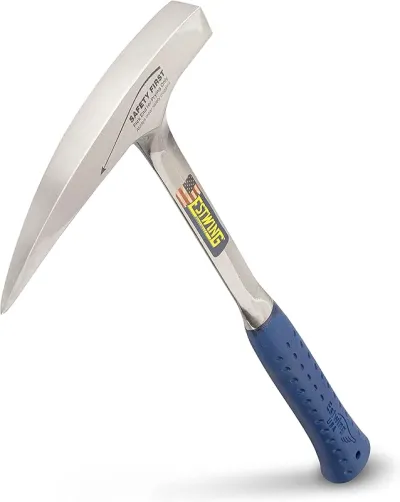
Estwing 22 oz Geological Pick
If you buy one hammer, make it this one.
Check price on Amazon
DEWALT DPG82 Concealer Safety Glasses
Buy two pairs — one lives in your pack permanently.
Check price on Amazon
NoCry Professional Construction Knee Pads
Buy once — your knees will notice by lunch.
Check price on Amazon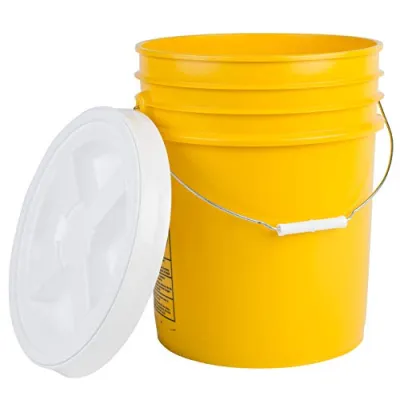
Hudson Exchange 5 Gallon Bucket with Gamma Seal Lid
The bucket setup serious diggers keep in the truck.
Check price on AmazonDisclosure: Gear links may earn a commission as an Amazon Associate — at no extra cost to you. Learn more.
What a geode is
A geode is a rock cavity lined with mineral crystals, usually quartz, chalcedony or calcite. Some form from gas bubbles in volcanic rock, like the Dugway geodes, which Utah geologists trace to Miocene rhyolite. Others form in limestone or dolomite, like the Keokuk-type beds across Iowa, Illinois and Missouri. Many nodules are solid rather than hollow, so the “geode” you find may only be a promising ball.
Field tells
- Round to knobby. Geodes are often potato- or cauliflower-shaped, with a rough, warty or crusty rind.
- Weight surprises. Compare them with ordinary rocks of the same size. Hollow geodes can feel lighter than expected, while solid chalcedony nodules feel hefty. Both are worth checking.
- Wet them. Water shows texture and color changes.
- Look at the setting. Geodes erode out of host rock, so they gather in creek gravel, clay pits and desert beds.
- Check broken pieces. A fresh crystal-lined fragment nearby means more could be around.
Where to start
| Style | Example |
|---|---|
| Desert beds | Dugway Geode Beds |
| Clay pits | Walker Valley, when open |
| Creek gravel | Crystal Glen Creek IL · Keokuk Geode Beds |
| Belt regions | Indiana · Iowa · Tennessee |
Live sorting: geodes near me, then read each listing. The geode hunting guide explains regional styles. Browse the geodes type page for more.
Field tactics
At Dugway, BLM guidance says to dig in or near old excavations through soft gray material where the geode layer sits. Do not tunnel; the walls can cave. In creeks, work gravel bars after high water, scanning for round shapes in the wet line. In clay pits, look at fresh cuts and spoil piles. Dig one hole properly instead of scratching a hundred surface pebbles, and refill it.
Tools
Safety glasses, a rock pick or hammer, knee pads, a bucket, and a small shovel are the basics. See essential tools. Crack unsure nodules at home; the steps are in how to break open a geode.
Common mistakes
- Whacking every round rock in the field and leaving fragments behind.
- Hunting on private or posted land because a map pin looked close.
- Digging steep vertical faces alone.
- Ignoring weather and washes in desert beds.
Plan your next stop
Continue with the national hubs so you can compare digs, GPS distance, and state maps:
- Dig-sites map — national fee digs with fees and keep rules
- Near me GPS — sort sites by distance from you
- Geodes near me GPS — sort verified geode pins by distance
Reality check
- Many nodules are solid, and plenty of hollows hold only plain crystals.
- Viral “worth thousands” claims are almost always wrong; most hobby geodes have personal rather than auction value.
- Lab-grown or dyed “crystal” geodes in shops are not natural field finds, so ask sellers about origin and treatment.
Verify land status first, then enjoy the hunt.
Common mistakes
- Digging park picnic grounds because the name says “Geode”
- Assuming every round rock is hollow
- Cracking without glasses
- Posting GPS to fragile fee pits that then get trashed
Hunt documented districts, crack carefully, and leave closed units alone.
Spots from our directory
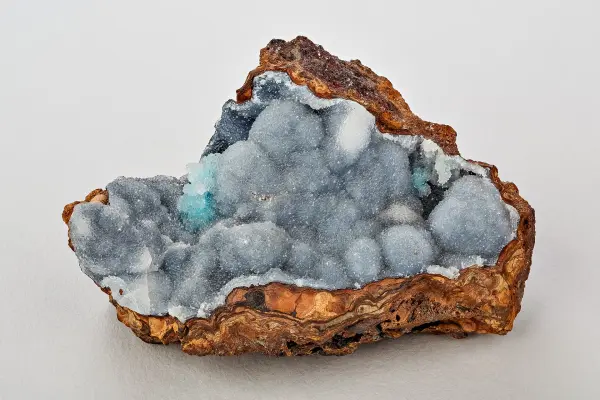
Walker Valley Geode Site
Historically collected geode ground on Washington DNR land in the Walker Valley ORV area east of Mount Vernon, Skagit County, where quartz-lined geodes and nodules occur in altered volcanic rock. Discover Pass required; southern Peter Burns Road access closed — use northern approach. Confirm current DNR collecting status before digging.
View detailsDugway Geode Beds
Public BLM geode locality in western Juab County, Utah, where Miocene rhyolite cavities were eroded by ancient Lake Bonneville and redeposited as quartz-lined geodes in soft lakebed sediment along the Pony Express Road.
View detailsCrystal Glen Creek
Crystal Glen Creek is a documented mineral occurrence in Illinois. Reported specimens include Geodes, Barite, Calcite, Dolomite, Goethite, Pyrite, Quartz, Selenite. Verify land access and collecting rules before visiting.
View detailsFrequently asked questions
How do you find a geode?
Look for round-to-knobby nodules heavier than nearby limestone or clay, often in creek gravel or weathered volcanic clay. Wet them to see texture; solid nodules are common — not every geode is hollow.
What does finding a geode take in the field?
Finding a geode takes verified access plus shape-and-weight scanning — knobby heavy nodules in gravel or clay — then a careful crack or cut at home. Video carousels and game “geodes” are not field tactics.
How do you spot a geode rock?
Spot a geode by shape and weight — knobby or potato-shaped, denser than nearby limestone chips, often with a rough rind. Wetting helps; hollow centers are confirmed only after a careful crack or cut.
Where should beginners hunt geodes?
Start at documented public sites such as Dugway (UT), Walker Valley when DNR allows (WA), or Hamilton-area Illinois creeks with access checks. Use geodes near me GPS, then read each listing.
Are artificial quartz crystals the same as geode crystals?
No. Lab-grown (hydrothermal) quartz is industrial / jewelry feedstock with perfect clarity and no natural rind. Field geodes are natural nodules; shop “crystal points” may be synthetic or treated — buy from sellers who disclose origin.
How much is a geode rock worth?
Most hobby geodes have personal and educational value, not auction prices. Worth depends on crystal quality, size, and locality — ignore “worth a fortune” viral claims. Crack carefully and enjoy the find.
What is the value of a geode worth?
Same answer as geode rock worth — most hobby finds are not high-dollar. Crystal quality and locality drive prices; viral “worth thousands” claims are usually wrong.
Where can I find geode rocks?
Start with verified public or fee sites — Dugway (UT), Walker Valley when open (WA), Keokuk/Ste. Genevieve/Indiana Warsaw belt creeks with permission. Use geodes near me GPS, then this how-to for field tells.
How do you know if you have a geode?
You rarely know for sure until you crack or cut it — field clues are knobby shape, unusual weight, and a rough rind. Solid nodules are common; hollow crystal centers are the prize. Wear eye protection when opening.
What is a zeolite geode?
A zeolite geode is a nodule lined with zeolite minerals (often with quartz) rather than only quartz crystals — common in some volcanic terrains. Same land rules apply; confirm ownership before digging.
How do you do geode identification in the field?
Geode identification uses knobby shape, unusual weight, and a rough rind — hollow centers are confirmed only after a careful crack or cut. Wear eye protection.
Where are geode collecting sites?
Start with Dugway (UT), Walker Valley when open (WA), and Keokuk/Hamilton/Ste. Genevieve Warsaw belt creeks with permission. Use geodes near me GPS and this how-to.