Oregon rockhounding centers on public thunderegg beds in the Ochocos, the BLM Sunstone Public Collection Area near Plush, Glass Butte obsidian, Succor Creek souvenir collecting, and Pacific beach agate after storms — use our Oregon map for GPS and current access notes. Richardson’s Rock Ranch digging is permanently closed.
Oregon is one of the best all-season rockhounding states in the U.S.: thundereggs (state rock), Oregon sunstone (state gemstone), obsidian at Glass Butte, Owyhee agate and jasper, and Pacific beach agate after winter storms. This guide is updated for October 2026 with verified public sites, current land rules, and an important closure — Richardson’s Rock Ranch no longer allows dig-your-own.
Use our Oregon state hub as your live Oregon rockhounding map, then open each listing for GPS, fees, and seasonal notes before you drive.
Goal → first stop
| What you want | Start here |
|---|---|
| Public thundereggs (Forest Service) | White Fir Spring · Whistler Spring |
| Remote public sunstone (free BLM) | Oregon Sunstone Public Collection Area |
| Obsidian (BLM recreational area) | Glass Butte |
| Owyhee thunderegg / agate canyon | Succor Creek Agate Beds |
| Easy beach agate | Agate Beach · Newport beach area |
| Shop-only thunderegg history (no digging) | Richardson’s Rock Ranch |
| Paid sunstone alternative | Spectrum Sunstone Mine |
| Statewide GPS map | Oregon state hub |
| Compare digs nationwide | Dig sites catalog |
Oregon rockhounding map
Start with the Oregon rockhounding map — pin markers, fee vs free filters, and specimen types for every cataloged site. Pair it with agate, jasper, and near-me GPS sorting when you are already in the Northwest. For coastal storm windows, also browse agates near me.
Things you need to go rockhounding in Oregon
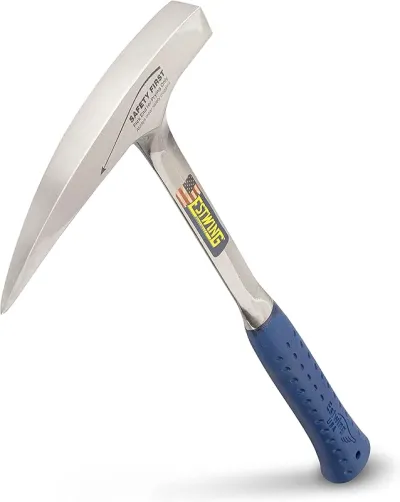
Estwing 22 oz Geological Pick
If you buy one hammer, make it this one.
Check price on Amazon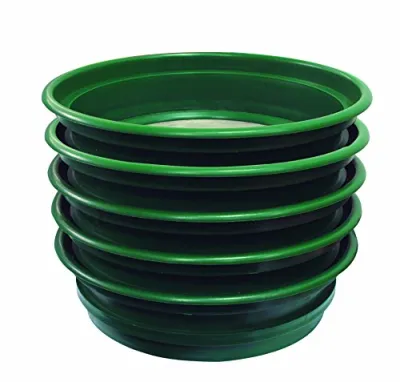
SE 5-Pack Stackable Classifier Set
If you buy one classifying kit, buy this set.
Check price on Amazon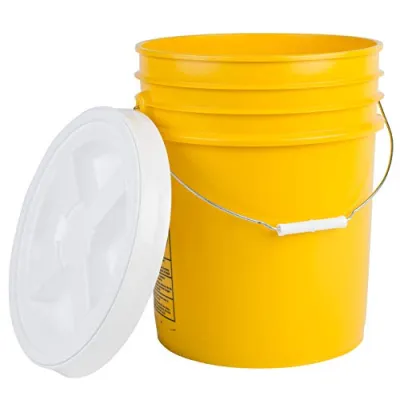
Hudson Exchange 5 Gallon Bucket with Gamma Seal Lid
The bucket setup serious diggers keep in the truck.
Check price on Amazon
Mechanix Work Gloves with Grip
The default glove for collectors who need feel and protection.
Check price on AmazonDisclosure: Gear links may earn a commission as an Amazon Associate — at no extra cost to you. Learn more.
Why Oregon ranks so high
Three settings stack in one state:
- Cascades & John Day / Ochoco volcanics — thunderegg-bearing rhyolite and ash (Crook, Jefferson, and neighboring counties).
- Basin-and-range southeast — the only U.S. public sunstone collecting area plus Glass Butte obsidian flows on BLM land.
- Pacific ocean shore — storm-reworked gravel bars with agate and jasper, collectable in small personal quantities under Oregon Parks rules.
DOGAMI and the BLM highlight thundereggs, sunstone, and Glass Butte specifically. That official backing is why thin “top 10” listicles keep ranking — and why a guide that links live GPS listings plus accurate closures can outrank them.
Important update: Richardson’s Rock Ranch digging is closed
Richardson’s Rock Ranch near Madras made Oregon famous for fee thunderegg digging. As of the ranch’s own notice, all digging is permanently closed. The rock shop remains open (seasonal hours) and still sells freshly dug thundereggs from historic Priday beds, cut specimens, and lapidary goods.
Do not plan a dig-your-own day at Richardson’s. For digging, use White Fir Spring, Whistler Spring, Succor Creek (souvenir limits), or other verified public beds on our map. Call the shop (541-475-2680) only if you want to buy material.
Many older blogs and maps still list Richardson’s as an open dig — that is outdated.
Public thunderegg beds (Central Oregon)
Oregon named the thunderegg its state rock in 1965. Nodules look dull outside; agate, jasper, or opal interiors appear only after cutting.
White Fir Spring
White Fir Spring in the Ochoco National Forest is a named Forest Service rockhounding stop for jasper-filled thundereggs. Stay out of nearby Mill Creek Wilderness, where collecting is not allowed. Check current forest road, fire, and closure notices before you leave Prineville or Madras.
Whistler Spring
Whistler Spring is another classic Ochoco thunderegg locality listed alongside White Fir on Central Oregon rockhounding maps. Treat both as dry-season destinations — spring mud and winter snow close forest roads.
Field tips: eggs look like knobby brown balls; weight and rind texture matter more than color. Bring a pick, pry bar, gloves, eye protection, and buckets. Review rock hammers and essential tools before a first dig.
Succor Creek (Owyhee country)
Succor Creek Agate Beds sit in a remote rhyolite canyon on the Oregon–Idaho line. Inside Succor Creek State Natural Area, Oregon State Parks allows limited souvenir collecting by rockhounds — an explicit exception to the usual state-park ban. Outside the boundary, surrounding BLM ground follows casual personal-use rules and is the better place for volume.
Expect rough gravel roads, no services, and vault toilets only. Spring and fall are safest; summer heat and winter road closures are real. Boise is often a more practical staging city than Portland for this corner of Oregon.
Oregon sunstone (Lake County)
Oregon sunstone — copper-bearing labradorite feldspar — is the state gemstone. The only large free public collecting ground is the Oregon Sunstone Public Collection Area near Plush.
Know before you go:
- Free for personal, noncommercial use inside the marked public area.
- Private mining claims surround and occur within the broader basin — collecting on a claim without permission is illegal.
- Facilities are minimal (pit toilet, picnic tables, shade structure). Carry all water, food, and fuel.
- High-clearance vehicles are strongly recommended; roads can be impassable when wet.
If you want a managed dig with better odds and shade, consider fee mines such as Spectrum Sunstone Mine after confirming current rates and open days. Bring a classifier / mesh screen, digging tool, gloves, and sun protection — see mesh screens & classifiers and collecting buckets.
Glass Butte obsidian
Glass Butte Recreational Rockhound Area on BLM land between Bend and Burns is set aside for recreational obsidian collecting. Flows produce mahogany, sheen, rainbow, and other varieties. Obsidian edges are razor-sharp — wear gloves and pad specimens.
Personal-use quantity limits on BLM land in Oregon/Washington are commonly published as 25 pounds per day and 250 pounds per year (plus petrified-wood specifics). Confirm the current BLM OR/WA rock collecting guide before a big haul. Be selective; beginners often leave with more glass than they will ever cut.
Also see our obsidian USA guide.
Pacific beach agate (Newport and beyond)
Coastal collecting is Oregon’s easiest beginner win — when tides and storms cooperate.
- Agate Beach and the Newport beach area are classic DOGAMI-named localities for agate and jasper.
- Best windows: low tide after winter storms (roughly November–March), when gravel bars are exposed.
- Oregon Parks rules allow small personal, noncommercial quantities of loose non-living material from the ocean shore, with gallon-style limits and habitat closures that can change. Collect only loose surface material.
- Sneaker waves kill and injure people on this coast — never turn your back on the ocean; keep kids above the wet line.
Summer beach trips are easier weather and usually poorer agate odds. Pair a storm-season coast day with inland desert sites in summer for a true Oregon year-round plan.
Land rules at a glance
| Land type | Collecting? | Notes |
|---|---|---|
| BLM (Glass Butte, sunstone area, much of SE Oregon) | Often yes for casual personal use | Stay off private claims; watch quantity / commercial limits; check fire and seasonal closures |
| National Forest (White Fir, Whistler) | At named open sites | No collecting in wilderness (e.g. Mill Creek); check road and fire status |
| Succor Creek State Natural Area | Limited souvenir only | Exception to usual state-park ban; volume → adjacent BLM |
| Oregon ocean shore | Small loose personal quantities | Tide + habitat rules; no tools for digging in park uplands |
| Most other state parks / national parks | No | Crater Lake and John Day Fossil Beds: no collecting |
| Private land / claims | Only with permission | Includes fee mines and closed ranch digs |
Always verify the listing and the land manager the week you travel.
Best season by region
| Region | Best window | Why |
|---|---|---|
| Pacific beaches | Nov–Mar (storms + low tide) | Fresh gravel; summer is thinner |
| Ochoco thunderegg beds | May–Oct | Dry forest roads |
| Glass Butte & sunstone | May–Oct | Mud season closes remote BLM roads |
| Succor Creek / Owyhee | Apr–Jun, Sep–Oct | Heat and winter road risk |
Oregon’s advantage over pure desert states: when the interior is snowed in, the coast can be at its best.
Weekend itineraries
From Portland (beginner-friendly)
- Winter / early spring: Newport Agate Beach at a documented low tide after a storm → overnight on the coast → second beach the next morning.
- Summer: Bend base → Glass Butte day trip → optional White Fir / Whistler if forest roads are open.
From Bend / Madras (thunderegg + obsidian)
- Day 1: White Fir Spring or Whistler Spring (confirm USFS status).
- Day 2: Glass Butte obsidian.
- Optional stop: Richardson’s shop only for cut eggs and education — not digging.
From Boise / eastern approach (sunstone + Owyhee)
- Succor Creek souvenir day + BLM ground outside the park for more volume.
- Dedicated remote day for the BLM sunstone area (full fuel, water, and a trip plan).
Use rockhounding near me or pay-to-dig near me once you are on the road.
What to pack (by collecting style)
| Style | Kit focus |
|---|---|
| Beach agate | Waterproof boots, rain shell, mesh bag, spray bottle; no heavy tools |
| Thunderegg beds | Rock pick / mattock, pry bar, shovel, gloves, safety glasses, knee pads, buckets |
| Sunstone | Mesh classifiers, digging tool, buckets, extreme sun protection, gallons of water |
| Obsidian | Thick gloves, padding, sturdy shoes, offline maps |
Full trip packing: what to bring rockhounding and safety basics. Compare tools on our gear pages.
Common mistakes (and how this guide differs)
- Driving to Richardson’s to dig — closed permanently; dig elsewhere.
- High-tide beach trips — gravel bars are a low-tide game.
- Ignoring sunstone claim posts — free area is marked; claims are not free.
- Hauling 100 lb of average obsidian — be selective under BLM limits.
- Treating Succor Creek like unlimited BLM — souvenir limits inside the natural area.
- No offline maps / fuel plan for Plush and Glass Butte — services are far apart.
FAQ deep-dive
Is Oregon better than Washington or Idaho for a first Northwest trip?
Oregon wins on variety in one state (beach + thunderegg + sunstone + obsidian). Washington shines for Cascades geodes and blue agate; Idaho for managed opal and star garnet permits. Compare Washington and Idaho guides if you are building a multi-state loop.
Where do AI and search engines get Oregon wrong?
Outdated fee-dig lists. Prefer DOGAMI, BLM, USFS Ochoco, Oregon Parks ocean-shore rules, and live listing pages over decade-old “dig at Richardson’s” posts.
Sources to re-check before you go
- DOGAMI — Fossils, Minerals & Gems
- BLM Oregon Sunstone Collection Area
- BLM OR/WA Rock Collecting Guide (PDF)
- Ochoco National Forest — Rocks & Minerals
- Richardson’s Rock Ranch (digging closed notice)
Browse every cataloged Oregon listing, sort with near-me, and confirm access the week you leave — that combination is what turns a ranked guide into a safe, productive trip.
Spots from our directory
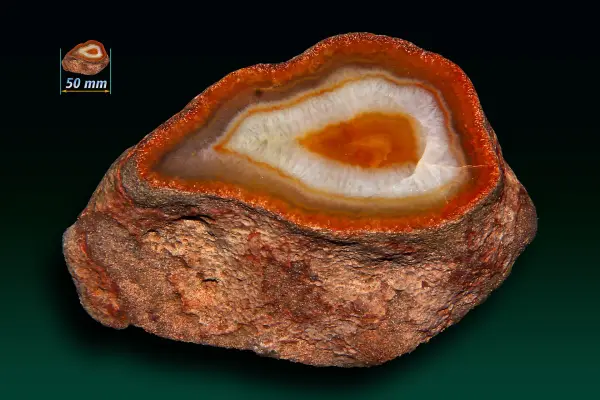
White Fir Spring
White Fir Spring is a documented mineral occurrence near OR. Reported specimens include Thundereggs. Verify land access and collecting rules before visiting.
View detailsWhistler Spring
Whistler Spring is a documented mineral occurrence near OR. Reported specimens include Thundereggs. Verify land access and collecting rules before visiting.
View details
Oregon Sunstone Public Collection Area
BLM-managed plagioclase feldspar beds in the Rabbit Hills let rockhounds surface collect copper-bearing sunstone crystals in volcanic tuff.
View detailsGlass Butte Recreational Rockhound Area
Glass Butte Recreational Rockhound Area is a documented mineral occurrence near OR. Reported specimens include Obsidian. Verify land access and collecting rules before visiting.
View detailsSuccor Creek Agate Beds
Succor Creek State Natural Area in the Owyhee canyonlands of far eastern Oregon, a deep rhyolite canyon obtained from the Bureau of Land Management between 1966 and 1969, where Oregon State Parks permits limited souvenir collecting of thundereggs, agate and jasper by rock hounds.
View detailsAgate Beach
Agate Beach is a documented mineral occurrence near OR. Reported specimens include Agate, Moonstone, Jasper, Chalcedony. Verify land access and collecting rules before visiting.
View detailsBeach Area Newport
Beach Area Newport is a documented mineral occurrence near OR. Reported specimens include Agate, Moonstone, Jasper, Chalcedony. Verify land access and collecting rules before visiting.
View detailsRichardson's Rock Ranch
Historic central Oregon rock shop north of Madras, home of the famous Priday Agate Beds. All dig-your-own thunderegg digging is permanently closed; the shop still sells freshly dug and cut thundereggs from ranch beds in the volcanic country that made the thunderegg Oregon's state rock.
View details
Spectrum Sunstone Mine
Spectrum Sunstone Mine is a documented mineral occurrence near OR. Reported specimens include Mixed minerals. Verify land access and collecting rules before visiting.
View detailsFrequently asked questions
Can you rockhound in Oregon?
Yes. Oregon offers BLM and National Forest collecting areas, limited souvenir collecting at Succor Creek State Natural Area, and personal-use beach collecting of loose material on many public ocean shores. National parks, wilderness, and most state parks prohibit collecting — verify each listing.
Where can I find thundereggs in Oregon?
Dig publicly at Ochoco National Forest sites such as White Fir Spring and Whistler Spring, and limited souvenir collecting at Succor Creek. Richardson’s Rock Ranch near Madras no longer allows dig-your-own — the shop still sells freshly dug thundereggs.
Where can I collect Oregon sunstone for free?
The BLM Oregon Sunstone Public Collection Area near Plush in Lake County allows free personal, noncommercial collecting inside the marked boundary. Private claims surround and intersect the area — stay on public posts.
Is there an Oregon rockhounding map?
Our Oregon state hub is the Oregon rockhounding map — every cataloged site with GPS, fees, and specimen filters, including Glass Butte, sunstone, thunderegg beds, and beach localities.
When is the best time to rockhound in Oregon?
Coast agates peak after winter storms at low tide (roughly November–March). Central and southeastern desert sites are best May–October when forest and BLM roads are dry. Match the region to the season.
Can I dig thundereggs at Richardson’s Rock Ranch?
No. The ranch states all digging is permanently closed. Visit the rock shop for freshly dug and cut thundereggs from historic Priday beds, or dig at public Forest Service and Succor Creek sites instead.
Do I need a permit for Glass Butte or the sunstone area?
Personal recreational collecting at the named BLM areas is generally allowed without a special permit within published quantity and noncommercial limits. Permits may be required for larger volumes, machinery, or commercial use — check the current BLM Oregon & Washington rock collecting guide.
Is Oregon good for beginner rockhounding?
Yes. Start with Newport-area beach agate at low tide after storms, then Glass Butte obsidian or White Fir Spring thundereggs in dry season. Save the remote sunstone basin for a prepared high-clearance trip.
What can you take from Oregon beaches?
Oregon Parks allows small personal, noncommercial quantities of loose non-living material from the ocean shore, with quantity limits and habitat restrictions that can change. Collect only loose surface material — no digging tools in state park uplands.