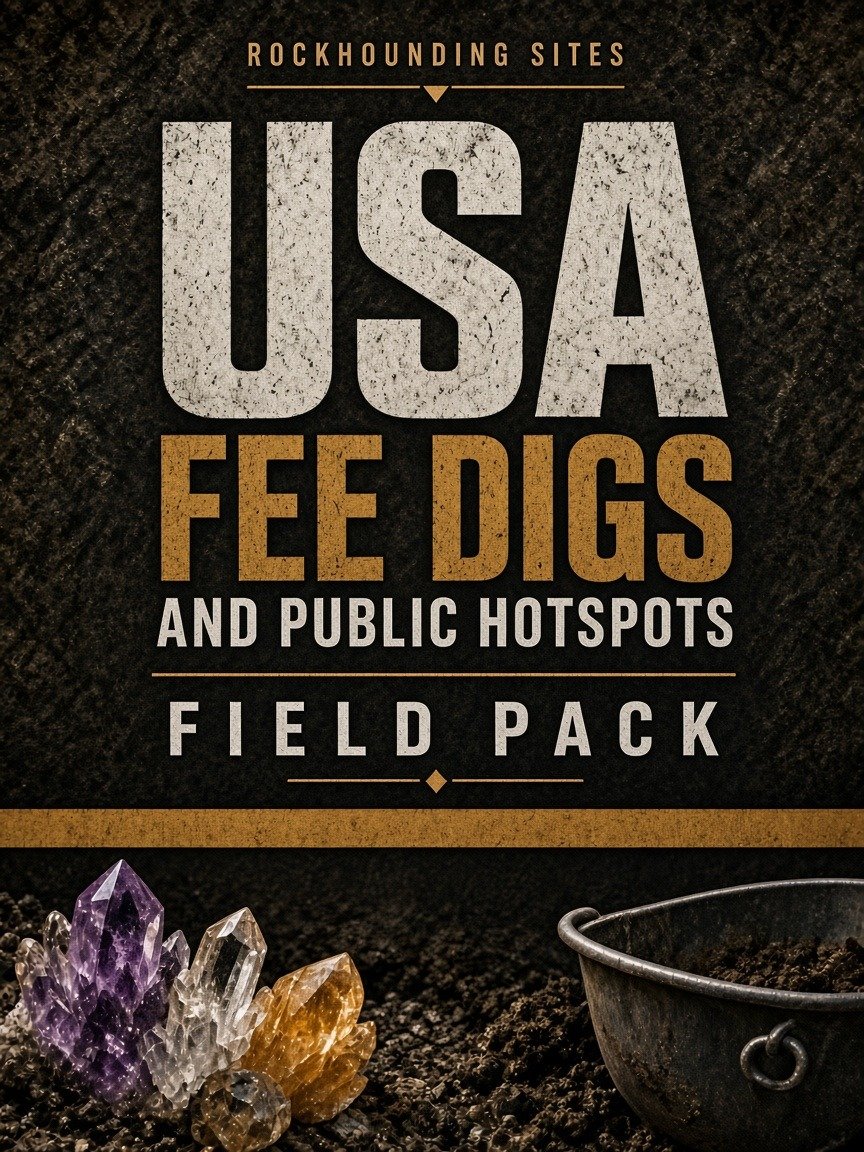
Rockhounding in Virginia highlights Morefield Gem Mine amazonite digs, Vesuvius amethyst country, and Fairy Stone State Park staurolite — browse the Virginia rockhounding map and confirm park vs fee-dig rules before you go.
Rockhounding in Virginia spans Piedmont pegmatite fee digs, Blue Ridge amethyst country, and a state park famous for crossed staurolite crystals. Start with the Virginia rockhounding map, then open each listing for fees, seasons, and access reality — park rules and private land are not interchangeable.
Goal → first stop
| Goal | Best first stop |
|---|---|
| Managed keep-what-you-find dig | Morefield Gem Mine |
| Amethyst research | Vesuvius Amethyst Mine Area |
| Fairy stones / staurolite | Fairy Stone State Park |
| Statewide map | Virginia state hub |
| Live GPS | Near me or amethyst near me |
Virginia rockhounding map
The Virginia state directory is your statewide map — Morefield, Vesuvius amethyst, Fairy Stone, and every other cataloged pin with GPS.
Things you need to go rockhounding in Virginia

Estwing Brick Set Chisel
If you only carry one chisel, this width handles most field splits.
Check price on Amazon
NoCry Professional Construction Knee Pads
Buy once — your knees will notice by lunch.
Check price on Amazon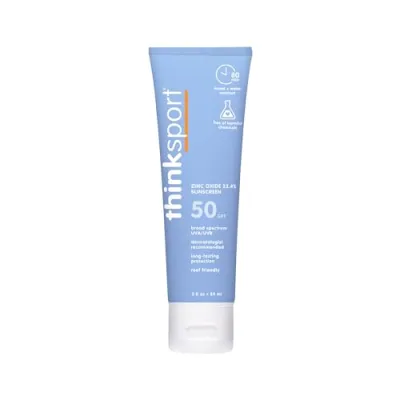
ThinkSport Sport Mineral Sunscreen
The best blend of mineral protection and wearability for field work — start here.
Check price on Amazon
SE Specimen Storage Bags 10-Pack
The basic system every collector should have in their pack.
Check price on AmazonDisclosure: Gear links may earn a commission as an Amazon Associate — at no extra cost to you. Learn more.
Morefield Gem Mine (fee dig)
Morefield Gem Mine is Virginia’s best-known public fee dig for amazonite and related pegmatite minerals. Managed digs are the easiest legal path when you want keep-what-you-find material without negotiating private farm access.
See also Morefield Mine for related directory context. Compare other digs on our mining near me map and pack using the gemstone mining equipment guide.
Call ahead: hours, weather closures, and keep rules for larger stones change — confirm the morning you leave.
Vesuvius amethyst country
Vesuvius Amethyst Mine Area documents Virginia’s classic purple quartz hunting ground. Many productive pockets sit on private land — treat directory pins as research starting points, not open invitations.
Pair with the amethyst specimen map and amethyst near me when traveling from elsewhere in the Mid-Atlantic.
Fairy Stone State Park (rules first)
Fairy Stone State Park is famous for staurolite “fairy stones” — naturally crossed crystals with deep local folklore. State park collecting rules are often restrictive; verify what visitors may remove before you dig or pocket specimens.
Do not treat a famous park name as a free quarry. If collecting is limited, enjoy the geology and folklore, then dig at a fee mine instead.
Mid-Atlantic staging tips
- Fee dig first — Morefield when open for a reliable public day
- Park rules — Fairy Stone is not a free-for-all
- Private land — amethyst country requires permission
- Heat and humidity — summer Piedmont trips need early starts and water
- Cross-border — pair with North Carolina gem belt or rockhounding Georgia on longer loops
Virginia sits within a day’s drive of many Mid-Atlantic collectors — use the map, confirm hours, and leave closed claims and unsafe mine openings alone.
Spots from our directory
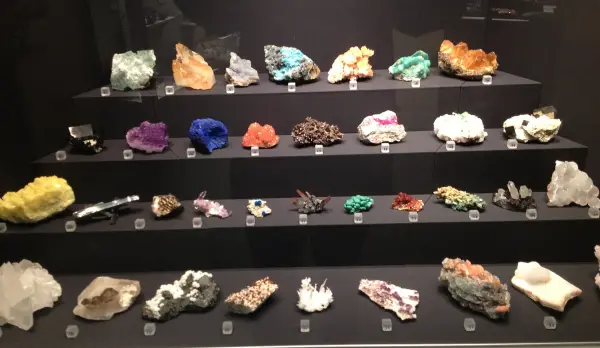
Morefield Gem Mine
Morefield Gem Mine is a documented mineral occurrence in Virginia. Reported specimens include Amazonite, Amethyst, Topaz, Mica. Verify land access and collecting rules before visiting.
View detailsMorefield Mine
A historic Amelia County pegmatite mine offering fee digs for amazonite, topaz, and rare phenakite crystals.
View details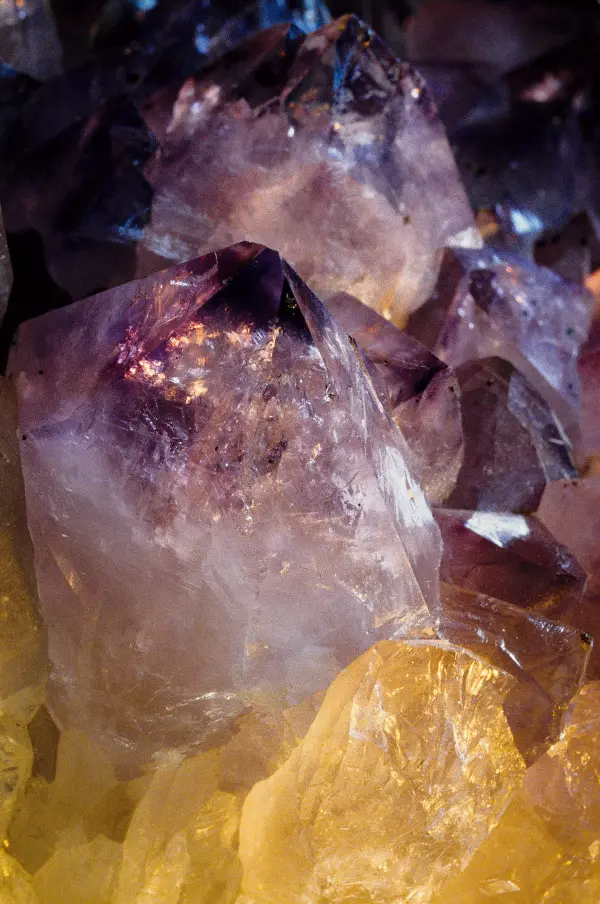
Vesuvius Amethyst Mine Area
Blue Ridge amethyst quartz occurs in vesuvius area pegmatites and stream gravels of George Washington National Forest.
View detailsFairy Stone State Park
Virginia's largest state park near Stuart is famous for staurolite fairy stone crosses in schist. Virginia DCR allows hand collecting a small number of stones in a designated area near the Fairy Stone Pitstop on VA-57; no digging tools and no commercial digging.
View detailsFrequently asked questions
Where can I go rockhounding in Virginia?
Flagship stops include Morefield Gem Mine fee digging for amazonite and related minerals, Vesuvius-area amethyst localities, and Fairy Stone State Park for staurolite “fairy stones.” Use our Virginia rockhounding map for GPS and access notes.
Where can I find blue quartz in Virginia?
Virginia hosts blue quartz in some Blue Ridge / Piedmont exposures and as float in researched districts — much ground is private. Prefer fee digs like Morefield for beginner keepers, and do not confuse Virginia blue quartz with Nevada “blue quartz mine” pins.
Where can I find quartz in Virginia?
Virginia quartz for hobbyists includes Vesuvius amethyst research and fee digs like Morefield — much private ground. Use this Virginia guide and state map; confirm ownership.
Is Morefield Mine open to the public?
Morefield operates as a fee dig / visitor mine when open — confirm current hours, fees, and keep rules before you drive. Our Morefield listings note what collectors typically seek.
What are Virginia fairy stones?
Fairy stones are naturally crossed staurolite crystals found at Fairy Stone State Park. Park collecting rules are strict — read official regulations before removing anything.
Can you find amethyst in Virginia?
Yes. The Vesuvius amethyst mine area and related Blue Ridge / Piedmont localities are documented in our directory. Many classic pockets are private — prefer verified access.
Is there a Virginia rockhounding map?
Our Virginia state hub lists mines, parks, and mineral localities with fees and directions.
Is rockhounding allowed in Virginia state parks?
Often restricted or prohibited. Fairy Stone State Park is famous for staurolite — verify what visitors may remove before you dig or pocket specimens.