Find turquoise in the U.S. at Nevada's Royston district and New Mexico's Burro Mountains — mostly private claims with some fee digs. Find nephrite jade in California's Trinity Alps and Alaska's Jade Creek locality on National Forest and remote Arctic terrain.
Searches for where to find turquoise and where to find jade point to the same reality: both minerals are tied to specific geologic provinces, and the best ground is often claimed, remote, or fee-access — not open creek gravel anyone can dig.
This guide maps American turquoise and jade localities in our directory, explains access realities, and helps you plan a legal collecting trip.
Turquoise vs. jade: quick distinction
| Mineral | Chemistry | U.S. color | Typical host |
|---|---|---|---|
| Turquoise | Copper aluminum phosphate | Blue to blue-green | Desert altered volcanic rock |
| Nephrite jade | Calcium magnesium silicate | Dark green to black | Serpentine and metamorphic belts |
| Jadeite | Sodium aluminum silicate | Rare in U.S. | Not a realistic field target domestically |
Most American jade collecting targets nephrite cobbles in creeks — not gem-quality jadeite boulders.
Where to find turquoise in the Southwest
Turquoise forms where copper-rich groundwater alters volcanic rock in arid climates. The American Southwest — especially Nevada, Arizona, and New Mexico — dominates domestic production.
Royston Turquoise District, Nevada
Near Tonopah, Royston Turquoise District produces matrix turquoise with distinctive blue-green banding prized in Southwest jewelry. The district is largely private mine land; some operators run fee digs or tours seasonally.
Before you go: contact mine operators for current schedules — do not assume open digging. Desert heat and rough roads demand extra water and fuel.
Browse Nevada rockhounding sites for related listings.
Burro Mountains Turquoise, New Mexico
Near Silver City, Burro Mountains Turquoise represents centuries of Native artisan mining history. Most veins sit on active claims with limited public access.
This listing is valuable for geology education and claim awareness — turquoise rockhounding in New Mexico requires respecting private boundaries and cultural heritage.
See New Mexico rockhounding sites for additional Southwest targets.
Arizona and the copper belt
Arizona’s porphyry copper districts hosted historic turquoise mines (Sleeping Beauty, Kingman, and others). Many are closed or claimed today. Use our Arizona state map and turquoise & opal type hub for catalogued localities — verify every site before digging.
Things you need to go rockhounding in Nevada
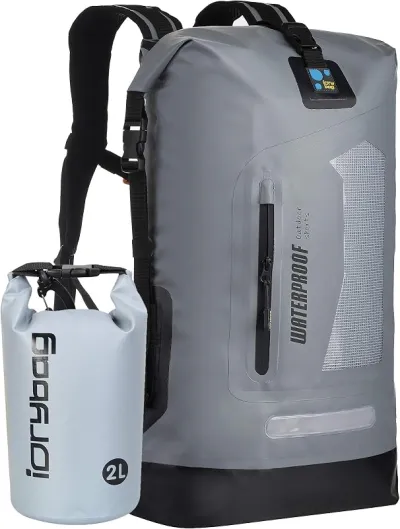
Osprey Talon 22 Backpack
The pack to save for if you collect more than a few times a year.
Check price on Amazon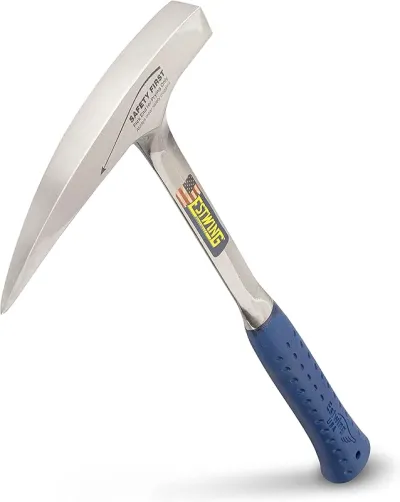
Estwing 22 oz Geological Pick
If you buy one hammer, make it this one.
Check price on Amazon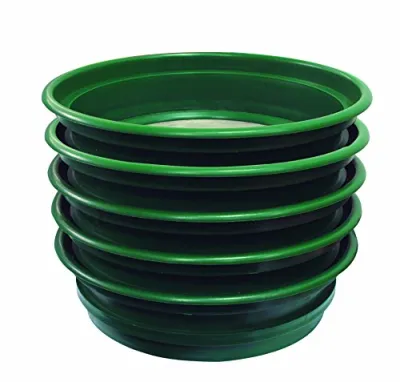
SE 5-Pack Stackable Classifier Set
If you buy one classifying kit, buy this set.
Check price on Amazon
DEWALT DPG82 Concealer Safety Glasses
Buy two pairs — one lives in your pack permanently.
Check price on AmazonDisclosure: Gear links may earn a commission as an Amazon Associate — at no extra cost to you. Learn more.
Where to find jade in the U.S.
Trinity Alps Jade Locality, California
In Shasta-Trinity National Forest near Weaverville, Trinity Alps Jade Locality exposes nephrite jade cobbles in glacial creek gravels and serpentine slopes. Collecting is strenuous — boulder fields, cold water, and multi-mile hikes.
Season: late spring through early fall; snow blocks high trails in winter.
National Forest rules apply — personal collecting within limits, no commercial extraction without permits.
Jade Creek Jade Locality, Alaska
Jade Creek Jade Locality in the Brooks Range is among North America’s significant nephrite sources — in genuinely remote Arctic terrain. This is expedition collecting: fly-in access, bear country, and short summer windows.
Most rockhounds will never visit — but the listing documents why Alaska dominates American jade geology.
Access rules: read this before digging turquoise
Turquoise attracts trespass problems because historic mines are visually obvious and socially famous.
| Rule | Why it matters |
|---|---|
| Claims are private property | Corner posts and claim papers mean no digging without permission |
| Fee digs exist | Pay once, dig where staff directs — see public gem mining sites |
| BLM ≠ open turquoise | Even on public land, mechanized tools and commercial quantities are restricted |
| Buy rough legally | Support licensed miners when field access is closed |
Where can I find turquoise has a legal answer: where a landowner or mine operator says yes.
Tools and field tips
- Rock hammer and chisel — trim matrix without shattering soft turquoise
- Hand lens — separate turquoise from chrysocolla and variscite
- Padding — turquoise is softer than quartz (Mohs 5–6); wrap specimens
- Water and desert gear — every Southwest site is sun-exposed
See rock hammers for rockhounding for tool selection.
Plan a Southwest gem trip
- Pick turquoise or jade — they rarely occur in the same weekend itinerary
- Search /types/turquoise-opal/ and /types/gemstones/
- Confirm fee dig or mine tour dates before driving to Nevada or New Mexico
- For California jade, check Forest Service trail status and snow levels
Related guides
- Turquoise map — directory listings for turquoise & variscite
- Jade map — U.S. nephrite jade localities
- Pay-to-dig sites — fee digs with staff guidance
- Where to find obsidian — volcanic glass in the same Southwest provinces
- Rockhounding maps guide — browse by state and specimen type
Turquoise and jade are bucket-list minerals — finding them legally matters as much as finding them at all. Use our directory for coordinates and access notes, then confirm permission before the first swing of your hammer.
Spots from our directory

Royston Turquoise District
The Royston district near Tonopah produces matrix turquoise with green and blue color bands highly valued in Southwest jewelry.
View detailsBurro Mountains Turquoise
The Burro Mountains near Silver City have produced turquoise for Native artisans for generations; most dig sites are on private mining claims.
View details
Trinity Alps Jade Locality
Creeks and serpentine slopes in the Trinity Alps region of Shasta-Trinity National Forest occasionally expose nephrite jade cobbles in glacial gravels.
View detailsJade Creek Jade Locality
The Jade Mountains along the eastern border of Kobuk Valley National Park in Alaska's Brooks Range, the legendary source of Alaskan nephrite jade. Half the range lies inside the national park where collecting is prohibited, and most of the rest is NANA Regional Corporation land requiring permission.
View detailsFrequently asked questions
Where can I find turquoise in the United States?
The Southwest produces most American turquoise — Nevada's Royston district, New Mexico's Burro Mountains, and Arizona's historic mine country. Most productive ground is on private claims; some operators offer fee digs or mine tours.
Where is jade found in the U.S.?
Nephrite jade occurs in California's Trinity Alps, Alaska's Brooks Range, and Wyoming's jade fields. California and Alaska listings in our directory cover creek cobbles and remote Arctic exposures.
Can you collect turquoise on public land?
Some BLM areas allow casual collecting, but most famous turquoise veins sit on active mining claims. Never dig without permission — use fee digs or purchase rough from licensed miners.
What is the difference between turquoise and variscite?
Both are phosphate minerals prized for blue-green color. Royston district specimens may include variscite and chalcedony alongside turquoise — a hand lens helps distinguish them in the field.
Is jadeite found in the United States?
Facetable jadeite is extremely rare in the U.S.; American collectors typically find nephrite jade. Do not expect Myanmar-style jadeite boulders in domestic field collecting.