Gold panning in Alabama centers on the eastern Piedmont gold belt — fee camps, private permission, and carefully verified forest waters — with fine flour gold more common than nuggets.
Gold panning in Alabama is real, legal in the right places, and quieter than the western placer states. The state’s gold story sits in the eastern Piedmont — old quartz veins, residual placers, and creek gravel that still produce fine colors when access and water cooperate.
This free overview covers gold-belt counties, legal basics, and a few starter sites. For the full set of 16 districts and creeks, maps, and a printable field log, use the Gold in Alabama field guide.
Alabama gold belt counties
Historic Alabama gold deposits follow a southwest–northeast belt in east-central Alabama. Writers and USGS summaries commonly include all or part of:
| County cluster | Why it matters |
|---|---|
| Cleburne · Clay · Randolph | Arbacoochee, Chulafinnee, and related historic camps; Alabama Gold Camp sits in this story |
| Talladega · Tallapoosa · Chambers | Hog Mountain, Goldville / Devils Backbone country, Hillabee drainages |
| Coosa · Elmore · Chilton | Southern end of the triangle, including early Chilton placers near Verbena |
Expect flour gold and small flakes more often than nuggets. Many “alabama gold vein map” searches point at old lode districts — those pins mark historic geology, not a public dig ticket.
Legal basics (read this before you pan)
| Setting | Hobby reality |
|---|---|
| Fee / pay-to-dig sites | Simplest legal path. Alabama Gold Camp near Lineville posts its own fees and equipment rules. |
| Private land | Most productive ground. Get clear permission; many historic mines sit on private inholdings. |
| National forests | Talladega and other Alabama forests are district-specific. Ask the ranger office about hand panning before you work a creek. Inholdings inside the boundary can still be private. |
| Alabama State Parks | Collecting geological material is prohibited. Look and photograph only. |
| Claims & artifacts | Do not dig marked claims. Leave historic mill ruins and artifacts alone. |
If a website says “just pan any Alabama creek,” ignore it. Pair this page with our gold panning guide for technique, then verify the parcel.
Things you need to go rockhounding in Alabama
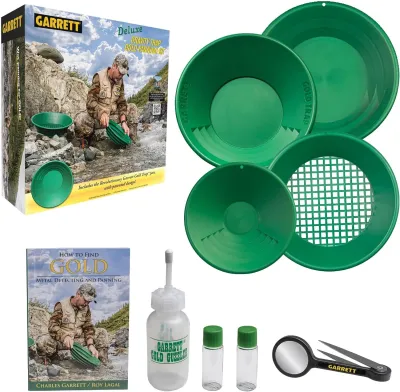
Garrett Deluxe Gold Pan Kit (9-Piece)
If you buy one gold panning kit, make it this Garrett deluxe set.
Check price on Amazon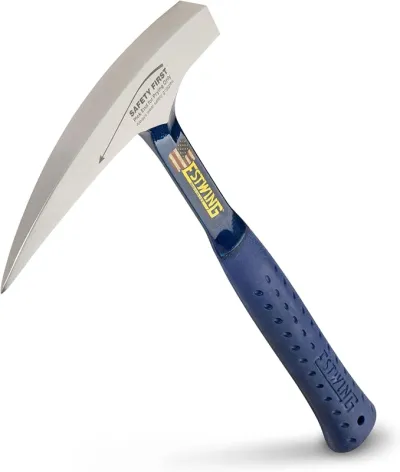
Garrett Gravity Trap Gold Pan Kit
Start here — it is the pan most tutorials assume you have.
Check price on Amazon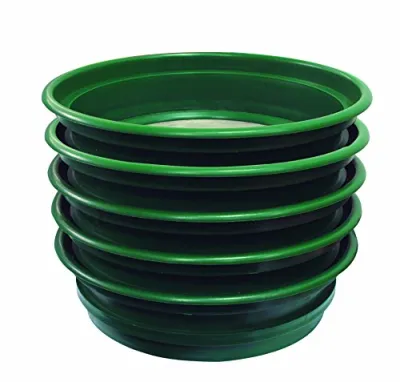
SE 5-Pack Stackable Classifier Set
If you buy one classifying kit, buy this set.
Check price on AmazonDisclosure: Gear links may earn a commission as an Amazon Associate — at no extra cost to you. Learn more.
Starter sites and research leads
1. Alabama Gold Camp (fee)
The practical beginner stop for alabama gold prospecting days. Controlled stream sections, posted keep rules, and camping options when open. Confirm current hours and fees. Listing: Alabama Gold Camp.
2. Arbacoochee / Cleburne County context
Arbacoochee was one of Alabama’s boom camps in the 1840s. Modern hobbyists treat the name as history and geology context, then pan only where a fee site or landowner allows it — not on unmarked private bars.
3. Hog Mountain / Tallapoosa drainages
Hog Mountain was Alabama’s richest lode producer. The mine itself is a poor casual-pan target (fine gold locked in sulfides), but downstream creek research is a classic pattern — only with permission and current land status.
4. Chilton County placers (research)
Early placers around the Verbena area show up in older reports. Treat coordinates as research leads. Parcel ownership and water access matter more than a pin on a map.
How to plan a realistic Alabama gold day
- Pick one legal access point (fee camp first if you are new).
- Check water level and weather — Piedmont clay turns ugly after hard rain.
- Bring a gold pan or panning kit, classifier, snuffer, vials, and boots.
- Sample gravel on bedrock contacts and inside bends where heavies settle.
- Log what you tried — the printable field log in the Alabama PDF guide is built for that.
Get the full map set
Free posts stop at a handful of examples. The paid guide packs all 16 sites, the gold-belt map, legal notes, and a field log into one offline PDF:
Get all 16 sites, the maps and the field log in the PDF →
Keep exploring
- Rockhounding in Alabama — quartz, parks, and statewide context
- Alabama state hub — GPS map of listings
- Gold panning near me — live distance sort
- USA Fee Digs Field Pack — nationwide fee digs when you travel beyond Alabama
Spots from our directory

Alabama Gold Camp
Private gold camp in the Alabama Piedmont offering creek panning and dredging in controlled sections of area streams.
View detailsFrequently asked questions
Can you go gold panning in Alabama?
Yes — hobby gold panning in Alabama works on fee sites like Alabama Gold Camp, private land with permission, and some national-forest waters only where the district allows hand tools. State parks prohibit collecting. Confirm rules before you dig.
Where is the Alabama gold belt?
Alabama’s historic gold belt sits in the eastern Piedmont — roughly a triangle covering parts of Cleburne, Clay, Randolph, Talladega, Tallapoosa, Chambers, Coosa, Elmore, Chilton and nearby counties. Most gold is fine flour, not nuggets.
Where can I find Alabama gold deposits on a map?
Start with the Alabama state hub and Alabama Gold Camp listing for GPS context, then use a dedicated Alabama gold guide for district maps and creek notes. Treat historic mine pins as research leads, not open digs.
Do I need a claim to pan for gold in Alabama?
Fee camps set their own rules. Private land needs owner permission. National forest recreational hand panning is district-specific — call the ranger district. Do not dig active claims or remove material from state parks.