Rockhounding in Alabama centers on Piedmont quartz (including Cheaha and star blue quartz research) plus fee gold-camp options — verify ownership and use our Alabama map before you dig.
Alabama rockhounding is quiet and mostly permission-based. The state sits on old Piedmont metamorphic rock in the east, Appalachian ridges to the north, and soft Coastal Plain sediment to the south. That mix gives you quartz, a little gold, fossils, and gravel float, but very little open ground where you can simply walk in and dig.
Use the Alabama state hub for GPS, then verify ownership for every pin.
Goal → first stop
| What you want | Start here |
|---|---|
| Quartz outcrops and views | Cheaha quartz |
| State gem context | Star blue quartz |
| Fee gold panning | Alabama Gold Camp |
| Agate notes | Alabama agate |
| Managed digs | Dig sites |
| Statewide GPS | Alabama state hub |
Land rules cheat sheet
| Land type | Collecting reality |
|---|---|
| Alabama State Parks | Natural-item removal is generally prohibited, including at Cheaha. |
| National forests (Talladega, Bankhead, Conecuh, Tuskegee) | Rules are district-specific. Ask before collecting, and avoid wilderness, cultural sites, and active claims. |
| Private land | Most Alabama ground. Permission is required, and landowners may not be experienced hosts. |
| Fee camps and attractions | The practical way to pan or dig. Follow posted fees and keep rules. |
| Streams and rivers | Navigable-water access varies, and banks are usually private. Do not assume bars are public. |
Things you need to go rockhounding in Alabama
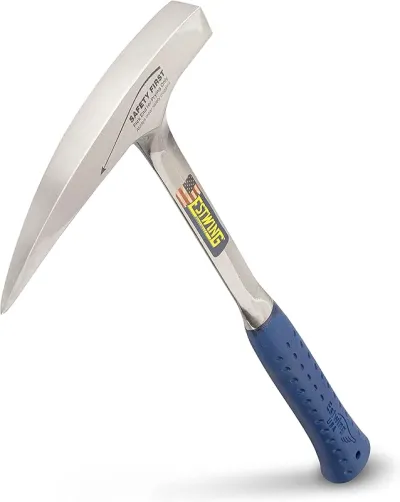
Estwing 22 oz Geological Pick
If you buy one hammer, make it this one.
Check price on Amazon
DEWALT DPG82 Concealer Safety Glasses
Buy two pairs — one lives in your pack permanently.
Check price on Amazon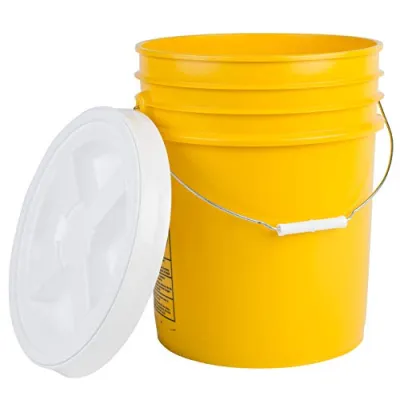
Hudson Exchange 5 Gallon Bucket with Gamma Seal Lid
The bucket setup serious diggers keep in the truck.
Check price on AmazonDisclosure: Gear links may earn a commission as an Amazon Associate — at no extra cost to you. Learn more.
Cheaha and the quartz ridges
The Cheaha area in the Talladega Mountains has veins and pegmatite float, and it is Alabama’s highest ground. The state park is excellent for hiking and geology photos, but treat it as look-only. Quartz is common across the Piedmont, so you can see plenty at road cuts and trails without breaking rules. Gem-quality crystals are uncommon, and most pieces are milky or fractured.
Star blue quartz
Star blue quartz is Alabama’s state gemstone: blue-gray quartz with a faint star effect. Gem hunters should know that this material is scarce, so most visitors see it in cabochons and museum cases. The Star Blue Quartz listing is a research lead. Ownership matters more than coordinates.
Alabama Gold Camp
Alabama’s gold belt runs through the eastern Piedmont, and historic mines dot Clay, Cleburne, and Tallapoosa counties. The easy, legal route is the Alabama Gold Camp near Lineville, which offers fee-based panning on controlled stream sections. Expect flakes rather than nuggets, and confirm membership, day fees, and seasonal hours. Beyond fee camps, hobby panning can also mean private land with permission or carefully verified national-forest waters — never unmarked creeks and never state parks. For belt counties, legal notes, and the full site list, see gold panning in Alabama or the printable Gold in Alabama field guide.
Fossils and gravel
North Alabama has Paleozoic fossils in limestone, and Black Belt creeks hold Cretaceous shark teeth and shells in private land. Fossil collecting follows the same land rule: owner permission, or a club field trip. State parks and military sites are closed to collecting.
Building a realistic trip
A good Alabama weekend is one managed stop plus scenery. Pair a morning at the Gold Camp near Lineville with an afternoon on the Cheaha ridge, then add a museum or club meeting if one fits. Ask local clubs about permission trips to private quarries and fossil creeks, since that is how many collectors actually get access. Pack expectations as carefully as you pack gear: flakes, milky quartz, and good stories are the norm.
Season, heat, and gear
- Best: October through April
- Summer: heat, humidity, ticks, and severe storms
- Safety: watch for snakes and old mine openings, and never enter shafts or adits
- Kit: boots, gloves, water, safety glasses, a rock pick, and a bucket for permitted work
- Live sort: near me
Neighbors
Georgia · South Carolina · Mississippi · Tennessee
Plan your next stop
Continue with the national hubs so you can compare digs, GPS distance, and state maps:
- Dig-sites map — national fee digs with fees and keep rules
- Near me GPS — sort sites by distance from you
- Alabama rockhounding map — GPS listings for this guide
- Georgia rockhounding map — GPS listings for this guide
- Fee gems explained — pay-to-dig vs free land
Reality check
Alabama is fee-camp, club-trip, and permission-first country. State parks protect their quartz, famous pins may be closed or on private land, and gold flakes are small. Plan realistic expectations, call ahead, and use the Alabama state hub for research.
Spots from our directory
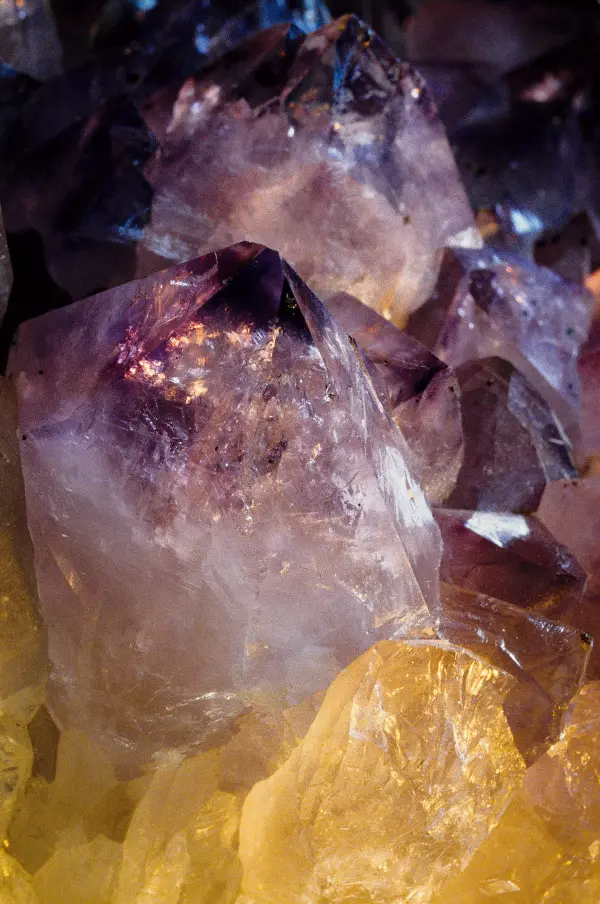
Cheaha Quartz Outcrops
Quartz veins and pegmatite float occur on slopes of Cheaha Mountain, Alabama's highest point, within Cheaha State Park boundaries.
View detailsStar Blue Quartz
Alabama’s state gem — star blue quartz (asteriated blue quartz) researched in Piedmont localities. Treat this pin as a geology lead with ownership checks, not an open free dig.
View details
Alabama Gold Camp
Private gold camp in the Alabama Piedmont offering creek panning and dredging in controlled sections of area streams.
View detailsFrequently asked questions
Where can I find Alabama quartz?
Alabama quartz shows up in Piedmont/outcrop country such as Cheaha-area exposures and related researched localities. Much ground is private — use fee digs and club trips when open public parcels are scarce.
What is star blue quartz in Alabama?
Star blue quartz is Alabama’s state gem — blue quartz with asterism in researched Piedmont localities. Treat named pins as research leads with ownership checks; see our star blue quartz listing and Alabama map.
Is Alabama Gold Camp open for hobby digs?
Alabama Gold Camp is a fee/attraction-style gold panning destination when operating — confirm current hours and keep rules. It is not a free public BLM placer free-for-all.
Can you go gold panning in Alabama?
Yes — fee camps like Alabama Gold Camp are the easiest legal start, and private land or national-forest creeks can work only with permission and district rules. State parks prohibit collecting. See our gold panning in Alabama guide and the printable Alabama field guide for maps and legal basics.
Is there an Alabama rockhounding map?
Our Alabama state hub lists quartz, gold-camp, and related pins with GPS. Use dig-sites for managed digs.
Where should I start rockhounding in Alabama?
Start with Cheaha-area quartz research, star blue quartz context, and Alabama Gold Camp when fee panning is open. Use this guide and the Alabama map — parks and private land are not open digs.
Can you rockhound at Graves Mountain?
Graves Mountain is in Lincoln County, Georgia, not Alabama. It is a famous mineral locality, but access is controlled and usually limited to organized club or society events, so confirm current permission before planning a trip.
Can I collect at Cheaha State Park?
Alabama state parks generally prohibit removing rocks, minerals, and plants. Treat Cheaha as a place to see quartz veins and views, and ask the park office if you think an exception applies.