Fairburn agate is fortification-banded chalcedony from southwestern South Dakota and related Nebraska fields — collect only on verified open parcels, never in Badlands National Park, and treat Fairburn agate jewelry as cut stone from legal rough.
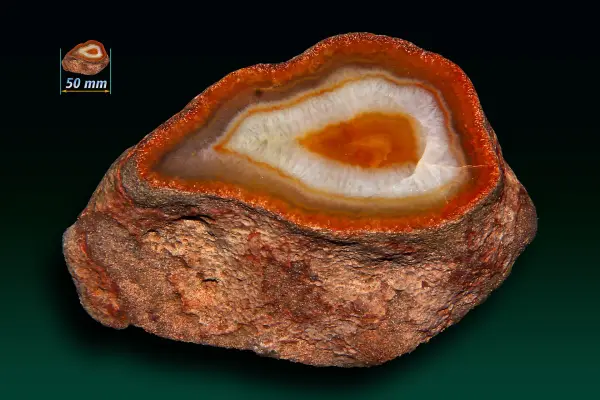
Fairburn agate is the prairie collector’s signature stone: tight, fortification-banded chalcedony in reds, oranges, yellows and creams, named for country around Fairburn, South Dakota. It is also the official state gemstone of South Dakota. Searches for fairburn agate jewelry want cut cabochons and pendants; this guide covers both the field map and the jewelry reality.
Quick answer
| Intent | Start here |
|---|---|
| Field collecting | Fairburn Agate (SD) · Fairburn Agate South Dakota · Fairburn |
| Nebraska fields | Fairburn agate fields Nebraska |
| Cut stone / jewelry | Buy from reputable lapidary sellers or cut your own legal rough |
| State hubs | South Dakota · Nebraska |
Where Fairburn agates come from
Geologists trace them to marine limestone of the Minnelusa Formation around the Black Hills, laid down roughly 250 to 300 million years ago. Silica replaced carbonate inside small pockets, and iron and manganese oxides added color. When the Black Hills rose, erosion carried the agates east, where they ended up in Oligocene gravels and now weather out onto the prairie surface. How the extremely fine banding forms is still debated, which is part of the appeal.
Things you need to go rockhounding in South Dakota
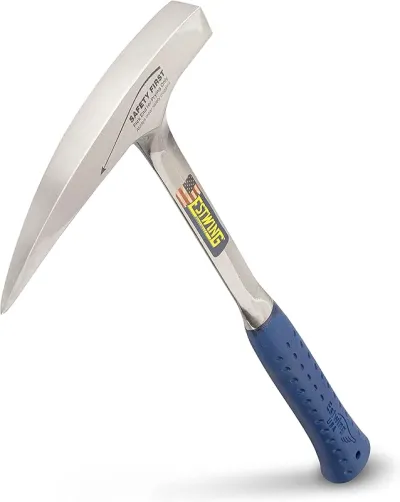
Estwing 22 oz Geological Pick
If you buy one hammer, make it this one.
Check price on Amazon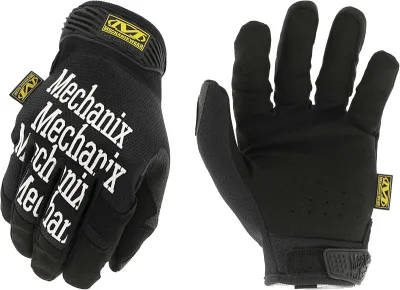
Mechanix Work Gloves with Grip
The default glove for collectors who need feel and protection.
Check price on Amazon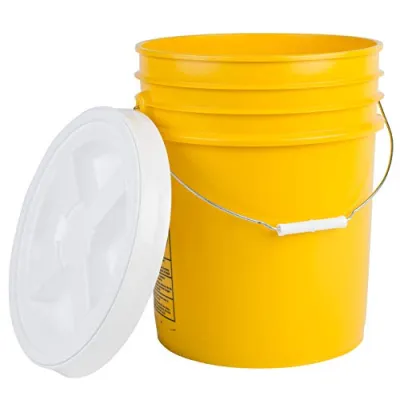
Hudson Exchange 5 Gallon Bucket with Gamma Seal Lid
The bucket setup serious diggers keep in the truck.
Check price on Amazon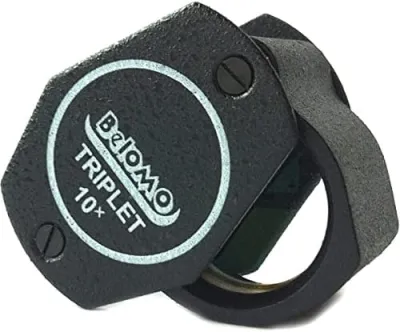
BelOMO 10x Triplet Loupe
The loupe to buy once and carry for decades.
Check price on AmazonDisclosure: Gear links may earn a commission as an Amazon Associate — at no extra cost to you. Learn more.
What Fairburn banding looks like
Expect thin zigzag fortification lines, often in warm earth tones, in nodules that are usually small. Many are rough, chalky-rinded or windowed with a small chip showing the interior. Wet the stone and use a hand lens before you fill a pack with jasper and chert lookalikes. Our how to spot an agate page covers the base tests.
Land rules that matter
- Badlands National Park: no collecting.
- National grassland and forest ground: surface collecting for personal hobby use is generally allowed on the Buffalo Gap area, but selling or trading material taken from it is not. Confirm with the managing office.
- BLM or other public parcels: personal-use rules vary; check claims and closures.
- Private ranch land: permission required, and some ranchers offer paid access.
Do not invent statewide free-for-all rules. Always match the parcel to its managing agency.
Field tactics
Walk eroded slopes and gully floors slowly, after rain if possible, when wet surfaces make color pop. Scan the ground with the sun behind you. Look for small, rounded, waxy fragments rather than big prizes, and pick up anything with visible banding to wet-test later. A bucket, gloves and a rock pick cover most needs, plus water and sun protection. See essential tools.
Common mistakes
- Assuming every red-banded prairie pebble is Fairburn. Jasper and banded chert are common in the same gravel.
- Skipping the wet test, then walking past dull nodules with bright interiors.
- Crossing a fence line because the agates “keep going” on the other side.
- Cracking nodules in the field with a heavy hammer and ruining the banding. Take them home and trim carefully.
Fairburn agate jewelry
Most Fairburn agate jewelry is cut and polished material set as cabochons, beads or wire-wrapped pendants. The field and the jewelry bench are different hobbies:
- Collect only where legal.
- Trim and polish by tumbler or cabbing; see rock tumblers.
- Buy finished pieces from sellers who disclose origin and treatment.
Plan your next stop
Continue with the national hubs so you can compare digs, GPS distance, and state maps:
- Dig-sites map — national fee digs with fees and keep rules
- Near me GPS — sort sites by distance from you
- South Dakota rockhounding map — GPS listings for this guide
- Nebraska rockhounding map — GPS listings for this guide
- Agates near me — live agate distance sort
- Agates in the USA — national agate belts
Reality check
“Fairburn” is used loosely. Some sellers label any red-banded prairie agate with the name, and color enhancement through heating or dye exists across the agate trade. Ask for the locality and treatment, and be skeptical of unnaturally uniform color. Fairburn success is pattern recognition plus land status, not secret GPS from a jewelry blog. Pair longer trips with Wyoming rockhounding and use near me GPS only after you understand park versus public boundaries.
Spots from our directory
Fairburn Agate
Fairburn Agate is a documented rockhounding destination in SD. Collectors visit for agate, jasper, chalcedony and related material. Access rules and land ownership vary — confirm current status with the managing agency or landowner before collecting.
View detailsFairburn Agate South Dakota
Southern Black Hills fringe and Buffalo Gap National Grassland are prime Fairburn agate territory with world-class fortification patterns.
View detailsFairburn
Fairburn is a documented mineral occurrence in South Dakota. Reported specimens include Fairburn agates. Verify land access and collecting rules before visiting.
View detailsFairburn Agate Fields Nebraska
Northwestern Nebraska and adjacent South Dakota badlands yield Fairburn agate with distinctive red fortification banding.
View detailsFrequently asked questions
Where can I find Fairburn agates?
Classic Fairburn agate country is southwestern South Dakota near Fairburn and related Badlands / Black Hills fringe ground, with Nebraska Fairburn-type fields as well. Use our Fairburn listings and confirm BLM, park, and private boundaries before collecting.
What is Fairburn agate jewelry?
Fairburn agate jewelry uses cut or polished Fairburn-pattern agate in pendants, cabochons, and wire wraps. Most commercial jewelry is cut from collected or purchased rough — field collecting still requires legal land access.
Can I collect Fairburn agates on public land?
Some BLM and other authorized parcels allow limited personal-use collecting; national parks and many state parks ban removal. Always verify the managing agency for the exact parcel — Badlands National Park is look-only for agate collecting.
How do I identify a Fairburn agate?
Look for fortification (zigzag) banding in warm earth tones — reds, oranges, yellows, and whites — often in irregular nodules. A wet hand lens helps; many lookalikes exist in prairie gravel.
Where is Fairburn agate in South Dakota?
Fairburn agate country sits in southwestern South Dakota prairie float outside Badlands National Park — see our Fairburn listings and South Dakota guide. Private ranches need permission; the park bans collecting.
Where are the Fairburn SD agate beds?
Fairburn SD agate beds are prairie float fields around Fairburn and related southwestern South Dakota parcels outside Badlands National Park. Use our Fairburn listings; verify BLM vs private ranch boundaries.
What is bubblegum agate in South Dakota?
Bubblegum agate is collector slang for small, often pink-to-orange agate nodules that look like chewed gum — common prairie float near Fairburn country. Same land rules as Fairburn hunting; parks remain look-only.