Savannah River agate is permission-first gravel collecting on the GA/SC corridor — not a free park dig. Verify ownership, then ID with wet translucency tests.
Savannah River agate sounds like a single, tidy gemstone. In practice it is a Southeast gravel tradition, and the name covers a messy mix of materials that collectors have picked from the river and its banks for generations. Know what you are really hunting before you drive out.
Watch: Savannah River agate
GA/SC gravel reality — permission-first banks, park bans, and ID tips.
Watch on YouTube: Savannah River Agate — then read access notes below.
What the name really means
Collectors and local societies describe Savannah River agate (also nicknamed “Georgia chert”) as a conglomeration of agate, jasper, chert and opalite rather than a pure banded agate. The host rock is generally linked to Oligocene-age chert beds that weather out along the river. You will see brown mottled material and pastel greens, yellows and violets, sometimes with small vugs lined with chalcedony, drusy quartz and rare micro-minerals. One well-documented area sits near Girard in Burke County, Georgia, where people work exposed gravel and sandbars once water drops.
That makes it more of a “pretty chert and agate mix” than a Lake Superior-style banded stone. Set your expectations accordingly, and you will enjoy it more.
Things you need to go rockhounding in Georgia
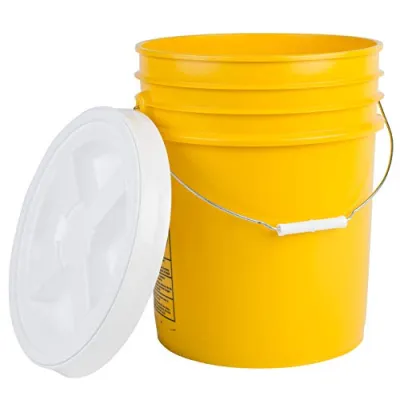
Hudson Exchange 5 Gallon Bucket with Gamma Seal Lid
The bucket setup serious diggers keep in the truck.
Check price on Amazon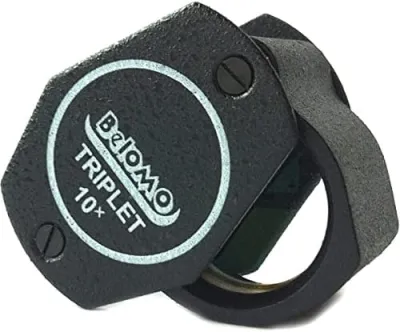
BelOMO 10x Triplet Loupe
The loupe to buy once and carry for decades.
Check price on AmazonDisclosure: Gear links may earn a commission as an Amazon Associate — at no extra cost to you. Learn more.
Where it fits on our maps
Our directory does not have an agate pin for this exact stretch. The Savannah River bank listing in South Carolina records aquamarine and golden beryl, not agate, which is a good reminder that river names are shared between very different localities. Use it as a research lead for the corridor, not as proof that agate sits at that point. State context: Georgia, South Carolina, and the Georgia state hub.
Access: the part that decides your day
- The river itself is a navigable waterway, but bank ownership above the high-water line varies between private land, state wildlife management areas and Corps of Engineers property.
- Reservoir shorelines managed by the Corps of Engineers have their own rules; check with the project office before you pick up anything.
- Public road rights-of-way and road cuts have supported club collecting in the past, yet roadside rules and safety matter. Stay off pavement and out of traffic.
- Parks and refuges along the corridor commonly ban collecting.
When in doubt, call the managing agency or ask the landowner. A clear yes beats a good rock.
Field tactics
Low-water periods expose the best bars; spring through fall is typical, but check river levels first. Wet candidates with a spray bottle, then examine them with a hand lens for translucent chalcedony windows, tiny crystal-lined vugs, and any pastel banding. Carry a collecting bucket and sturdy water shoes, and pack out any broken pieces and trash. Use the same tests described in how to spot an agate, and compare with the wider agate and jasper hub.
Common mistakes
- Treating the name as proof of fortification-banded agate.
- Collecting at a pin that sits inside a park or refuge.
- Wading at high or fast water because the bar “looked exposed” yesterday.
- Filling a bucket with dull chert that will never polish well.
Plan your next stop
Continue with the national hubs so you can compare digs, GPS distance, and state maps:
- Dig-sites map — national fee digs with fees and keep rules
- Near me GPS — sort sites by distance from you
- Georgia rockhounding map — GPS listings for this guide
- South Carolina rockhounding map — GPS listings for this guide
- Agates near me — live agate distance sort
- Agates in the USA — national agate belts
Reality check
Most Savannah River pieces are best as rustic tumbled stones or small cabs, not display slabs. Be skeptical of sellers who label any Georgia chert “rare Savannah agate.” Learn to recognize the real pastel, vuggy material, take a few good samples, and leave the rest for the next collector.
Frequently asked questions
Can you find agate on the Savannah River?
Collectors report chalcedony and agate in some Savannah River gravel bars, but much productive bank is private. Get permission, stay out of parks that ban removal, and treat map pins as research leads.
How do I identify Savannah River agate?
Use the same wet translucency and banding tests as other agates — see our how-to-spot-an-agate guide. Expect waterworn cobbles mixed with chert and jasper.
Is there a public Savannah River agate park?
No staffed agate park sits on the river for free digging. Plan around landowner permission, legal public access points, and state rules — not a Crater-of-Diamonds clone.